
Yes, New Orleans, the vibrant and culturally rich heart of Louisiana, proudly operates within the Central Time Zone (CT). For travelers eager to immerse themselves in the unique charm of the Crescent City, understanding its time zone is more than just a trivial detail; it’s a crucial piece of information that can significantly impact everything from flight connections and hotel check-ins to restaurant reservations and the timing of unforgettable experiences. Whether you’re planning a whirlwind weekend escape or a more extended stay to delve deep into its history, music, and unparalleled cuisine, knowing that New Orleans observes CT is your first step towards a seamless and stress-free adventure.
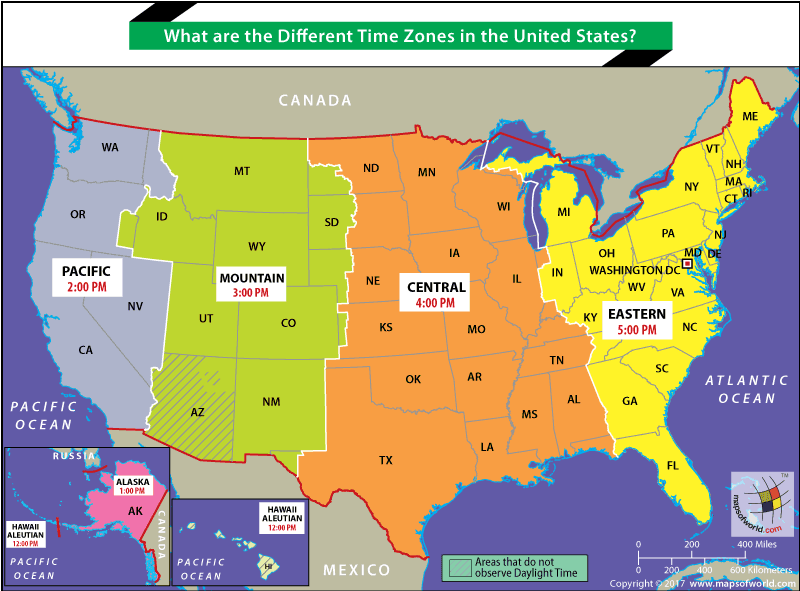
This guide will not only confirm New Orleans’ place in the Central Time Zone but also explore why this knowledge is vital for any visitor. We’ll dive into how time zone awareness impacts your travel plans, from arriving refreshed to optimizing your schedule for sightseeing and nightlife. Beyond the clock, we’ll journey through the captivating allure of New Orleans itself, exploring its iconic landmarks, world-renowned culinary scene, and diverse accommodation options that cater to every taste and budget. Prepare to discover how this unique city, set against the backdrop of the Mississippi River, offers a travel experience unlike any other, all while operating precisely on Central Time.
Navigating Time: Understanding the Central Time Zone and its Travel Implications
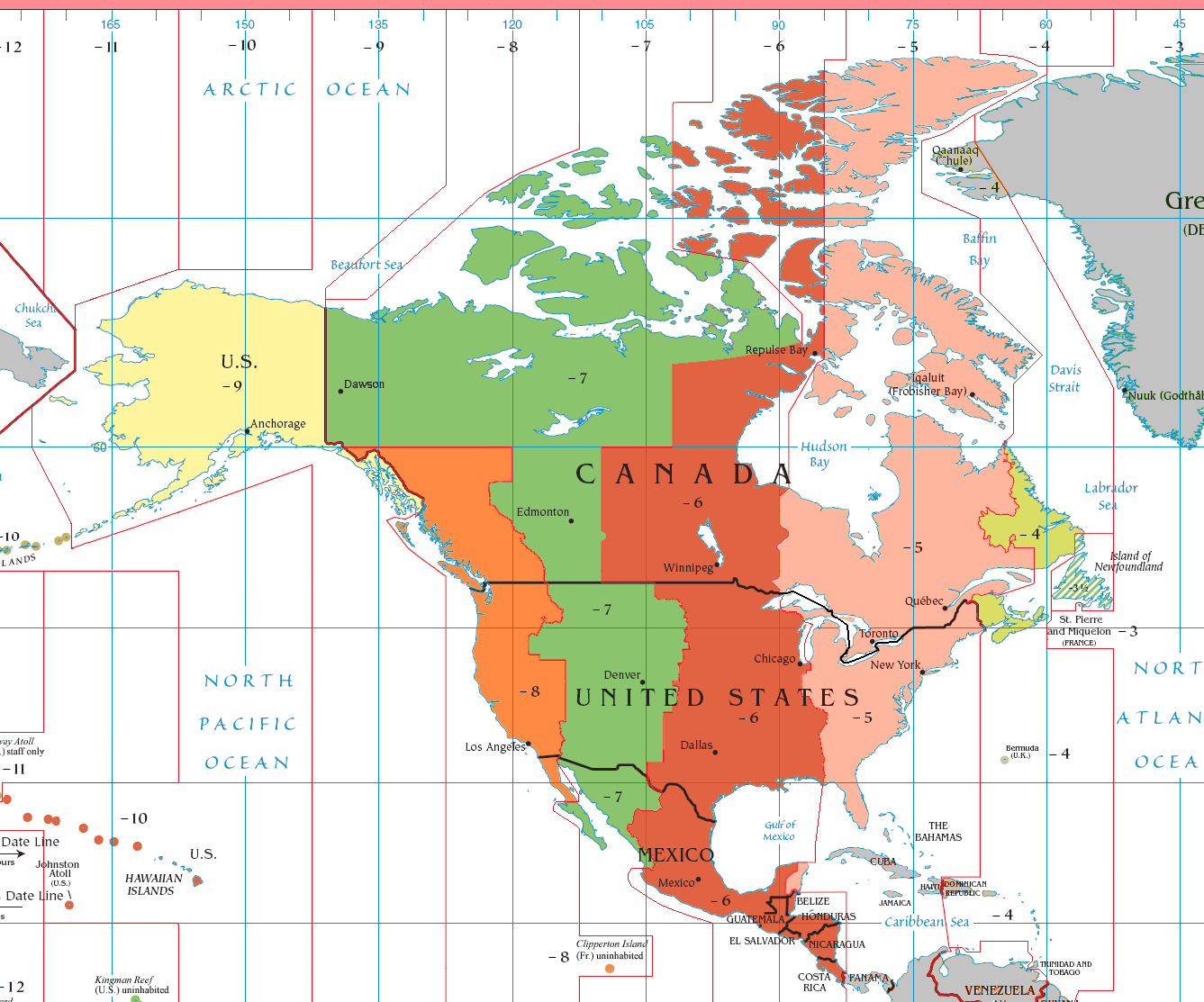
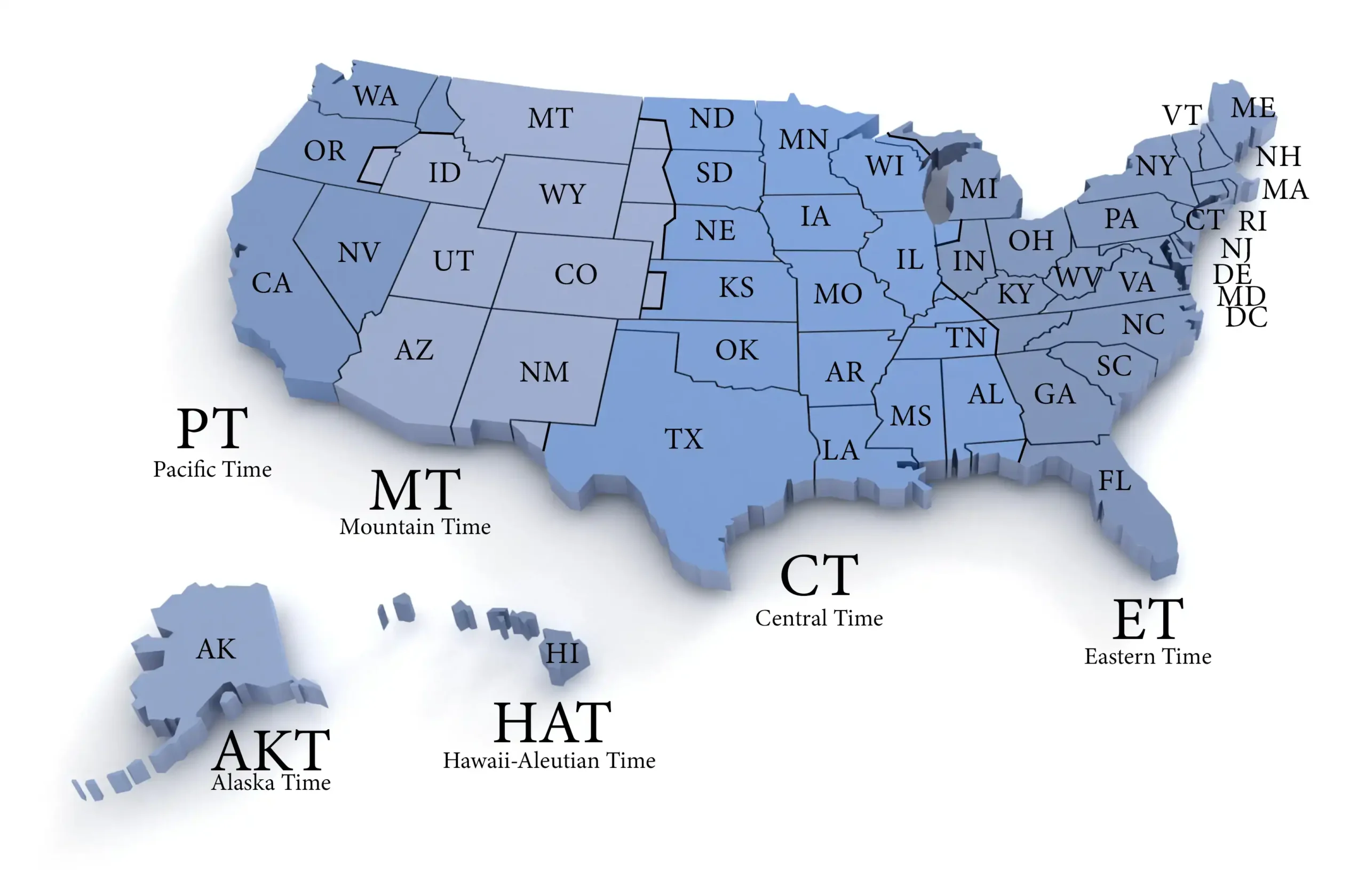
The Central Time Zone (CT) is one of the four primary time zones observed in the contiguous United States. It generally follows Coordinated Universal Time (UTC) minus six hours (UTC-6). However, like most areas in the United States, New Orleans also observes Daylight Saving Time (DST). During DST, which typically runs from early March to early November, clocks are moved forward one hour, meaning New Orleans operates at UTC-5. This shift is crucial for travelers to remember, as it can affect arrival and departure times, as well as the opening hours of attractions and events.
For any globetrotter or domestic tourist, understanding time zones is paramount to a successful trip. Imagine missing a flight because you miscalculated the time difference, or showing up for a swamp tour an hour late. Such mishaps can easily derail a meticulously planned itinerary. When traveling to New Orleans from the Eastern Time Zone, you’ll gain an hour, offering a pleasant bonus to your arrival day. Conversely, those arriving from the Mountain Time Zone will lose an hour, and from the Pacific Time Zone, two hours. This seemingly minor detail can significantly impact jet lag, necessitating some adjustment time upon arrival.
Beyond personal comfort, time zone awareness directly influences practical aspects of travel and tourism. Flight booking platforms, train schedules, and bus services will all display times based on the local time zone. When making hotel reservations or booking tours, confirming the local time helps ensure accuracy. For business travelers, maintaining communication with colleagues or clients in different time zones becomes a strategic consideration. Even leisurely activities like dinner reservations at a sought-after French Quarter restaurant or securing tickets for a live jazz performance require a firm grasp of the local clock. By recognizing that New Orleans is on Central Time, visitors can plan their schedules with precision, minimize stress, and fully embrace every moment of their Crescent City experience.
New Orleans: A Hub of Culture, Cuisine, and Unforgettable Experiences
Beyond its time zone, New Orleans stands as a beacon of unique American culture, a vibrant tapestry woven with threads of French, Spanish, African, and Caribbean influences. This dynamic city offers an unparalleled array of travel experiences, drawing visitors from across the globe with its soulful music, legendary festivals, historic architecture, and a culinary scene that tantalizes every palate. From the moment you step foot in New Orleans, you are enveloped in an atmosphere of celebration, history, and profound individuality. It’s a destination that promises adventure, relaxation, and a deep dive into traditions that are passionately preserved and celebrated.
Iconic Landmarks and Attractions
The allure of New Orleans is inseparable from its iconic landmarks, each telling a story of the city’s rich past and vibrant present. The most famous of these is undoubtedly the French Quarter, also known as the Vieux Carré. Its narrow streets are lined with historic Creole townhouses, ornate cast-iron balconies, and gas-lit lanterns that evoke a bygone era. At its heart lies Jackson Square, a bustling park framed by street artists, musicians, and fortune tellers. Dominating the square is the majestic St. Louis Cathedral, one of the oldest continually active cathedrals in the United States, its white spires an unmistakable beacon.
A short stroll from Jackson Square brings you to the world-renowned Café Du Monde, an essential stop for its iconic beignets and café au lait, open 24/7 (a prime example where time zones are less critical!). Further into the French Quarter is Bourbon Street, a legendary thoroughfare known for its lively bars, live music venues, and boisterous nightlife that stretches well into the early hours of the Central Time morning. Beyond the French Quarter, the elegant Garden District beckons with its stately mansions and lush gardens, easily explored via a charming streetcar ride. For nature lovers, Audubon Park and City Park, home to the New Orleans Museum of Art and an ancient oak grove, offer serene escapes. Don’t forget a scenic steamboat cruise on the Mississippi River to appreciate the city’s historic waterfront from a different perspective. Each of these landmarks offers a unique window into the soul of New Orleans, promising memorable experiences for every type of traveler.
Culinary Delights and Vibrant Nightlife
New Orleans’ reputation as a culinary powerhouse is well-deserved, offering a gastronomic journey unlike any other. The city’s cuisine is a rich fusion of Creole and Cajun influences, characterized by bold flavors, fresh seafood, and heartwarming comfort food. Signature dishes like Gumbo, a savory stew often made with seafood or sausage, and Jambalaya, a flavorful rice dish, are must-tries. Po’boys, hearty sandwiches piled high with fried shrimp, oysters, or roast beef, offer a taste of local street food culture, while the sweet, powdery beignets from Café Du Monde provide the perfect sugary indulgence. Fine dining establishments showcase elevated interpretations of these classics, alongside innovative contemporary dishes. From casual eateries to world-renowned restaurants like Commander’s Palace and Galatoire’s, the dining scene in New Orleans is an adventure in itself, with many establishments requiring advance reservations – another instance where being mindful of the Central Time Zone is key.
As the sun sets over the Crescent City, New Orleans truly comes alive. The city’s nightlife is synonymous with its incredible music scene, particularly jazz. Live music spills out from countless venues, ranging from intimate jazz clubs on Frenchmen Street to the lively brass bands on Bourbon Street. Visitors can enjoy blues, funk, and R&B in historic halls or contemporary lounges. The city’s vibrant bar scene caters to all tastes, from elegant cocktail lounges serving classic Sazeracs and Hurricanes to dive bars brimming with local character. This energetic nightlife is a cornerstone of the New Orleans experience, with many performances starting late into the evening, making a clear understanding of the Central Time Zone essential for planning your entertainment and ensuring you don’t miss a beat.
Lifestyle and Travel Experiences
New Orleans caters to a diverse range of lifestyles and travel preferences, offering everything from luxury escapes to budget-friendly adventures, memorable family trips, and productive business stays. For those seeking luxury travel, the city boasts opulent hotels, exclusive dining experiences, and bespoke tours that delve into its art and history. Imagine staying in a historic mansion in the Garden District or a premium suite overlooking the French Quarter, indulging in gourmet Creole cuisine, and enjoying private jazz performances. The city also excels at providing budget travel options, with numerous hostels, affordable guesthouses, and a wealth of free attractions like strolling through historic neighborhoods or enjoying street performers in Jackson Square. Public transportation, including the iconic streetcars, makes navigating the city economical and charming.
Family trips to New Orleans can be incredibly enriching, with attractions like the Audubon Aquarium of the Americas, the Audubon Zoo, and engaging historical tours designed for all ages. Educational experiences abound, from exploring the city’s unique ecosystems on a swamp tour to learning about its rich musical heritage. For business stays, New Orleans combines professional conference facilities with enticing after-hours entertainment and networking opportunities. The city’s unique vibe ensures that even business trips feel less like work and more like an immersive cultural experience. Throughout all these travel styles, the city’s inherent joyous spirit, its “laissez les bons temps rouler” (let the good times roll) philosophy, permeates every interaction, making every visit a memorable chapter in a traveler’s journey, deeply connected to its Central Time Zone rhythm.
Accommodation in the Crescent City: From Historic Hotels to Modern Stays
New Orleans offers an exceptionally diverse range of accommodation options, catering to every style, budget, and preference. From grand historic hotels that exude old-world charm to modern boutique stays with cutting-edge amenities, finding the perfect place to rest your head is an integral part of the travel experience. The choices are as varied and distinctive as the city itself, allowing visitors to tailor their stay to perfectly complement their desired lifestyle and exploration plans.
In the heart of the French Quarter, travelers can immerse themselves in history by choosing a stay in one of its iconic hotels. Establishments like the historic Hotel Monteleone, with its famous Carousel Bar, or the elegant Omni Royal Orleans Hotel offer classic luxury and immediate access to the city’s most famous attractions. These properties often boast exquisite architecture, spacious suites, and amenities such as rooftop pools offering stunning views, and fine dining restaurants serving local delicacies. Staying within the French Quarter means you’re just steps away from live music, renowned eateries, and the vibrant street life that never truly sleeps, making your exploration of New Orleans effortlessly convenient, all operating on Central Time.
Beyond the French Quarter, other neighborhoods present their own unique appeal. The Central Business District (CBD), adjacent to the French Quarter, is home to a range of upscale hotels and modern resorts, many offering a more contemporary feel and often catering to both leisure and business travelers. The magnificent Waldorf Astoria Roosevelt New Orleans (formerly Roosevelt Hotel New Orleans), for instance, combines historic grandeur with luxurious services. These areas often provide easy access to the Mercedes-Benz Superdome and the city’s convention center. For a more serene and picturesque experience, boutique hotels and charming bed & breakfasts in the Garden District offer a tranquil retreat amidst stunning antebellum mansions and lush greenery.
For those seeking more flexibility or a longer-term stay, serviced apartments and villas are increasingly popular. These accommodations provide the comforts of home, including fully equipped kitchens and laundry facilities, ideal for families or groups. When booking any accommodation, it’s always advisable to read reviews, compare prices, and check for specific amenities that might enhance your trip, such as pet-friendly policies, fitness centers, or complimentary breakfast. The location, proximity to public transport, and specific attractions are also key considerations, ensuring your chosen stay aligns perfectly with your New Orleans itinerary and allows you to make the most of every precious Central Time Zone moment.
Planning Your New Orleans Trip: Time Zone Considerations and Beyond
A successful trip to New Orleans requires careful planning, and at the heart of that planning is a clear understanding of its place in the Central Time Zone. While the time zone itself is fixed, its implications for your travel experience are fluid and far-reaching. By keeping CT in mind, you can proactively address potential challenges and unlock a smoother, more enjoyable visit to the Crescent City.
One of the most immediate practical considerations is managing the time difference if you’re traveling from another zone. Those arriving from the east might experience a beneficial “extra” hour, while travelers from the west may contend with minor jet lag. Adjusting your internal clock a day or two before departure can help, as can staying hydrated and trying to immediately sync with local New Orleans time upon arrival. Setting your watch to CT as soon as your plane lands will help you seamlessly transition into the city’s rhythm.
Beyond personal adjustment, always double-check the operating hours for attractions, museums, and restaurants, as these will be listed in local Central Time. Making reservations for popular dining spots or sought-after tours well in advance is highly recommended, especially during peak seasons like Mardi Gras or Jazz Fest. Confirming these times when booking will prevent any missed opportunities. Similarly, if you plan to communicate with friends, family, or colleagues back home, remember to factor in the time difference to avoid inconvenient calls or messages.
When considering the best time to visit, New Orleans offers charm year-round, though each season has its own appeal. Fall (October to November) and spring (March to May) generally offer the most pleasant weather, with comfortable temperatures ideal for exploring. Summer can be hot and humid, while winter brings cooler, milder days. Packing light layers is usually a good strategy, regardless of the season, given the city’s often unpredictable weather. Getting around New Orleans is easy with its walkable neighborhoods, historic streetcar lines, and ride-sharing services. Plan your transportation routes, keeping in mind that the streetcars run on a schedule, and local traffic can affect travel times. Ultimately, a well-planned trip, with the Central Time Zone as a consistent reference point, ensures you’re ready to embrace all the magic and spontaneity that New Orleans has to offer.
In conclusion, the answer to “Is New Orleans Central Time Zone?” is a resounding yes. This crucial piece of information serves as the foundation for planning an unforgettable journey to one of the United States’ most unique and captivating cities. From coordinating flights and hotel stays to making the most of its incredible landmarks, world-class cuisine, and vibrant nightlife, understanding Central Time is essential. New Orleans promises a travel experience brimming with culture, history, and unparalleled hospitality. So, set your clocks to Central Time, and prepare to let the good times roll in the magnificent Crescent City.
LifeOutOfTheBox is a participant in the Amazon Services LLC Associates Program, an affiliate advertising program designed to provide a means for sites to earn advertising fees by advertising and linking to Amazon.com. Amazon, the Amazon logo, AmazonSupply, and the AmazonSupply logo are trademarks of Amazon.com, Inc. or its affiliates. As an Amazon Associate we earn affiliate commissions from qualifying purchases.