
The question “How many people live in Detroit, Michigan?” transcends a simple numerical answer. It’s an inquiry into the pulse of a city defined by resilience, innovation, and a vibrant cultural tapestry. Detroit, often referred to as the “Motor City,” has experienced one of the most dynamic population shifts in modern United States history. From its industrial boom to its widely publicized decline and subsequent revitalization, the story of Detroit’s population is central to understanding its unique character, its travel appeal, and the myriad experiences it offers to visitors today.
For those planning a trip, considering relocation, or simply curious about urban dynamics, delving into Detroit’s demographic landscape reveals much more than just statistics. It illuminates the spirit of its neighborhoods, the diversity of its culinary scene, the breadth of its artistic expressions, and the evolving nature of its hospitality and accommodation sectors. Understanding the ebb and flow of its residents helps to paint a comprehensive picture of what it’s like to explore, live in, and invest in this iconic American city.

Detroit’s Population: A Snapshot and Historical Perspective
At its peak in 1950, Detroit boasted a population of nearly 1.85 million people, making it the fourth-largest city in the United States. This era was largely fueled by the burgeoning automotive industry, which drew waves of immigrants and migrants seeking economic opportunity. However, the latter half of the 20th century saw a dramatic decline, driven by factors such as deindustrialization, suburbanization, and social unrest. By the turn of the millennium, the population had significantly decreased, and it continued to fall for several decades.
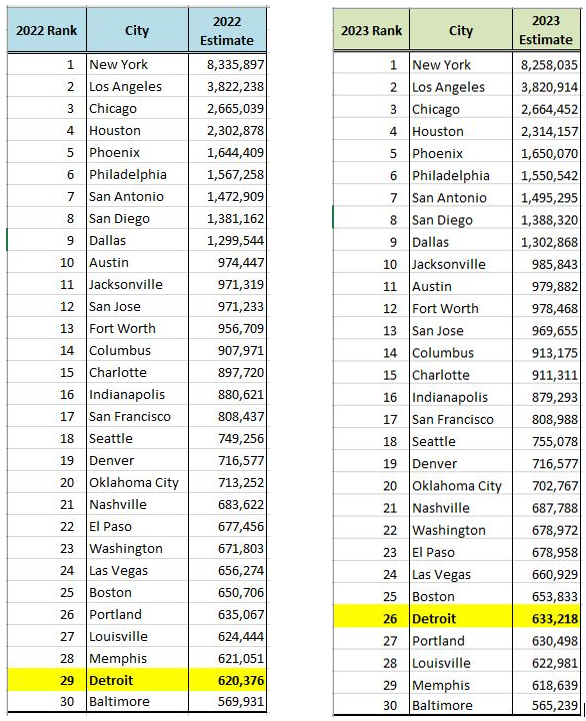
According to the most recent official data from the United States Census Bureau, the estimated population of Detroit, Michigan in 2023 hovers around 620,000 residents. While this figure is a considerable decrease from its mid-century peak, it represents a stabilization and, in some areas, a modest resurgence after years of steep decline. This current population figure places Detroit among the top 30 largest cities in the United States, a testament to its enduring significance and ongoing transformation. The metropolitan area, however, tells a different story, encompassing over 4.3 million people and indicating the region’s broader economic and social footprint.
Historical Context of Population Shifts
The story of Detroit’s population is intimately tied to pivotal moments in American history. The “Great Migration” of African Americans from the Southern United States in the early 20th century played a crucial role in shaping Detroit’s demographic profile, as people moved north for factory jobs and a better life. The city became a beacon of economic prosperity and cultural innovation, particularly for its burgeoning Black community, which gave birth to institutions like the Motown Museum.
Post-World War II, the rise of the suburbs and shifts in the global manufacturing landscape began to erode Detroit’s core industrial base. This led to significant outward migration, particularly of the middle class, leaving behind a city grappling with widespread economic hardship and vacant properties. The 2013 municipal bankruptcy, though a challenging period, marked a turning point. It catalyzed massive public and private investments aimed at revitalizing the Downtown Detroit area and key neighborhoods, drawing new residents, businesses, and visitors back to the city.
Current Demographics and Diversity
Today, Detroit is a highly diverse city, though its demographic composition has evolved significantly. African Americans constitute the majority of the population, reflecting the city’s rich history and cultural heritage. However, there’s a growing influx of young professionals, artists, and entrepreneurs of various backgrounds, particularly in revitalized areas like Midtown, Corktown, and Downtown Detroit.
The city also boasts a notable Hispanic population, particularly centered in vibrant areas like Mexican Town, and a smaller but significant Arab American community in neighboring Dearborn. This tapestry of cultures enriches Detroit’s social fabric, influencing its culinary scene, its festivals, and its overall lifestyle. For travelers, this means an opportunity to experience a truly multicultural urban environment, from authentic taquerias to historic jazz clubs and contemporary art galleries.
The Impact of Population on Detroit’s Urban Landscape and Tourism
The fluctuating population figures of Detroit have profoundly shaped its urban landscape and its trajectory as a tourist destination. The periods of decline left behind a legacy of abandoned buildings and vast tracts of vacant land, which, while challenging, have also provided unique opportunities for urban planners, artists, and developers to reimagine the city. The current revitalization efforts are not just about rebuilding; they are about fostering a sustainable urban environment that attracts both residents and visitors.
Urban Renewal and Neighborhood Transformation
One of the most compelling aspects of modern Detroit is the ongoing urban renewal. Downtown Detroit and Midtown have seen extensive redevelopment, with historic buildings being repurposed into modern apartments, boutique hotels, and vibrant retail spaces. Areas like Campus Martius Park have become central gathering places, hosting events year-round, from summer concerts to ice skating in winter. The Detroit Riverwalk has transformed miles of industrial waterfront into a picturesque promenade, offering stunning views of the Detroit skyline and Windsor, Ontario, Canada.
Neighborhoods such as Corktown, the city’s oldest surviving neighborhood, are experiencing a renaissance, blending historic charm with new restaurants, bars, and creative businesses. This transformation isn’t just cosmetic; it’s about creating livable, walkable communities that attract new residents and enhance the experience for tourists who want to delve deeper into the city’s character beyond the main attractions. These renewed areas offer a compelling narrative of rebirth, making Detroit a fascinating case study in urban resilience.
Cultural Fabric and Lifestyle
The demographic shifts have also influenced Detroit’s unique cultural fabric and lifestyle. The city’s sparse population relative to its vast land area gives it a distinct feel – a blend of urban grit and surprising expansiveness. This has fostered a strong sense of community and a fertile ground for artistic expression, from the street art that adorns many buildings to its world-renowned music scene.
Detroit’s lifestyle is characterized by a strong work ethic, a deep appreciation for its history, and a forward-looking spirit. It’s a city where innovation is celebrated, whether in technology, the arts, or social entrepreneurship. The cost of living, while rising in popular areas, remains relatively affordable compared to other major United States cities, making it an attractive place for those seeking a vibrant urban experience without the exorbitant price tag. This affordability extends to travel, offering diverse options for budget travelers and luxury seekers alike.
Exploring Detroit: Attractions, Accommodation, and Experiences

Despite its population challenges, Detroit has always been a city of immense cultural significance, and its offerings for travelers are more robust than ever. The evolving demographics have brought new energy, complementing its historic landmarks with contemporary attractions and a burgeoning hospitality industry.
Must-Visit Landmarks and Attractions
No visit to Detroit is complete without experiencing its iconic landmarks. The Motown Museum, located in Berry Gordy’s original Hitsville U.S.A. house, is a pilgrimage site for music lovers, offering a nostalgic journey through the birth of the Motown Sound. The Detroit Institute of Arts (DIA) houses an encyclopedic collection, including Diego Rivera’s magnificent Detroit Industry Murals, which depict the city’s industrial might.
For history buffs, the Henry Ford Museum and Greenfield Village in nearby Dearborn offer an immersive look at American innovation, from classic cars to the workshop of Henry Ford himself. Architectural enthusiasts will marvel at structures like the art deco masterpieces of the Guardian Building and Fisher Building. Sports fans can catch a game at Ford Field (NFL’s Lions), Comerica Park (MLB’s Tigers), or Little Caesars Arena (NHL’s Red Wings and NBA’s Pistons).
Beyond these, explore the vibrant stalls of Eastern Market, stroll through the elegant streets of Indian Village with its historic homes, or enjoy the natural beauty and attractions on Belle Isle Park, an urban oasis designed by Frederick Law Olmsted. For entertainment, the historic Fox Theatre continues to host major concerts and shows.
Accommodation Options for Every Traveler
The revitalization of Detroit has led to a significant expansion and upgrade of its accommodation options. Whether you’re seeking luxury, boutique charm, or budget-friendly stays, Detroit has something to offer.
- Luxury & Boutique Hotels: Downtown Detroit and Midtown are home to several exquisite properties. The Shinola Hotel offers a blend of luxury and local craftsmanship. The Foundation Hotel, housed in a former fire department headquarters, provides a unique and stylish experience. For a taste of historic grandeur, The Detroit Club offers exclusive accommodations.
- Business & Modern Stays: The iconic Detroit Marriott at the Renaissance Center within the Renaissance Center complex provides stunning river views and extensive amenities, ideal for business travelers. Many other well-known hotel chains have properties across Downtown Detroit and New Center.
- Budget-Friendly & Unique Options: Beyond the major hotels, travelers can find numerous budget-friendly options, including well-regarded motels on the city’s outskirts or guesthouses in emerging neighborhoods. Vacation rentals through platforms like Airbnb are also popular, offering a chance to experience life like a local in areas like Corktown or Midtown. The Trumbull and Porter Hotel in Corktown offers a contemporary, artsy vibe often at a more accessible price point.
Culinary Delights and Local Experiences
Detroit’s diverse population has cultivated a vibrant and eclectic food scene. No visit is complete without trying a classic Detroit Coney dog – a hot dog topped with a hearty, savory chili, onions, and mustard, famously served at rivals Lafayette and American Coney Island. And, of course, Detroit-style pizza, with its thick, chewy crust and caramelized cheese edges, is a must-try.
Beyond these staples, the city offers a wealth of ethnic cuisine, from the authentic Mexican restaurants in Mexican Town to the lively tavernas of Greektown, where visitors can enjoy saganaki and ouzo. The fine dining scene has also blossomed, with award-winning chefs establishing innovative restaurants in Downtown Detroit and Midtown.
Culturally, Detroit constantly buzzes with events. The Detroit Jazz Festival in September is a world-class event, while the Movement Electronic Music Festival draws thousands to Hart Plaza over Memorial Day weekend. The North American International Auto Show continues to be a major draw, showcasing the latest automotive innovations.
Planning Your Visit to the Motor City
Navigating Detroit has become increasingly easy, with improvements in infrastructure and public transportation catering to both residents and tourists.
Getting Around Detroit
While Detroit is a sprawling city, its core areas are quite manageable. The Downtown Detroit area is walkable, especially around Campus Martius Park and the Detroit Riverwalk. For wider exploration, the Detroit People Mover is an elevated rail system that circles Downtown Detroit, connecting major attractions like the Renaissance Center, Greektown, and Grand Circus Park.
The QLINE, a modern streetcar system, runs along Woodward Avenue, connecting Downtown Detroit, Midtown (home to Wayne State University and College for Creative Studies), and New Center, making it easy to access the DIA, Motown Museum, and major sports venues. Ride-sharing services are readily available, and for those venturing further, renting a car is often recommended to explore the wider metropolitan area and its surrounding suburbs.
Best Times to Visit
Detroit experiences four distinct seasons. Summer (June to August) is popular for outdoor activities, festivals, and sporting events, with warm temperatures perfect for enjoying the Detroit Riverwalk and Belle Isle Park. Fall (September to November) brings comfortable weather and beautiful foliage, making it ideal for exploring neighborhoods and enjoying the city’s cultural scene, including the Detroit Jazz Festival.
Winter (December to February) can be cold and snowy, but it also offers unique experiences like ice skating at Campus Martius Park and festive holiday events. Spring (March to May) sees the city awakening with blooming flowers and the start of baseball season, providing a pleasant time to visit before the peak summer crowds.
In conclusion, while the number of people living in Detroit, Michigan may be less than its mid-20th-century zenith, the city’s current population reflects a dynamic and resilient urban center. This population, characterized by its diversity and community spirit, is at the heart of Detroit’s compelling transformation. For travelers, this means a city rich in history, brimming with cultural attractions, and offering a wide array of accommodation and lifestyle experiences. Detroit is not just a destination to visit; it’s a living, breathing narrative of American grit and renewal, waiting to be explored.
LifeOutOfTheBox is a participant in the Amazon Services LLC Associates Program, an affiliate advertising program designed to provide a means for sites to earn advertising fees by advertising and linking to Amazon.com. Amazon, the Amazon logo, AmazonSupply, and the AmazonSupply logo are trademarks of Amazon.com, Inc. or its affiliates. As an Amazon Associate we earn affiliate commissions from qualifying purchases.