
Austin, the vibrant capital city of Texas, operates within the Central Time Zone (CT). This crucial piece of information is essential for anyone planning a visit, conducting business, or simply interacting with this dynamic city. As with most regions observing a standardized time, Austin adheres to Daylight Saving Time (DST), meaning its specific offset from Coordinated Universal Time (UTC) shifts throughout the year.
During the standard period, typically from early November to mid-March, Austin is on Central Standard Time (CST), which is UTC-6. When Daylight Saving Time is in effect, from mid-March to early November, the clocks spring forward, placing Austin on Central Daylight Time (CDT), which is UTC-5. This distinction is vital for ensuring accurate scheduling, whether it’s for flights, hotel check-ins, business meetings, or reservations at one of Austin’s acclaimed restaurants. Understanding Austin’s time zone is the first step in planning a seamless and enjoyable experience in the heart of the Lone Star State.
Understanding Time Zones and Austin’s Place in It
Navigating travel and business across different regions of the United States often requires a keen awareness of time zones. For Austin, being firmly planted in the Central Time Zone, this means a direct impact on how visitors and residents organize their days, communicate with others, and experience daily life.
The Central Time Zone Explained
The Central Time Zone is one of the four primary time zones in the contiguous United States, encompassing a broad swathe of states from the Gulf Coast to the Great Lakes region. Beyond Texas, states such as Illinois, Missouri, Louisiana, Oklahoma, and parts of others fall within CT. It also extends into significant portions of Canada and Mexico.
The biannual shift to and from Daylight Saving Time is a standard practice in Austin and the entire Central Time Zone. The purpose of DST is to make better use of daylight, traditionally by moving clocks forward an hour in the spring to extend evening daylight and backward in the fall to return to standard time. This change means that for approximately eight months of the year, Austin operates on CDT (UTC-5), and for the remaining four months, it observes CST (UTC-6). Travelers arriving from regions that do not observe DST or are in different time zones must adjust their internal clocks and schedules accordingly to avoid confusion.
Impact on Travel and Business in Austin
For travelers, understanding Austin’s time zone is paramount. A flight from New York City (Eastern Time Zone) will arrive two hours earlier on the clock than its departure time suggests, while a journey from Los Angeles (Pacific Time Zone) will mean moving the clock forward two hours upon arrival. This time difference affects not just flight schedules but also connecting flights, ground transportation, and pre-booked activities.
Business visitors will find that conference calls and meetings with partners on the East Coast require careful coordination, often starting earlier in Austin to accommodate Eastern Time Zone schedules. Similarly, engaging with businesses on the West Coast means evening calls might be necessary. Financial markets, customer service operations, and logistics all hinge on precise timekeeping, making Austin’s CT status a daily consideration for its thriving business community. It also plays a role in the city’s appeal for companies looking to establish a central hub that can effectively serve both coasts.
Exploring Austin: A Vibrant Destination Beyond Its Time Zone
While understanding the time zone is a practical necessity, it’s the unique charm and dynamic energy of Austin that truly captivate visitors. Known as the “Live Music Capital of the World,” Austin offers an unparalleled blend of cultural experiences, outdoor adventures, and culinary delights that cater to every taste and lifestyle, from luxury travelers to budget-conscious explorers.
Iconic Landmarks and Cultural Hotspots
Austin’s landscape is dotted with historical landmarks and contemporary cultural hubs, reflecting its rich Texas heritage and its modern, progressive spirit. One of the most prominent is the magnificent Texas State Capitol, a striking architectural marvel that stands taller than the U.S. Capitol building. Visitors can explore its grand halls, learn about Texas history, and admire the detailed craftsmanship.
For outdoor enthusiasts, Lady Bird Lake, part of the Colorado River, offers a serene escape right in the heart of the city. Kayaking, paddleboarding, and canoeing are popular activities, and the scenic Ann and Roy Butler Hike-and-Bike Trail that loops around the lake is perfect for walking, jogging, or cycling, providing stunning views of the skyline. Adjacent to the lake, Zilker Metropolitan Park is an expansive urban oasis, home to Barton Springs Pool – a three-acre natural spring-fed swimming pool with a refreshing year-round temperature. It’s a beloved spot for locals and tourists alike, offering a unique natural swimming experience.
Austin’s cultural pulse beats strongly along South Congress Avenue, affectionately known as SoCo. This eclectic strip is famous for its independent boutiques, vintage shops, vibrant murals, food trucks, and a constant stream of live music. It’s an ideal place to soak in the “Keep Austin Weird” ethos. When night falls, the legendary Sixth Street transforms into a bustling entertainment district, brimming with bars, clubs, and live music venues that cater to all genres. For a slightly more sophisticated nightlife experience, Rainey Street offers charming bungalow-style bars with outdoor patios and a relaxed atmosphere.
The intellectual heart of the city lies with the University of Texas at Austin (UT Austin), whose campus is a landmark in itself, featuring impressive architecture and a vibrant collegiate atmosphere. Nearby, visitors can explore significant museums like the Bullock Texas State History Museum, which delves into the stories of Texas from prehistory to the present, and the Blanton Museum of Art, renowned for its diverse collection of contemporary, Latin American, and European art. For breathtaking panoramic views of the city skyline and the surrounding Texas Hill Country, a visit to Mount Bonnell is a must, especially around sunset.
Culinary Delights and Entertainment
Austin’s culinary scene is as diverse and dynamic as its music. It has garnered international acclaim for its barbecue, particularly from iconic establishments like Franklin Barbecue, where patrons famously queue for hours for a taste of its legendary brisket. Beyond BBQ, Austin boasts an incredible array of Tex-Mex restaurants, serving up authentic tacos, enchiladas, and margaritas. The city’s food truck culture is also legendary, offering everything from gourmet hot dogs and Korean fusion to vegan delights, providing an affordable and adventurous dining experience.

As the “Live Music Capital of the World,” entertainment is woven into the fabric of daily life. From intimate clubs to large outdoor arenas, there’s always a live performance happening. Major music festivals like South by Southwest (SXSW) and Austin City Limits draw global audiences, showcasing talent from across the musical spectrum. Evenings can be spent enjoying a drink on a patio, listening to a local band, or catching a performance at one of the many theaters. Another quintessential Austin experience is watching the world’s largest urban bat colony emerge from under the Congress Avenue Bridge at dusk during warmer months – a truly unique natural spectacle. This vibrant ecosystem of food, music, and unique experiences makes Austin a compelling destination for any traveler.
Planning Your Stay: Accommodation and Lifestyle in Austin
When visiting Austin, finding the right accommodation is key to an unforgettable experience. The city offers a wide array of options, catering to various preferences and budgets, from opulent luxury resorts to charming boutique hotels and practical long-term stay apartments. The lifestyle in Austin itself is a major draw, characterized by its outdoor activities, thriving social scene, and a laid-back yet innovative spirit.
Top Hotels and Unique Stays
For those seeking luxury and historical elegance, the Driskill Hotel stands as an iconic landmark in downtown Austin. Opened in 1886, this grand establishment offers opulent rooms, fine dining, and a rich history. Other top-tier choices include the Four Seasons Hotel Austin, known for its prime location on Lady Bird Lake and exceptional service, and the W Austin, which combines modern design with a lively atmosphere, often hosting live music. The Kimpton Hotel Van Zandt offers a sophisticated stay in the vibrant Rainey Street Historic District, blending luxury with Austin’s musical heritage. A newer addition, The Loren at Lady Bird Lake, provides breathtaking views and upscale amenities, perfect for those desiring a chic and contemporary experience.
Boutique hotels are also a highlight, with the Hotel San José on South Congress Avenue offering a unique, minimalist, and serene escape with its lush courtyards and intimate feel. For business travelers or those seeking comfortable mid-range options, the Hyatt Regency Austin provides excellent amenities and a central location, while the Homewood Suites by Hilton Austin Downtown offers spacious suites ideal for extended stays or family trips, complete with kitchenettes and complimentary breakfast.
Beyond the city center, for a truly indulgent and wellness-focused experience, the Miraval Austin Resort & Spa nestled in the Texas Hill Country offers a tranquil retreat. It provides a luxurious escape with a focus on mindfulness, spa treatments, and outdoor activities, appealing to those seeking a break from the hustle and bustle. When selecting accommodation, consider the type of experience you desire: proximity to nightlife, lakeside serenity, historic charm, or a wellness retreat, as Austin truly has it all. Reviews and comparison tools on our website can help you make the best booking decisions.
Navigating Austin: Tips for Visitors
Planning your visit to Austin goes beyond just knowing the time zone. Here are some essential tips to enhance your experience:
- Best Time to Visit: Spring (March to May) and Fall (September to November) offer the most pleasant weather, with comfortable temperatures ideal for outdoor activities and attending festivals. Summers can be intensely hot, though many establishments offer air-conditioned relief and Barton Springs Pool provides a natural cool-down.
- Transportation: While downtown Austin is walkable, and ride-sharing services, electric scooters, and public transport are available, a rental car is often recommended for exploring areas further afield, such as the Hill Country or attractions like Lake Travis. Be mindful of traffic, which can be heavy during peak hours.
- Booking in Advance: Especially if you plan to visit during major events like SXSW, Austin City Limits, or Formula 1 races, securing flights, accommodations, and even popular restaurant reservations several months ahead is crucial. The demand for suites, apartments, and resort rooms skyrockets during these times.
- Embrace the Culture: Austin thrives on its unique, independent spirit. Engage with local businesses, explore the diverse food truck scene, and seek out live music performances in lesser-known venues. Don’t be afraid to strike up conversations with locals; their insights can lead to hidden gems.
- Packing Essentials: Comfortable walking shoes are a must. Dress in layers, as temperatures can fluctuate, and always carry sunscreen and a hat, especially if you plan to spend time outdoors. Hydration is key, particularly in the warmer months.
Whether you’re visiting for a quick business trip, a family vacation, or a long-term stay to soak in the vibrant lifestyle, Austin promises an experience that is as memorable as it is unique.
Time Zones Across Texas and the USA
While Austin and the majority of Texas proudly reside in the Central Time Zone, it’s important to recognize that the vast expanse of the United States necessitates multiple time zones to ensure consistency and practicality for its diverse geography. Even within Texas itself, there’s a subtle but significant time zone division.
Texas’s Dual Time Zones
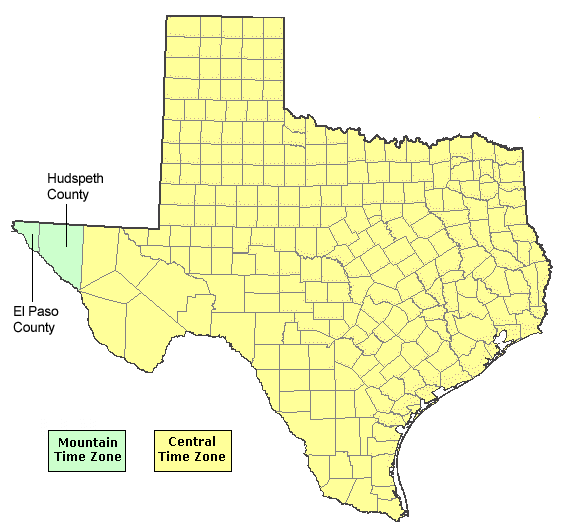
A common misconception is that the entire state of Texas observes Central Time. While this is true for the vast majority of its landmass and population centers like Houston, Dallas, San Antonio, and, of course, Austin, a small but notable portion of West Texas operates on the Mountain Time Zone (MT).
Specifically, the city of El Paso and its surrounding Hudspeth County observe Mountain Time, making them one hour behind the rest of the state. This historical division stems from their geographic proximity to New Mexico and other Mountain Time states, and it’s a critical detail for anyone traveling across the breadth of Texas or conducting business with entities in this far western region. Ignoring this detail could lead to missed appointments or confusion, underscoring the importance of verifying local time, even within the same state.
A Look at Major US Time Zones
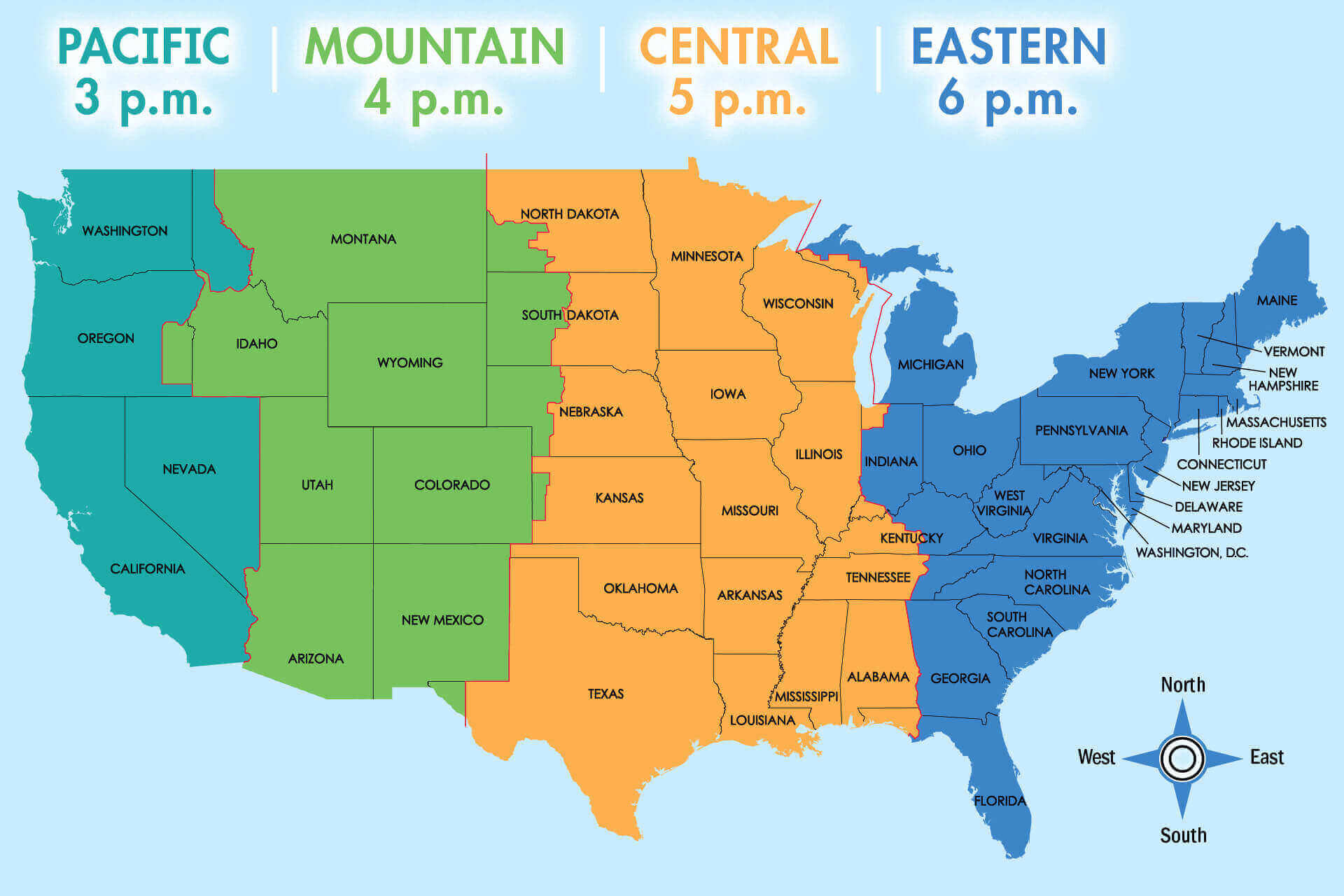
Beyond Texas’s unique situation, the United States is broadly divided into several official time zones for its contiguous states, plus additional zones for Alaska and Hawaii. These are:
- Eastern Time Zone (ET): Covering the East Coast and extending inland, this is the most populous time zone, home to major cities like New York City, Washington D.C., and Miami. It is UTC-5 during standard time (EST) and UTC-4 during Daylight Saving Time (EDT).
- Central Time Zone (CT): One hour behind ET, this zone includes Austin and the heartland of the US. It is UTC-6 during standard time (CST) and UTC-5 during Daylight Saving Time (CDT).
- Mountain Time Zone (MT): One hour behind CT, this zone encompasses states like Colorado, Arizona (which largely does not observe DST), and parts of Texas. It is UTC-7 during standard time (MST) and UTC-6 during Daylight Saving Time (MDT).
- Pacific Time Zone (PT): Two hours behind CT, covering the West Coast states such as California, Oregon, and Washington. It is UTC-8 during standard time (PST) and UTC-7 during Daylight Saving Time (PDT).
- Alaska Time Zone (AKT): Three hours behind CT (UTC-9 standard, UTC-8 DST).
- Hawaii-Aleutian Time Zone (HST): Five hours behind CT (or four hours during DST as Hawaii does not observe Daylight Saving Time). It remains at UTC-10 year-round.
This multi-zone system ensures that daylight hours are optimally utilized and daily routines are aligned across the country, though it demands careful attention from travelers and businesses to prevent scheduling errors.
In conclusion, knowing that Austin, Texas, observes the Central Time Zone – shifting between CST and CDT – is fundamental for any trip or interaction. Beyond the practicalities of time, Austin offers a rich tapestry of cultural experiences, vibrant nightlife, culinary adventures, and diverse accommodation options that cater to every traveler’s desires. From exploring historic landmarks and enjoying world-class live music to indulging in delicious Tex-Mex and barbecue, Austin truly is a destination worth experiencing, perfectly blending its proud Texas heritage with a modern, innovative, and decidedly “weird” charm.
LifeOutOfTheBox is a participant in the Amazon Services LLC Associates Program, an affiliate advertising program designed to provide a means for sites to earn advertising fees by advertising and linking to Amazon.com. Amazon, the Amazon logo, AmazonSupply, and the AmazonSupply logo are trademarks of Amazon.com, Inc. or its affiliates. As an Amazon Associate we earn affiliate commissions from qualifying purchases.