
The world of television, much like the world of travel, has an extraordinary way of drawing us in, making us feel connected to places and characters we’ve never physically encountered. For millions of viewers worldwide, the hit NBC drama Chicago Fire has transformed the bustling metropolis of Chicago into a familiar landscape, a backdrop for heroism, camaraderie, and profound loss. Among the many indelible characters to grace the screens of Chicago Fire, Firefighter Brian “Otis” Zvonecek, portrayed with endearing charm and wit by Yuri Sardarov, held a special place in the hearts of fans. His journey from an eager candidate to a vital member of Firehouse 51 was a testament to the show’s ability to develop nuanced, relatable characters.

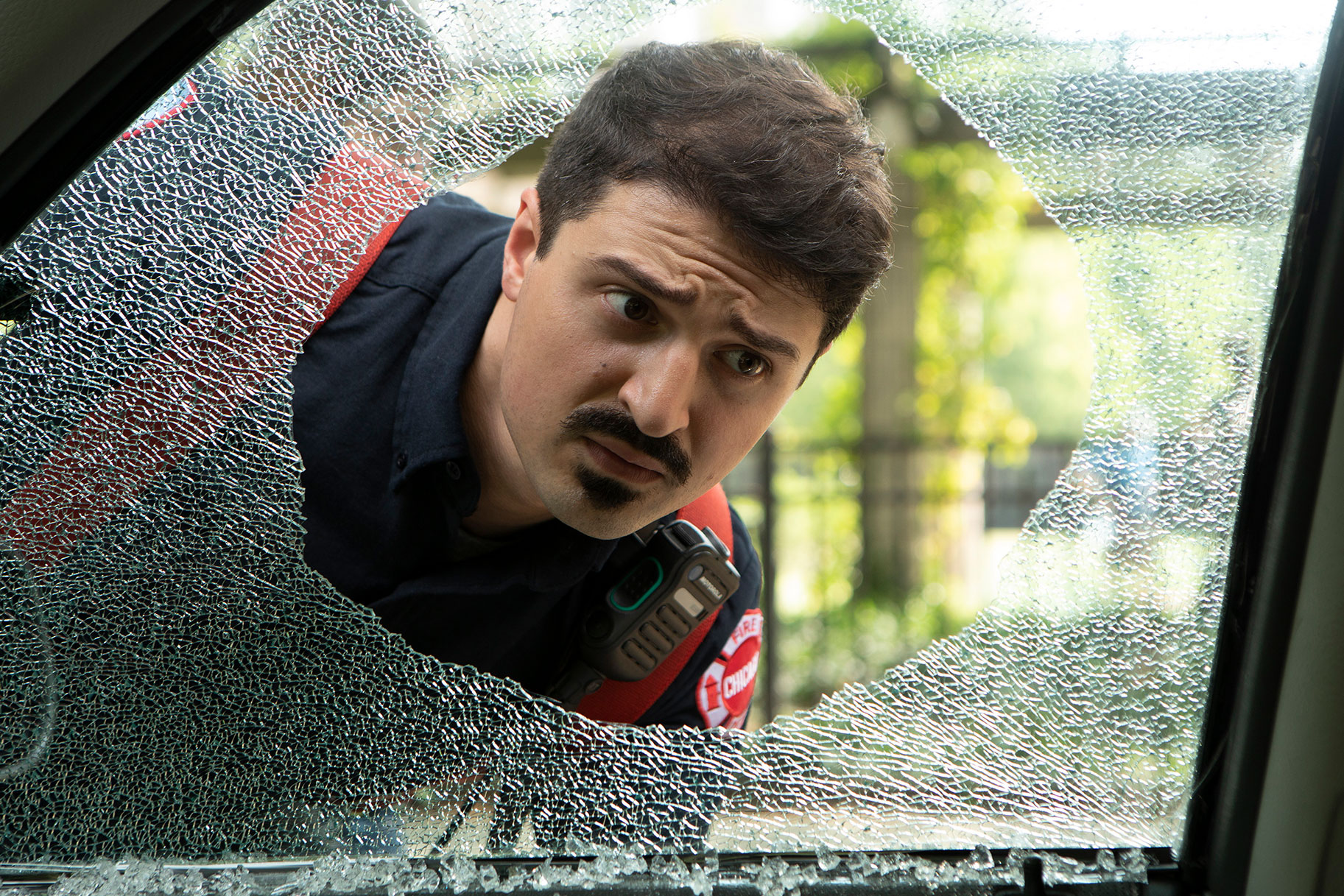
The question, “When does Otis die in Chicago Fire?” marks a pivotal and deeply emotional moment in the series’ history. Otis’s tragic death occurs in the Season 8 premiere episode, titled “Sacred Ground,” which aired on September 25, 2019. The episode depicted a massive mattress factory fire, an inferno of unprecedented scale that pushed the firefighters of Firehouse 51 to their absolute limits. In a heroic act of self-sacrifice, Otis was caught in a catastrophic backdraft explosion while attempting to extinguish the blaze alongside his team. Despite the valiant efforts of his colleagues to save him, Otis succumbed to his injuries at the hospital, leaving behind a devastated team and a heartbroken fanbase.
This particular storyline resonated deeply, not just because of the character’s popularity, but also because it starkly reminded viewers of the immense dangers faced by real-life first responders. While the passing of a beloved fictional character can be jarring, it often serves to underscore the perilous realities that inspire such narratives. For those who watch Chicago Fire, the vivid portrayal of Chicago’s emergency services, set against the backdrop of its iconic architecture and vibrant neighborhoods, transforms the city from a mere setting into an integral part of the storytelling. This connection often sparks an interest in visiting Chicago itself, turning it into a destination for fans eager to walk in the footsteps of their favorite heroes, making the tragic loss of Otis a somber yet powerful gateway to exploring the real Chicago that inspired such a compelling narrative.
The Enduring Legacy of Brian “Otis” Zvonecek and His Impact on Chicago’s Fictional and Real Landscapes
The death of Otis was more than just a plot twist; it was a defining moment for Chicago Fire, solidifying its commitment to portraying the harsh realities of firefighting. His legacy, however, extends beyond the emotional impact on the show’s characters and viewers. It subtly influences how fans perceive and engage with the city of Chicago, turning real-world landmarks into pilgrimage sites and enriching the travel experience for those drawn to the “One Chicago” universe.
A Hero’s Farewell: The Story Behind the Tragedy
The mattress factory fire depicted in “Sacred Ground” was one of the most intense and visually harrowing incidents ever shown on Chicago Fire. The decision to kill off a main character like Otis was not taken lightly by the show’s creators. Showrunner Derek Haas later explained that the choice was made to remind audiences that even on a long-running series, the stakes are real, and no one is truly safe in the dangerous profession of firefighting. Otis’s final moments, where he utters “I love you” in Russian to Joe Cruz, were particularly poignant, highlighting the deep fraternal bonds within Firehouse 51.
His death created a void that was felt throughout the season, leading to the creation of a memorial statue for Otis outside Firehouse 51, a fictional tribute that mirrors the real memorials often erected for fallen heroes. This narrative choice, while heartbreaking, served to ground the show in a sense of realism and honor the real firefighters whose lives are on the line every day. It also created a lasting emotional anchor for fans, making the thought of visiting the show’s real-life locations in Chicago even more meaningful, as they seek to connect with the places where these fictional — yet deeply felt — dramas unfolded.
From Screen to Street: Chicago’s Unofficial Firehouse 51
Perhaps the most iconic filming location for Chicago Fire fans is the real firehouse that serves as the exterior for Firehouse 51. Located at 1360 S. Blue Island Ave in the Near West Side neighborhood of Chicago, this is actually the working station for Engine 18, Ladder 27 of the Chicago Fire Department.
For fans of the show, a visit to this landmark is almost mandatory. While interior scenes are mostly shot on a soundstage at Cinespace Chicago Film Studios, the exterior shots of the actual firehouse are instantly recognizable. Visitors often stop by to take photos in front of the building, sometimes catching a glimpse of the real firefighters who work there. It’s a surreal experience to see the “Firehouse 51” sign (which is temporarily put up during filming) and imagine the characters like Otis, Severide, and Casey rushing out to a call. For many, it’s a tangible link to the show, allowing them to feel a part of the dramatic world they’ve grown to love. The memorial to Otis might be fictional, but the presence of the firehouse itself makes his story, and the stories of all the characters, feel incredibly real within the fabric of Chicago. It’s a prime example of how popular culture can transform a functional civic building into a tourist attraction and a point of pilgrimage for devoted fans, blending the real and the imagined in a unique travel experience.
Experiencing Chicago Through the Lens of the One Chicago Universe
The “One Chicago” franchise, encompassing Chicago Fire, Chicago P.D., and Chicago Med, has done more than just entertain; it has painted a vivid and compelling portrait of the city itself. For viewers, Chicago isn’t just a place on a map; it’s a character in its own right, with its distinct skyline, bustling streets, and diverse neighborhoods. This immersive experience makes Chicago an appealing travel destination for fans who want to explore the city beyond the confines of their screens, to feel the pulse of the city that brings their favorite shows to life.
Navigating Chicago: A Fan’s Guide to Filming Locations
Beyond Firehouse 51, Chicago offers a treasure trove of locations recognizable from the “One Chicago” universe. A visit to the city can easily become a self-guided tour of these iconic spots:
-
Molly’s Pub: A central gathering spot for the firefighters in Chicago Fire, Molly’s Pub is a beloved fixture of the show. The real-life inspiration and filming location for its exterior shots is Lottie’s Pub in the Bucktown neighborhood. Stepping into Lottie’s offers a chance to soak in the atmosphere that has inspired countless on-screen moments of camaraderie and confession. It’s a perfect spot to grab a drink and imagine the cast unwinding after a shift.
-
Cinespace Chicago Film Studios: While not accessible to the public for tours, Cinespace is where the magic truly happens. Many of the interior scenes for all three “One Chicago” shows, including the detailed sets of the firehouse, the police district, and the hospital, are filmed here. Knowing that the intricate worlds of Fire, P.D., and Med are built within this facility adds another layer of appreciation for the city’s role in filmmaking.
-
Chicago’s General Landmarks: The shows frequently feature sweeping shots of Chicago’s stunning skyline and famous landmarks. Keep an eye out for familiar sights like the majestic shores of Lake Michigan, the bustling shopping district of the Magnificent Mile, the architectural marvels around Millennium Park (with the iconic “Bean”), and the cultural richness of the Art Institute of Chicago. These locations, while not directly tied to specific plot points, provide the authentic Chicago flavor that makes the shows so visually appealing.
For the dedicated fan, consider organizing a DIY walking or driving tour to hit these spots. While official “One Chicago” tours are rare, many local tour companies offer general TV and movie tours of Chicago that might include some of these locations or other relevant sites.
Beyond the Set: Immersing in Chicago’s Culture and Cuisine
Visiting Chicago purely for its “One Chicago” connections is a unique way to travel, but the city offers so much more. The shows often highlight the hardworking, resilient spirit of Chicagoans, a spirit that is palpable in its diverse neighborhoods and vibrant local culture.
-
Culinary Delights: No trip to Chicago is complete without indulging in its legendary food scene. Experience a quintessential Chicago deep-dish pizza at institutions like Lou Malnati’s or Giordano’s, or grab a classic Chicago hot dog (hold the ketchup!) from a local stand. These culinary experiences are part of the city’s fabric, often hinted at or directly featured in the shows.
-
Neighborhood Exploration: Venture beyond the well-trodden tourist paths. Explore neighborhoods that evoke the same community feel as the show’s settings, such as the historic charm of Pilsen, the artistic vibe of Wicker Park, or the cultural richness of Chinatown. These areas offer authentic insights into Chicago life, far removed from the glitz of downtown.
-
Local Hangouts: While Molly’s Pub is a must-see, Chicago is filled with countless local bars, breweries, and diners that capture a similar cozy, communal atmosphere. Seek out places where locals gather, perhaps near the real firehouse district, and immerse yourself in the city’s true spirit. Enjoying a pint in a traditional Chicago pub can give you a real sense of the daily lives that characters like Otis and his colleagues represent. This blend of on-screen inspiration and real-world exploration makes for a truly unforgettable and deeply personal travel experience.
Planning Your Chicago Fire-Inspired Stay: Accommodation and Travel Tips
Embarking on a journey to Chicago with Chicago Fire as your guide adds a unique layer to your travel plans. From choosing the right accommodation to navigating the city, a little foresight can enhance your fan-inspired adventure, ensuring you make the most of your time in the Windy City.
Where to Stay: Hotels and Accommodation for Every Fan
Chicago boasts a phenomenal range of hotels and accommodation options to suit every budget and preference, whether you’re looking for luxury, boutique charm, or a budget-friendly stay. When choosing your base, consider its proximity to the “One Chicago” hotspots and general city attractions.
-
Luxury Hotels: For those seeking an indulgent experience, Chicago offers world-class establishments. Consider the elegant The Langham Chicago or the refined The Peninsula Chicago, both known for their impeccable service and prime locations along the Chicago River or Magnificent Mile, offering easy access to many city landmarks seen in the shows. These resorts often feature exquisite suites and top-tier amenities that can make your lifestyle travel dreams a reality.
-
Mid-Range and Boutique Options: If you’re looking for a balance of comfort and value, Chicago has an array of stylish mid-range hotels. The Hotel EMC2 offers a unique, art-infused experience near the Magnificent Mile, while the Hyatt Centric Chicago Magnificent Mile provides a reliable and centrally located option. These hotels are perfect for exploring the city’s sights and sounds without breaking the bank.
-
Budget-Friendly & Alternative Accommodation: Travelers on a budget can find excellent value in Chicago’s hostels or more affordable boutique hotels. The Freehand Chicago offers a chic hostel experience with private rooms, and the Moxy Chicago Downtown provides a fun, vibrant atmosphere. For longer stays or a more local feel, consider booking an apartment or villa through platforms that offer extended stay options, providing more space and the ability to cook your own meals, ideal for family trips or those seeking a long-term stay. Always check reviews and perform comparison shopping before committing.
Making the Most of Your Chicago Adventure: Practical Travel Tips
To ensure a smooth and enjoyable Chicago Fire-themed journey, here are some practical tips:
-
Best Time to Visit: Chicago experiences all four seasons. Summer (June-August) offers warm weather perfect for outdoor activities and festivals, but also higher prices and larger crowds. Spring (April-May) and Fall (September-October) provide pleasant temperatures, beautiful foliage, and fewer tourists, making them ideal for exploring. Winter (November-March) can be very cold and snowy, but offers unique holiday charm and often lower accommodation rates. If you hope to catch a glimpse of filming, consult local film commissions or fan sites, though schedules are rarely public and not guaranteed.
-
Getting Around: Chicago’s public transportation system, operated by the CTA (Chicago Transit Authority), is excellent. The ‘L’ train (elevated train) and bus network can take you to most major attractions and neighborhoods. Consider purchasing a Ventra card for easy fare payment. Taxis and ride-sharing services are also readily available. Walking is a fantastic way to discover the city’s vibrant street life, especially in condensed areas like downtown and the Magnificent Mile.
-
Chicago CityPASS: If your trip extends beyond “One Chicago” locations to include general sightseeing, the Chicago CityPASS can offer significant savings on admission to popular attractions like the Skydeck Chicago, Shedd Aquarium, and the Field Museum.
-
Safety: Like any major city, it’s wise to be aware of your surroundings, especially at night. Stick to well-lit, populated areas and be cautious with your belongings. The “One Chicago” shows often depict the grittier sides of the city, but Chicago is largely safe for tourists, particularly in its main tourist districts.
By keeping these travel tips in mind, your Chicago adventure, whether inspired by the tragic heroism of Otis or the broader appeal of the city, promises to be an enriching and memorable journey.

The Chicago Fire Effect on Travel and Fandom
The death of Otis in Chicago Fire served as a poignant reminder of the sacrifices depicted in the series and the real world. Yet, far from deterring engagement, such powerful storytelling often deepens a fan’s connection to the narrative and, by extension, to the real-world destination where these stories unfold. The enduring legacy of Brian “Otis” Zvonecek and his heroic exit has undeniably cemented Chicago Fire as more than just a TV show; it’s a cultural phenomenon that inspires travel and exploration.
For fans of the “One Chicago” universe, visiting Chicago is not just a vacation; it’s a pilgrimage. It’s an opportunity to experience the city’s vibrant energy, delve into its rich history, and stand on the very streets where their fictional heroes have fought fires, solved crimes, and saved lives. From posing in front of the real Firehouse 51 to enjoying a deep-dish pizza that the characters might share at Molly’s Pub, every corner of Chicago can resonate with the echoes of their favorite series. This unique blend of entertainment and experiential tourism highlights the profound way that television shows can shape our perceptions of places and ignite a passion for discovering them firsthand. So, if Otis’s story or the captivating dramas of the Chicago Fire Department have ever sparked your imagination, perhaps it’s time to let Chicago be your next destination and forge your own memorable connection with this incredible city.
LifeOutOfTheBox is a participant in the Amazon Services LLC Associates Program, an affiliate advertising program designed to provide a means for sites to earn advertising fees by advertising and linking to Amazon.com. Amazon, the Amazon logo, AmazonSupply, and the AmazonSupply logo are trademarks of Amazon.com, Inc. or its affiliates. As an Amazon Associate we earn affiliate commissions from qualifying purchases.