
Planning a trip to the vast and diverse expanse of Texas brings with it a myriad of considerations, from selecting the perfect destinations and attractions to securing ideal accommodation. Yet, amidst the excitement of mapping out your Lone Star State adventure, a fundamental detail often overlooked by first-time visitors can significantly impact your experience: understanding the current time. While seemingly straightforward, Texas, like many large states in the United States, spans multiple time zones, demanding careful attention to ensure seamless travel, timely appointments, and an optimized exploration of its rich culture and landmarks.
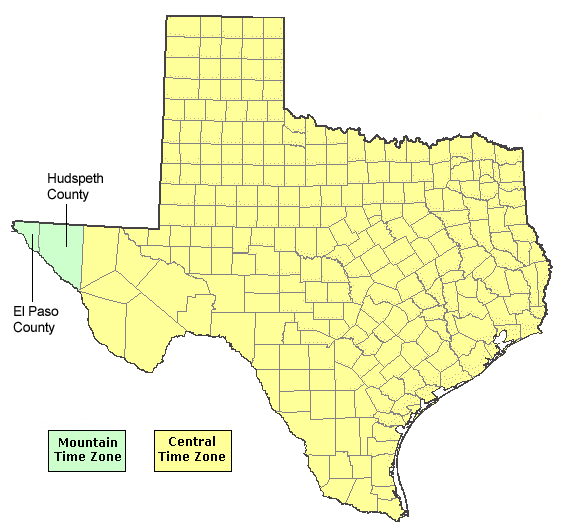
From the bustling metropolises of Dallas and Houston to the historic charm of San Antonio and the unique vibes of Austin, the majority of the state operates on one primary time, but a crucial exception in its western reaches means that a single answer to “What’s the current time in Texas?” isn’t always sufficient. This comprehensive guide delves into the intricacies of Texas’s time zones, offering essential insights for travelers, tourism enthusiasts, and anyone planning an extended stay. We’ll explore how these time differences influence everything from hotel check-in times and landmark visiting hours to the rhythm of local life, ensuring your journey through this magnificent state is perfectly timed and utterly unforgettable.
Understanding Texas’s Time Zones: More Than Just a Clock
The sheer geographical size of Texas necessitates a division of time, a common feature in large nations like the United States. Knowing which zone applies to your specific destination is paramount, especially when crossing state lines or traversing the vast distances within Texas itself. This section breaks down the temporal landscape of the Lone Star State, providing clarity for every traveler.
Central Time Zone: The Heartbeat of Texas
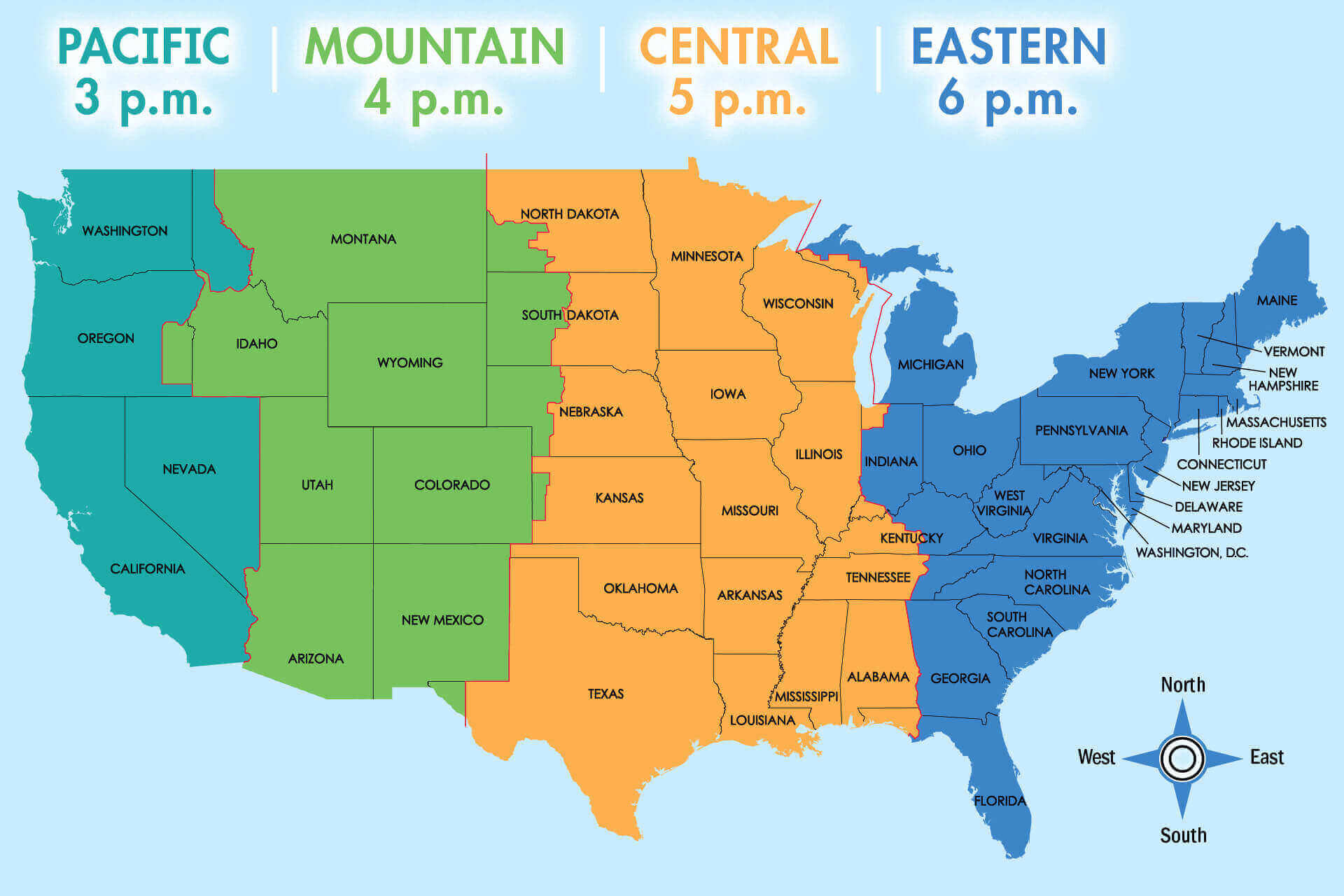
The vast majority of Texas, encompassing its most populous cities and iconic attractions, adheres to the Central Time Zone (CT). This includes major hubs such as Dallas, Houston, Austin, San Antonio, and Fort Worth. During standard time, this is referred to as Central Standard Time (CST), which is UTC-6. When Daylight Saving Time is observed, it shifts to Central Daylight Time (CDT), which is UTC-5.
This means that for most of your travel planning, you’ll be operating within the Central Time Zone. Whether you’re booking a luxury suite at Hotel ZaZa Dallas or scheduling a family trip to Space Center Houston, these establishments, and indeed the entire urban fabric of East Texas, the Gulf Coast, and the central plains, will follow CST/CDT. This simplifies planning for travelers coming from neighboring states like Oklahoma, Louisiana, and Arkansas, which also largely fall within this time zone.
Mountain Time Zone: A Western Outlier
A small, but significant, portion of West Texas operates on the Mountain Time Zone (MT). The city of El Paso, along with parts of Hudspeth County and Culberson County, observe Mountain Time. This means they are an hour behind the rest of Texas. During standard time, this is Mountain Standard Time (MST), which is UTC-7, and during Daylight Saving Time, it becomes Mountain Daylight Time (MDT), which is UTC-6.
For those planning to explore the rugged beauty of Big Bend National Park or Guadalupe Mountains National Park, or cross into New Mexico or Mexico from El Paso, this time difference is crucial. Failure to account for it could lead to missed flights, late check-ins for accommodation, or closed attractions. Always double-check the local time when your itinerary includes these westernmost regions, particularly if you’re driving across the state and transitioning between zones.
Daylight Saving Time: Spring Forward, Fall Back
Like most of the United States, Texas observes Daylight Saving Time, which typically begins on the second Sunday in March and ends on the first Sunday in November. During this period, clocks “spring forward” an hour, meaning Central Standard Time becomes Central Daylight Time, and Mountain Standard Time becomes Mountain Daylight Time.
This annual shift adds another layer of complexity for travelers. It’s essential to confirm whether your travel dates fall within or outside of Daylight Saving Time, especially when booking flights, making restaurant reservations, or planning tours. Always verify the current local time upon arrival, perhaps by checking your mobile device, to ensure you are perfectly synchronized with the rhythm of the Lone Star State.
Timing Your Texas Adventure: Travel and Tourism Insights
Beyond merely knowing the hour, understanding time zones is integral to maximizing your travel experience in Texas. From optimizing your itinerary to managing potential jet lag, a mindful approach to local time can significantly enhance your enjoyment of the state’s diverse offerings.
Crafting the Perfect Itinerary: From Sunrise to Stargazing
An effectively planned itinerary in Texas leverages local time to its fullest. For early birds, catching the sunrise over Lady Bird Lake in Austin or exploring the historic San Antonio Riverwalk before the crowds gather can be a serene experience. Conversely, evening plans, such as enjoying live music on Austin’s Sixth Street or a sophisticated dinner in the Dallas Arts District, require an awareness of closing times and peak hours.
For family trips, timing activities around children’s nap schedules or meal times, adjusted to the local clock, is crucial. Budget travelers might find that visiting certain attractions during off-peak hours (guided by local time) not only offers a less crowded experience but sometimes also comes with reduced admission fees. When venturing into natural landmarks like Big Bend National Park, knowing the sunrise and sunset times for your specific dates, aligned with the Mountain Time Zone, is vital for safe hiking and optimal stargazing opportunities. Utilizing online travel guides and resources that clearly state operating hours in local time is a best practice for seamless planning.
Jet Lag and Seamless Transitions: Tips for Travelers
For visitors arriving in Texas from distant time zones, particularly those on the East Coast or West Coast of the United States or international destinations, managing jet lag is a key consideration. The shift to Central Time Zone (or Mountain Time Zone in the far west) can disrupt sleep patterns and energy levels.
To mitigate jet lag, gradually adjust your sleep schedule a few days before departure. Once in Texas, expose yourself to natural light during the day, stay hydrated, and try to adhere to local meal and sleep times as quickly as possible. Avoid heavy meals and excessive caffeine or alcohol, especially immediately after arrival. Business travelers, in particular, must be diligent in managing jet lag to remain sharp for meetings and conferences. Many luxury hotels, such as The Houstonian Hotel, Club & Spa, offer amenities like spas and fitness centers that can aid in recovery and adjustment, allowing you to transition smoothly into the local rhythm.
Major Cities and Their Local Time Impact

Each major city in Texas offers a unique set of experiences, all anchored to their respective local times.
- In Dallas, the Central Time Zone dictates the pace of its bustling business districts, vibrant arts scene, and renowned dining. Planning visits to Klyde Warren Park or a historical tour of Southfork Ranch should always account for CST/CDT.
- Houston, another Central Time Zone metropolis, requires travelers to synchronize with its extensive museum district, Space Center Houston, and diverse culinary landscape.
- Austin, also in the Central Time Zone, runs on a slightly more relaxed schedule, but concert times on Sixth Street or legislative sessions at the Texas State Capitol are strictly timed.
- San Antonio‘s historical sites, including The Alamo and the San Antonio Riverwalk, operate on Central Time Zone hours, with many attractions offering extended evening hours during peak tourist seasons.
- Finally, El Paso, uniquely positioned in the Mountain Time Zone, provides an important reminder of Texas’s temporal diversity. When connecting flights or planning a cross-state drive, confirming arrival and departure times for El Paso relative to the rest of Texas is non-negotiable. Always account for the one-hour difference to avoid any travel hiccups or missed connections.
Beyond the Clock: Time’s Influence on Accommodation and Lifestyle
The local time in Texas doesn’t merely dictate attraction opening hours; it profoundly shapes the logistics of accommodation and the overall lifestyle experience. From the practicalities of hotel stays to the rhythms of local culture and business, understanding the temporal context is key to a smooth and enjoyable visit.
Hotel Stays and Check-In Dynamics
For any traveler, especially those navigating varied itineraries, the clock plays a crucial role in accommodation. Hotel check-in and check-out times are strictly enforced, and being aware of the local hour can prevent additional fees or logistical headaches. Most hotels in the Central Time Zone, such as the Hyatt Regency Austin or the JW Marriott San Antonio Hill Country Resort & Spa, typically have check-in around 3 PM or 4 PM CST/CDT and check-out around 11 AM or 12 PM CST/CDT.
If you’re arriving in El Paso from a different part of Texas, remember that your 3 PM CST estimated arrival will actually be 2 PM MST local time. This extra hour could mean early check-in is unavailable or could disrupt plans for immediate activities. Conversely, departing from El Paso might grant you an “extra” hour if your next destination is in the Central Time Zone. When booking accommodation online, always double-check that the times displayed correspond to the local time of the property, not your home time zone. This vigilance is crucial for everything from short stays to long-term apartment rentals.
Dining, Entertainment, and Local Rhythms
The vibrant local culture of Texas is inextricably linked to its temporal rhythm. Meal times, particularly dinner, tend to be earlier in the Central Time Zone compared to some other parts of the United States. Restaurants, especially popular ones in Austin’s culinary scene or Houston’s diverse eateries, can get busy early. Making reservations, timed to the local clock, is often advised for a seamless dining experience.
Entertainment venues, from country music halls in Luckenbach Texas to professional sports arenas in Dallas and Houston, operate on strict local schedules. A concert starting at 8 PM CST means exactly that, and showing up an hour late due to confusion with the Mountain Time Zone would mean missing the opening act. Similarly, local festivals and events, whether it’s Spring Break festivities on South Padre Island or the Fort Worth Stockyards National Historic District rodeo, will meticulously follow local time, adding to the authentic, timed experience.
Business Travel and Meeting Deadlines
For business travelers, time is literally money. Synchronizing schedules across different time zones can be the difference between a successful meeting and a missed opportunity. When conducting business in Texas, particularly if you have colleagues or clients in El Paso or other parts of the United States with different time zones, clear communication about local times is paramount.
Conferences, trade shows, and business lunches in Dallas or Houston will adhere to the Central Time Zone. Ensuring your devices automatically update to the local time, or manually adjusting them upon arrival, is a fundamental step to prevent professional faux pas. For business travelers combining work with leisure, effectively managing your time according to local standards allows for both productive workdays and enjoyable evenings exploring the city or relaxing at your hotel.
Maximizing Your Experience: Time-Sensitive Landmarks and Activities
The rich tapestry of Texas’s landmarks and activities offers something for every type of traveler. However, many of these experiences are time-sensitive, and a savvy understanding of the local clock will ensure you don’t miss out on the best the state has to offer.
Iconic Landmarks: When to Visit
Texas is home to countless iconic landmarks, each with its own operating hours dictated by local time. The Alamo in San Antonio, for instance, has specific opening and closing times (CST/CDT) that are crucial for history buffs. Similarly, a visit to Space Center Houston demands adherence to their tour schedules, which can vary by day and season. To avoid disappointment, always check the official websites for the most up-to-date hours of operation.
Consider timing your visits to popular attractions strategically. Early mornings often offer lighter crowds, while late afternoons might provide beautiful light for photography. For landmarks with limited capacity or timed entry tickets, such as specific exhibits at the Museum of Fine Arts, Houston, booking in advance for a specific local time slot is often necessary. Even roadside attractions like Cadillac Ranch near Amarillo, though always accessible, are best experienced during daylight hours.
Outdoor Adventures: Harnessing the Day
Texas’s diverse landscapes invite a plethora of outdoor activities, from hiking in the Hill Country to beach activities on Galveston Island or Port Aransas. Timing is everything for these experiences. For instance, planning a hike in Big Bend National Park (Mountain Time) means being aware of the earlier sunset in that region, especially during winter months. Similarly, water sports on Lady Bird Lake in Austin are often tied to specific rental company hours or daylight availability.
When engaging in activities like fishing, birdwatching, or kayaking, sunrise and sunset times, calculated for the local time zone and specific geographic coordinates, become vital for both safety and enjoyment. Many outdoor adventure guides and tour operators will specify meeting times in local time, and it is the traveler’s responsibility to ensure they are punctual, particularly if coming from a different time zone within Texas.
Cultural Events and Festivals: Don’t Miss a Moment
Texas is renowned for its vibrant calendar of cultural events, music festivals, and rodeos. These events are highly time-sensitive, with schedules meticulously planned down to the minute. Whether it’s the opening ceremony of the Fort Worth Stockyards National Historic District cattle drive or a headline act at an Austin music festival, all listed times will be local to the event’s location.
For long-term stay visitors or those planning their trips around specific cultural festivities, careful attention to the published schedules is non-negotiable. Missing a parade, a historical reenactment, or a favorite band’s set due to a time zone miscalculation would be a regrettable oversight. Always cross-reference event schedules with the local time of your current location to ensure you are perfectly in sync with the pulse of Texas’s lively cultural scene.
In conclusion, while the question “What’s the current time in Texas?” might seem simple, its answer unfolds into a fascinating layer of detail crucial for any visitor. By understanding the nuances of the Central Time Zone and the Mountain Time Zone, and factoring in Daylight Saving Time, you can ensure that your travel, accommodation, and exploration of the Lone Star State are perfectly orchestrated. A well-timed journey is not just about punctuality; it’s about seamlessly immersing yourself in the destination, allowing you to fully savor every moment, every landmark, and every unique experience Texas has to offer.
LifeOutOfTheBox is a participant in the Amazon Services LLC Associates Program, an affiliate advertising program designed to provide a means for sites to earn advertising fees by advertising and linking to Amazon.com. Amazon, the Amazon logo, AmazonSupply, and the AmazonSupply logo are trademarks of Amazon.com, Inc. or its affiliates. As an Amazon Associate we earn affiliate commissions from qualifying purchases.