
When you ask, “What’s the time in Texas?”, the answer goes far beyond a simple clock reading. It’s an invitation to explore a vast and diverse state, where time is measured not just in hours and minutes, but in memorable moments, rich history, vibrant culture, and unforgettable experiences. Texas is a land of sprawling landscapes, bustling metropolises, and charming small towns, each offering a unique way to spend your precious travel time. From deciding the best season to visit to choosing the perfect accommodation and planning an itinerary that maximizes every moment, understanding “time in Texas” is key to an exceptional journey. This guide will help you navigate the literal and metaphorical time zones of the Lone Star State, ensuring you make the most of your adventure.
Unraveling the Texas Time Zones
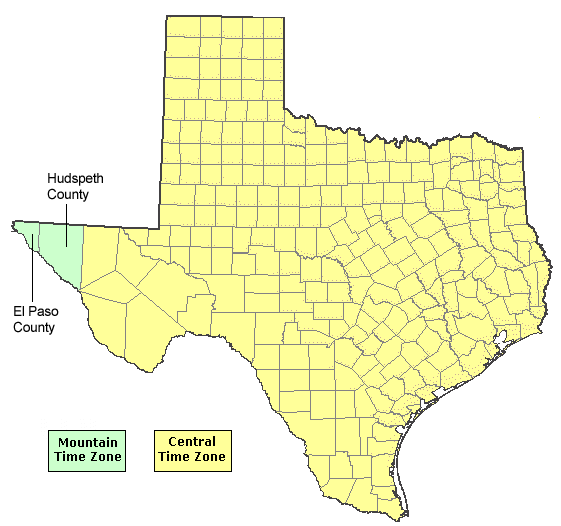
Let’s begin with the literal answer to the question: what time is it in Texas? While most of the state observes a single time zone, there’s a unique exception that travelers should be aware of, especially when planning cross-state adventures.
Central Standard Time (CST) and Central Daylight Time (CDT)
The vast majority of Texas operates on Central Standard Time (CST) during the winter months, which is UTC-6. When daylight saving time comes into effect, usually from the second Sunday in March to the first Sunday in November, the state switches to Central Daylight Time (CDT), which is UTC-5. This covers major cities like Dallas, Houston, Austin, and San Antonio, meaning that if you’re traveling between these popular destinations, you won’t need to adjust your watch. This consistent time zone across most of the state simplifies travel logistics, allowing visitors to easily plan their activities, tours, and dining reservations without confusion.
The Mountain Time Zone Enclave
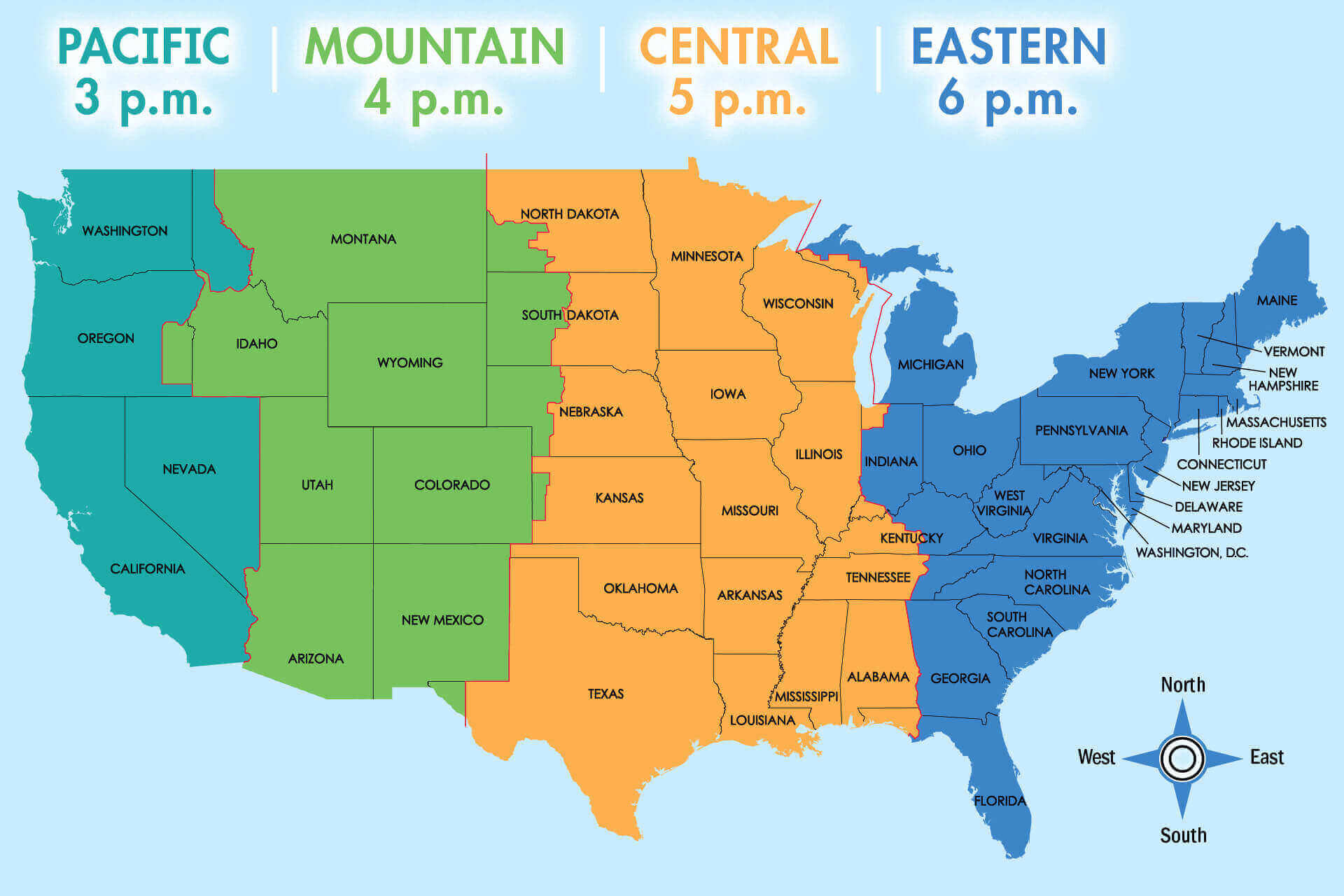
The significant exception to this rule lies in far western Texas. The city of El Paso, along with parts of Hudspeth County and Culberson County to its east, observe the Mountain Time Zone. This means that during Standard Time, El Paso is UTC-7, and during Daylight Saving Time, it’s UTC-6. Essentially, El Paso is one hour behind the rest of Texas that observes Central Time. This geographical quirk is due to El Paso’s proximity to New Mexico and Arizona, both of which mostly follow Mountain Time. When planning a trip that includes destinations like Big Bend National Park or Guadalupe Mountains National Park in West Texas, always double-check the local time for specific attractions or accommodations, as some areas might unexpectedly fall into the Mountain Time Zone or have their own local variations. Digital devices usually adjust automatically, but a manual check can prevent missed appointments or reservations.
Practical Implications for Travelers
Understanding these time zones is more than just a trivia fact; it has practical implications for travelers. For instance, if you’re flying into Dallas/Fort Worth International Airport (DFW) in Central Time and planning a connecting flight or drive to El Paso, you’ll gain an hour upon arrival in El Paso but lose an hour on your return journey. Similarly, coordinating business calls or family reunions across the state requires a quick mental adjustment. For long road trips across the state, particularly those heading west towards New Mexico or Arizona, knowing when to change your clock is crucial to stay on schedule. Most importantly, it reminds us that Texas is truly a vast state, encompassing diverse geographical and temporal landscapes.
Time Well Spent: Iconic Destinations Across the Lone Star State
Beyond the clock, “What’s the time in Texas?” can also mean, “What should I do with my time in Texas?” The state offers an incredible array of destinations, each promising unique experiences for every type of traveler.
Dallas-Fort Worth: A Tale of Two Cities
The Dallas-Fort Worth Metroplex offers a dynamic blend of urban sophistication and cowboy heritage. In Dallas, you can spend your time immersed in art and culture at the expansive Dallas Arts District, home to world-class museums and performance venues. The Klyde Warren Park, an urban oasis built over a freeway, provides a refreshing space for relaxation and community events. For a poignant historical experience, the Sixth Floor Museum at Dealey Plaza offers a deep dive into the assassination of President John F. Kennedy. Just a short drive west, Fort Worth transports you back to the Old West. Don’t miss the Fort Worth Stockyards National Historic District, where you can witness a daily cattle drive, explore Western-themed shops, and enjoy live music and rodeo action. The city also boasts impressive cultural institutions, including the Kimbell Art Museum and the Modern Art Museum of Fort Worth, perfect for an afternoon of contemplation.
Houston: Beyond the Stars
Houston, Texas’s largest city, is a hub of innovation, diversity, and culinary excellence. It’s home to the NASA Johnson Space Center, where visitors can spend hours exploring mission control, touring rocket parks, and even touching a moon rock – a truly out-of-this-world experience. The Houston Museum District is a cultural powerhouse, featuring 19 museums, including the Museum of Fine Arts and the Houston Museum of Natural Science, many of which offer free admission. Hermann Park provides expansive green spaces, a zoo, and a Japanese garden for outdoor enjoyment. Houston’s culinary scene is a melting pot of global flavors, offering everything from authentic Vietnamese to renowned Tex-Mex and BBQ joints. A day trip to Galveston Island offers historic architecture, beaches, and family-friendly attractions like Moody Gardens.
Austin: Keeping it Weird and Wonderful
Austin, the self-proclaimed “Live Music Capital of the World,” marches to its own beat. Your time here will likely revolve around music, food, and outdoor activities. Explore the eclectic boutiques, food trucks, and vibrant street art along South Congress Avenue (SoCo). Cool off in the natural spring-fed waters of Barton Springs Pool or kayak on Lady Bird Lake. Don’t miss a visit to the impressive Texas State Capitol, an architectural marvel. As evening descends, immerse yourself in the live music scene, from iconic venues on Sixth Street to more intimate spots on Rainey Street. Austin’s food scene is equally legendary, known for its innovative food trucks and world-class BBQ.
San Antonio: Where History Comes Alive
San Antonio offers a rich tapestry of history, culture, and romance. The iconic Alamo, a symbol of Texan independence, is a must-visit, allowing you to step back in time. Spend a leisurely afternoon strolling along the picturesque San Antonio River Walk, lined with charming restaurants, shops, and hotels. Take a river barge cruise for a unique perspective of the city. Beyond the Alamo, explore the other Spanish colonial missions – Mission San José, Mission Concepción, Mission Espada, and Mission Capistrano – which together form the San Antonio Missions National Historical Park, a UNESCO World Heritage Site. The historic Pearl District offers upscale dining, boutique shopping, and a vibrant farmers market, blending the old with the new.
Embracing Nature’s Clock: Texas Hill Country and Big Bend
For those seeking to reconnect with nature, the Texas Hill Country and the majestic Big Bend National Park offer unparalleled experiences. The Hill Country, with its rolling hills, pristine rivers, and charming towns like Fredericksburg, Gruene, and Wimberley, is perfect for wine tasting, swimming in natural springs, and enjoying scenic drives. Fredericksburg is particularly known for its German heritage and blossoming wine industry. Further west, Big Bend National Park is a wilderness paradise, offering dramatic mountain ranges, vast desert landscapes, and the winding Rio Grande. Time here slows down, allowing you to hike, stargaze, and truly disconnect. It’s an ideal destination for adventure seekers and nature enthusiasts, requiring several days to explore its wonders fully. The challenging drive to Big Bend is part of its allure, emphasizing the sheer scale of Texas.
Optimizing Your Texas Time: When to Visit and What to Experience

The “best time” to visit Texas largely depends on what you plan to do, as the state experiences a wide range of climates and hosts numerous events throughout the year.
Seasonal Highlights and Weather Considerations
- Spring (March to May): This is arguably the best time to visit most of Texas. The weather is generally pleasant, with warm days and mild nights, ideal for exploring cities and outdoor attractions. Wildflowers, especially the iconic bluebonnets, carpet the Hill Country, creating breathtaking scenery. However, it’s also peak tourist season, so expect larger crowds and higher accommodation prices.
- Summer (June to August): Summers in Texas are notoriously hot and humid, particularly in Houston and Dallas. This is a good time for water activities, visiting coastal towns like South Padre Island, or exploring indoor attractions like museums and shopping centers. West Texas (e.g., Big Bend) can be intensely hot, making early morning or late afternoon activities preferable.
- Fall (September to November): Another excellent time to visit, especially as temperatures begin to cool down. The weather becomes more comfortable, and the crowds from spring subside. Fall foliage, though not as dramatic as in other parts of the U.S., can be found in certain areas, particularly in East Texas and the Guadalupe Mountains. This is a great season for hiking and exploring state parks.
- Winter (December to February): Winters are generally mild in most of Texas, especially the southern parts, making it a good escape from colder climates. El Paso and the Panhandle can experience colder temperatures and occasional snowfall. It’s a quieter time for tourism, often with lower prices for flights and accommodations, but some seasonal attractions might have reduced hours.
Festivals and Events: Synchronizing Your Trip
Texas hosts a plethora of festivals and events that can significantly enhance your travel experience. Timing your visit to coincide with one of these can offer a deeper immersion into local culture.
- South by Southwest (SXSW) in Austin (March): A globally renowned conference and festival celebrating film, interactive media, and music.
- Houston Livestock Show and Rodeo (February/March): The world’s largest rodeo and livestock exhibition, featuring concerts, carnival rides, and traditional Western events.
- Fiesta San Antonio (April): A vibrant 10-day city-wide festival celebrating San Antonio’s diverse cultures with parades, music, and food.
- Austin City Limits Music Festival (October): A massive outdoor music festival attracting top artists and thousands of fans.
- Wurstfest in New Braunfels (November): A unique celebration of German culture with food, beer, and polka music.
Additionally, many smaller towns host their own unique events, from chili cook-offs to grape harvests, offering a glimpse into authentic Texan life.
Culinary Time Travel: Tex-Mex and BBQ Extravaganza
No visit to Texas is complete without dedicating ample time to its legendary food scene. Tex-Mex cuisine, a delicious fusion of Mexican and Texan flavors, is ubiquitous. From sizzling fajitas to cheesy enchiladas and refreshing margaritas, every city has its beloved Tex-Mex establishments. Then there’s Texas BBQ, a religion for many. The smoked brisket, ribs, and sausage are legendary, with regional variations from East Texas’s chopped beef sandwiches to Central Texas’s dry-rubbed brisket. Planning a “BBQ crawl” can be an adventure in itself, with renowned establishments often having long lines, especially on weekends – a testament to the time and care put into their craft. Don’t forget to sample other Texan favorites like chicken fried steak, pecan pie, and breakfast tacos.
Your Home Away From Home: Accommodations for Every Texas Timeline
Just as Texas offers diverse experiences, it provides a wide range of accommodation options to suit every budget, style, and length of stay. Choosing where to rest your head is crucial for maximizing your time and comfort.
Luxury Resorts and Boutique Hotels
For those seeking an indulgent escape, Texas boasts numerous luxury resorts and boutique hotels. In cities like Dallas, Houston, and Austin, you’ll find five-star properties offering lavish suites, gourmet dining, spa services, and stunning city views. Think of iconic hotels like The Driskill in Austin or the Hotel Emma in San Antonio’s Pearl District, which blend historic charm with modern amenities. The Hill Country is home to exquisite resorts that offer a serene retreat amidst nature, often with golf courses, wineries, and private access to rivers, like the JW Marriott San Antonio Hill Country Resort & Spa. These options are perfect for luxury travelers, romantic getaways, or those on business trips seeking premium comfort.
Family-Friendly Stays and Budget-Conscious Options
Traveling with family or on a budget? Texas has you covered. Major cities and tourist areas offer a plethora of mid-range hotel chains that provide comfortable rooms, amenities like swimming pools and complimentary breakfast, and convenient locations close to attractions. Many resorts cater specifically to families, with water parks, kids’ clubs, and spacious suites. For those looking to stretch their dollar further, budget-friendly motels and hostels are available, particularly along major highways and in university towns. Additionally, vacation rentals through platforms like Airbnb and VRBO are excellent for families or groups, offering more space, kitchen facilities, and a localized experience at various price points, often a great solution for long-term stays.
Unique Lodgings: From Ranches to Urban Lofts
For a truly memorable experience, consider unique accommodations that reflect the Texan spirit.
- Dude Ranches: Immerse yourself in cowboy culture by staying at a working ranch, especially popular in the Hill Country. You can partake in horseback riding, cattle drives, and authentic BBQ dinners.
- B&Bs and Guesthouses: Charming bed and breakfasts, often housed in historic homes, offer personalized service and local insights, particularly abundant in towns like Fredericksburg and Jefferson.
- Urban Lofts and Apartments: In cities like Austin and Houston, you can find stylish urban lofts that put you right in the heart of the action, providing a modern, independent travel experience.
- Camping and Glamping: For nature lovers, state parks and private campgrounds offer everything from basic tent sites to luxurious “glamping” experiences, especially around Big Bend and the Hill Country.
Making Every Moment Count: Practical Tips for Your Texas Journey
Effective planning ensures that your time in Texas is not just enjoyable, but also efficient and stress-free.
Navigating the Vastness: Transportation
Texas is huge, and distances between major cities can be significant.
- Driving: For most travelers, renting a car is highly recommended. It offers the flexibility to explore at your own pace, especially if you plan to visit multiple cities or rural attractions. Roads are generally well-maintained, but be prepared for long stretches between towns in some areas.
- Flights: For travel between major cities like Dallas, Houston, Austin, and San Antonio, flying can save considerable time. Texas has several major airports, including Dallas/Fort Worth International Airport (DFW), George Bush Intercontinental Airport (IAH) in Houston, Austin-Bergstrom International Airport (AUS), and San Antonio International Airport (SAT).
- Public Transportation/Ride-Sharing: While major cities have some public transit options (buses, light rail in Dallas and Houston), they are not as extensive as in older U.S. cities. Ride-sharing services (Uber, Lyft) are widely available in urban areas.
Essential Packing and Local Etiquette
- Packing: Pack according to the season and your planned activities. Layers are always a good idea, especially in spring and fall when temperatures can fluctuate. Don’t forget sunscreen, a hat, and comfortable walking shoes. If visiting in summer, light, breathable clothing is a must.
- Etiquette: Texans are generally known for their friendly, hospitable nature. A simple “howdy” or a friendly smile goes a long way. Tipping is customary in restaurants, bars, and for services. When visiting historical sites, show respect for the gravity of the location.
Planning Your Itinerary: Time Management for Travelers
To truly experience Texas, allocate sufficient time. Don’t try to squeeze too much into a single trip, especially given the vast distances.
- Prioritize: Decide what kind of experience you want – urban exploration, historical immersion, outdoor adventure, or a mix – and prioritize accordingly.
- Segment Your Trip: If you have limited time (e.g., a week), focus on one or two regions (e.g., Dallas-Fort Worth, or Austin-San Antonio and the nearby Hill Country). A comprehensive state tour would require at least two to three weeks.
- Book in Advance: Especially during peak season or major festivals, book accommodations, tours, and popular dining reservations well in advance to avoid disappointment.
- Stay Flexible: While planning is key, allow some flexibility in your schedule to stumble upon unexpected gems or simply relax and enjoy the moment.
In conclusion, “What’s the time in Texas?” is a question that opens up a world of possibilities. Whether you’re tracking the minute hand across time zones or planning how to spend your precious hours immersed in culture, nature, or urban excitement, Texas offers an expansive canvas for unforgettable memories. So set your watch (or don’t, if you’re feeling adventurous) and get ready to experience the unique rhythm and boundless spirit of the Lone Star State.
LifeOutOfTheBox is a participant in the Amazon Services LLC Associates Program, an affiliate advertising program designed to provide a means for sites to earn advertising fees by advertising and linking to Amazon.com. Amazon, the Amazon logo, AmazonSupply, and the AmazonSupply logo are trademarks of Amazon.com, Inc. or its affiliates. As an Amazon Associate we earn affiliate commissions from qualifying purchases.