
As the peak of hurricane season approaches or casts its long shadow, the question of whether a significant storm, such as Hurricane Milton, will make landfall in Florida becomes a paramount concern for residents, visitors, and the vast tourism industry alike. Florida, often dubbed the Sunshine State, is a magnet for travelers from across the globe, drawn to its pristine beaches, world-famous theme parks, vibrant cities, and unique natural landscapes. However, its geographical position, cradled between the Atlantic Ocean and the Gulf of Mexico, also places it squarely in the path of tropical cyclones. Understanding the dynamics of hurricane season and how to navigate the potential impacts of a storm like Milton is crucial for anyone planning a trip or currently enjoying their stay in this beloved United States destination.
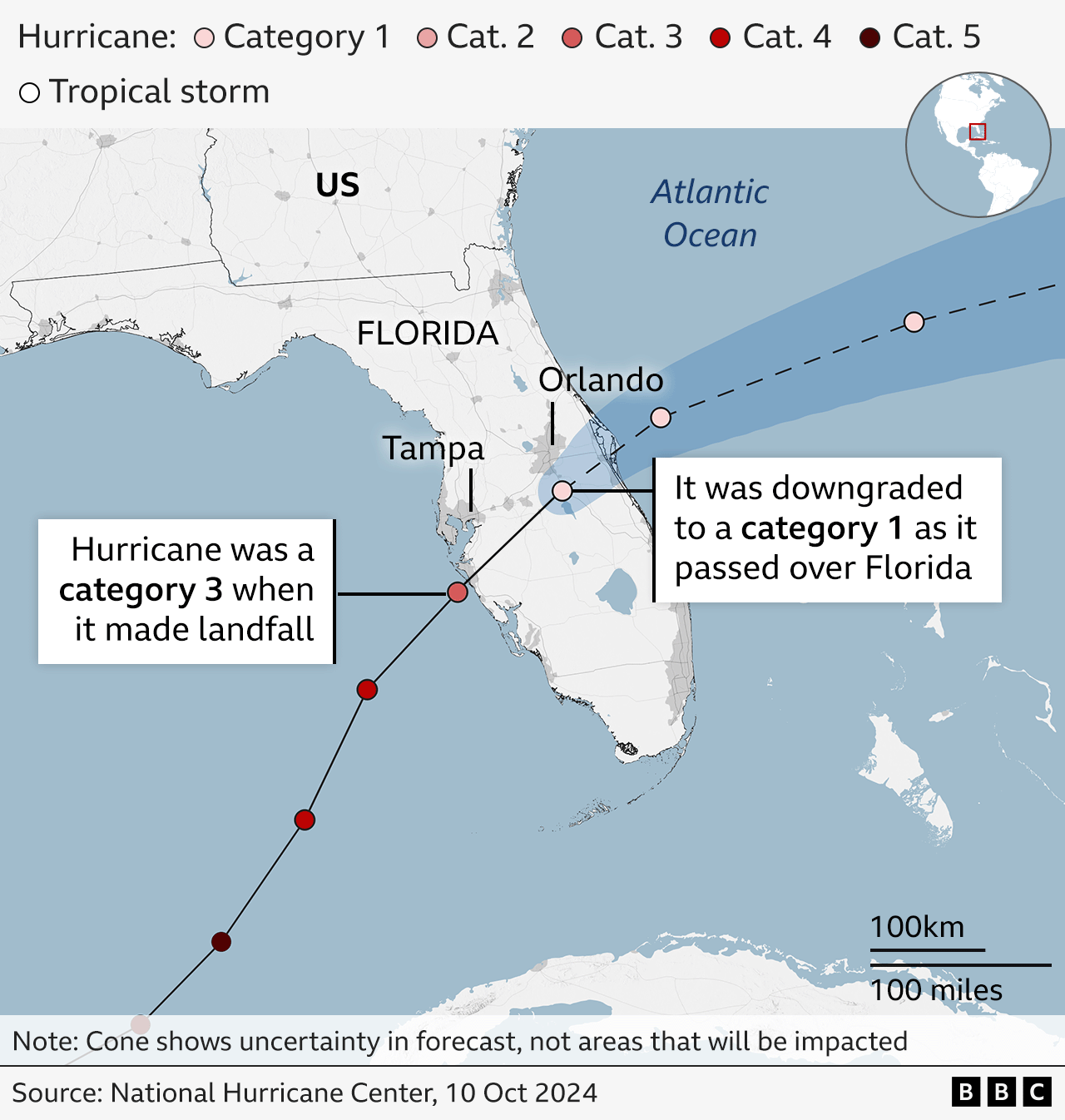
This comprehensive guide aims to provide clarity on what to expect, how to prepare, and what resources are available to ensure safety and minimize disruption should Hurricane Milton or any other storm threaten the state. We’ll delve into tracking the storm, essential preparedness tips for both short-term visitors and long-term residents, the potential effects on travel plans and local attractions, and how Florida’s resilient spirit always shines through.
Understanding Hurricane Season in Florida: A Traveler’s Perspective
Florida’s allure as a top travel destination is undeniable, yet its climate also brings with it the annual phenomenon of hurricane season. Officially running from June 1st to November 30th, with the most active period typically from August through October, this period requires visitors and residents to stay informed. While many storms pass without incident, the potential for a powerful hurricane like Milton necessitates a proactive approach to travel planning and safety.
The state’s diverse regions, from the bustling metropolis of Miami to the enchanting theme park capital of Orlando, the cultural hub of Tampa, and the laid-back charm of the Florida Keys, all have varying levels of vulnerability depending on a storm’s trajectory. Understanding the general patterns and reputable sources for information is the first step in responsible travel during this time.
What Travelers Need to Know About Florida’s Climate
Florida’s subtropical to tropical climate is what makes it so appealing, characterized by warm temperatures year-round and distinct wet and dry seasons. The wet season, which coincides with hurricane season, brings higher humidity, frequent afternoon thunderstorms, and the possibility of tropical depressions, tropical storms, and hurricanes. While most of these are minor events, a major hurricane, classified as a Category 3 or higher storm on the Saffir-Simpson Hurricane Wind Scale, can bring devastating winds, torrential rain, storm surge, and widespread flooding.
For travelers, this means a few things:
- Flexibility is Key: If planning a trip during hurricane season, consider booking flexible flights and accommodations that allow for cancellations or changes without hefty penalties. Travel insurance (discussed later) is also a wise investment.
- Monitor Weather Constantly: Before and during your trip, make it a habit to check weather forecasts daily, particularly for tropical weather updates. Don’t rely solely on local news; official sources provide the most accurate information.
- Understand Local Advisories: Different areas might have different levels of alert. A tropical storm warning in Key West doesn’t necessarily mean your trip to Jacksonville is in jeopardy, but it indicates conditions are favorable for storm development in the region.
Key Resources for Hurricane Tracking and Updates
Staying informed is your best defense against the uncertainties of hurricane season. Reliable, official sources provide the most accurate and up-to-date information regarding storm paths, intensity, and potential impacts.
- National Hurricane Center (NHC): Part of the NOAA (National Oceanic and Atmospheric Administration), the NHC is the primary source for tropical weather forecasts and advisories. Their website provides detailed maps, cone of uncertainty graphics, discussion updates, and watches/warnings. This should be your go-to for all things Hurricane Milton.
- Local Emergency Management Agencies: Every county in Florida has an emergency management division, such as Miami-Dade County Emergency Management or the Florida Division of Emergency Management (FDEM) at the state level. These agencies issue specific local alerts, evacuation orders, and shelter information. Bookmark their websites or follow their social media accounts for region-specific updates relevant to your travel plans.
- Reputable Weather Apps and News Outlets: While local news stations provide excellent coverage, supplementing with national weather apps like The Weather Channel or AccuWeather can offer broader context. Just ensure they cite NHC data.
- Hotel and Accommodation Providers: Many hotels, resorts, and vacation rental companies have established hurricane policies and communication plans. They will often inform guests directly about changing conditions, potential evacuations, and their own operational status.
By consistently monitoring these resources, you can make informed decisions about your safety and travel plans, transforming potential anxiety into actionable preparedness.
Preparing for Hurricane Milton: A Guide for Residents and Visitors
The prospect of a hurricane, especially one like Milton garnering significant attention, can be daunting. However, proper preparation can significantly mitigate risks and ease concerns. This section provides actionable advice for anyone in Florida or planning to visit, focusing on essential checklists, accommodation considerations, and navigating travel disruptions.
Essential Pre-Storm Checklist for Florida Travel
Whether you’re visiting for a week or a long-term stay, a hurricane preparedness kit and plan are vital.
- Stay Informed: As mentioned, continuously monitor NHC and local emergency management updates.
- Emergency Kit (Go-Bag): Even if your accommodation is robust, having a small “go-bag” ready is prudent. Include:
- Important Documents: Copies of passports, IDs, insurance policies (health, travel, car), hotel booking confirmations, and credit card numbers. Keep them in a waterproof bag.
- Medications: A minimum of a 3-day supply of any prescription medications.
- First-Aid Kit: Basic supplies for minor injuries.
- Cash: ATMs may not work during power outages.
- Chargers & Power Bank: Keep phones and other devices charged. A portable power bank is invaluable.
- Snacks & Water: Non-perishable snacks and at least a gallon of water per person per day for a few days.
- Comfort Items: A book, small games, or anything to pass the time if confined.
- Flashlight: With extra batteries.
- Communication Plan: Discuss with your travel companions or family members outside the affected area how you will communicate if cell service is spotty. Texting often works when calls don’t.
- Fuel Up: If you have a rental car, keep the fuel tank full. Gas stations may close or run out of fuel during and after a storm.
- Know Evacuation Routes: If you are in an evacuation zone (coastal areas, low-lying regions), understand the designated evacuation routes. Local emergency management websites will provide these maps. Do not wait for conditions to worsen; evacuate when advised.
- Pet Plan: If traveling with pets, ensure you have carriers, food, water, and necessary documents for them. Confirm pet-friendly evacuation shelters or accommodations beforehand.
Securing Your Accommodation: Hotels, Resorts, and Vacation Rentals
Your place of stay plays a critical role in your safety during a hurricane threat.
- Hotels and Resorts: Most reputable hotels, especially in major tourist areas like Orlando or Miami, have comprehensive hurricane preparedness plans. They typically include:
- Reinforced Structures: Modern buildings are often constructed to withstand significant wind forces.
- Backup Power: Many resorts have generators to maintain essential services like lights, air conditioning, and elevators.
- Food and Water Supplies: They will usually have provisions for guests for a certain period.
- Communication: Expect regular updates from hotel management regarding storm status and safety protocols.
- Evacuation Procedures: If an evacuation order is issued for their area, hotels will assist guests with departure or direct them to designated shelters. Always follow their instructions.
- Booking Policies: Be aware of their hurricane cancellation or rebooking policies. Many offer waivers during declared emergencies.
- Vacation Rentals (Airbnb, VRBO): These can be more variable.
- Contact Host: Reach out to your host as soon as a storm is identified. Inquire about their emergency plan, structural integrity of the property, and cancellation policy.
- Insurance: Ensure your rental agreement or personal travel insurance covers potential storm-related damage or evacuation costs.
- Self-Sufficiency: Be prepared to be more self-sufficient than in a hotel, especially regarding food, water, and power.
- Long-Term Stays/Apartments: Residents in apartments or long-term rentals should follow general hurricane preparedness guidelines, including securing loose outdoor items, having shutters or plywood ready, and maintaining an ample emergency supply kit.
Navigating Travel Disruptions and Insurance Considerations
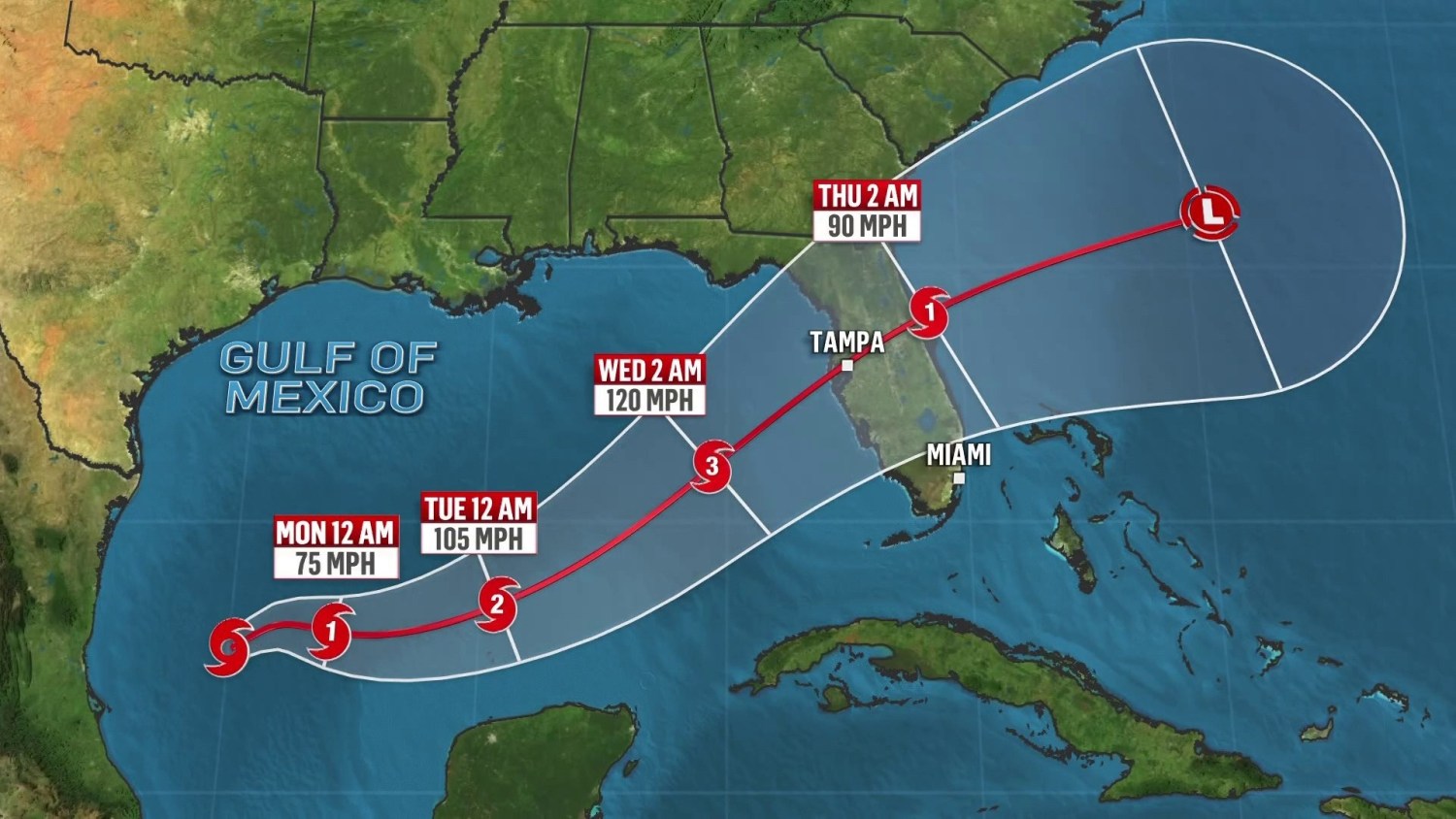
Hurricane Milton could significantly impact air, road, and sea travel.
- Airlines: Expect flight cancellations or delays. Airlines usually issue travel waivers allowing passengers to change flights without fees if a hurricane threatens their destination. Monitor your airline’s website or app closely. If possible, depart before the storm hits or after it has safely passed.
- Road Closures and Traffic: Major interstates and coastal roads may be closed, especially during evacuations or due to flooding. Traffic during mandatory evacuations can be extremely heavy. Heed all road closure signs.
- Cruise Lines: Cruise itineraries departing from Florida ports like Miami, Fort Lauderdale, or Port Canaveral are often rerouted or canceled. Contact your cruise line for their specific policies and updates.
- Travel Insurance: This is perhaps the most crucial financial safeguard.
- Trip Cancellation/Interruption: Covers non-refundable expenses if your trip is canceled or cut short due to a hurricane (as a “covered reason”).
- Emergency Medical: Critical for any medical needs that may arise.
- Evacuation Coverage: May cover costs if you need to evacuate your accommodation.
- “Cancel For Any Reason” (CFAR) Policy: While more expensive, a CFAR policy offers the most flexibility, allowing you to cancel your trip for virtually any reason, including a looming hurricane threat, even if it hasn’t officially impacted your destination yet.
- Read the Fine Print: Always understand what your policy covers, especially regarding natural disasters. Most policies only cover events that are “unforeseen” – meaning if you buy insurance after Hurricane Milton has been named, it likely won’t cover Milton-related claims.
The Potential Impact of Hurricane Milton on Florida’s Tourism and Landmarks
Should Hurricane Milton make landfall or pass close to Florida, its effects would ripple across the state’s vibrant tourism sector, impacting everything from world-famous attractions to historic landmarks and the daily lives of countless service industry professionals. The extent of the impact would depend on the storm’s intensity, size, and precise track.
Effect on Popular Destinations and Attractions
Florida is home to an unparalleled array of destinations and attractions, each with its own vulnerabilities and recovery capabilities.
- Theme Parks (e.g., Walt Disney World Resort, Universal Studios Florida): Located primarily in Central Florida (around Orlando), these parks are generally well-prepared for storms. They have robust infrastructure, extensive experience with hurricane season, and clear communication strategies. Closures are rare but do happen for major storms, often for a day or two before and after landfall to ensure guest and staff safety and allow for damage assessment. Guests with existing bookings should monitor park websites and official social media for real-time updates regarding operational changes. Parks like Magic Kingdom, Epcot, Hollywood Studios, Animal Kingdom, and Busch Gardens Tampa Bay prioritize safety above all else.
- Beaches and Coastal Areas: Regions like South Beach in Miami, the beaches of Sarasota, Destin, Naples, and the Florida Keys are particularly susceptible to storm surge, erosion, and wind damage. Even if direct landfall is avoided, heavy surf and rip currents can make beaches unsafe for days. Resorts and hotels directly on the coast, such as the Ritz-Carlton in Naples or a Hyatt Regency along Fort Lauderdale’s waterfront, often have specific evacuation protocols and may sustain damage that requires temporary closure.
- National and State Parks (e.g., Everglades National Park): Natural landmarks like the Everglades National Park or other state parks can experience significant flooding, downed trees, and damage to trails and visitor facilities. These areas may close for extended periods for cleanup and restoration.
- Historic Sites and Museums (e.g., St. Augustine): Historic cities like St. Augustine, with its ancient Castillo de San Marcos, or Miami’s Art Deco Historic District, may face risks from flooding, wind damage to older structures, and power outages affecting museums and cultural sites.
The tourism economy, a cornerstone of Florida’s identity, would feel the immediate pinch from cancellations and closures, but the state has a proven track record of rapid recovery and resilience.
Safety and Recovery: Prioritizing Community and Visitor Well-being
In the aftermath of a hurricane like Milton, the focus quickly shifts to safety, aid, and recovery.
- Emergency Services: First responders, including local police, fire rescue, the National Guard, and federal agencies like FEMA, will prioritize search and rescue, medical aid, and restoring critical infrastructure.
- Power Outages: Widespread power outages are common, sometimes lasting for days or even weeks in severely impacted areas, affecting communication and daily life.
- Water Safety: Contamination of water supplies can occur. Always heed “boil water” advisories.
- Community Support: Organizations like the Red Cross provide shelter, food, and relief supplies. Local communities rally quickly to support neighbors and visitors.
- Visitor Role: For visitors, the best course of action post-storm is to remain in a safe location, listen to local authorities, and avoid sightseeing or venturing into damaged areas, which can hinder recovery efforts. Understand that resources will be stretched, and patience is essential.
Florida’s communities are incredibly resilient, and while the immediate aftermath of a strong hurricane is challenging, the long-term commitment to rebuilding and welcoming visitors back is unwavering.
Beyond the Storm: Enjoying Florida’s Resilient Spirit
Even with the potential threat of Hurricane Milton, Florida’s spirit as a premier travel destination remains indomitable. The state and its vibrant communities are adept at bouncing back, restoring their beauty and welcoming millions of visitors year after year. Planning your trip with an understanding of the local climate and having a flexible approach ensures you can still enjoy everything Florida has to offer, while being prepared for any eventuality.
When to Plan Your Florida Getaway
While hurricane season runs from June through November, the risk of a major storm like Milton is highest in late summer and early fall. If you prefer to minimize this risk:
- Winter (December to February): This is Florida’s peak tourist season, offering cooler, drier weather perfect for theme parks, beaches, and outdoor activities like visiting Everglades National Park or exploring the historic charm of St. Augustine. Expect higher prices and larger crowds.
- Spring (March to May): Another excellent time, with pleasant temperatures and fewer crowds than winter, though spring break can be busy in certain areas like South Beach. The water is starting to warm up, making it ideal for beachgoers.
- Early Summer (June to Mid-July): The very beginning of hurricane season often sees less storm activity, and the weather is hot and humid, perfect for water parks and coastal relaxation. This period can offer good value before the peak of storm season.
If you decide to travel during the heart of hurricane season (August-October), embrace flexibility and ensure you have comprehensive travel insurance. Many travelers find great deals on accommodation, from a luxury Four Seasons resort to charming boutique hotels, during this shoulder season. Destinations like Amelia Island, Sanibel Island, and Key West remain popular, but awareness is key.
Supporting Florida’s Tourism Post-Storm
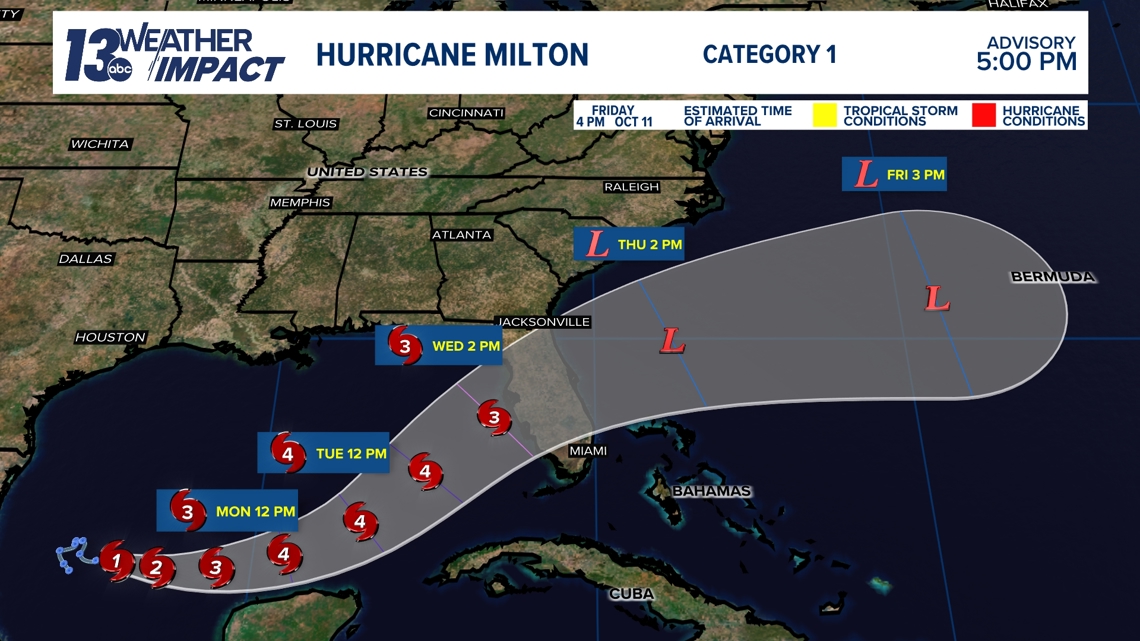
When a storm like Hurricane Milton impacts Florida, the best way to support the recovery is to return once it’s safe to do so. Tourism is a lifeline for many communities, providing jobs and sustaining local businesses.
- Visit Rebuilt Areas: After a safe period for recovery, planning a trip to areas that were affected helps inject much-needed funds into the local economy. Always check with official tourism boards to confirm destinations are ready to welcome visitors.
- Support Local Businesses: When you do visit, choose local restaurants, shops, and tour operators. Your dollars directly contribute to the livelihoods of residents and aid in the rebuilding process.
- Volunteer (if appropriate): For those with a deeper commitment, organizations like the Red Cross or FEMA often coordinate volunteer efforts for long-term recovery. This is typically for residents or those able to commit for longer periods, rather than casual visitors.
- Be Patient and Understanding: Post-storm travel might involve some inconveniences. Roads may still be undergoing repairs, and some services might be limited. A flexible and understanding attitude goes a long way.
Ultimately, while the question “Is Hurricane Milton Going To Hit Florida?” brings with it a degree of uncertainty and concern, it also highlights the importance of preparedness, accurate information, and community resilience. Florida remains an extraordinary destination, offering unparalleled experiences that await visitors who approach their travel with informed decisions and a respect for the power of nature. By staying vigilant, preparing thoroughly, and supporting the state’s recovery efforts when needed, you can continue to enjoy the magic of the Sunshine State for years to come.
LifeOutOfTheBox is a participant in the Amazon Services LLC Associates Program, an affiliate advertising program designed to provide a means for sites to earn advertising fees by advertising and linking to Amazon.com. Amazon, the Amazon logo, AmazonSupply, and the AmazonSupply logo are trademarks of Amazon.com, Inc. or its affiliates. As an Amazon Associate we earn affiliate commissions from qualifying purchases.