
The rhythm of life across much of the United States, and indeed in many parts of the world, is punctuated twice a year by the ritual of Daylight Saving Time (DST). In the vast expanse of the Lone Star State, from the bustling metropolises of Dallas and Houston to the historic charm of San Antonio and the vibrant capital city of Austin, residents and visitors alike participate in this biannual adjustment of the clocks. Understanding when these changes occur, why they happen, and their broader implications for travel, tourism, and daily life is crucial for anyone navigating Texas. This guide will delve into the intricacies of DST in Texas, offering insights for both seasoned Texans and first-time travelers planning to explore its diverse landscapes and rich culture.
Understanding Daylight Saving Time in Texas
Daylight Saving Time is a practice of advancing clocks during warmer months so that darkness falls later in the evening. In Texas, as in most of the U.S., this means “springing forward” by one hour in the spring and “falling back” by one hour in the autumn.
The Annual Shift: When Clocks Change
For residents and travelers in Texas, the time change adheres to the federal schedule established by the Uniform Time Act of 1966 and later amended by the Energy Policy Act of 2005.
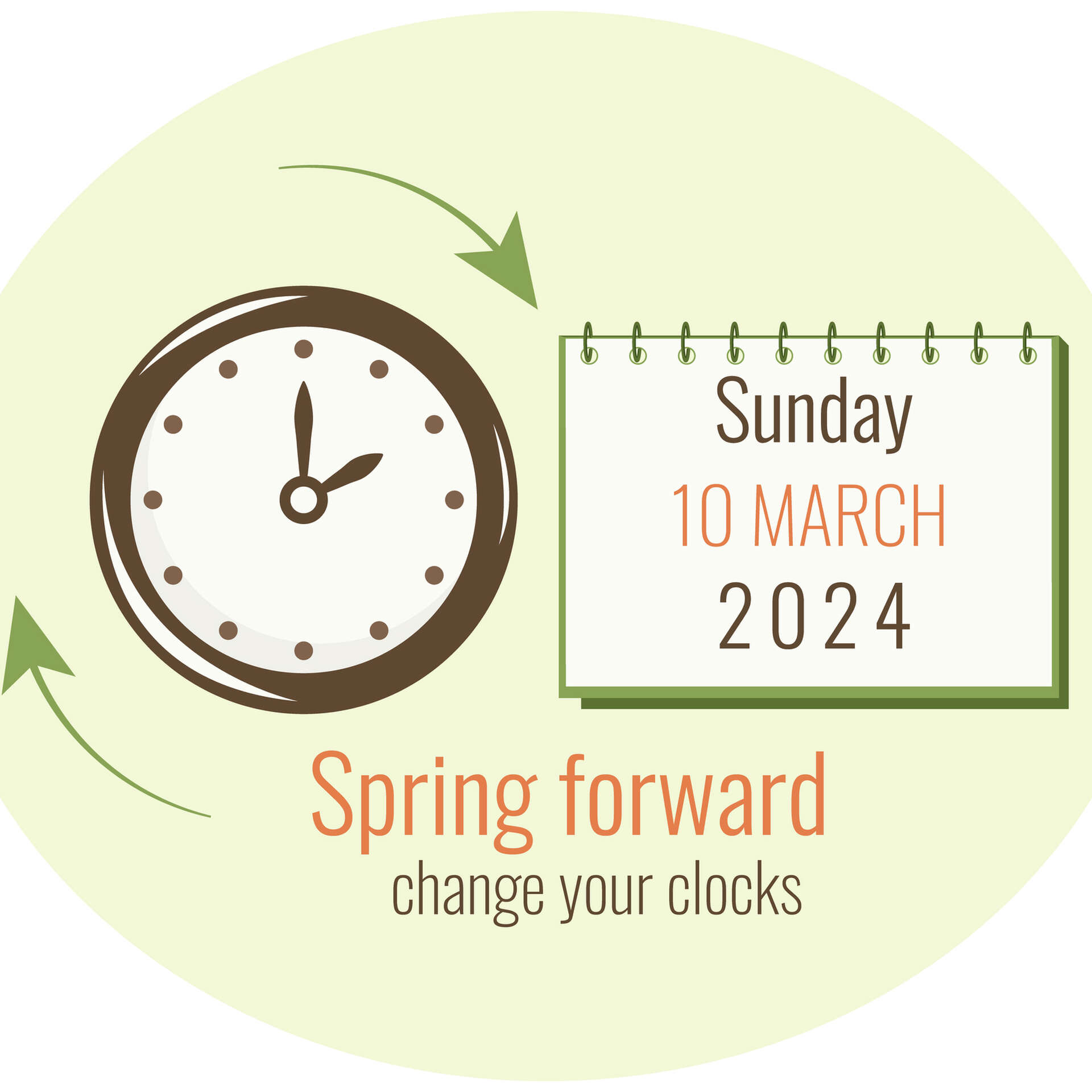
- Spring Forward: Clocks are advanced by one hour on the second Sunday in March. This typically occurs at 2:00 AM local time, meaning the time immediately jumps to 3:00 AM. This transition marks the beginning of longer daylight hours in the evening, a welcome change for many after the shorter days of winter.
- Fall Back: Clocks are set back by one hour on the first Sunday in November. Again, this happens at 2:00 AM local time, with the clock reverting to 1:00 AM. This effectively grants an extra hour of sleep to most, though it also ushers in earlier sunsets.
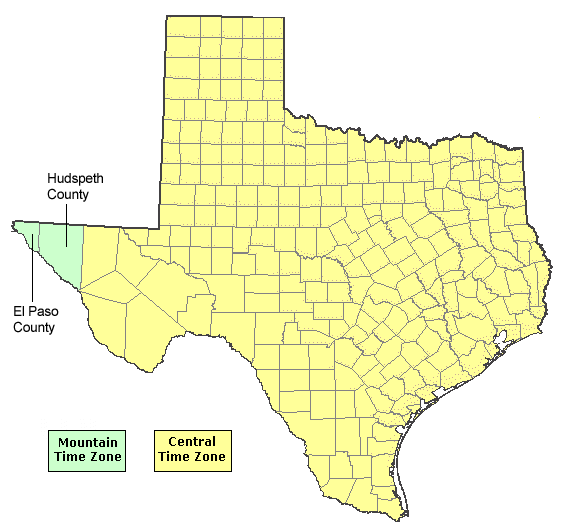
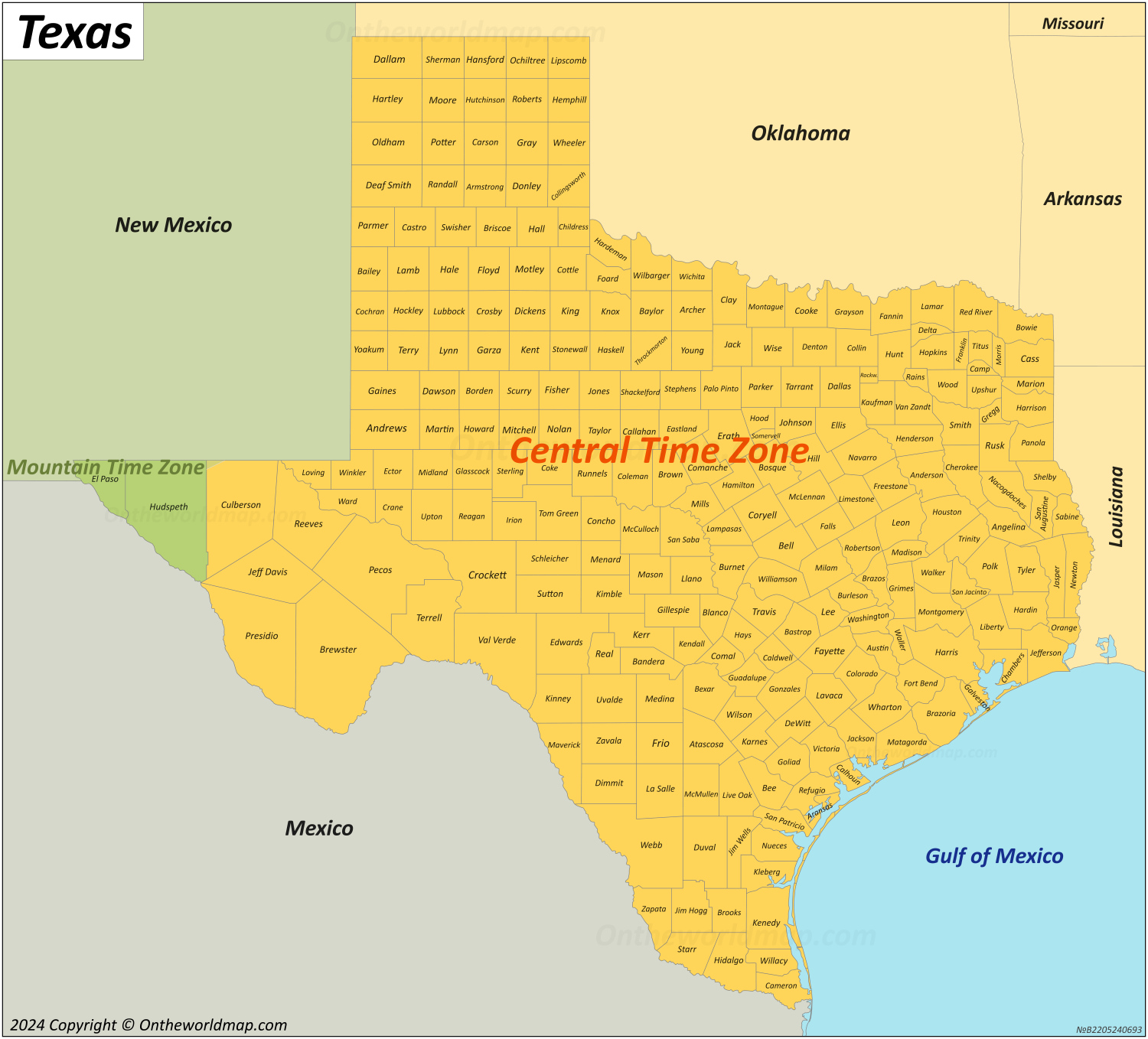
It’s important to note that while the majority of Texas observes DST, there is one small exception. The westernmost county, El Paso, which operates on Mountain Time, also follows this schedule. The only two U.S. states that do not observe DST are Arizona (with the exception of the Navajo Nation) and Hawaii, providing a consistent benchmark for those considering travel to or from these regions.
A Brief History of DST and Texas’s Involvement
The concept of Daylight Saving Time isn’t a modern invention, with roots tracing back to various proposals in the late 18th and early 20th centuries. Germany was the first country to implement it nationally in 1916 during World War I, aiming to conserve coal. The United States followed suit in 1918. However, after the war, it was repealed at the federal level, leading to a patchwork of local ordinances.
During World War II, a “War Time” was reinstituted nationwide by President Franklin D. Roosevelt, keeping clocks ahead by an hour year-round from 1942 to 1945. After the war, the lack of uniformity became a significant issue, particularly for industries like transportation and broadcasting, causing confusion as one traveled between cities or states. It was the Uniform Time Act of 1966 that finally standardized the start and end dates for DST across the country, aiming to reduce chaos and streamline schedules.
Texas, with its sprawling landscape and significant agricultural and industrial sectors, quickly adopted the federal guidelines. The state has, on several occasions, engaged in debates regarding the continuation or repeal of DST, reflecting the broader national conversation. Various legislative attempts have been made over the decades to either make DST permanent or abolish it entirely within the state, but none have succeeded in changing the current biannual clock adjustments. The state’s reliance on coordinated schedules for everything from NCAA sports games to flight departures at Dallas/Fort Worth International Airport means that alignment with federal guidelines is often seen as the path of least resistance.
The Rationale Behind the Change
The original arguments for DST primarily centered on energy conservation and maximizing daylight. The theory was that by shifting an hour of daylight from the morning to the evening, people would use less artificial lighting. While this argument has been widely debated and often debunked by modern research, other benefits are frequently cited.
- Extended Evening Daylight: Many argue that an extra hour of daylight in the evening promotes outdoor activities, retail sales, and recreational pursuits. This is particularly relevant for the tourism sector, as it allows visitors more time to enjoy attractions, parks, and outdoor dining.
- Public Safety: Some studies suggest that later sunsets can reduce traffic accidents and crime rates, as more people are commuting or out during daylight hours.
- Economic Impact: Industries from retail to hospitality often advocate for DST, believing that the extended evening daylight encourages consumers to shop, dine out, and participate in leisure activities, thereby boosting local economies.
Despite these purported benefits, the debate over DST continues to be robust, particularly concerning its potential negative impacts on health, productivity, and agricultural schedules.
The Impact of Time Changes on Travel and Tourism in Texas
For those planning to visit or travel within Texas, understanding the nuances of Daylight Saving Time is more than just a matter of setting a clock; it profoundly impacts itinerary planning, accommodation choices, and the overall travel experience.
Planning Your Texas Itinerary Around DST
Travelers embarking on a Texas adventure need to factor in DST for several reasons. When clocks “spring forward” in March, an hour is lost. This can affect early morning flight departures, pre-booked tours, or even just getting breakfast at your hotel. If your flight arrives early morning on the day of the change, you might find yourself arriving an hour “later” than anticipated relative to your body clock. Conversely, “falling back” in November means gaining an hour, which can be disorienting for internal schedules but offers a grace period for those early morning excursions.
- Flight and Bus Schedules: While airlines and bus companies adjust their timetables, it’s essential for travelers to double-check their departure and arrival times, especially for flights scheduled around the 2:00 AM changeover. A late-night flight transitioning into the time change can lead to confusion if not properly accounted for.
- Road Trips: Texas is a vast state, perfect for road trips. While the entire state generally operates on the same time (Central Time, except El Paso which is Mountain Time), crossing state lines into a non-DST observing area (like Arizona if driving west) or a different time zone on the day of the change can add layers of complexity. Always confirm local times for your destinations.
- Outdoor Activities: The shift in daylight hours is a boon for outdoor enthusiasts. During DST, longer evenings mean more time to explore natural wonders like Big Bend National Park or the beaches of Padre Island National Seashore. Hiking, kayaking, or simply enjoying a sunset over the Gulf Coast become more accessible after a day of work or sightseeing.
Accommodation and Hotel Considerations
Hotels and other accommodation providers are well-versed in DST adjustments, but travelers should still be mindful.
- Check-in/Check-out Times: While hotel systems automatically update, guests checking in or out precisely at 2:00 AM on the day of the change might encounter slight delays or confusion. It’s rare, but good to be aware.
- Booking Systems: When booking accommodations online, ensure that the times displayed (e.g., for early check-in requests, amenity usage) are understood in the context of the upcoming or recent time change.
- Hotel Amenities and Services: Dining hours, pool schedules, and shuttle services at resorts like Moody Gardens in Galveston are typically adjusted to the new time, aligning with local business hours. However, those relying on precise timings for meals or gym access should confirm with the front desk. For luxury travelers seeking specific amenities at boutique hotels such as Hotel ZaZa in Houston or historic stays like The Driskill Hotel in Austin, it’s wise to confirm operating hours immediately upon arrival.
Navigating Attractions and Experiences
Texas is replete with iconic landmarks, historical sites, and vibrant cultural experiences. DST directly influences the operating hours and accessibility of many of these.
- Landmarks and Museums: Institutions like The Alamo in San Antonio, Space Center Houston, or the Sixth Floor Museum in Dallas will adjust their opening and closing times to align with the new daylight hours. During DST, these sites may stay open later, allowing for more leisurely visits, while after “falling back,” they might close earlier as darkness descends sooner. Always check the official websites for the most current operating hours.
- Outdoor Activities and Tours: Guided tours, boat rides on the San Antonio River Walk, or visits to vineyards in the Texas Hill Country benefit from the extended evening light during DST. This allows for more tour slots or simply more enjoyable experiences without rushing against the sunset. For those exploring unique places like Cadillac Ranch near Amarillo, the extra daylight provides better photo opportunities.
- Local Festivals and Events: Texas is known for its lively festivals, particularly in charming towns like Fredericksburg or Grapevine. Event organizers meticulously plan schedules around DST to maximize participation and enjoyment, especially for evening events that might include live music or outdoor markets.
Local Culture and Lifestyle Adjustments
Beyond tourism, DST subtly shapes the daily rhythm of life in Texas.
- Dining and Nightlife: Many Texans enjoy dining out, and the later sunsets during DST encourage longer evenings on patios and terraces. Bars and entertainment venues often see increased patronage as people feel they have more time before the night truly sets in.
- Family Trips and Activities: Families benefit from the extended daylight, allowing for after-school sports, park visits, and evening strolls without the rush to beat nightfall. This contributes to a more relaxed and active lifestyle.
- Business Stays: For business travelers, the time change primarily impacts personal schedules and coordination with colleagues in different time zones. While Texas operates mostly in one time zone, coordinating with teams on the East or West Coast requires careful consideration, especially around the DST transitions. A business dinner might feel later or earlier depending on the recent shift.
The Ongoing Debate: To Spring Forward or Stay Put?
The debate over Daylight Saving Time is a perennial one, reaching fever pitch in state legislatures and congressional halls across the United States. Texas is no stranger to this conversation, with various bills introduced over the years seeking to either abolish DST or make it permanent. The arguments are complex, touching upon economics, public health, and lifestyle.
Economic Implications for Texas Businesses
The business community in Texas offers divided opinions on DST.
- Tourism and Retail Boosters: Proponents often cite the economic advantages for tourism, hospitality, and retail sectors. Extended daylight hours in the evening are believed to encourage more consumer activity, from outdoor dining on the San Antonio River Walk to shopping in Houston’s Galleria. Theme parks like Six Flags Over Texas and other attractions might see increased patronage in the evenings.
- Agricultural and Service Industry Concerns: Conversely, the agricultural sector often expresses challenges, particularly in coordinating farm work with changing daylight and animal schedules. Early morning shifts in construction or other outdoor labor-intensive industries can also be disrupted by the sudden shift in light. Energy consumption, a key historical argument for DST, has been shown by more recent studies to be either negligible or even to increase in some areas due to increased use of air conditioning in the evenings.
Health and Well-being Perspectives
Medical and public health experts frequently weigh in on the health impacts of DST.
- Sleep Disruption: The “spring forward” transition is particularly scrutinized for its effect on circadian rhythms, leading to temporary sleep deprivation and potential increases in heart attacks, strokes, and traffic accidents in the days immediately following the change. This can impact residents and travelers alike, affecting mood, concentration, and overall well-being.
- Mental Health: Some studies suggest a link between the abrupt shift in daylight exposure and mood disorders, particularly seasonal affective disorder. While many enjoy the longer evenings of summer, the sudden return to earlier darkness in autumn can be jarring.
- Children’s Schedules: Families with young children often struggle to adjust routines around the time changes, impacting sleep patterns and school performance.
Legislative Efforts and Future Prospects
In recent years, the movement to end DST has gained significant traction. States like Florida and California have passed legislation to make DST permanent, pending federal approval. In Texas, state representatives and senators have periodically introduced bills to keep the state on standard time year-round or to observe DST permanently. For example, some proposals sought to make Texas permanently observe Central Standard Time, avoiding the spring forward entirely. Others have aimed to keep the state on Daylight Saving Time year-round, essentially giving residents permanent “extra” evening daylight.
However, the federal Uniform Time Act currently mandates that states wishing to opt out of DST must observe standard time year-round; they cannot observe DST permanently without a change in federal law. This legislative hurdle means that individual states, including Texas, are bound by federal guidelines unless Congress acts. The ongoing push for a federal “Sunshine Protection Act” that would make DST permanent nationwide indicates a growing desire for consistency and an end to the biannual clock adjustments. Until such federal action occurs, Texas will continue its biannual time shifts.
Maximizing Your Texas Experience Regardless of the Clock
Regardless of the ongoing debate or the minor inconveniences, DST is a current reality for Texas. Travelers and residents can employ strategies to make the most of their time in the state.
Tips for Adjusting to the Time Change
- Adjust Gradually: A few days before the change, try adjusting your sleep schedule by 15-30 minutes each day.
- Prioritize Sleep: Ensure you get adequate sleep, especially in the week following the “spring forward” change.
- Embrace Natural Light: Seek out natural light in the mornings to help regulate your body clock. Morning walks or breakfast on a sunny patio can be beneficial.
- Stay Hydrated and Eat Well: Maintain healthy habits to help your body adapt more smoothly.
- Plan Ahead: If you have critical appointments, flights, or tours around the time change, double-check times and consider setting multiple alarms.
Embracing Year-Round Texas Adventures
Texas offers an incredible array of experiences throughout the year, independent of the time change.
- Spring Forward Joys: The longer evenings of DST are perfect for enjoying outdoor patios in Austin, evening strolls on the River Walk in San Antonio, or exploring the vibrant nightlife in Dallas. It’s an ideal time for extended visits to historical sites like Southfork Ranch or enjoying scenic drives through the Hill Country before sunset.
- Fall Back Opportunities: While evenings grow shorter, the “fall back” period brings earlier sunrises, which are fantastic for morning birdwatching at Aransas National Wildlife Refuge or catching the sunrise over the vast plains near Lubbock. It’s also prime season for exploring cities like Waco and its historic sites or enjoying cooler weather for hiking in state parks before the midday heat. The holiday season also kicks off with the extra hour, allowing for more festive events in the evenings.
In conclusion, the question “When is the time change in Texas?” is more than just a calendar query; it’s an inquiry into a practice that shapes daily routines, influences travel plans, and fuels an ongoing societal debate. By understanding the federal schedule – springing forward on the second Sunday in March and falling back on the first Sunday in November – both residents and visitors can navigate the nuances of Daylight Saving Time in the Lone Star State with ease, ensuring their Texas adventures are as smooth and enjoyable as possible. Until federal law dictates otherwise, adjusting our clocks remains an annual ritual, a small pause in our routines that subtly yet significantly shifts the rhythm of life across this expansive and welcoming state.
LifeOutOfTheBox is a participant in the Amazon Services LLC Associates Program, an affiliate advertising program designed to provide a means for sites to earn advertising fees by advertising and linking to Amazon.com. Amazon, the Amazon logo, AmazonSupply, and the AmazonSupply logo are trademarks of Amazon.com, Inc. or its affiliates. As an Amazon Associate we earn affiliate commissions from qualifying purchases.