
Embarking on a new adventure, whether it’s a temporary stay to explore the vibrant culture of Texas or a permanent relocation to its sprawling landscapes, often involves a crucial administrative step: obtaining a state identification card. For anyone venturing into the heart of the Lone Star State, understanding “Where Do I Get A Texas State ID?” is not just about bureaucracy; it’s about unlocking seamless travel, enjoying local tourism, simplifying accommodation check-ins, and establishing a foundation for an enriched lifestyle within one of the most dynamic states in the United States.
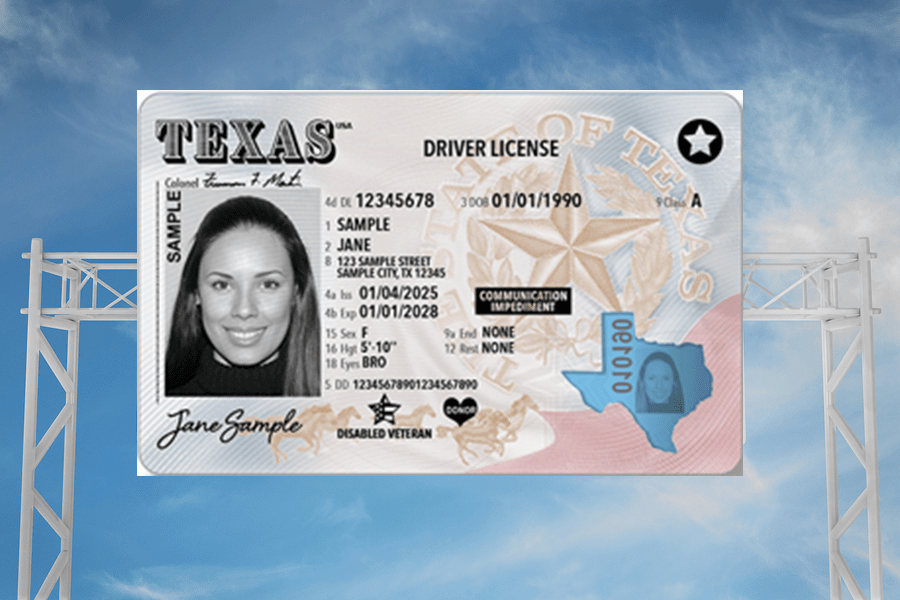
A Texas State ID serves as more than just a piece of plastic; it is your gateway to hassle-free experiences across a spectrum of activities. From confirming your identity at an upscale Dallas hotel to gaining entry to age-restricted attractions in Austin, or even simply cashing a check, this official document is indispensable. For the avid traveler, it means smooth sailing through airport security when flying domestically under the REAL ID Act guidelines. For those settling in, it’s a key step in establishing residency, accessing local services, and truly integrating into the Texas community. This comprehensive guide will walk you through the process, linking each step to how it enhances your travel, tourism, and overall lifestyle in Texas.
Understanding the Importance of a Texas State ID for Your Lifestyle and Travel
The value of a Texas State ID extends far beyond merely proving your name and birthdate. It’s a fundamental tool that streamlines countless aspects of modern life, especially for individuals with an active travel schedule or those making a significant move.
Beyond Driving: An ID for Seamless Travel and Exploration
While many associate state IDs with driving, a Texas State ID (which is distinct from a driver’s license) is indispensable for non-drivers and individuals who prefer alternative modes of transport. For instance, when you’re flying out of George Bush Intercontinental Airport in Houston or Dallas/Fort Worth International Airport, your state ID, compliant with the REAL ID Act, is the primary document required by the Transportation Security Administration (TSA) for domestic air travel. This ensures a swift and stress-free journey to your next destination, whether it’s a beach getaway on the Gulf Coast or a business trip to another state.
Beyond air travel, a state ID simplifies many aspects of your travel itinerary. Checking into a hotel, whether it’s a luxury resort in San Antonio or a cozy boutique accommodation in Austin, almost always requires a valid photo ID. This document also allows you to rent a car to explore vast Texas landscapes, from the vibrant cityscape of Fort Worth to the rugged beauty of Big Bend National Park. Furthermore, exploring local attractions, historical landmarks like the Alamo in San Antonio, or even simply purchasing tickets for a concert or sporting event often necessitates age verification, which your state ID flawlessly provides. It’s your passport to fully immersing yourself in the rich tapestry of Texas experiences without a hitch.
Establishing Residency and Accessing Local Benefits
For those planning an extended stay or a permanent move to Texas, obtaining a state ID is a foundational step in establishing residency. This official recognition opens doors to numerous local benefits and services that enhance your lifestyle. For example, it allows you to register for a local library card, access resident-specific discounts at various tourist attractions or state parks, and enroll children in local schools. It is often required for utility hookups, opening bank accounts, and registering to vote, all critical components of settling into a new community.
Moreover, having a Texas State ID can facilitate certain financial transactions and access to government services at a local level. Whether you’re applying for local permits, accessing health services, or simply picking up a package from the post office, a valid Texas ID verifies your local presence and identity. This is particularly beneficial for remote workers or digital nomads who choose Texas as their home base, as it grounds them within the local economy and community, making their long-term accommodation feel more like a true home. It underpins a sense of belonging and empowers you to fully engage with everything Texas has to offer, from its bustling urban centers to its tranquil rural retreats.
The Core Process: How to Apply for Your Texas State ID
Navigating government procedures can sometimes feel daunting, but obtaining a Texas State ID is a straightforward process when you’re prepared. The key is understanding the requirements and the steps involved to ensure a smooth application.
Required Documents: Preparing for a Smooth Application
The Texas Department of Public Safety (DPS), the agency responsible for issuing state IDs, requires applicants to provide several documents to prove identity, residency, and legal presence in the United States. Proper preparation is crucial to avoid multiple trips and delays, ensuring your travel and lifestyle plans stay on track.
Typically, you will need to present:
- Proof of Identity: This is often the most critical component. Acceptable documents include your original birth certificate (with a raised seal), a valid United States passport or passport card, or a Certificate of Naturalization. For non-US citizens, valid immigration documents from the United States Citizen and Immigration Services (USCIS) are required, such as a Permanent Resident Card (Green Card), Employment Authorization Document (EAD), or a valid foreign passport with an approved I-94 record. These documents are vital for verifying who you are, a foundational aspect of security in travel and financial transactions.
- Proof of Social Security Card Number: Your original Social Security Card or a W-2 form, SSA-1099 form, or a pay stub with your name and Social Security Number on it is typically required. The Social Security Administration provides this essential identifier which helps verify your eligibility for various services and ensures the integrity of the identification system.
- Proof of Texas Residency: You’ll need at least two documents showing your current residential address in Texas. Examples include a current utility bill (electricity, water, natural gas, internet), a current lease agreement or mortgage statement, a deed, a voter registration card, or a medical insurance statement. These documents confirm your connection to the state, which is essential for establishing local services and accessing resident benefits. For those exploring long-term accommodation options, having a lease or utility bill quickly makes this requirement achievable.
- Proof of Lawful Presence: For non-US citizens, documents verifying your legal presence in the United States, such as an unexpired visa, I-94, or permanent resident card, are necessary. The validity period of your ID may be tied to your immigration status.
Always check the official Texas DPS website for the most current and comprehensive list of acceptable documents, as requirements can sometimes change. Having all your documents organized and readily accessible before your visit will significantly expedite the process, allowing you more time to enjoy the diverse attractions of Texas.
Locating a DPS Office and Scheduling Your Visit
With your documents in hand, the next step is to locate a DPS Driver License Office near you and schedule an appointment. Texas is a vast state, home to major cities like Houston, San Antonio, Dallas, Austin, Fort Worth, and El Paso, all of which have multiple DPS locations. Even smaller towns and communities across the state host DPS offices, making access generally convenient.
The DPS website offers an online tool to find the nearest office by zip code or city. It also typically provides information on services offered at each location, hours of operation, and, most importantly, the option to schedule an appointment. Scheduling an appointment online is highly recommended and often essential, as walk-in services can involve significant wait times. This pre-planning aligns perfectly with an organized travel or lifestyle approach, minimizing downtime and maximizing your opportunity to explore. By booking ahead, you can choose a time that fits seamlessly with your tourism plans, whether you’re planning a morning visit before exploring the River Walk in San Antonio or an afternoon slot after a business meeting in Dallas. This efficiency is a hallmark of a well-managed lifestyle, especially for those balancing work, travel, and settling into a new environment.

What to Expect at the DPS Office and After Your Application
Once you have meticulously gathered your documents and secured an appointment, the visit to the DPS office is the final hurdle before your Texas State ID is processed. Knowing what to expect can alleviate any potential stress and ensure a smooth experience.
The Application Experience: From Forms to Fingerprints
Upon arrival at your scheduled time, you will typically check in and be directed to a station where a DPS representative will review your documents. They will verify that you have all the necessary proofs of identity, residency, and lawful presence. This is why thorough preparation beforehand is paramount – any missing document can lead to rescheduling your appointment.
After the document review, you’ll be asked to complete an application form. This form typically requests basic personal information, including your full name, date of birth, current address, and Social Security Number. Following this, you will proceed to pay the application fee. The fee for a Texas State ID is generally quite modest and can be paid by cash, check, or credit card, though it’s wise to confirm acceptable payment methods beforehand.
Next, you will undergo a vision test to ensure your eyesight meets the minimum standards. This is a quick process, even for a non-driver ID, as it’s a general safety measure for any state-issued identification. Your fingerprints will also be digitally captured. This biometric data is a standard security measure used for identification verification and helps prevent identity theft, contributing to a more secure environment for travelers and residents alike. Finally, you will have your photo taken for the ID card. It’s advisable to present yourself neatly, as this photo will be on your official identification for years to come – a significant element for professional or travel-related interactions. The entire in-office process, with an appointment, is designed to be efficient, typically taking less than an hour, allowing you to quickly return to enjoying the many attractions that Texas offers, from the historic Space Center Houston to the cultural richness of the Sixth Floor Museum in Dallas.
Receiving Your ID and Immediate Uses
Once your application is complete and approved at the DPS office, you will typically receive a temporary paper ID. This temporary document is valid for immediate use and serves as official proof of your identification while your permanent plastic card is being manufactured and mailed to you. It’s perfectly acceptable for most purposes where an ID is required, such as domestic air travel (when accompanied by another form of secondary ID, like a credit card with your name, always check with TSA guidelines), hotel check-ins, or opening a bank account.
The physical Texas State ID card usually arrives by mail at the residential address you provided within a few weeks, typically 2-3 weeks, but processing times can vary. Upon receiving your permanent card, you can then enjoy the full breadth of benefits and convenience it offers. This includes a more robust and universally accepted form of identification for all your travel needs, from boarding flights at Austin-Bergstrom International Airport to renting equipment for outdoor adventures at places like Enchanted Rock State Natural Area. Your state ID will be your primary document for validating age at establishments like distilleries in Fredericksburg, gaining access to government buildings, and confirming your identity for secure transactions, thereby enriching your lifestyle and making every interaction smoother and more secure.
Special Considerations for Travelers and New Texas Residents
While the general process for obtaining a Texas State ID is straightforward, certain groups, such as non-US citizens or individuals constantly on the move, might encounter unique considerations. Understanding these nuances ensures a smooth and uninterrupted experience as you live and explore Texas or plan your travels within North America.
Non-US Citizens and International Visitors: Navigating the System
For individuals who are not United States citizens but are legally residing in Texas (e.g., permanent residents, those on work visas, or students), the process for obtaining a state ID shares many similarities but has specific document requirements. The primary difference lies in the proof of lawful presence and identity documents. Instead of a birth certificate or US passport, non-US citizens will need to present their unexpired immigration documents issued by the United States Citizen and Immigration Services (USCIS).
These can include:
- A Permanent Resident Card (Green Card)
- An Employment Authorization Document (EAD card)
- A valid foreign passport with an unexpired visa and an I-94 arrival/departure record
- A form I-797 approval notice (for certain non-immigrant statuses)
It’s crucial that these documents are unexpired and accurately reflect your current immigration status. The validity period of your Texas State ID will typically be tied to the expiration date of your immigration documents. This means that if your visa or EAD card expires in two years, your state ID will likely have the same expiration date, regardless of the standard ID validity period for US citizens. Therefore, planning for renewals of both your immigration documents and your state ID becomes an integral part of managing your lifestyle and travel plans in Texas. This detail is particularly important for individuals on long-term assignments or academic programs, ensuring continuous valid identification for everything from enjoying local tourism hotspots like Schlitterbahn Waterpark to essential daily activities.

Maintaining Your ID: Renewals and Updates for Continuous Travel
Just like any official document, your Texas State ID has an expiration date, and it’s essential to keep it current to avoid any disruptions to your travel plans or daily life. The standard validity period for a Texas ID is typically six years for US citizens, or it aligns with your lawful presence duration for non-US citizens. The DPS usually sends renewal notices by mail, but it’s ultimately your responsibility to track the expiration date.
Renewing your ID is often simpler than the initial application, with options for online renewal for eligible individuals, or in-person renewal at a DPS office if there are changes to your information or if an in-person visit is required (e.g., for a new photo).
Key considerations for maintenance include:
- Address Changes: If you move within Texas, you must update your address with the DPS within 30 days. This can often be done online or in person. A correct address ensures you receive important mail and that your ID accurately reflects your current residency, which is vital for booking long-term accommodation or receiving important documents.
- Name Changes: A legal name change (due to marriage, divorce, etc.) requires an in-person visit to a DPS office with supporting legal documentation (e.g., marriage certificate, court order) to update your ID.
- Lost or Stolen ID: Report a lost or stolen ID immediately and apply for a replacement. This protects you from identity theft and ensures you always have valid identification for travel and other necessities.
Keeping your Texas State ID current and accurate is a fundamental aspect of responsible living and traveling. It minimizes potential headaches during airport security checks, hotel registrations, or any situation requiring official identification. For those embracing the dynamic lifestyle offered by Texas, a well-maintained state ID is a small but mighty tool that facilitates every journey, ensures peace of mind, and ultimately enhances your ability to explore and thrive in this expansive and welcoming state.
In conclusion, obtaining a Texas State ID is a foundational step for anyone looking to fully immerse themselves in the diverse offerings of the Lone Star State, whether for tourism, long-term accommodation, or simply establishing a new life. It serves as your reliable companion for hassle-free travel, secure transactions, and seamless integration into the local community, empowering you to explore everything from bustling cityscapes to serene natural landmarks with confidence and ease. By understanding the process and preparing diligently, you can quickly unlock the full potential of your Texas adventure.
LifeOutOfTheBox is a participant in the Amazon Services LLC Associates Program, an affiliate advertising program designed to provide a means for sites to earn advertising fees by advertising and linking to Amazon.com. Amazon, the Amazon logo, AmazonSupply, and the AmazonSupply logo are trademarks of Amazon.com, Inc. or its affiliates. As an Amazon Associate we earn affiliate commissions from qualifying purchases.