
Understanding the financial landscape for educators is crucial, not just for those considering a teaching career in the Lone Star State, but also for anyone interested in the broader economic factors that shape local communities and individual lifestyles. For many, the ability to explore Texas’s vast destinations, enjoy its diverse attractions, or even embark on a well-deserved vacation hinges significantly on their income. This article delves into how much teachers earn in Texas, exploring the nuances of their salaries and connecting these figures to their potential for travel, local engagement, and overall quality of life. From choosing suitable accommodation to planning weekend getaways, a teacher’s income is a foundational element in their daily and long-term lifestyle decisions.
The Financial Landscape for Texas Educators
The teaching profession in Texas is as diverse as the state itself, with salaries varying widely based on experience, educational attainment, specific school district, and even the subject taught. While the commitment to education is universal, the financial rewards can differ significantly, directly influencing a teacher’s ability to partake in the vibrant culture, utilize various amenities, or plan future travel experiences. For individuals passionate about teaching, understanding these financial realities is a critical step in career planning and envisioning their future in Texas. It’s not just about the numbers; it’s about what those numbers mean for a sustainable and fulfilling lifestyle within the state’s diverse economic regions.
Salary Averages and Variations Across the Lone Star State
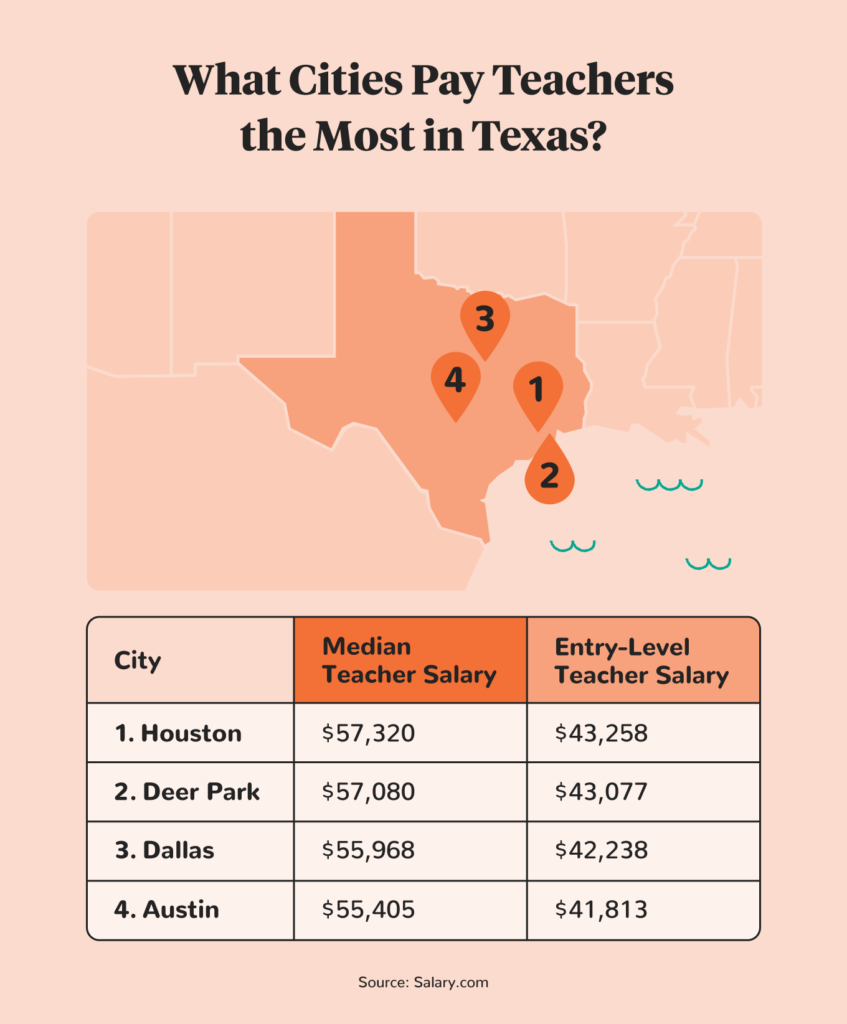
The average teacher salary in Texas typically hovers around $58,000 to $62,000 per year, though this is a statewide average and conceals significant variations. Entry-level teachers, often fresh out of college, might start in the low to mid-$40,000s, while highly experienced educators with advanced degrees in sought-after fields like STEM or special education can command salaries upwards of $70,000 or even $80,000 in affluent districts. These figures are crucial when considering the cost of living in various parts of Texas. For instance, a teacher making $55,000 in a rural district near Amarillo might have a higher disposable income than one earning $65,000 in Austin or Dallas, where housing costs and general expenses are substantially higher.
School districts in major metropolitan areas, such as Houston ISD, Dallas ISD, and Austin ISD, often offer more competitive starting salaries and better benefits packages to attract talent, given the higher cost of living in these urban centers. For example, a new teacher in Houston might start at $56,000, while a peer in a smaller town like Fredericksburg could start at $48,000. These differences influence everything from the type of apartments or homes teachers can afford to their ability to save for experiences like a weekend stay at a boutique hotel or a longer family trip during school breaks. The economic landscape directly shapes the choices available to educators, making location a paramount consideration for aspiring teachers in Texas.

Impact on Lifestyle and Local Engagement
A teacher’s salary profoundly impacts their daily lifestyle and capacity for local engagement. In Texas, a state renowned for its diverse food scene, historical landmarks, and outdoor activities, having adequate disposable income allows teachers to truly immerse themselves in their communities. For example, teachers earning on the higher end of the spectrum in a city like San Antonio might more easily afford tickets to a Spurs game, dine at acclaimed restaurants along the River Walk, or take their families to visit The Alamo. These are the kinds of tourism activities that enrich one’s life and deepen their connection to their surroundings.
Conversely, teachers in lower-paying districts or areas with a higher cost of living may need to be more strategic with their budgets. They might prioritize free or low-cost attractions, such as exploring local parks, visiting public museums on free days, or participating in community events. Budget travel becomes a necessity rather than a choice, often limiting travel to day trips or camping rather than stays at resorts or luxury hotels. The choice of accommodation, whether it’s renting a modest apartment or aspiring to homeownership, is directly tied to their earning potential. This financial reality shapes how teachers experience Texas, influencing their ability to enjoy the state’s cultural richness and recreational opportunities beyond the classroom.
Exploring Affordability and Quality of Life in Texas Cities
The choice of where to teach in Texas is not merely about finding an open position; it’s about evaluating the total package of salary versus cost of living, and how that equation translates into quality of life. For educators, this directly impacts their daily comfort, their ability to save, and their capacity to enjoy the diverse lifestyle options Texas offers, from vibrant city centers to serene natural escapes. This section explores how different Texas cities stack up in terms of affordability for teachers, and what implications these differences have for their housing choices, access to amenities, and overall well-being.
Major Urban Centers vs. Quaint Towns
Texas offers a spectrum of living environments, each with its own cost structure. Major urban centers like Austin, Dallas, Houston, and San Antonio provide more job opportunities and often higher salaries for teachers, but they also come with a significantly higher cost of living, particularly for housing. Rent for a one-bedroom apartment in Austin, for example, can easily exceed $1,500-$2,000 per month, making it challenging for a new teacher earning $50,000 to live comfortably without a roommate or a significant commute. These cities, however, are also hubs for tourism and culture, offering countless attractions like the Sixth Street Historic District in Austin, the Dallas Arts District, or Houston’s Museum District. Access to these experiences often comes at a price.
In contrast, teaching in a quaint town like Gruene, Jefferson, or Canyon might mean a lower salary, but also a substantially lower cost of living. Housing is often more affordable, daily expenses are reduced, and commutes are shorter. While these towns may not have the extensive array of luxury hotels or gourmet dining options found in larger cities, they often boast unique local culture, access to nature-based landmarks like Palo Duro Canyon State Park near Amarillo, and a strong sense of community. For some teachers, the trade-off of a slightly lower salary for a more peaceful and affordable lifestyle is a worthwhile exchange, allowing them to enjoy local tourism and simple pleasures without financial strain.

Accommodation Choices and Their Implications
A teacher’s salary is the primary determinant of their accommodation choices in Texas. In high-cost urban areas, many teachers, especially those new to the profession, often opt for shared housing or apartments further from the city center to manage rent. This can lead to longer commutes, impacting their free time and energy, which could otherwise be spent on local tourism or personal enrichment. Some districts, recognizing these challenges, offer housing stipends or connect teachers with affordable housing programs. Austin’s rapidly escalating housing market, for instance, has driven many educators to live in surrounding towns like Pflugerville or Round Rock.
For teachers aspiring to homeownership, a stable and increasing salary is crucial. While mortgage rates are subject to market fluctuations, the ability to save for a down payment is directly linked to disposable income. In more affordable regions of Texas, teachers might achieve homeownership sooner, providing a sense of stability and enabling them to invest in their homes, which can feel like a long-term accommodation and lifestyle choice. For those who choose or need to rent, options range from modern suites in city centers (likely only for those with higher salaries or shared living arrangements) to more traditional suburban homes, impacting their daily commute and access to urban amenities. The type of accommodation not only dictates comfort but also proximity to recreational attractions and opportunities for spontaneous local tourism.
Beyond the Classroom: Teachers’ Lifestyle and Travel Aspirations
Teachers work incredibly hard, dedicating their days to educating the next generation. When school breaks arrive, or during precious weekends, the desire to unwind, explore, and embark on new experiences is strong. However, a teacher’s salary in Texas often dictates the scope and nature of these travel and lifestyle aspirations. While a luxury travel experience might be a distant dream for many, creative budgeting and strategic planning can open doors to memorable destinations and enriching tourism within and beyond the Lone Star State.
Budget-Friendly Escapes and Local Exploration
For many Texas teachers, budget travel is the key to unlocking vacation potential. Fortunately, Texas itself is a treasure trove of affordable destinations and activities. Weekends often lend themselves to exploring nearby state parks like Big Bend Ranch State Park or Mustang Island State Park, where camping or cabin rentals offer economical accommodation options. Day trips to historical towns such as Galveston, with its charming architecture and beach access, or New Braunfels, known for the Comal and Guadalupe Rivers, provide enriching local tourism without the expense of flights or luxury hotels.
Teachers might also leverage school holidays for slightly longer, yet still budget-conscious, trips. Destinations within driving distance, such as Oklahoma City or New Orleans, can offer a change of scenery and culture without breaking the bank. Accommodation might involve staying at moderately priced hotels, vacation rentals, or even apartments booked through services that offer weekly rates. The focus shifts to maximizing value through self-catering options and seeking out free or low-cost attractions, ensuring that educational and cultural enrichment remains at the forefront of their travel plans.
The Role of Teacher Discounts and Off-Season Travel
Savvy Texas teachers often utilize specific strategies to make their travel dreams a reality. One significant advantage is the availability of teacher discounts. Many attractions, museums, national parks, and even some hotels or car rental companies offer special rates for educators. Leveraging these discounts can lead to substantial savings, making certain destinations more accessible. For example, a teacher visiting a historical landmark in another state might inquire about an educator’s discount on admission, or find a special rate on a hotel suite for their family.
Another key strategy is off-season travel. While school holidays (summer, winter break, spring break) are the primary windows for travel, they are also peak seasons with higher prices for flights, accommodation, and attractions. Teachers, bound by school schedules, often find themselves paying peak season prices for popular destinations. However, by choosing less conventional destinations or booking well in advance, they can mitigate some of these costs. For instance, exploring the Texas Hill Country in late fall or early spring, outside of major tourist rushes, can offer beautiful scenery, milder weather, and more affordable hotel rates. Focusing on domestic travel and exploring the vastness of Texas itself often provides the most enriching experiences for a teacher’s budget.
Supporting Texas Educators for a Fulfilling Lifestyle
The compensation of teachers in Texas is a complex issue, influencing not only their daily economic reality but also their ability to lead a fulfilling lifestyle, including travel and engagement with local culture. While the average salary provides a baseline, significant variations exist across districts, demanding careful consideration for those entering the profession or planning their careers. The cost of living in major cities like Houston or Austin can strain a teacher’s budget, making choices about accommodation and discretionary spending critical.
However, Texas also offers numerous opportunities for educators to thrive, particularly in more affordable towns or through strategic financial planning. By embracing budget travel, utilizing teacher discounts, and exploring the wealth of local attractions and tourism within the state, teachers can still enjoy rich and rewarding experiences. Ultimately, a competitive salary for Texas teachers is not just about fair compensation; it’s about empowering them to enjoy the incredible destinations, diverse landscapes, and vibrant communities that make the Lone Star State such a unique place to live and work. Supporting educators financially translates directly into a more enriched life, allowing them to truly experience all that Texas has to offer, both inside and outside the classroom.
LifeOutOfTheBox is a participant in the Amazon Services LLC Associates Program, an affiliate advertising program designed to provide a means for sites to earn advertising fees by advertising and linking to Amazon.com. Amazon, the Amazon logo, AmazonSupply, and the AmazonSupply logo are trademarks of Amazon.com, Inc. or its affiliates. As an Amazon Associate we earn affiliate commissions from qualifying purchases.