
Yes, unequivocally, New York City operates within the Eastern Time Zone (ET). For anyone planning a visit, considering a move, or conducting business in the vibrant metropolis, understanding this fundamental aspect of its temporal rhythm is crucial. The Eastern Time Zone governs not just the official clock, but also dictates the pace of daily life, from morning commutes to late-night entertainment. From the moment you land at JFK Airport, LaGuardia Airport, or Newark Liberty International Airport, your internal clock will need to synchronize with ET. This article delves into what the Eastern Time Zone entails, its practical implications for travelers and residents, and how it shapes the unique experience of navigating one of the world’s most dynamic urban landscapes. Whether you’re planning a trip to iconic landmarks, booking a hotel suite, or simply trying to catch a Broadway show, knowing the time is essential for a seamless and enjoyable journey through New York.
Understanding New York’s Time Zone: Eastern Time
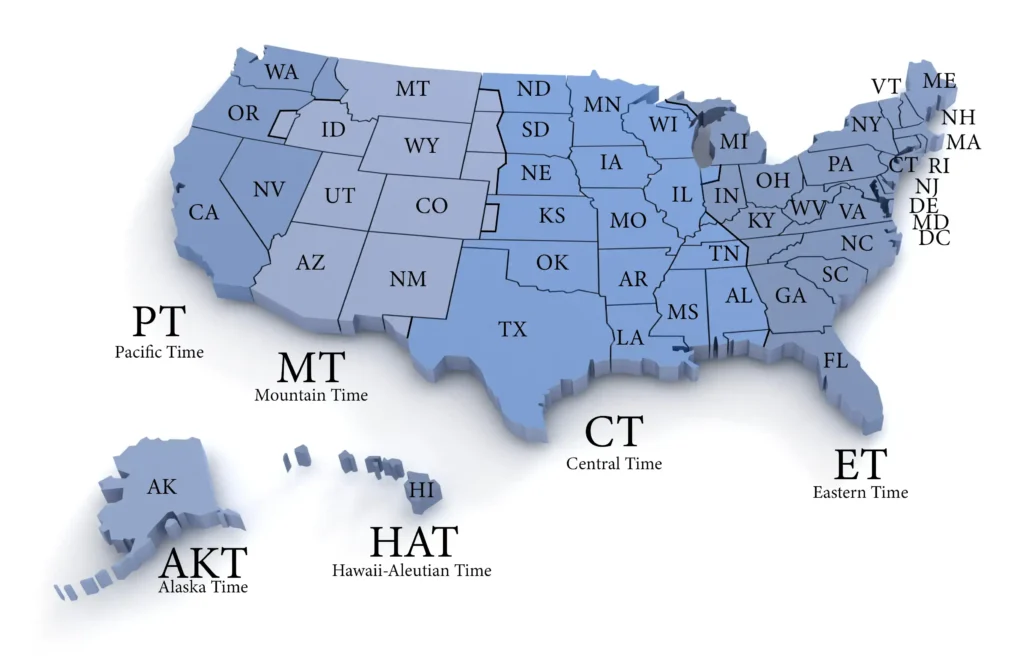
The intricate system of time zones was largely a response to the advent of widespread railway travel in the 19th century, which necessitated standardized timing to avoid collisions and facilitate consistent scheduling across vast distances. In the United States, this led to the establishment of four primary continental time zones, with New York falling squarely into the Eastern Time Zone. This geographical allocation plays a pivotal role in the daily operations of millions and significantly influences tourism and lifestyle within the region.
What is the Eastern Time Zone (ET)?
The Eastern Time Zone, often abbreviated as ET, is a time zone encompassing the entire East Coast of the United States and Canada. During standard time, which runs for roughly four months of the year, ET is five hours behind Coordinated Universal Time (UTC-5). This means that when it’s 12:00 PM UTC, it’s 7:00 AM in New York. This alignment ensures that cities like New York, Washington D.C., Miami, and Boston operate on the same clock, simplifying interstate travel, business transactions, and communication. The fixed nature of time zones brings a sense of order and predictability, essential for the high-paced environment of New York City, where every minute counts. From coordinating with international financial markets to setting appointments for local attractions, the consistent standard provided by ET is foundational.
The Role of Daylight Saving Time (DST)
A critical aspect of understanding New York’s time is the observation of Daylight Saving Time (DST). Most regions within the Eastern Time Zone, including New York, participate in DST, which shifts the clocks forward by one hour during the warmer months. This practice aims to make better use of natural daylight, extending evenings and theoretically saving energy. In the United States, DST begins on the second Sunday in March, when clocks “spring forward” from 2:00 AM ET to 3:00 AM EDT (Eastern Daylight Time). It then concludes on the first Sunday in November, when clocks “fall back” from 2:00 AM EDT to 1:00 AM ET. During DST, New York observes UTC-4. For travelers, especially those arriving from international destinations or other US time zones, this seasonal shift necessitates an extra layer of awareness. Confirming flight schedules, hotel check-in times, and event timings based on whether DST is in effect can prevent confusion and ensure a smooth travel experience. Modern technology, such as smartphones and smartwatches, usually adjusts automatically, but it’s always wise to double-check, especially for critical appointments.
Practical Implications for Travelers and Tourists
For any visitor to New York City, understanding the local time zone and its intricacies is far more than a trivial detail; it’s a cornerstone of effective planning and an enjoyable experience. From battling jet lag to meticulously scheduling a packed itinerary, temporal awareness impacts every facet of a trip.
Navigating Jet Lag and Travel Schedules
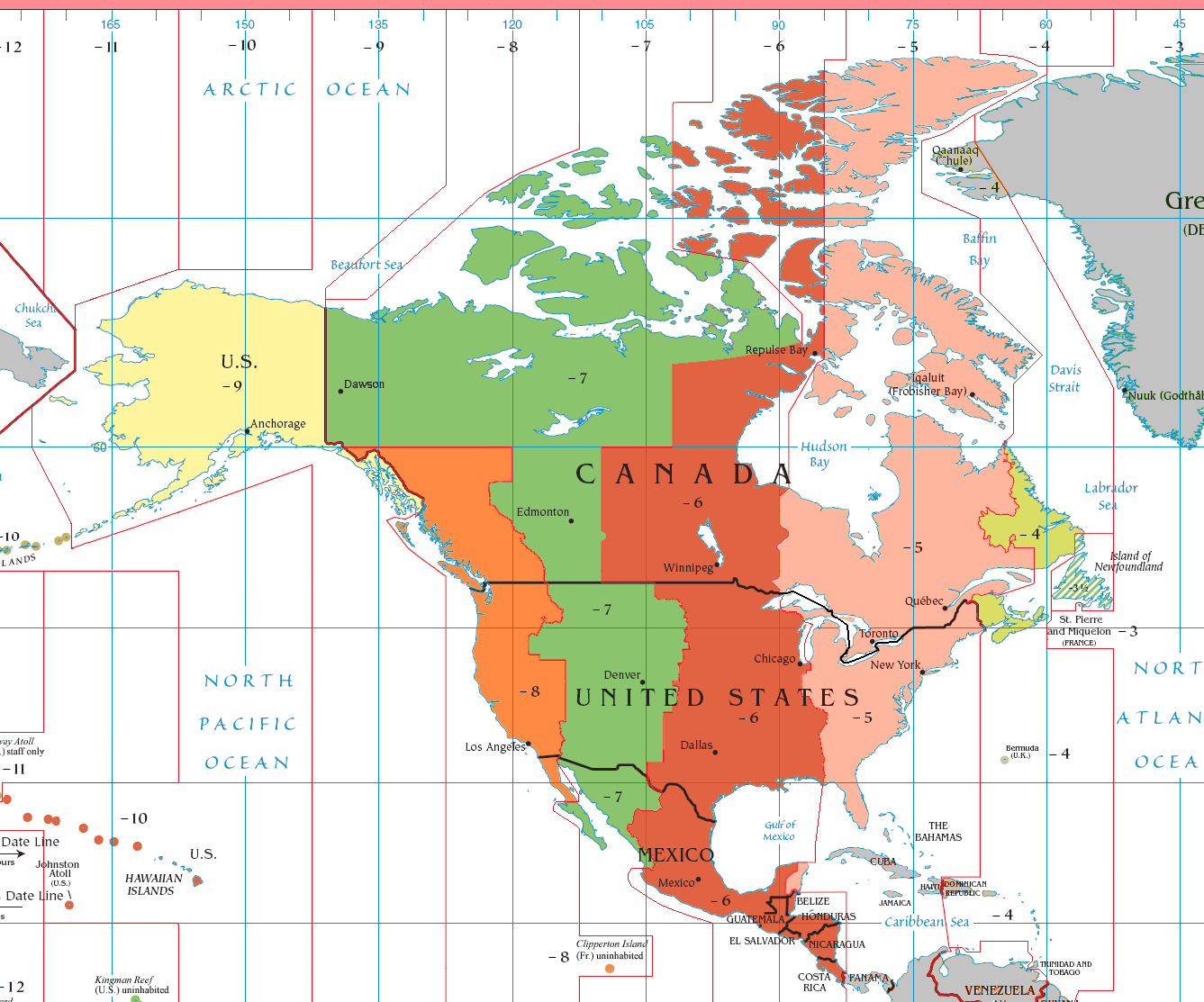
The most immediate challenge for international travelers, and even those from the West Coast of the United States, is jet lag. Crossing multiple time zones disrupts the body’s natural circadian rhythm, leading to fatigue, insomnia, headaches, and digestive issues. Arriving in New York’s Eastern Time Zone can mean a significant adjustment. For instance, someone flying from London (which is GMT/UTC+0 or BST/UTC+1) will experience a five or six-hour time difference, while a traveler from Los Angeles (Pacific Time, UTC-8) will face a three-hour shift.
To mitigate jet lag, experts recommend gradually adjusting your sleep schedule a few days before departure, staying hydrated during the flight, avoiding excessive caffeine and alcohol, and exposing yourself to natural daylight upon arrival in New York. Early morning flights often mean arriving in New York by afternoon, allowing for sunlight exposure and an earlier bedtime to align with the local clock. Confirming arrival times, especially for connecting flights, is paramount, as a missed connection due to time zone confusion can derail an entire trip. Moreover, if your accommodation offers early check-in, it can be a lifesaver for refreshing before embarking on your New York adventure.
Planning Your Itinerary: Attractions and Reservations
New York City is a treasure trove of attractions and experiences, but without proper time management, you risk missing out. Operating within the Eastern Time Zone, everything from museum opening hours to Broadway show curtain calls adheres strictly to ET or EDT. Museums like the Metropolitan Museum of Art and the Museum of Modern Art typically open between 10:00 AM and 11:00 AM and close around 5:00 PM or 5:30 PM, with some offering extended evening hours on certain days. Observation decks at the Empire State Building, Top of the Rock, and One World Observatory have specific operating hours, and sunset slots are particularly popular, requiring advance booking.
Dining in New York is an experience in itself, but popular restaurants often require reservations weeks or even months in advance. Understanding peak dining times (typically 7:00 PM to 9:00 PM for dinner) and booking accordingly within the Eastern Time Zone is essential. Broadway shows usually have evening performances starting at 7:00 PM or 8:00 PM, with matinees on Wednesdays, Saturdays, and Sundays, typically at 2:00 PM. Arriving at least 30 minutes before curtain time is advisable. Even visiting the Statue of Liberty or taking a ferry requires precise timing for departure slots. Failing to account for DST changes can also lead to confusion, potentially causing you to miss a timed entry or reservation.
Business Travel and Time Zone Coordination
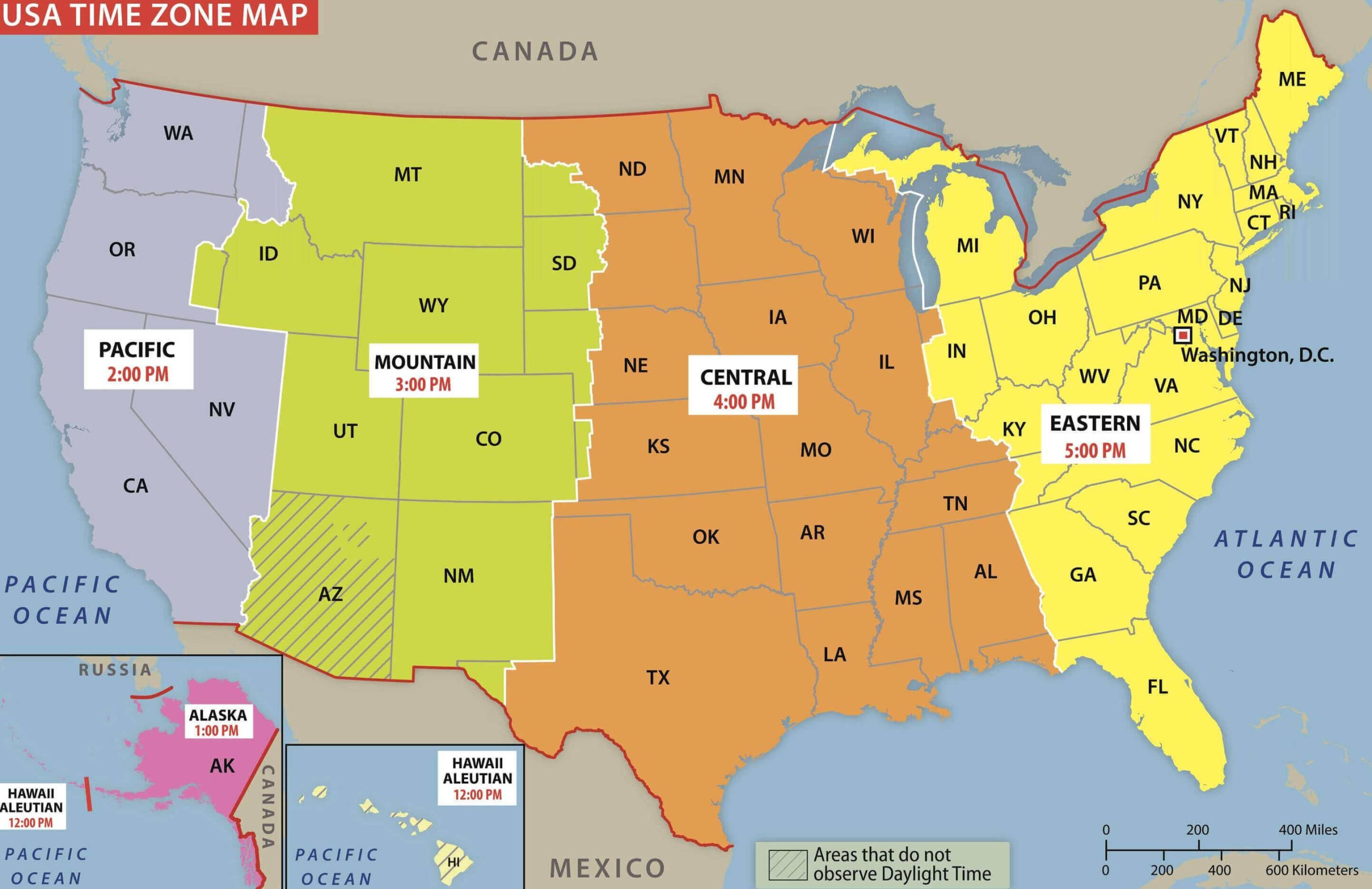
For business travelers, time zone awareness takes on added significance. New York City is a global financial and business hub, and coordinating meetings with colleagues or clients in different time zones is a daily reality. A 9:00 AM ET meeting in New York translates to 6:00 AM Pacific Time in Los Angeles, 8:00 AM Central Time in Chicago, and 2:00 PM in London. This often means early starts or late finishes for participants, depending on their location.
Using reliable time zone converters for scheduling virtual meetings and calls is a standard practice to avoid miscommunications. Business travelers also need to factor in arrival times at New York’s major airports (JFK Airport, LaGuardia Airport, and Newark Liberty International Airport) and allow ample time for transit into the city, keeping in mind the Eastern Time Zone for ground transportation and check-in at their accommodation. A delay, even of an hour, can critically impact a tight business schedule.
Experiencing New York by the Clock
The rhythm of New York City is inextricably linked to the clock. Every neighborhood, every attraction, and every dining experience has optimal times for enjoyment. Understanding this temporal flow allows visitors and residents to maximize their time and truly immerse themselves in the unique energy of the city.
Iconic Landmarks and Optimal Visiting Times
New York’s famed landmarks offer different experiences depending on the time of day, all dictated by the Eastern Time Zone. Times Square is iconic at any hour, but its dazzling billboards and vibrant atmosphere are undeniably most captivating after dusk, when its lights truly come alive. For a different perspective, visiting in the early morning can offer a rare moment of relative calm amidst the bustling “Crossroads of the World.”
Central Park transforms throughout the day: ideal for morning jogs, leisurely afternoon picnics, or romantic evening strolls. The Brooklyn Bridge is a popular spot for pedestrians and cyclists, and catching the sunrise or sunset from its promenade provides breathtaking views of the Manhattan skyline and the Statue of Liberty. To avoid the largest crowds, particularly during peak tourism season, consider walking the bridge early in the morning.
For observation decks like the Empire State Building and Top of the Rock, sunset is undeniably the most sought-after time, offering a magical transition from daylight to a glittering cityscape. However, this also means long lines and crowded platforms. Savvy travelers might opt for early morning visits when crowds are thinner, or late evening after dinner, to enjoy the city lights at a more relaxed pace. Museums often have quieter periods in the morning just after opening, making it an ideal time to explore masterpieces at the Metropolitan Museum of Art or the Museum of Modern Art without the throngs of people.
Dining and Entertainment: Timing is Everything
New York’s culinary scene and entertainment options are vast, but navigating them effectively relies heavily on timing. New York embraces a unique dining culture, with popular brunch spots bustling on weekends, pre-theater dinners a staple before Broadway shows, and a vibrant late-night supper scene that extends well into the early hours. Securing reservations for highly-rated restaurants at peak times requires foresight, often weeks or months in advance, especially for fine dining establishments.
The theatrical heartbeat of New York beats according to the clock. Broadway and Off-Broadway shows have strict curtain times, and arriving late means missing the beginning or even being denied entry until an intermission. Live music venues, jazz clubs, comedy clubs, and bars and clubs in neighborhoods like Greenwich Village or the Lower East Side typically kick off their main events later in the evening, often past 9:00 PM or 10:00 PM. Special events, such as the famous New Year’s Eve ball drop in Times Square, are precisely timed to the Eastern Time Zone, drawing global attention to New York’s iconic countdown. Aligning your schedule with these timings ensures you capture the full essence of New York’s dynamic entertainment landscape.
Beyond New York: Eastern Time Across the US
While our focus has largely been on New York City, it’s important to remember that the Eastern Time Zone is a vast and significant temporal region, impacting a considerable portion of the United States and beyond. Understanding its broader reach and how it interacts with other US time zones is beneficial for anyone engaging in widespread travel or national business.
Major Cities and States in ET
The Eastern Time Zone covers the entirety of 17 US states, along with significant portions of 5 others. This makes it the most populous time zone in the United States. Beyond New York City, other major urban centers operating on ET include Miami and Orlando in Florida; Boston in Massachusetts; Philadelphia in Pennsylvania; Washington D.C. (the capital); Atlanta in Georgia; and Detroit in Michigan.
States entirely within the Eastern Time Zone include Connecticut, Delaware, Florida, Georgia, Maine, Maryland, Massachusetts, New Hampshire, New Jersey, New York, North Carolina, Ohio, Pennsylvania, Rhode Island, South Carolina, Vermont, Virginia, and West Virginia. Additionally, parts of Indiana, Kentucky, Michigan, and Tennessee also observe ET. This broad coverage means that if you’re traveling along the East Coast, you typically won’t need to adjust your clock, simplifying multi-city itineraries and coordinating with family or friends in neighboring states.
Coordinating Across Different US Time Zones
Traveling or conducting business across the various US time zones requires careful attention. Beyond the Eastern Time Zone, the continental United States also encompasses the Central Time Zone (one hour behind ET), the Mountain Time Zone (two hours behind ET), and the Pacific Time Zone (three hours behind ET). Further afield, Alaska and Hawaii have their own distinct time zones.
For domestic flights or extensive road trips across the country, managing these time shifts is crucial. A flight from New York to San Francisco, for example, might be a five-hour journey, but due to the three-hour time difference, you essentially “gain” three hours, arriving only two hours later than your departure time by the clock. Conversely, traveling eastward means “losing” time. This affects everything from booking accommodation and tours to simply calling friends and family. Numerous online tools and apps offer accurate time zone conversions, invaluable for planning complex itineraries or scheduling cross-country virtual meetings. The synchronized operation of these time zones ensures a cohesive national framework for services, from banking hours to television broadcasts, allowing the vast United States to function as a unified entity despite its considerable geographical spread.
In conclusion, New York City is indeed firmly planted in the Eastern Time Zone, with its seasonal adjustment for Daylight Saving Time. This temporal reality is an integral part of its identity and plays a significant role in how visitors and residents experience the city. By understanding the nuances of ET, travelers can better prepare for jet lag, optimize their itineraries, and ensure seamless coordination for both leisure and business activities. Embracing New York’s clock is not just about telling time; it’s about syncing with the pulse of one of the world’s most exciting destinations, ensuring every moment of your New York adventure is captured and enjoyed to its fullest.
LifeOutOfTheBox is a participant in the Amazon Services LLC Associates Program, an affiliate advertising program designed to provide a means for sites to earn advertising fees by advertising and linking to Amazon.com. Amazon, the Amazon logo, AmazonSupply, and the AmazonSupply logo are trademarks of Amazon.com, Inc. or its affiliates. As an Amazon Associate we earn affiliate commissions from qualifying purchases.