
The idea of being paid simply to live in a place as grand and remote as Alaska often sparks curiosity and fuels dreams of a unique lifestyle. For many, Alaska represents the ultimate frontier, a vast expanse of wilderness, majestic landscapes, and a lifestyle far removed from the bustling metropolises of the lower United States. But is there truth to the rumor that residents receive a payment just for calling this northern state home? The short answer is yes, thanks to the Alaska Permanent Fund Dividend (PFD). However, the reality of living in Alaska is far more complex than a simple annual payment, encompassing unique challenges, unparalleled rewards, and a distinct way of life that appeals to adventurous souls and those seeking profound connections with nature.

This article delves into the intricacies of the Alaska Permanent Fund Dividend (PFD), exploring who qualifies, how it works, and what it truly means to be an Alaskan resident. We’ll also navigate the practicalities of Alaskan living, from the cost of living and job opportunities to the vibrant communities and the extraordinary experiences that await. For those considering a move, or even just a prolonged stay, understanding these facets is crucial, offering a comprehensive guide to one of the world’s most captivating destinations, viewed through the lens of travel, tourism, and lifestyle.
The Allure of the Last Frontier: Understanding Alaska’s Unique Incentives
Alaska, often dubbed “The Last Frontier,” is a land of extremes and unparalleled natural beauty. Beyond its stunning glaciers, towering mountains, and abundant wildlife, it offers a distinctive incentive for its residents: the Alaska Permanent Fund Dividend (PFD). This program is a cornerstone of Alaskan life, reflecting the state’s commitment to its citizens and their shared prosperity from its natural resources.
The Alaska Permanent Fund Dividend (PFD): A Closer Look
The Alaska Permanent Fund Dividend (PFD) is a unique program established in 1976 and first paid out in 1982. It represents a portion of the investment earnings from the Alaska Permanent Fund, a state-owned investment fund created from Alaska’s oil revenues. The fund was designed to ensure that current and future generations of Alaskans benefit from the state’s finite natural resources, specifically oil wealth. It’s a testament to long-term financial planning and a recognition that the state’s natural bounty belongs to its people.
Eligibility for the PFD is straightforward but requires commitment:
- Residency: An individual must have been an Alaska resident for a full calendar year prior to applying. This means they must have been physically present in the state for at least 185 days during the qualifying year, with the intent to remain an Alaska resident indefinitely.
- No Felony Convictions: Applicants must not have been incarcerated due to a felony conviction during the qualifying year.
- No Absences: Generally, an applicant cannot claim residency in another state or country during the qualifying year.
- Application: An annual application must be submitted within the designated window, typically between January 1st and March 31st.
The amount of the PFD varies each year, determined by the fund’s five-year average performance and legislative decisions. While it’s not a fixed salary, it provides a valuable annual supplement to residents’ incomes. For visitors exploring Alaska’s destinations, understanding the PFD offers insight into the local economy and the unique relationship Alaskans have with their state’s resources. It’s a distinct aspect of Alaskan culture and a significant draw for many.
Beyond the Dividend: Exploring Other Alaskan Lures
While the PFD is a tangible benefit, the true allure of Alaska extends far beyond monetary incentives. The state itself is a magnificent landmark, a sprawling canvas of some of the world’s most spectacular natural attractions. For those drawn to the outdoors, adventure, and a sense of untamed wilderness, Alaska is an unparalleled destination and a captivating place to call home.
Imagine having easy access to world-renowned national parks like Denali National Park, home to North America’s tallest peak, Mount Denali. Or witnessing the mesmerizing Northern Lights (Aurora Borealis) dancing across the winter sky, a spectacle that draws tourists from around the globe to places like Fairbanks. The state offers an incredible array of activities, from hiking and fishing in pristine landscapes to kayaking through serene fjords and wildlife viewing that includes bears, moose, and eagles in their natural habitats.
The lifestyle here emphasizes self-reliance, community spirit, and a deep appreciation for nature. Even in larger cities like Anchorage and the capital, Juneau, residents find themselves just a short drive or flight away from breathtaking wilderness. This unique blend of urban amenities and raw nature makes Alaska a fascinating place for long-term accommodation and a destination that promises unforgettable experiences.
Navigating Life in Alaska: Costs, Careers, and Community
Deciding to move to Alaska, even with the promise of the PFD, involves significant practical considerations. The state’s remote location and unique environment contribute to a distinct economic landscape and social fabric that prospective residents must understand.
The Real Cost of Living: Alaska’s Economic Landscape
The perception that Alaska is an expensive place to live holds a great deal of truth. Due to its remote location and limited infrastructure, many goods and services must be transported long distances, often by air or sea, leading to higher prices. Fuel, groceries, and housing are typically more expensive than the national average, especially in more isolated communities.
For instance, housing costs in major cities like Anchorage can be comparable to, or even exceed, those in some lower United States cities. Finding suitable long-term accommodation, whether it’s an apartment, a house, or even a cabin for a more rustic lifestyle, requires careful planning and budgeting. Rent for a typical apartment in Anchorage or Juneau can be significantly higher than in the Midwest. Utilities, particularly heating during the long, cold winters, also contribute substantially to monthly expenses.
However, the cost of living varies widely across the state. Rural communities or those along the extensive road system may offer more affordable options, though often with fewer amenities. Understanding these regional differences is vital for anyone planning to make Alaska their home, influencing decisions about where to live, work, and even how to enjoy local tourism and activities.
Career Opportunities and Economic Drivers
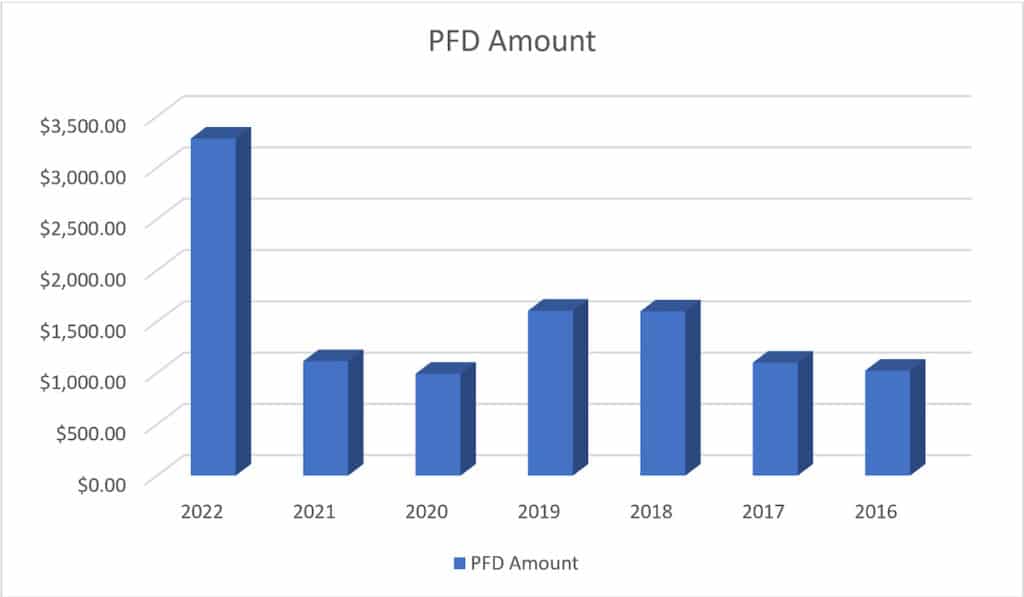
Despite the higher cost of living, Alaska offers a robust job market in specific sectors, often with competitive wages to offset expenses. The state’s economy is heavily reliant on a few key industries:
- Oil and Gas: This remains a primary driver, with opportunities in exploration, extraction, and transportation, particularly around regions like Prudhoe Bay and associated infrastructure like the Alaska Pipeline. These jobs often offer excellent pay but can involve demanding schedules and remote work.
- Tourism: With millions visiting Alaska each year, the tourism industry thrives, especially during the summer months. This sector creates jobs in hospitality (hotels, resorts, tour guides), transportation (cruise lines, bush planes, the Alaska Railroad), and retail. Destinations like Seward, Ketchikan, and Sitka are hubs for tourism employment.
- Fishing: Alaska boasts some of the richest fishing grounds in the world. Commercial fishing and seafood processing provide numerous jobs, especially in coastal communities.
- Government and Education: State and federal government jobs, as well as positions within the University of Alaska system and local schools, are stable employers throughout the state.
- Healthcare: Healthcare professionals are consistently in high demand across Alaska, particularly in rural areas, often with attractive incentives to relocate.
For those with specialized skills or an inclination towards these industries, Alaska can offer fulfilling career paths. It’s crucial for prospective residents to research job markets in their desired locations, keeping in mind that many opportunities are seasonal, particularly in tourism.
Building a Life: Communities and Social Fabric
Alaskan communities are diverse, ranging from bustling urban centers like Anchorage to remote villages accessible only by plane or boat. Despite their differences, many share a strong sense of community and self-reliance, born from living in a challenging environment.
- Urban Centers: Anchorage offers a surprisingly cosmopolitan experience with diverse dining, cultural attractions, and a range of accommodation options from hotels to apartments. Fairbanks, located closer to the Arctic Circle, provides a gateway to interior Alaska and a unique winter experience. Juneau, the capital, is a picturesque city nestled between mountains and water, offering a blend of government work and tourism.
- Rural and Bush Communities: For those seeking true wilderness living, remote towns like Talkeetna (a base for Denali climbers), Nome, or Bethel offer profound immersion into Alaskan culture. Life here often involves a deeper connection to subsistence activities, traditional ways, and a close-knit community where neighbors truly depend on each other.
The social fabric of Alaska is often characterized by a welcoming attitude towards newcomers, especially those who embrace the outdoors and contribute to the community. However, adapting to the unique pace of life and understanding local customs is key. Accommodation choices reflect this diversity, from luxury resorts in tourist hubs to rustic cabins in the backcountry.
Embracing the Alaskan Lifestyle: Challenges and Rewards
Living in Alaska is not for the faint of heart; it’s a commitment to embracing a lifestyle that is both incredibly demanding and profoundly rewarding. The state challenges residents in ways few other places can, but it also offers experiences and a quality of life that are truly unique.
The Harsh Realities: Navigating Alaskan Challenges
One of the most immediate challenges is the extreme weather. Winters are long, cold, and dark, especially north of the Arctic Circle. Residents must contend with heavy snowfall, icy roads, and limited daylight hours, which can impact mood and daily routines. Proper gear, a reliable vehicle, and a resilient mindset are essential.
- Isolation and Logistics: While cities like Anchorage are relatively connected, many parts of Alaska are truly isolated. Access to certain goods, specialized services, and even medical care can be limited or require significant travel. This remoteness also means that travel between communities can be expensive and time-consuming, often relying on small planes or the Alaska Railroad for some routes.
- Cost and Availability of Services: Healthcare, internet access, and even basic repairs can be more expensive and harder to come by than in the lower 48 states. This necessitates a proactive approach to maintenance, health, and supplies.
- Adapting to the Seasons: The dramatic shift from long, dark winters to summers with nearly 24 hours of daylight can be disorienting. Adapting to these light cycles and finding ways to enjoy both seasons is crucial for well-being.
Despite these hurdles, Alaskans often develop a strong sense of resilience, resourcefulness, and community interdependence. These challenges often forge deep bonds among residents.
Unparalleled Rewards: The Alaskan Experience
For those who embrace its unique demands, Alaska offers a life rich in extraordinary experiences and a deep connection to nature.
- Outdoor Adventures: Alaska is an adventurer’s paradise. From world-class fishing in the Kenai Peninsula to heli-skiing in the Chugach Mountains (near Alyeska Resort), kayaking in Prince William Sound, or hiking through Chugach State Park, the opportunities for outdoor activities are endless. Many Alaskans integrate these activities into their daily lives, transforming their backyard into a vast playground.
- Wildlife Viewing: The chance to see iconic wildlife – bears, moose, caribou, whales – in their natural habitats is a daily reality for many. Parks like Glacier Bay National Park and Katmai National Park offer unparalleled opportunities for wildlife enthusiasts, making Alaska a prime destination for eco-tourism.
- Unique Cultural Events: Alaskan culture is a vibrant blend of Native traditions, pioneering spirit, and modern influences. Annual events like the Iditarod Trail Sled Dog Race and the Yukon Quest showcase the state’s rugged heritage and draw participants and spectators from around the world. These events are not just races; they are celebrations of resilience and tradition, deeply embedded in the local way of life.
- The Northern Lights: Experiencing the Aurora Borealis is a transformative sight that never loses its magic. Living in Alaska means having numerous opportunities to witness this natural wonder, especially during the long winter nights.
- Community Spirit: The remoteness fosters strong, supportive communities. Neighbors often become like family, offering help and companionship, particularly during the challenging winter months. This close-knit social fabric is a significant reward for those who seek genuine connection.
Is Moving to Alaska Right for You? A Travel and Lifestyle Perspective
For travelers seeking extraordinary experiences, Alaska offers an abundance of unique destinations, attractions, and adventures, whether for a short trip or a longer immersive journey. For those contemplating a move, the question of whether Alaska is the right fit comes down to a careful weighing of its distinctive incentives against its substantial challenges. The PFD serves as a noteworthy financial bonus, yet it barely scratches the surface of what it means to truly live in the Last Frontier.
Practical Steps for Prospective Residents
If the prospect of living in Alaska excites you, a thoughtful approach is essential:
- Visit First: Before making a permanent move, consider a prolonged visit. Experience both the stunning summer and a taste of the long, dark winter. Explore different regions like the Mat-Su Valley, Fairbanks, or the coastal towns to see where you feel most at home. Utilize various accommodation options, from hotels to apartment rentals, to get a feel for different lifestyles.
- Research Job Markets: Secure employment before relocating. Online job boards specific to Alaska are excellent resources. Consider seasonal work initially to test the waters.
- Budget Meticulously: Account for higher costs of living, especially for housing, groceries, and utilities. Understand how the PFD might supplement your income, but don’t rely on it as your primary financial cushion.
- Embrace the Outdoors: A love for outdoor activities and a willingness to adapt to extreme weather are crucial for happiness in Alaska. Equip yourself with appropriate gear for all seasons.
- Build Community: Actively seek out social groups, clubs, or volunteer opportunities. A strong social network is invaluable in adapting to Alaskan life.
Ultimately, the answer to “Do they pay you to live in Alaska?” is a qualified yes, through the Alaska Permanent Fund Dividend (PFD). However, this payment is merely one facet of a much larger, more profound decision to embrace a unique and often demanding lifestyle. For those drawn to epic landscapes, thrilling adventures, and a close-knit community spirit, the rewards of living in Alaska far outweigh the financial incentive, offering an unforgettable chapter in the grand journey of life and travel.
LifeOutOfTheBox is a participant in the Amazon Services LLC Associates Program, an affiliate advertising program designed to provide a means for sites to earn advertising fees by advertising and linking to Amazon.com. Amazon, the Amazon logo, AmazonSupply, and the AmazonSupply logo are trademarks of Amazon.com, Inc. or its affiliates. As an Amazon Associate we earn affiliate commissions from qualifying purchases.