
Embarking on a journey from the bustling metropolis of Los Angeles to the serene shores of Hawaii is a dream for many. The allure of volcanic landscapes, pristine beaches, vibrant culture, and endless sunshine beckons travelers from around the globe. While the anticipation of paradise builds, a common question arises for those planning their escape: “How long is a flight from LAX to Hawaii?” Understanding the flight duration is crucial for planning your itinerary, preparing for your journey, and maximizing your time in this tropical haven.
This comprehensive guide will delve into the specifics of flying from LAX ( Los Angeles International Airport) to the various Hawaiian Islands, exploring factors that influence flight times, what to expect during your journey, and how to best prepare for an unforgettable island experience. Whether you’re dreaming of the vibrant city life of Oahu, the luxurious resorts of Maui, the dramatic volcanic landscapes of the Big Island, or the lush, green paradise of Kauai, knowing what lies ahead will help make your travel seamless and enjoyable.

Understanding the LAX to Hawaii Flight Path
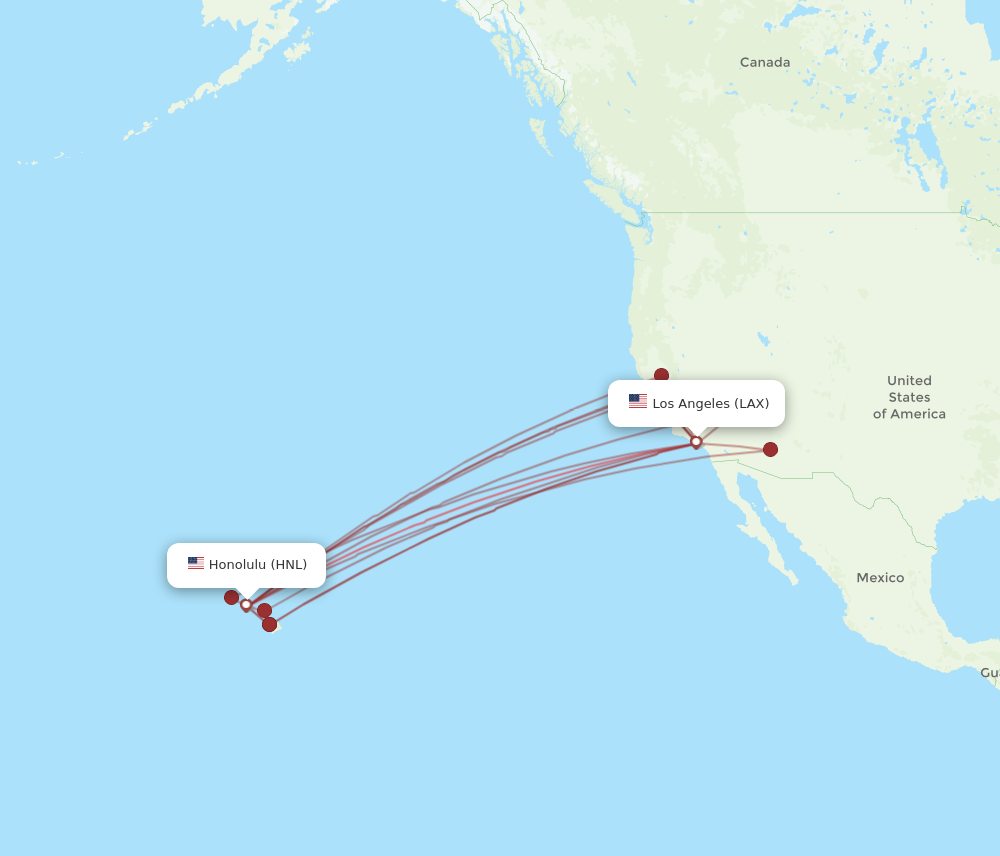
The journey from Southern California to the middle of the Pacific Ocean covers a significant distance, typically ranging from 2,500 to 2,600 miles (approximately 4,000 to 4,200 kilometers), depending on your specific Hawaiian island destination. This distance dictates the flight duration, which, while substantial, is surprisingly manageable for a trans-oceanic journey.
Average Flight Duration to Key Hawaiian Islands
The flight time can vary slightly depending on the specific island you choose as your gateway to Hawaii. Direct flights are readily available from LAX to the four major islands, offering convenience and efficiency for travelers.
-
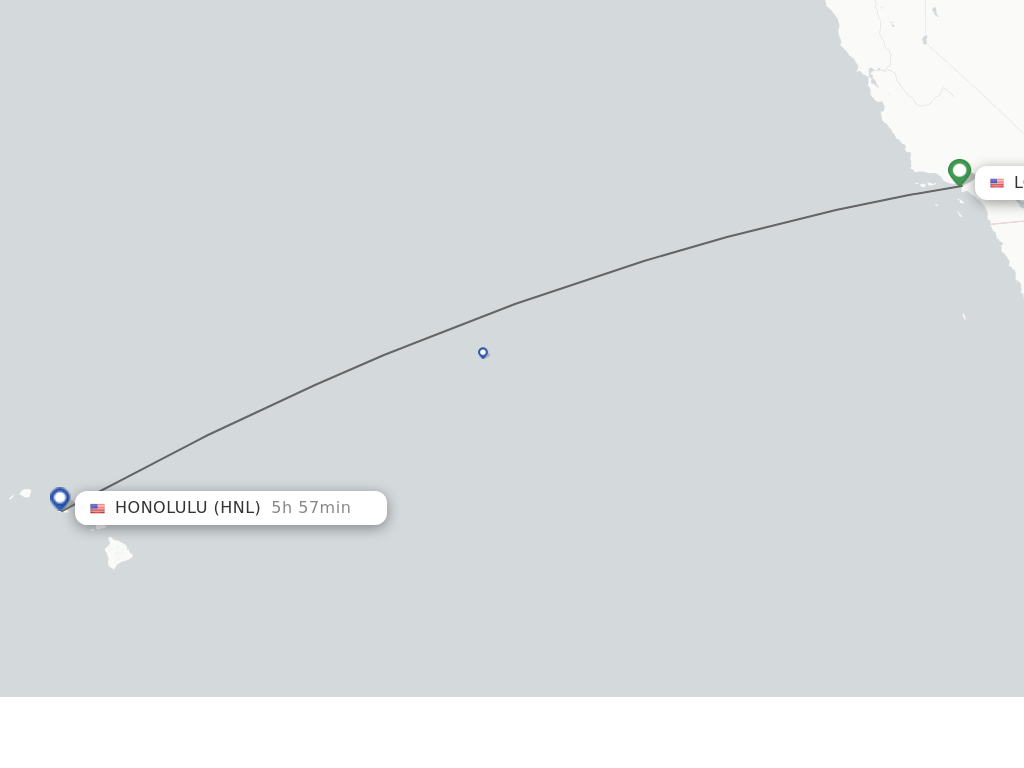
To Oahu (Honolulu – HNL): As the most populous island and home to Hawaii’s capital, Honolulu, Oahu is a primary destination. Flights from LAX to Daniel K. Inouye International Airport (HNL) typically range from 5 hours and 30 minutes to 6 hours and 15 minutes. This is often the shortest flight duration due to Oahu’s slightly more easterly position within the archipelago.
-
To Maui (Kahului – OGG): Known for its stunning beaches, luxurious resorts, and the scenic Road to Hana, Maui is a popular choice. Direct flights from LAX to Kahului Airport (OGG) usually take between 5 hours and 45 minutes to 6 hours and 30 minutes.
-
To the Big Island (Kona – KOA / Hilo – ITO): The Big Island offers two main airports. Flights to Ellison Onizuka Kona International Airport (KOA) on the drier west coast typically range from 6 hours to 6 hours and 45 minutes. For Hilo International Airport (ITO) on the wetter east side, flight times are comparable, though sometimes slightly longer, also in the 6 hours to 6 hours and 45 minutes range, largely due to its geographical position further east.
-
To Kauai (Lihue – LIH): The “Garden Isle” of Kauai is renowned for its dramatic cliffs and lush rainforests. Direct flights from LAX to Lihue Airport (LIH) generally take between 6 hours to 7 hours. This is often the longest direct flight among the main islands, given Kauai’s northwestern position in the archipelago.
It’s important to remember that these are average flight times for direct services. Connecting flights, while less common on the LAX to Hawaii route unless specifically chosen for itinerary or cost, would naturally extend your total travel time significantly.
Factors Influencing Flight Time
Several elements can subtly influence the actual duration of your flight to Hawaii:
- Aircraft Type: Modern aircraft, especially newer models designed for long-haul routes, can sometimes be more fuel-efficient and maintain higher cruising speeds, potentially shaving a few minutes off the journey.
- Wind Speeds (Jet Stream): This is perhaps the most significant natural factor. Flights heading westbound from the mainland United States to Hawaii often fly against the prevailing jet stream, which can add time to the journey. Conversely, eastbound return flights often benefit from the tailwind, making them noticeably shorter. This is why a return flight from Hawaii to LAX might be as short as 5 hours or even less.
- Air Traffic Control and Route Adjustments: While less common on a long oceanic route, minor delays or route adjustments due to air traffic control, weather systems, or other operational necessities can slightly alter the estimated flight time.
- Specific Destination Airport: As noted above, the geographical position of each island’s airport within the Hawaiian chain contributes to slight variations in overall flight distance and, consequently, duration.
Preparing for Your Pacific Journey: What to Expect Onboard
A flight to Hawaii from LAX is a significant journey, but modern airlines are well-equipped to make the experience as comfortable as possible. Understanding what to expect can help you make the most of your travel time.
In-flight Experience and Amenities
Several major airlines offer direct flights on the LAX to Hawaii route, including United Airlines, Delta Air Lines, American Airlines, Southwest Airlines, and of course, Hawaiian Airlines. Each airline offers varying levels of service and amenities, so it’s worth checking specifics when booking.
- Seat Comfort and Class Options: Most airlines offer economy, economy plus (or equivalent with extra legroom), and first/business class options. For a 5-7 hour flight, the upgrade to extra legroom or a premium cabin can significantly enhance comfort, especially for taller travelers or those who value personal space.
- In-Flight Entertainment: Most modern aircraft on this route will feature seat-back entertainment systems offering a wide selection of movies, TV shows, music, and games. Many also provide Wi-Fi access (often for a fee) to stay connected.
- Food and Beverage: Depending on the airline and class of service, complimentary meal service (usually a light meal or snack) may be offered, particularly by full-service carriers like Hawaiian Airlines. Budget carriers like Southwest Airlines typically offer complimentary non-alcoholic beverages and snacks, with more substantial food options available for purchase. It’s always a good idea to pack your own snacks, regardless of airline policy.
- Time Zone Changes: One crucial aspect to consider is the time difference. Hawaii observes Hawaii Standard Time (HST), which is 2 hours behind Pacific Standard Time (PST) during standard time and 3 hours behind when the mainland observes Daylight Saving Time. This means if you depart LAX at 9:00 AM PST, you’ll arrive in Hawaii (after a ~6-hour flight) around 12:00 PM HST, effectively “gaining” several hours in your day. While this usually minimizes severe jet lag upon arrival, it can make the return journey feel longer.
Tips for a Comfortable Flight
To ensure your journey across the Pacific is as pleasant as possible, consider these tips:
- Dress Comfortably: Opt for loose-fitting clothing and layers, as cabin temperatures can fluctuate.
- Stay Hydrated: Drink plenty of water before, during, and after your flight to combat the dehydrating effects of cabin air.
- Bring Entertainment: While in-flight systems are common, having your own loaded tablet, e-reader, or book can be a lifesaver if you have specific preferences or if the system malfunctions.
- Pack Essentials in Your Carry-On: Include a neck pillow, eye mask, earplugs/noise-canceling headphones, and any medications. A light blanket or large scarf can also be useful.
- Move Around: Periodically get up to stretch or walk the aisle to promote circulation and prevent stiffness.
- Adjust Your Watch Early: Set your watch to Hawaii Standard Time as soon as you board to start mentally adjusting to the new time zone.
Making the Most of Your Hawaiian Escape
Once your flight touches down, the real adventure begins. Hawaii offers a dazzling array of experiences, from thrilling adventures to serene relaxation. Choosing the right island and planning your activities will enhance your trip, regardless of whether you prioritize luxury or budget-friendly travel.
Choosing Your Ideal Hawaiian Island Destination
Each Hawaiian island possesses a unique charm and offers distinct experiences:
- Oahu: The Gathering Place: Ideal for first-time visitors or those seeking a blend of city life, history, and stunning beaches. Explore the iconic Waikiki Beach, delve into history at Pearl Harbor, hike to the summit of Diamond Head for panoramic views, or experience local culture at the Polynesian Cultural Center. Don’t miss the Iolani Palace, the only official residence of royalty in the United States, or the tranquil beauty of the Queen Emma Summer Palace, both offering glimpses into Hawaii’s monarchical past. The Hawaii State Capitol is also an architectural marvel. For snorkeling enthusiasts, Hanauma Bay is a must-visit, though reservations are often required.
- Maui: The Valley Isle: Perfect for those seeking luxury resorts, romantic getaways, and breathtaking natural beauty. Drive the famous Road to Hana with its countless waterfalls, witness a spectacular sunrise from the summit of Haleakala National Park, or relax on the golden sands of Ka’anapali and Wailea. Whale watching (seasonal) and snorkeling at Molokini are popular activities. Explore the historic whaling town of Lahaina for unique shops and dining experiences.
- Big Island: The Orchid Isle: For adventurers and nature lovers, this island offers incredible diversity. Visit the active Kilauea volcano within Hawaii Volcanoes National Park, marvel at the snow-capped peak of Mauna Kea, explore black sand beaches, and discover lush rainforests. It’s the youngest and largest of the islands, constantly growing with new lava flows.
- Kauai: The Garden Isle: Unspoiled and dramatic, Kauai is a paradise for hikers and outdoor enthusiasts. Explore the majestic Na Pali Coast by boat or helicopter, hike parts of the challenging Kalalau Trail, or gaze into the “Grand Canyon of the Pacific” at Waimea Canyon.
- Lanai and Molokai: For a truly secluded and authentic experience, these smaller islands offer a glimpse into old Hawaii, with fewer crowds and untouched natural beauty.
Accommodation and Travel Styles
Hawaii caters to all travel styles and budgets:
- Luxury Travel: The islands boast world-class resorts with lavish suites, infinity pools, fine dining, and exceptional amenities. Properties like the Four Seasons Resort Maui at Wailea or the Hyatt Regency Maui Resort and Spa offer unparalleled service and breathtaking views. On Oahu, the Hilton Hawaiian Village Waikiki Beach Resort is a sprawling property with multiple towers and amenities.
- Budget Travel: More affordable hotels, vacation rentals, and even hostels are available, particularly on Oahu and parts of the Big Island. Consider booking apartments or villas, especially for longer stays or larger groups, to save on dining costs by cooking some of your meals.
- Family Trips: Many resorts offer kids’ clubs, family-friendly pools, and activities tailored for all ages. Vacation rentals provide space and flexibility for families.
- Romantic Getaways: Secluded boutique hotels, adults-only resorts, and charming bed-and-breakfasts offer intimate settings for couples.
- Adventure Travel: Camping options are available in designated parks on several islands, offering an immersive nature experience for the adventurous.
When booking accommodation, always check recent reviews and compare prices across different platforms. Consider booking well in advance, especially during peak seasons, to secure the best rates and availability.
Embracing Local Culture and Activities
Your trip to Hawaii is incomplete without immersing yourself in its rich culture and diverse activities:
- Food Scene: Indulge in local delicacies like fresh poke, kalua pig, loco moco, and the refreshing shave ice. Don’t miss a traditional luau for a feast accompanied by Hawaiian music and hula dancing. Farmers markets are excellent places to sample local produce and unique treats.
- Water Activities: With the vast Pacific Ocean as your playground, opportunities for surfing, paddleboarding, snorkeling, scuba diving, and whale watching (seasonal, typically November to May) are abundant.
- Hiking and Exploring: From coastal trails to volcanic landscapes and lush rainforests, Hawaii offers countless hiking opportunities for all skill levels.
- The Aloha Spirit: More than just a greeting, the Aloha Spirit embodies mutual regard, affection, and respect. Embrace it by being mindful of local customs, respecting the natural environment (especially sensitive ecosystems like coral reefs), and supporting local businesses. Learn a few basic Hawaiian phrases, such as “Mahalo” (thank you) and “E Komo Mai” (welcome).
Planning Your Perfect Hawaiian Getaway
A well-planned trip ensures you can relax and savor every moment in paradise. From timing your visit to packing essentials, a few considerations can make your travel experience even smoother.
Best Time to Visit and Booking Strategies
- Peak Seasons: Hawaii’s peak travel seasons are typically from mid-December to March (winter escape for many) and June to August (summer vacations). During these times, flights and accommodation prices are higher, and attractions are more crowded.
- Shoulder Seasons: For a balance of good weather, fewer crowds, and better prices, consider visiting during the shoulder seasons: April-May and September-November. These periods often offer excellent value without compromising the experience.
- Booking Flights: Start looking for flights several months in advance. Utilize flight comparison websites and consider being flexible with your travel dates to find the best deals. Direct flights from LAX are frequent, but prices can fluctuate wildly.
- Booking Accommodation: Similar to flights, early booking is key, especially for popular resorts or unique vacation rentals. Read reviews, compare amenities (e.g., pools, kitchens, proximity to attractions), and consider the type of experience you desire (e.g., bustling resort, quiet apartment).
Essential Travel Tips for Hawaii
- Packing List: Beyond swimwear and light clothing, remember sunscreen (reef-safe options are strongly encouraged to protect marine life), insect repellent, a reusable water bottle, comfortable walking shoes, and a light jacket for cooler evenings or higher elevations (Haleakala, Mauna Kea).
- Rental Cars: While public transport is available on Oahu (TheBus), a rental car is highly recommended on all islands to explore at your own pace and reach more remote attractions. Book your rental car well in advance, especially during peak seasons, as availability can be limited.
- Inter-Island Travel: If you plan to visit multiple islands, budget for inter-island flights (typically 20-45 minutes). Hawaiian Airlines and Southwest Airlines are the main carriers for these short hops.
- Respect the ‘Aina (Land): Hawaii’s natural beauty is fragile. Stay on marked trails, do not touch or remove coral or marine life, and dispose of waste properly. Support sustainable tourism efforts.
In conclusion, a flight from LAX to Hawaii is a journey of approximately 5.5 to 7 hours, a manageable duration for the incredible reward awaiting you. By understanding the flight dynamics, preparing for your time onboard, and planning your island adventures with consideration for local culture and environment, your Hawaiian escape will undoubtedly be a cherished memory that lasts a lifetime.
LifeOutOfTheBox is a participant in the Amazon Services LLC Associates Program, an affiliate advertising program designed to provide a means for sites to earn advertising fees by advertising and linking to Amazon.com. Amazon, the Amazon logo, AmazonSupply, and the AmazonSupply logo are trademarks of Amazon.com, Inc. or its affiliates. As an Amazon Associate we earn affiliate commissions from qualifying purchases.