
When planning a United States adventure, particularly to states renowned for their vast wilderness and unique charm, travelers often start by looking at maps divided into familiar administrative units like counties. However, Alaska, the nation’s largest state, operates on an entirely different system, one that profoundly influences its governance, infrastructure, and even the way visitors explore its breathtaking landscapes. The short answer to whether Alaska has counties is a resounding “no.” Instead, the Last Frontier utilizes a distinctive system of boroughs and Census Areas, a structure as unique and expansive as the state itself.
This administrative difference isn’t merely a bureaucratic technicality; it’s a fundamental aspect of Alaska’s identity that shapes everything from local culture and services to the accessibility of its most iconic destinations. For anyone interested in travel, tourism, and accommodation in this spectacular region, understanding this system is key to navigating its complexities and appreciating its rugged beauty. From bustling urban centers to remote wilderness lodges, Alaska’s lack of traditional counties means that planning an itinerary requires a different mental map, one that celebrates its vast, untamed nature and the innovative ways its communities govern themselves.
Understanding Alaska’s Unique Administrative Landscape
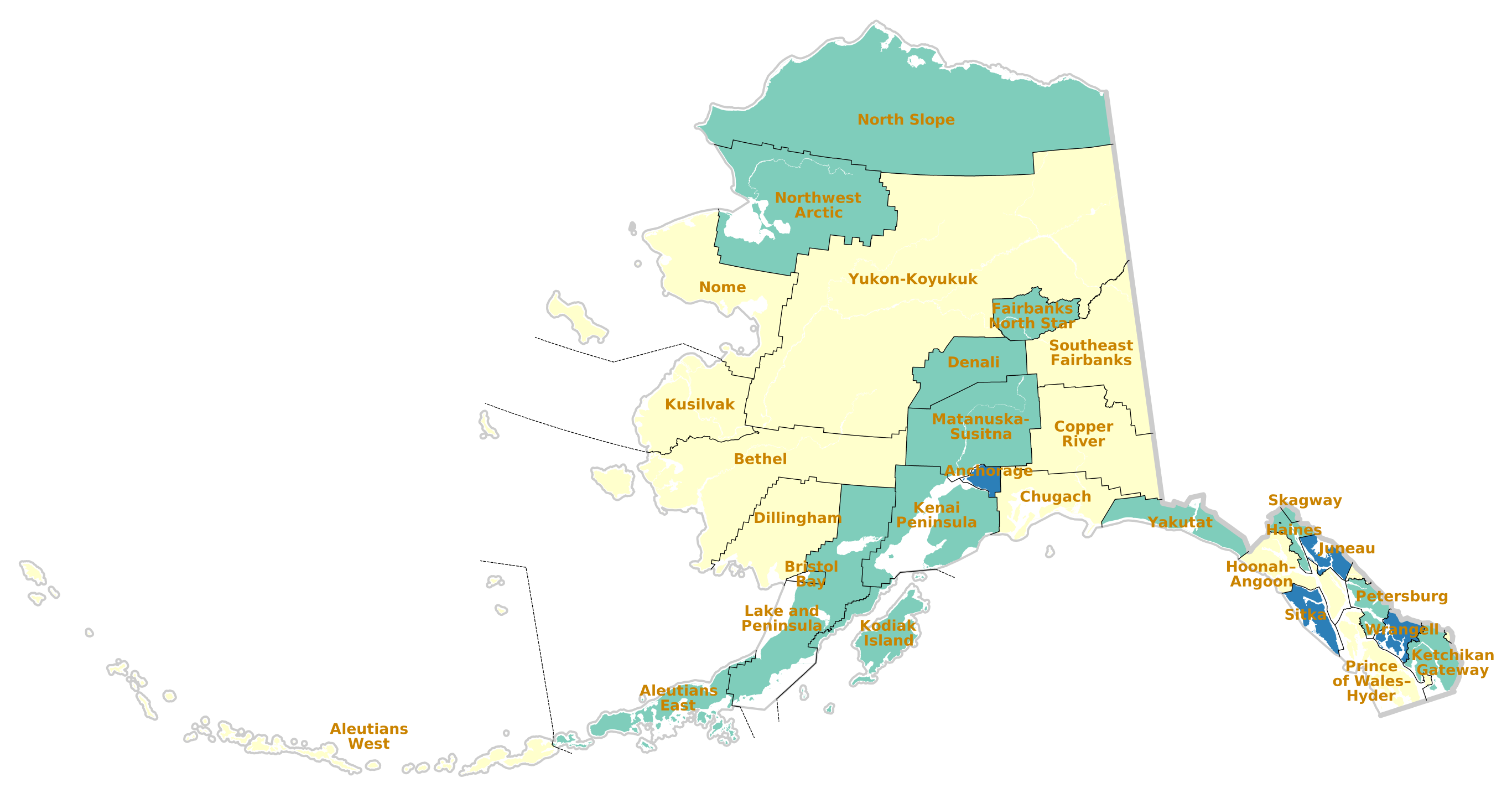
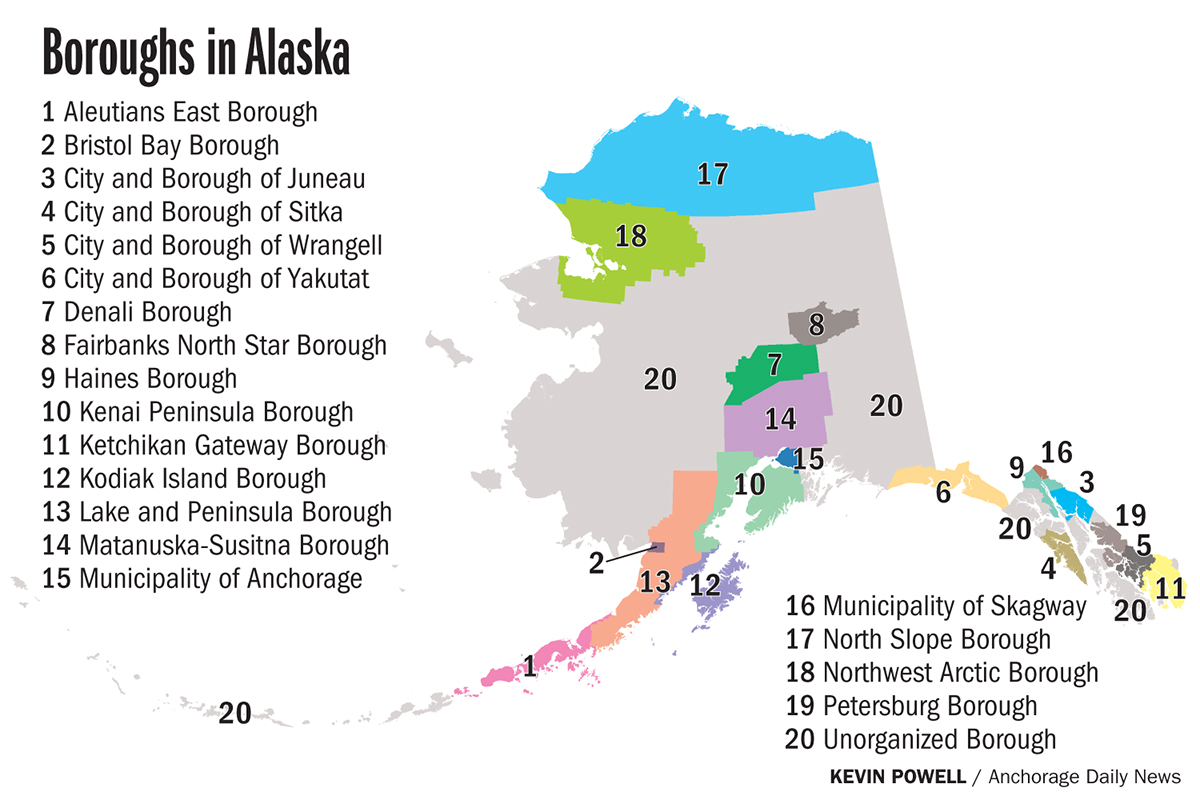
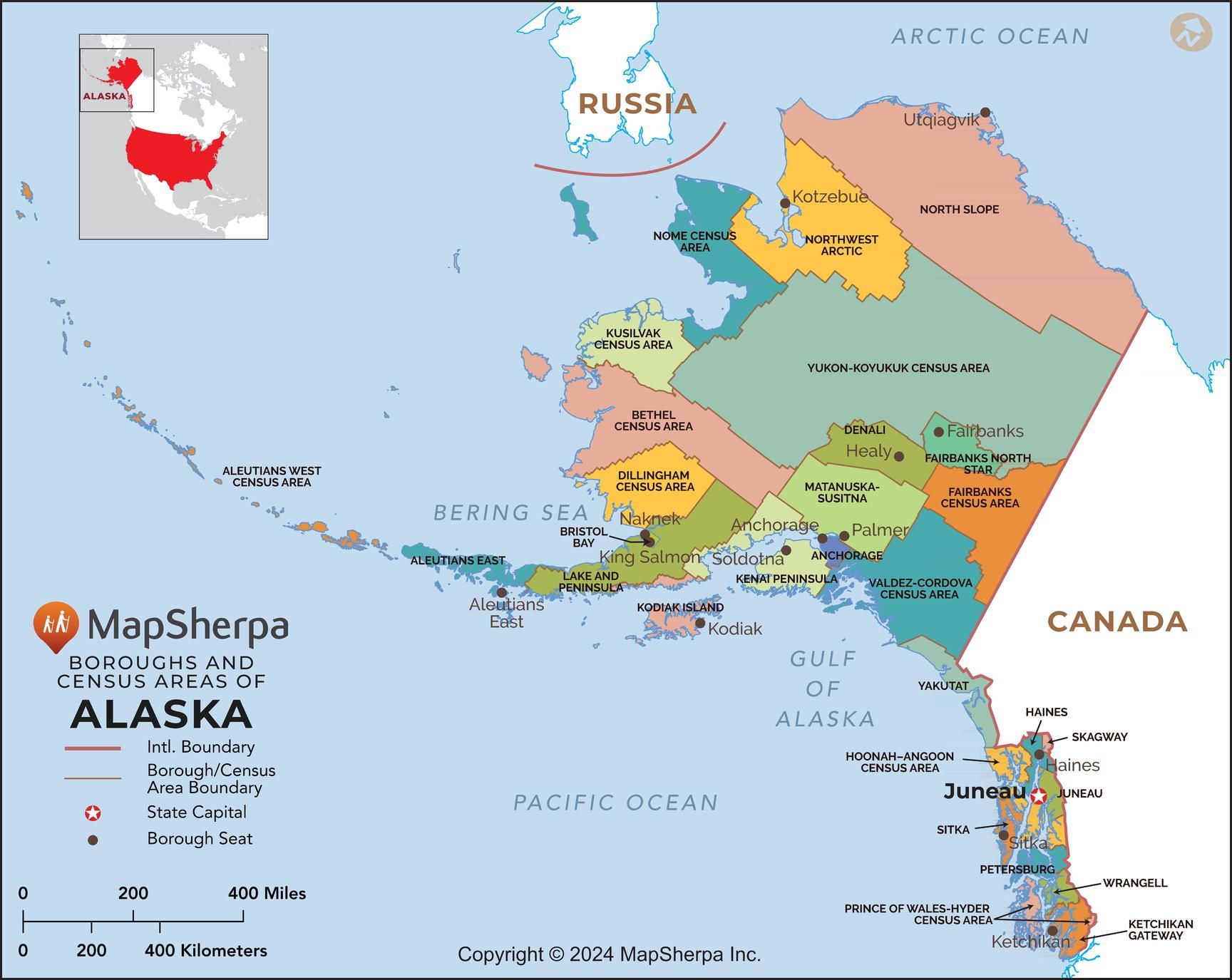
The absence of counties in Alaska stems from its unique history, sparse population distribution, and the sheer scale of its landmass. When Alaska became a state in 1959, its founders recognized that a county system, suitable for more densely populated regions of the United States, would be impractical. The result is a two-tiered system comprising “organized boroughs” and the vast “unorganized borough,” which is further subdivided into Census Areas.
Boroughs: Alaska’s Equivalents to Counties
Boroughs in Alaska are the closest equivalents to counties found in other states. They are established by local initiative and provide a range of municipal services, much like county governments. These Organized Boroughs are primarily concentrated around the state’s more populated areas and serve as hubs for commerce, government, and tourism.
For example, the Anchorage Municipality is one of the most prominent, encompassing the state’s largest city, Anchorage, and surrounding areas. It functions as a unified city-borough, providing comprehensive services to its residents. Similarly, the Fairbanks North Star Borough around Fairbanks and the Matanuska-Susitna Borough, often referred to as “Mat-Su,” are other significant organized boroughs. These areas are vital travel destinations, offering access to urban amenities, cultural attractions, and gateways to wilderness adventures.
Other important organized boroughs for travelers include the Kenai Peninsula Borough, home to Seward and Homer, known for their fishing and marine wildlife; the City and Borough of Juneau, the state capital; the Ketchikan Gateway Borough, a popular Inside Passage cruise ship stop; and the City and Borough of Sitka, rich in Russian-American history. These boroughs typically have better-developed infrastructure, including roads, airports, and a wider range of accommodation options, from luxury hotels and resorts to cozy B&Bs and vacation rentals.
The Vast Unorganized Borough and Census Areas
The vast majority of Alaska’s landmass, nearly two-thirds of the state, falls within what is known as the Unorganized Borough. This enormous area, larger than many countries, lacks any form of local borough government. Instead, state government agencies provide services, and decisions are often made at a broader level.
To facilitate data collection and representation, particularly by the U.S. Census Bureau, the Unorganized Borough is divided into 11 statistical entities known as Census Areas. These are not governmental units but are critical for understanding population distribution and regional characteristics. For instance, the Yukon-Koyukuk Census Area is one of the largest, covering an area larger than Montana with a population of only a few thousand. Other examples include the Bethel Census Area, Nome Census Area, and the Valdez-Cordova Census Area.
For travelers, the distinction between Organized Boroughs and Census Areas is crucial. While Organized Boroughs offer more developed infrastructure and varied accommodation, Census Areas often represent the ultimate wilderness experience. Travel to these regions might involve bush planes, remote lodges, or even camping in areas with minimal facilities. Understanding these divisions helps in setting realistic expectations for amenities, accessibility, and the type of adventure one can expect.
Navigating Alaska for Travelers: From Boroughs to Destinations
Understanding Alaska’s administrative structure significantly enhances a traveler’s ability to plan an efficient and fulfilling trip. Instead of thinking in terms of counties, it’s more practical to consider distinct travel regions and the types of experiences they offer.
Planning Your Alaskan Adventure: Geography and Access
Alaska’s vastness means that travel planning revolves around its major geographical regions, each with its own character and accessibility challenges.
- Southcentral Alaska: Home to Anchorage and the Matanuska-Susitna Borough, this region is often the starting point for many Alaskan adventures. It offers a balance of urban amenities and easy access to natural wonders like the Kenai Peninsula and parts of the Chugach National Forest. Major roads and the Alaska Railroad connect key destinations like Seward, Whittier, and Talkeetna.
- Inside Passage: This southeastern panhandle, comprising several Organized Boroughs and Census Areas (like the City and Borough of Juneau and Ketchikan Gateway Borough), is famous for its stunning fjords, islands, and temperate rainforests. It’s primarily accessed by cruise ships or the Alaska Marine Highway System (ferries), connecting charming towns like Skagway and Sitka.
- Interior Alaska: Centered around Fairbanks in the Fairbanks North Star Borough, this region is known for extreme temperatures, the Aurora Borealis, and proximity to Denali National Park and Preserve. Road travel is possible, but many remote areas fall into Census Areas and require small aircraft.
- Southwest Alaska and the Aleutian Islands: A rugged, volcanic landscape famous for its fishing and wildlife, including significant brown bear populations in places like Katmai National Park and Preserve. These areas are predominantly within Census Areas and are accessed almost exclusively by air or sea.
- Arctic Alaska: The farthest north, this remote region is part of the Unorganized Borough and is characterized by tundra, indigenous communities, and the Midnight Sun. Travel here is highly specialized, often involving guided tours and flights to small communities.
Understanding these regional distinctions, rather than borough boundaries, is how most travelers effectively plan their Alaskan adventure, focusing on the desired experiences and the most feasible modes of transport.
Accommodation and Amenities Across Alaskan Regions
The type and availability of accommodation in Alaska vary dramatically depending on whether you are in an Organized Borough or a Census Area.
In major Organized Boroughs like Anchorage or Fairbanks, you’ll find a full spectrum of lodging options. This includes well-known chain hotels and resorts, boutique accommodations, apartments, and numerous B&Bs. These areas cater to diverse traveler lifestyles, from luxury stays to budget-friendly options, family trips, and business stays. You can expect standard amenities, reliable internet, and a variety of dining choices.
As you venture into the more remote Census Areas, particularly those surrounding national parks or wilderness areas, accommodation becomes more specialized. Here, you’ll find an abundance of wilderness lodges and cabins designed for adventure seekers. These might range from rustic, off-grid cabins to luxurious fly-in lodges offering guided tours, gourmet meals, and unparalleled access to nature. Availability can be extremely limited, especially during peak summer months, making advance booking essential. Many of these remote options offer comprehensive packages, including transportation, meals, and guided activities, reflecting the all-encompassing experience of deep wilderness travel.
For those seeking a truly unique experience, fishing lodges are plentiful in regions like the Kenai Peninsula Borough and Southwest Alaska, providing specialized services for anglers. Similarly, glamping and secluded cabins offer a blend of comfort and immersion in nature for those looking for a serene escape. Regardless of the choice, researching and booking accommodation well in advance is a cardinal rule for travel to Alaska, especially given the seasonal nature of its tourism industry.
Iconic Alaskan Landmarks and Experiences Beyond Borough Lines
Alaska’s most celebrated natural landmarks and cultural experiences transcend any administrative division, drawing visitors from across the globe to witness its grandeur.
Natural Wonders and National Parks
The state is a treasure trove of natural beauty, much of which lies within vast national parks, preserves, and forests that often span or are adjacent to multiple boroughs or Census Areas.
- Denali National Park and Preserve: Home to Mount Denali, North America’s highest peak, this park is a cornerstone of any Alaskan itinerary. While its main entrance is accessible from the Denali Borough and relatively close to the Fairbanks North Star Borough, its immense wilderness extends into the Unorganized Borough.
- Kenai Fjords National Park: Located near Seward in the Kenai Peninsula Borough, this park offers stunning glacial landscapes, abundant marine wildlife, and tidewater glaciers, often explored via boat tours.
- Glacier Bay National Park and Preserve: A UNESCO World Heritage Site in the Inside Passage, primarily accessed by cruise ship or tour boat from communities like Gustavus, it’s a prime destination for glacier viewing and wildlife photography.
- Wrangell-St. Elias National Park and Preserve: The largest national park in the United States, encompassing towering mountains, glaciers, and historic mining towns. Its sheer size means it touches multiple administrative areas and offers a vast array of backcountry adventures.
- Tongass National Forest: Sprawling across most of the Inside Passage, this is the largest national forest in the United States, providing endless opportunities for hiking, kayaking, and wildlife viewing amidst ancient rainforests.
Beyond these parks, the phenomenon of the Aurora Borealis is a major draw, particularly during the winter months in Interior Alaska around Fairbanks. Wildlife viewing—from majestic brown bears fishing for salmon in places like Brooks Falls (within Katmai National Park) to humpback whales breaching in the waters of the Inside Passage—is an integral part of the Alaskan experience.
Cultural Immersion and Local Lifestyles
Alaska’s cultural landscape is as rich and diverse as its natural one, shaped by its indigenous Alaska Native heritage and its pioneering spirit.
- Alaska Native Culture: Across the state, particularly in the more remote Census Areas and smaller communities, visitors can experience the vibrant traditions of various Alaska Native groups. Cultural centers, art galleries, and village tours offer insights into their rich history, art, and subsistence lifestyles.
- Museums and Heritage Sites: Urban centers like Anchorage host institutions like the Anchorage Museum, which showcases Alaskan art, history, and science. The University of Alaska Museum of the North in Fairbanks offers extensive collections on natural and cultural history. Historic sites, such as the gold rush town of Skagway or the Iditarod Trail Sled Dog Race start in Anchorage, provide glimpses into the state’s storied past.
- Local Cuisine: Alaskan cuisine is a highlight for many, featuring incredibly fresh seafood (salmon, halibut, crab), wild game, and locally sourced produce. From fine dining in Anchorage to rustic roadside diners, the food reflects the state’s bounty.
- Adventure Activities: Beyond sightseeing, Alaska is an adventurer’s paradise. Activities include hiking, fishing, kayaking, rafting, dog mushing, flightseeing, and glacier trekking. Whether you’re a seasoned outdoor enthusiast or a curious beginner, there’s an adventure to suit every taste, often facilitated by local tour operators who are experts in navigating the unique terrain of the boroughs and Census Areas.
In essence, while Alaska’s administrative divisions might seem unconventional, they are a testament to the state’s pioneering spirit and its commitment to preserving its wild character. For the traveler, this means a journey to Alaska is more than just a trip; it’s an immersion into a land where geography and governance intertwine to create a truly unique experience.
In conclusion, Alaska does not have counties in the traditional sense, but rather a system of Organized Boroughs and vast Census Areas within the Unorganized Borough. This distinctive structure, born out of necessity and a respect for its unparalleled wilderness, is a defining characteristic of the state. For travelers, this means approaching trip planning with an understanding of regional access, specialized accommodation options, and a readiness to embrace the raw, untamed beauty that Alaska offers. The lack of counties doesn’t complicate travel; rather, it highlights the authentic and often extraordinary nature of venturing into America’s Last Frontier.
LifeOutOfTheBox is a participant in the Amazon Services LLC Associates Program, an affiliate advertising program designed to provide a means for sites to earn advertising fees by advertising and linking to Amazon.com. Amazon, the Amazon logo, AmazonSupply, and the AmazonSupply logo are trademarks of Amazon.com, Inc. or its affiliates. As an Amazon Associate we earn affiliate commissions from qualifying purchases.