
Embarking on a new chapter in the Lone Star State, whether for a temporary work assignment, an extended stay, or a permanent relocation, brings with it a host of exciting prospects. From exploring the vibrant cultural scene of Austin to experiencing the bustling energy of Houston, or perhaps settling into the serene landscapes of the Texas Hill Country, life in Texas offers a diverse array of experiences. However, before you can fully immerse yourself in the local lifestyle, one crucial administrative step often takes precedence: obtaining a Texas identification card or driver’s license. This document is far more than just a credential for driving; it’s your primary key to unlocking various aspects of daily life, from opening a bank account to accessing certain services and even facilitating domestic travel within the United States.

The process of acquiring a Texas ID, while seemingly straightforward, requires meticulous preparation and a thorough understanding of the necessary documentation. The Texas Department of Public Safety (DPS) maintains strict guidelines to ensure the identity and legal residency of all applicants. This comprehensive guide is designed to help you navigate the requirements, ensuring you arrive at the DPS office fully prepared, saving you time and potential frustration. We’ll delve into the various categories of documents you’ll need, specific scenarios you might encounter, and what to expect during your application journey, all to make your transition to life in Texas as smooth as possible.
Navigating Your Move to Texas: Essential Identification for Residents
Moving to a new state is an adventure in itself, a blend of excitement and practicalities. For many, the dream of living in Texas might involve a career change, pursuing higher education, or simply seeking a different pace of life. Whatever your reason, establishing your presence in the state begins with official identification. A Texas ID card or driver’s license serves as your official proof of identity and residency, a foundational document that underpins many aspects of your new life here. Without it, even simple tasks can become unnecessarily complicated.
Why a Texas ID is More Than Just a Driver’s License
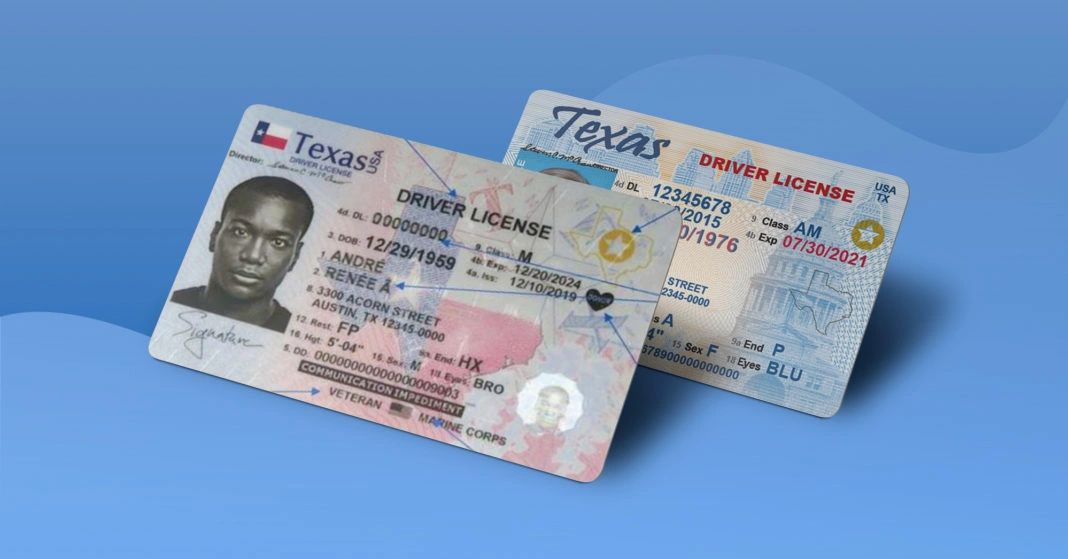
While a driver’s license primarily grants you the privilege to operate a vehicle, both the driver’s license and the state identification card serve as official government-issued photo IDs. This distinction is crucial for individuals who may not drive but still require robust identification. Beyond the obvious, a Texas ID card or driver’s license is indispensable for countless daily activities. For instance, you’ll need it to open a bank account, register to vote, enroll children in school, apply for jobs, and even pick up packages from the post office. It simplifies age verification for various purchases and activities, from enjoying a craft beer in San Antonio to attending concerts in Dallas.
Furthermore, for domestic air travel within the United States, a REAL ID compliant Texas driver’s license or ID card is essential. This federal requirement means that your state-issued identification must meet enhanced security standards to be accepted for boarding federally regulated flights. Ensuring you have a compliant ID prevents travel hiccups, allowing you to seamlessly connect from Dallas to El Paso or beyond. In essence, your Texas ID is not just a piece of plastic; it’s a vital tool that integrates you into the social and economic fabric of the state, making your experience in places like Fort Worth or Corpus Christi much smoother and more enjoyable.
The Core Requirements: Understanding the DPS Document Checklist
The Texas Department of Public Safety (DPS) outlines specific categories of documents that all applicants must provide. These categories are designed to verify your identity, your legal status in the United States, your residency in Texas, and your Social Security number. It’s imperative that you bring original documents or certified copies, as photocopies or laminated documents are generally not accepted. Being organized and having all required papers in hand before your visit to a DPS office is the key to a successful application.
Establishing Your Identity: Primary and Secondary Documents
The first step in proving your eligibility for a Texas ID is to establish your identity with irrefutable documentation. The DPS categorizes these into primary and secondary documents, though often a single strong primary document can suffice.
-
Primary Identity Documents: These are typically the strongest forms of identification. Examples include:
- A United States passport or passport card.
- An original or certified copy of a birth certificate issued by a U.S. state, territory, or the District of Columbia.
- A Certificate of United States Citizenship or Naturalization.
- A Permanent Resident Card, commonly known as a Green Card.
- A foreign passport with a United States visa and an I-94 document.
-
Secondary Identity Documents: If you don’t have a primary document, or if the DPS requires additional verification, you might need secondary documents. These are typically presented in combination with supporting documents. Examples include:
- A Social Security card.
- A marriage license or divorce decree.
- A current school ID with a photograph.
- A U.S. military ID card.
It is always advisable to bring more documents than you think you’ll need, as circumstances can vary. For example, if your name has changed due to marriage or divorce since your birth certificate was issued, you will need to provide legal documentation of that name change to connect your current name to your birth name.
Proving Your Legal Status: Citizenship or Lawful Presence
Beyond proving who you are, you must also prove your legal standing in the United States to qualify for a Texas ID. This requirement ensures that only U.S. citizens and those lawfully authorized to reside in the country receive state-issued identification.
-
For U.S. Citizens:
- An original or certified copy of your United States birth certificate.
- A current, unexpired United States passport or passport card.
- A Certificate of United States Citizenship or Naturalization.
-
For Non-Citizens and Lawful Permanent Residents:
- A Permanent Resident Card (Form I-551), the Green Card.
- A foreign passport with a valid United States visa, along with an I-94 document (Arrival/Departure Record), and potentially an Employment Authorization Document (EAD) if applicable. The validity of your Texas ID will typically be tied to the expiration date of your legal presence document.
Understanding your specific immigration status and having the corresponding federal documents is paramount. These documents confirm your right to live and establish roots in the United States, a prerequisite for state-level identification.
Verifying Your Texas Residency: Making Texas Your Home
To prevent individuals from obtaining IDs in states where they do not reside, the DPS requires applicants to provide proof of their current physical address in Texas. This is particularly important for new residents settling into a new home or apartment, perhaps near the vibrant cultural districts of Dallas or the historic neighborhoods of San Antonio. You typically need two different documents showing your name and current Texas residential address. Examples include:
- Utility Bills: Recent bills for electricity, water, gas, cable, or internet services. These should be dated within 90 days of your application.
- Lease Agreement or Mortgage Statement: A current lease or rental agreement, or a mortgage statement for your Texas home.
- Property Tax Statement or Deed: Documentation showing ownership of residential property in Texas.
- Medical or Health Card: A valid health insurance card or statement that includes your address.
- Voter Registration Card: Your official Texas voter registration certificate.
- Automobile Insurance Policy or Card: Proof of auto insurance with your current Texas address.
- School Records: Transcripts or report cards from a Texas school for minor applicants.
- Mail from Governmental Agencies: Documents from federal, state, or local government entities, such as the Social Security Administration (SSA).
It’s crucial that these documents are recent and display your current physical address, not a P.O. Box. When you’re establishing accommodation in a new city like Houston, ensuring your utility accounts and lease agreements are in your name and reflect your new address is a foundational step towards securing your Texas ID.
The All-Important Social Security Number
The fourth core requirement is providing proof of your Social Security Number (SSN). The SSN is a unique nine-digit number issued by the Social Security Administration (SSA) and is critical for employment, taxation, and various government services in the United States.
-
Proof of SSN:
- Your original Social Security card is the preferred document.
- Other documents displaying your full SSN, such as a W-2 form, an SSA-1099 form, or a pay stub with your name and SSN, may also be accepted.
-
What if you don’t have an SSN?
- If you have never been issued an SSN, the DPS will require a letter from the Social Security Administration stating that an SSN was never assigned to you. This scenario typically applies to certain non-citizens who are not authorized to work in the United States. However, for most residents seeking to integrate into the Texas lifestyle, an SSN is a standard requirement.
Special Circumstances and Considerations for Your Texas ID Journey
While the general requirements apply to most applicants, certain situations necessitate additional documentation or specific procedures. Understanding these nuances can prevent delays and ensure a smoother experience at the DPS office.
Navigating Name Changes and Minor Applicants
Life events often lead to changes in your legal name, which must be reflected in your official identification. Similarly, obtaining an ID for a minor involves specific parental requirements.
-
Name Changes: If your current legal name differs from the name on your primary identity document (e.g., birth certificate), you must provide legal documentation to link the two names. Common examples include:
- A certified copy of a marriage license.
- A certified copy of a divorce decree or annulment order.
- A court order changing your name.
These documents establish a clear chain of name changes, ensuring your identity is accurately recorded. For instance, if you were married in Austin and changed your name, your marriage certificate would be crucial.
-
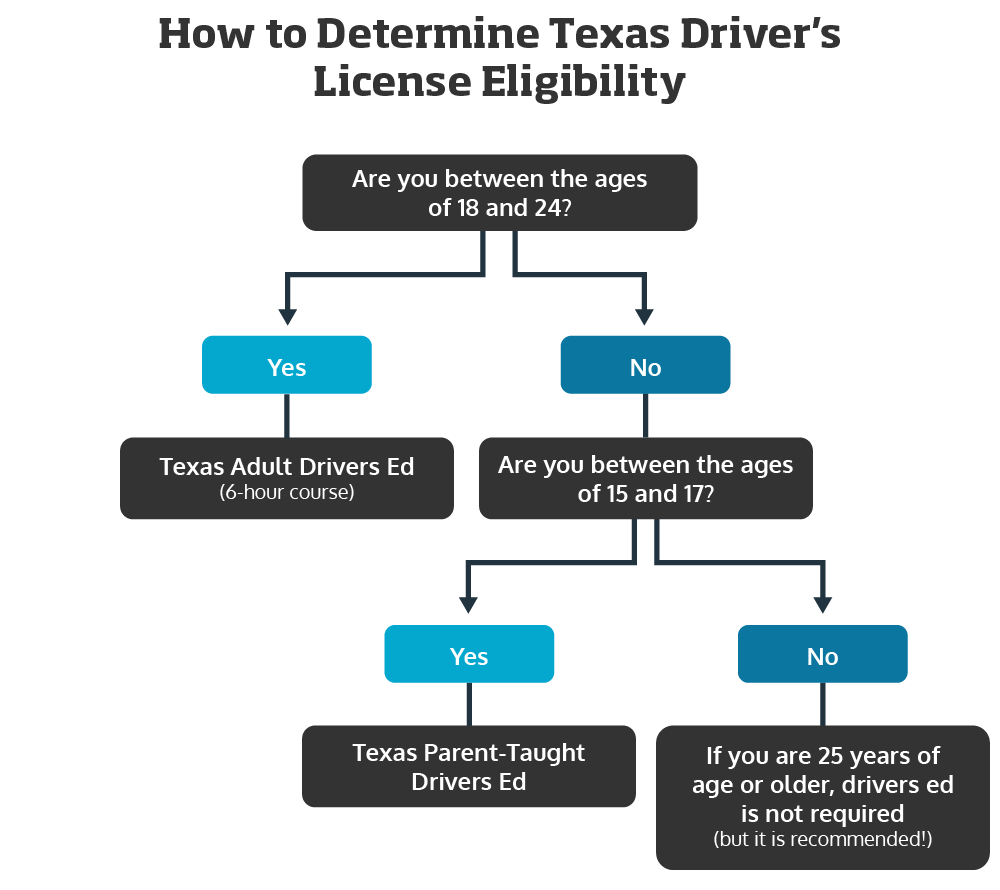
Minor Applicants: For individuals under the age of 18 applying for a Texas ID card or driver’s license, additional requirements apply:
- Parent/Guardian Identification: A parent or legal guardian must be present and provide proof of their own identity and their relationship to the minor (e.g., birth certificate, court order).
- Parental Consent: The parent or guardian must sign an affidavit consenting to the minor’s application.
- School Enrollment: Minors under 18 seeking a driver’s license must also provide proof of school enrollment or a high school diploma/GED. This is part of Texas’s graduated driver’s license program, aimed at preparing young drivers safely for the roads, whether they’re driving to classes in Dallas or exploring the countryside.
Renewing Your Texas ID: A Seamless Process for Existing Residents
For those who already possess a Texas ID or driver’s license, the renewal process is generally less arduous than the initial application. The DPS offers several convenient options for renewal, catering to the dynamic lifestyles of Texas residents.
- Online Renewal: Many individuals are eligible to renew their driver’s license or ID card online, provided they meet certain criteria (e.g., haven’t renewed online before, no significant changes to their information, under 79 years old). This is often the quickest and most convenient method, requiring only your existing ID number and personal information.
- Mail Renewal: Some individuals may receive a renewal notice allowing them to renew by mail. This option is typically available for those who are out of state or have specific restrictions.
- In-Person Renewal: If you are not eligible for online or mail renewal, or if you prefer to visit a DPS office, you can renew in person. You will need to bring your expiring Texas ID or driver’s license, and potentially updated proof of residency if your address has changed since your last renewal. A vision test is required for driver’s license renewals, ensuring you can safely navigate the bustling streets of Houston or the scenic routes of the Big Bend National Park region.
Keeping track of your ID’s expiration date is vital to avoid any lapse in identification, which can impact your ability to drive, travel, or conduct financial transactions.
Understanding Temporary and Limited-Term IDs for Non-Citizens
For non-citizens lawfully present in the United States, the Texas ID or driver’s license issued will typically be a “Limited-Term” document. This means its expiration date will coincide with the expiration date of your legal presence document (e.g., your visa, Green Card, or Employment Authorization Document).
- Validity: These IDs are valid only for the period you are authorized to remain in the United States.
- Renewal: When renewing a limited-term ID, you must once again demonstrate proof of your continued lawful presence. This often involves presenting updated immigration documents. This system ensures that state-issued identification remains consistent with federal immigration statuses, providing a clear path for international residents to enjoy their time in Texas, whether they are studying in Austin or working in Space Center Houston.
Beyond the Documents: What to Expect at the DPS Office
Once you have meticulously gathered all the required documents, your next step is to visit a Texas Department of Public Safety (DPS) office. While the thought of government offices might conjure images of long waits, being prepared can significantly streamline your experience.
The application process at the DPS typically involves several stages:
- Application Form: You’ll first complete an application form, either online beforehand or at the office. This form collects your personal information and confirms the type of ID you’re applying for.
- Document Verification: A DPS representative will meticulously review all your submitted original documents. This is where your thorough preparation pays off, as any missing or incorrect documents will lead to a rejection of your application.
- Vision Test (for Driver’s License): If you are applying for a driver’s license, you will undergo a basic vision test to ensure your eyesight meets the minimum requirements for safe driving.
- Fingerprinting and Photo: Your fingerprints will be taken for security purposes, and a photograph will be captured for your ID card. This photo will be a lasting image, so be prepared for it!
- Signature: You’ll provide your signature, which will also appear on your ID.
- Fees: Finally, you’ll pay the applicable application fee. Fees vary depending on the type of ID (driver’s license vs. ID card) and the term of validity.
Tips for a Smooth Visit:
- Make an Appointment: The DPS allows you to schedule appointments online, which can dramatically reduce your wait time. This is highly recommended, especially in larger cities like Houston or Dallas.
- Arrive Early: Even with an appointment, arriving a little early gives you time to find parking and get settled.
- Bring Originals: Reiterate that only original documents or certified copies will be accepted. Do not bring photocopies unless explicitly stated otherwise.
- Be Patient: While preparation helps, government offices can sometimes have unexpected delays. A patient and cooperative attitude will go a long way.
- Know Your Needs: Clearly understand whether you need a driver’s license or a non-driving ID card before you arrive.
Obtaining a Texas ID is a pivotal step in settling into your new life in the state. Whether you’re planning to explore the natural wonders of Guadalupe Mountains National Park or relax on the sands of Padre Island National Seashore, having official identification streamlines everything from daily errands to travel plans. By understanding and meticulously preparing for the document requirements of the Texas Department of Public Safety, you ensure a hassle-free process, freeing you up to fully embrace the vibrant culture and diverse opportunities that Texas has to offer. Your Texas ID is not just a formality; it’s your passport to an authentic Texas experience, from visiting The Alamo to discovering hidden gems across the state.
LifeOutOfTheBox is a participant in the Amazon Services LLC Associates Program, an affiliate advertising program designed to provide a means for sites to earn advertising fees by advertising and linking to Amazon.com. Amazon, the Amazon logo, AmazonSupply, and the AmazonSupply logo are trademarks of Amazon.com, Inc. or its affiliates. As an Amazon Associate we earn affiliate commissions from qualifying purchases.