
Alaska, often called the Last Frontier, captivates with its rugged beauty, vast wilderness, and, perhaps most uniquely, its dramatic shifts in daylight. The question “How long is Alaska dark?” hints at one of the most intriguing aspects of visiting this northernmost state of the United States: its extreme light cycles. Unlike more temperate regions, Alaska experiences periods of near-constant daylight and prolonged darkness, phenomena that profoundly shape its landscape, ecosystems, and human experience. Understanding these cycles is crucial for any traveler planning an unforgettable journey through its diverse destinations, whether seeking the vibrant glow of the Aurora Borealis or the endless adventures under the Midnight Sun.
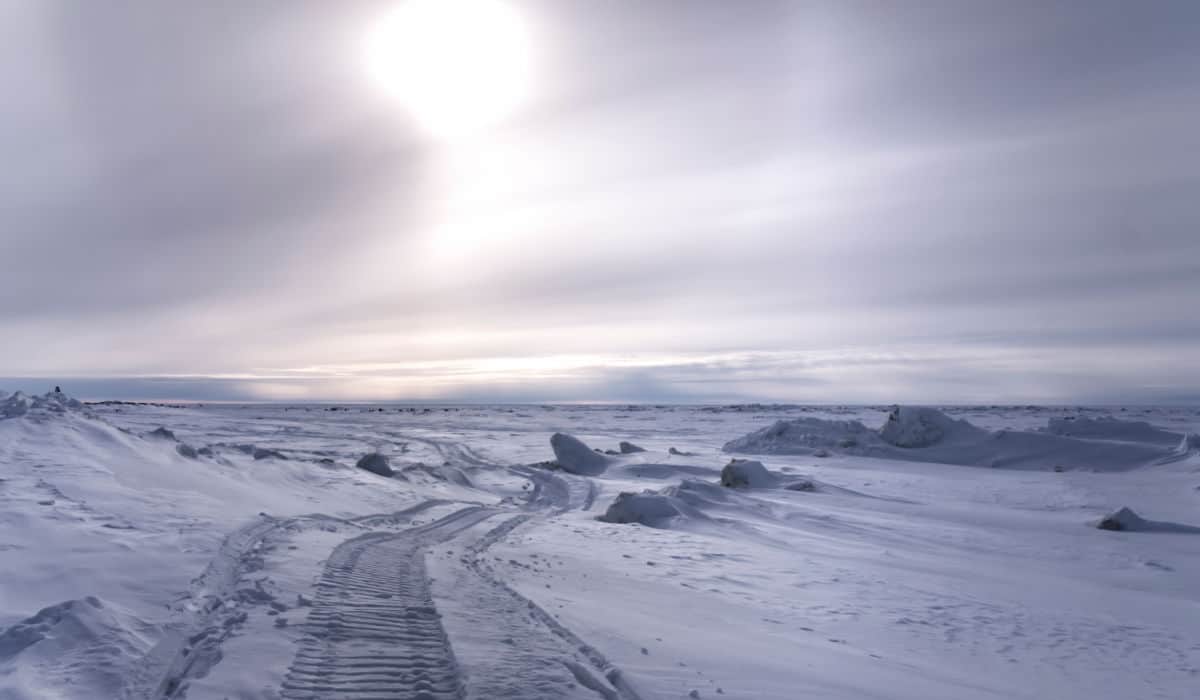
The duration of darkness in Alaska isn’t uniform; it varies significantly depending on your latitude and the time of year. While the state never experiences complete 24-hour darkness statewide, parts of it within the Arctic Circle do. From the bustling streets of Anchorage to the remote villages north of the Arctic Circle, the light—or lack thereof—dictates the rhythm of life and the possibilities for exploration.
Unpacking Alaska’s Unique Light Phenomenon: Polar Night and Midnight Sun
The extreme light conditions in Alaska are a direct consequence of its high latitude and the tilt of the Earth’s axis. During certain times of the year, areas north of the Arctic Circle experience what’s known as Polar Night, where the sun does not rise above the horizon for days, weeks, or even months. Conversely, during the summer, these same regions bask in the glow of the Midnight Sun, where the sun remains visible for 24 hours.
The Science Behind the Light Extremes
The Earth’s axial tilt of approximately 23.5 degrees relative to its orbit around the sun is the fundamental reason for these dramatic seasonal changes in daylight. As the Earth orbits, the Northern Hemisphere is tilted towards the sun during summer, leading to longer days, and away during winter, resulting in shorter days. For regions at very high latitudes, such as those in Alaska that lie above 66.5 degrees North (the Arctic Circle), this tilt means that for a portion of winter, the sun never appears, creating Polar Night. Similarly, in summer, the sun never sets, giving rise to the Midnight Sun.
Utqiaġvik (Barrow), the northernmost city in the United States, provides a stark example. It experiences about 65 days of continuous darkness during winter, from mid-November to late January, a true Polar Night. During this period, the city sees only twilight around midday, a soft, ethereal glow that paints the sky without the sun ever cresting the horizon. In summer, the reverse is true, with the sun staying above the horizon for roughly 80 days, from mid-May to early August.
Even cities further south, like Fairbanks, though not within the Arctic Circle, still experience significant variations. During the winter solstice (around December 21st), Fairbanks might see less than four hours of direct sunlight. While the sun technically rises, its low arc keeps the day brief and the light muted. Come summer solstice (around June 21st), Fairbanks enjoys over 21 hours of daylight, with the remaining hours being a luminous twilight rather than true darkness. Anchorage, further south, experiences more moderate, but still dramatic, shifts, with about 5.5 hours of daylight in winter and nearly 19 hours in summer.
Seasonal Shifts and Twilight Hours
It’s important to distinguish between absolute darkness and twilight. Even during the depths of winter, many parts of Alaska experience civil, nautical, or astronomical twilight. Civil twilight, where there’s enough light to discern objects, typically lasts longer than the actual sunrise-to-sunset period, extending the usable “daylight” hours even when the sun is below the horizon. This means that while direct sunlight might be scarce, a soft, diffused light often graces the landscape, making for incredibly beautiful and often dramatic photography opportunities.
Experiencing the Alaskan Dark: Winter Wonders and Northern Lights
For many travelers, the allure of Alaska in its dark months is inextricably linked to the celestial ballet of the Aurora Borealis. The long, dark nights provide the perfect canvas for the Northern Lights, drawing visitors from across the globe.
Chasing the Aurora Borealis
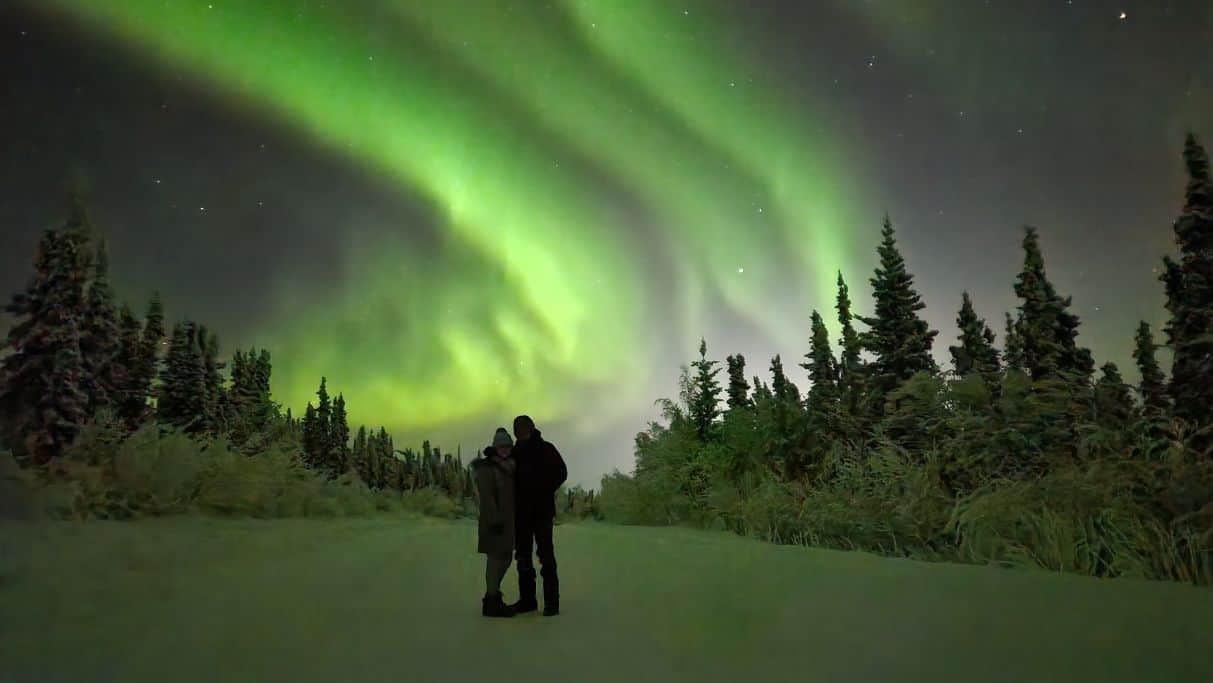
The best time to witness the Aurora Borealis in Alaska is generally from late August to April, when the nights are long and dark. The prime viewing areas are usually away from city lights, with Fairbanks often cited as one of the world’s best locations due to its location under the “auroral oval” and relatively clear winter skies. Travelers can book dedicated Northern Lights tours, often including transport to remote, heated viewing cabins or lodges.
Consider staying at accommodations designed for aurora viewing, such as the Borealis Basecamp or smaller, rustic cabins outside of Fairbanks. Many hotels in Fairbanks, like the Pike’s Waterfront Lodge, offer wake-up calls when the aurora is active, ensuring you don’t miss a moment of this spectacular natural light show.
Winter Sports and Cultural Immersion
Beyond the aurora, the darker months in Alaska open up a world of unique winter activities. Dog sledding, ice fishing, cross-country skiing, and snowmobiling become prime attractions. Destinations like Girdwood, home to Alyeska Resort, offer world-class downhill skiing with stunning views, even during the limited daylight hours.
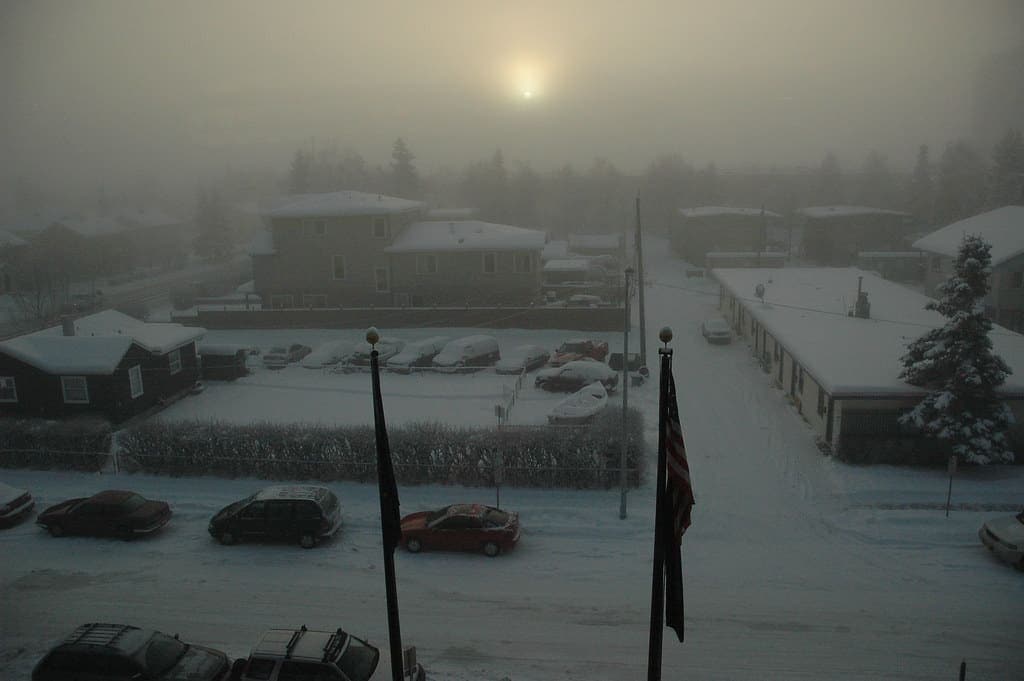
Embracing the darkness also means experiencing local culture and community life. Many Alaskan towns host winter festivals, celebrating the return of longer days or traditional Indigenous practices. The Fur Rondy Festival in Anchorage and the Iditarod Trail Sled Dog Race (starting in Anchorage and ending in Nome) are iconic events that thrive amidst the winter landscape, offering a glimpse into the resilient spirit of Alaskans. Cozy up in a local brewery, enjoy hearty Alaskan cuisine, or visit museums like the Anchorage Museum to delve into the state’s rich history and art.
Embracing the Endless Day: Summer Adventures and the Midnight Sun
When the darkness recedes, Alaska transforms into a land of perpetual daylight, opening up a different array of adventures under the Midnight Sun. The summer months, typically from June to August, are a peak travel season, thanks to the mild temperatures and extended hours for exploration.
Outdoor Exploration and Wildlife Viewing
With daylight stretching for 18-24 hours, summer is ideal for maximizing outdoor activities. Hiking in national parks like Denali National Park and Preserve, Kenai Fjords National Park, and Wrangell-St. Elias National Park becomes an unparalleled experience. You can embark on backcountry treks well into what would typically be nightfall, witnessing the landscape bathed in a soft, golden light.
Wildlife viewing thrives in the summer. Opportunities to spot grizzly bears, black bears, moose, caribou, and bald eagles are abundant. Coastal tours from towns like Seward or Homer offer chances to see whales, puffins, and sea otters in their natural habitats along the Pacific Ocean and Bering Sea. Fishing enthusiasts flock to rivers and coasts for salmon and halibut, often fishing late into the “night” thanks to the endless light.
Cultural Festivals and Coastal Charms
Summer also brings a vibrant calendar of festivals and events. The Midnight Sun Festival in Fairbanks celebrates the longest day with street fairs, music, and local crafts. The Alaska State Fair in Palmer showcases enormous vegetables grown under the continuous daylight, a testament to the land’s fertility.
Coastal cities like Juneau, the state capital, and Ketchikan in the Inside Passage become hubs for cruise ship passengers, offering historical tours, Native Alaskan cultural experiences, and proximity to stunning glaciers like Mendenhall Glacier. The constant daylight makes for perfect conditions to explore these natural wonders and soak in the unique charm of Alaskan communities.
Planning Your Alaskan Adventure: Navigating the Light and Dark
Choosing when to visit Alaska largely depends on what experiences you seek. Each season offers a distinct character, shaped by the pervasive influence of light or darkness.
Choosing Your Season and Packing Essentials
Winter (November – March): If chasing the Aurora Borealis and enjoying snow sports are your priorities, winter is your season. Be prepared for cold temperatures, short daylight hours, and potential travel delays due to weather. Essential packing includes multiple layers of warm clothing, insulated boots, hats, gloves, and perhaps a sleep mask for adapting to unique sleep patterns if you’re sensitive to light during the twilight hours.
Summer (June – August): For hiking, wildlife viewing, fishing, and extended outdoor exploration, summer is ideal. Expect milder temperatures, but also be prepared for crowds and higher prices for accommodation and tours. Even with the Midnight Sun, pack layers, as temperatures can fluctuate. A good quality sleep mask is absolutely essential to ensure restful sleep when the sun never truly sets.
Shoulder Seasons (April-May, September-October): These months offer a balance. In spring, snow begins to melt, wildlife emerges, and aurora viewing is still possible in early spring. Fall brings stunning foliage, cooler temperatures, fewer crowds, and a return to darker nights for aurora chances. These seasons can be a great budget-friendly option, with fewer tourists and often better deals on hotels and activities.
Accommodation and Lifestyle in the Land of Extremes
Alaskan accommodations cater to a wide range of travelers, from luxury resorts to rustic cabins and charming boutique hotels. In places like Anchorage, you can find well-appointed hotels such as the Hotel Captain Cook or The Lakefront Anchorage, which provide comfortable bases for exploring. Closer to natural attractions, lodges like the Talkeetna Alaskan Lodge offer unparalleled views and access to wilderness adventures. Many establishments are equipped with blackout curtains in summer to help guests manage the constant daylight.
Adapting to the extreme light cycles is part of the Alaskan experience. For locals, developing routines that transcend external light cues is common. For travelers, it often means adjusting sleep schedules with the help of blackout curtains or sleep masks and embracing the novelty of the experience. The lifestyle here is one of resilience and a deep connection to nature, where the ebb and flow of light and dark dictate not just the calendar, but the very rhythm of life. Whether you are seeking budget-friendly stays or a luxury adventure, Alaska’s unique light conditions will be an integral part of your travel story.
In conclusion, “How long is Alaska dark?” is a question with a nuanced answer, depending entirely on location and season. From the extended Polar Night north of the Arctic Circle to the merely shortened days further south, winter brings a profound sense of darkness, often illuminated by the magical Aurora Borealis. Summer, in stark contrast, is defined by the invigorating Midnight Sun, offering endless hours for outdoor exploration. Understanding these dramatic shifts is key to planning a trip that aligns with your desired experiences, ensuring that your journey to the Last Frontier is as spectacular as the land itself.
LifeOutOfTheBox is a participant in the Amazon Services LLC Associates Program, an affiliate advertising program designed to provide a means for sites to earn advertising fees by advertising and linking to Amazon.com. Amazon, the Amazon logo, AmazonSupply, and the AmazonSupply logo are trademarks of Amazon.com, Inc. or its affiliates. As an Amazon Associate we earn affiliate commissions from qualifying purchases.