
Navigating the complexities of vehicle ownership can be daunting, especially when relocating to a new state or making a significant purchase. For those considering a move to the Sunshine State, planning an extended stay, or simply purchasing a vehicle within its borders, understanding how to transfer a vehicle title in Florida is an essential piece of the puzzle. This guide delves into the specifics of this process, providing a comprehensive overview to ensure a smooth transition, whether you’re a new resident eager to explore Florida’s famous destinations or a local resident simply upgrading your ride.
Florida is renowned for its vibrant culture, stunning beaches, and diverse attractions, drawing millions of visitors and new residents each year. From the bustling streets of Miami and the magical kingdom of Orlando to the tranquil beauty of the Florida Keys, having your own vehicle provides unparalleled freedom to experience all that the state has to offer. For those making Florida their new home, or even a seasonal retreat, integrating into the local way of life often involves practical steps like vehicle registration. This guide will not only walk you through the official procedures but also connect them to the broader lifestyle and travel implications of living and driving in one of America’s most beloved states.
Understanding Florida’s Vehicle Title Transfer Process
The vehicle title transfer process in Florida is designed to be straightforward, provided you have all the necessary documentation and understand the steps involved. This section clarifies who needs to transfer a title, the critical documents required, and the central role of the Florida Department of Highway Safety and Motor Vehicles (DHSMV) in facilitating these transactions. Whether you’re a first-time buyer, a seasoned seller, or a new resident importing your vehicle, knowing the groundwork is the first step towards a hassle-free experience.
Who Needs to Transfer a Title?
Essentially, anyone acquiring ownership of a vehicle in Florida needs to transfer its title into their name. This includes:
- Buyers: If you purchase a used vehicle from a private seller or dealership, the title must be transferred to reflect your ownership. This is crucial for legal recognition and future transactions.
- Sellers: While the primary responsibility for initiating the transfer often falls on the buyer, sellers have important duties, too, such as signing over the title and reporting the sale. This protects them from liability for any incidents involving the vehicle after the sale.
- New Residents: If you’re moving to Florida from another state and bringing your vehicle with you, you’ll need to transfer its out-of-state title to a Florida title and register it within a specific timeframe. This is a common scenario for those embracing the Florida lifestyle and making the state their permanent residence or a winter haven.
- Recipients of Gifts or Inheritance: Even if a vehicle is gifted or inherited, a title transfer is necessary to legally establish the new owner. Specific forms and procedures may apply in these cases.
Understanding your role in the transfer process is fundamental to avoiding delays or legal complications. For new residents, this process is often intertwined with other relocation tasks, such as finding accommodation and exploring local landmarks and attractions.
Key Documents Required for a Smooth Transfer
The success of your title transfer hinges on presenting the correct documentation. Gathering these items beforehand will significantly expedite your visit to the local Florida Tax Collector’s Office or license plate agency. While specific requirements can vary slightly depending on the situation, the core documents typically include:
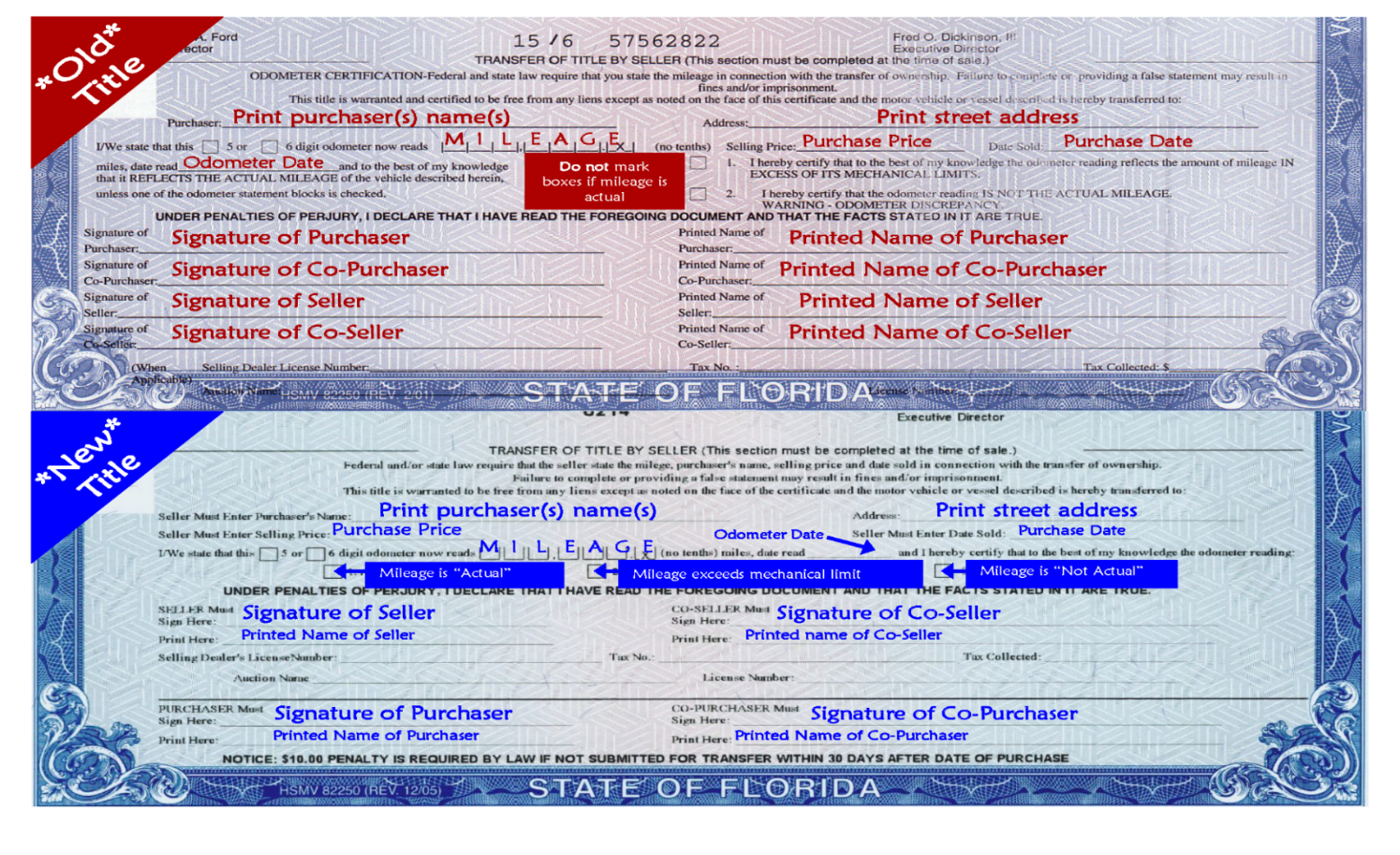
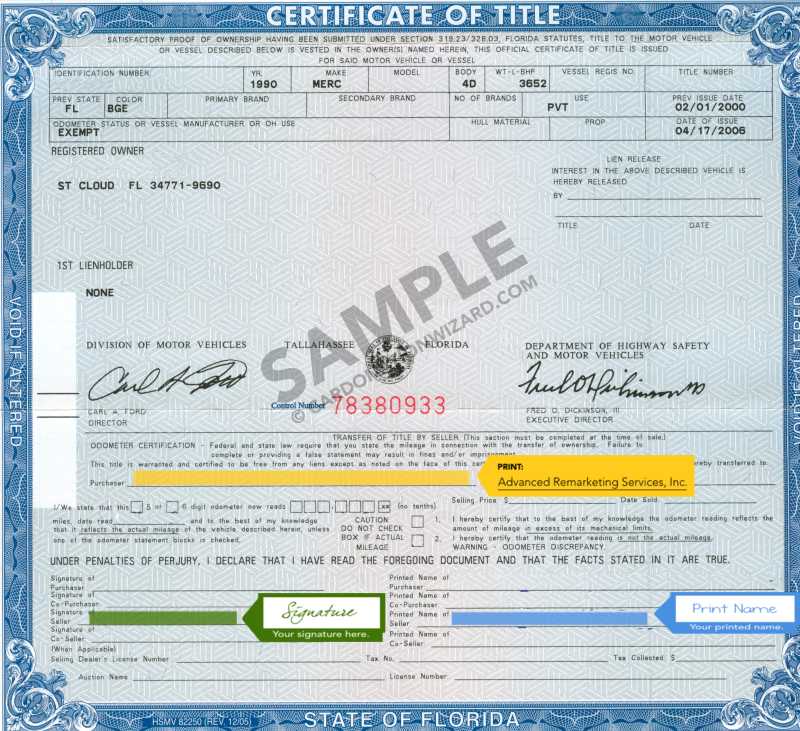
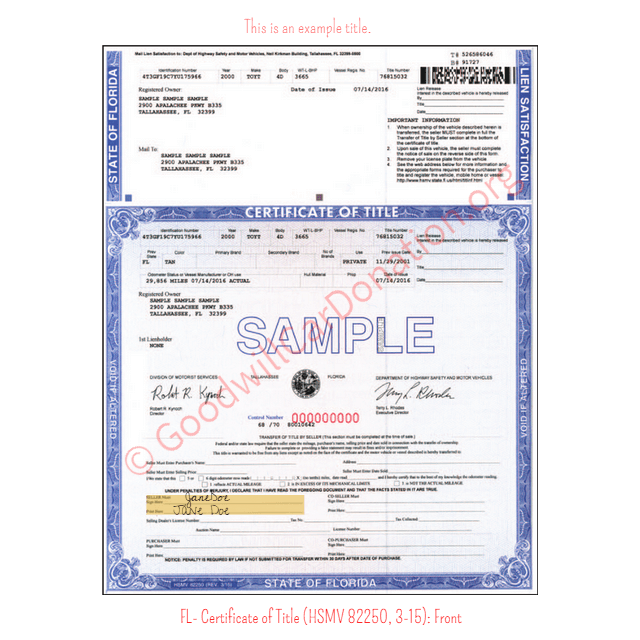
- Original Certificate of Title: This is the most crucial document. For private sales, the seller must sign and date the “Transfer of Title by Seller” section on the front of the title. If there’s a lienholder (e.g., a bank), ensure the lien is satisfied and properly documented for release. For new residents, this will be your out-of-state title.
- Bill of Sale (HSMV 82050): While not always strictly required for the transfer itself, a Bill of Sale is highly recommended for both buyer and seller. It serves as proof of purchase, details the sales price (necessary for calculating sales tax), and includes the vehicle identification number (VIN) and odometer reading. This document protects both parties in the event of future disputes.
- Proof of Identity: A valid government-issued photo ID, such as a Florida Driver’s License or ID card, or an out-of-state driver’s license for new residents, is required.
- Proof of Florida Insurance: Before you can register your vehicle, you must have active personal injury protection (PIP) and property damage liability (PDL) insurance coverage from an insurance company licensed in Florida.
- Application for Certificate of Title With/Without Registration (HSMV 82040): This form officially requests the title to be issued in your name. It requires detailed information about the vehicle and the new owner.
- Odometer Disclosure Statement: For vehicles 10 model years old or newer, an accurate odometer reading is required for title transfers. This is usually recorded directly on the title or a separate form (HSMV 82993).
- VIN Verification: For vehicles previously titled outside of Florida, a VIN verification is necessary. This ensures the VIN on the vehicle matches the one on the title. It can be performed by any law enforcement officer, a licensed dealer, or a Florida motor vehicle inspection station. This step is particularly important for those moving to Florida and seeking to integrate their vehicle into the local system.
- Power of Attorney (if applicable): If someone is acting on your behalf, a Power of Attorney form (HSMV 82053) is needed.
Gathering these documents in advance not only saves time but also reduces the stress often associated with administrative tasks. Many of these forms can be found on the DHSMV website, allowing you to prepare before your visit.
The Role of the Florida Department of Highway Safety and Motor Vehicles (DHSMV)
The Florida Department of Highway Safety and Motor Vehicles (DHSMV) is the primary state agency responsible for issuing driver’s licenses, motor vehicle titles, and registrations. While the DHSMV sets the policies and guidelines, the actual processing of title transfers and registrations is often handled by local Tax Collector’s Offices or authorized private tag agencies throughout the state.
These local offices, found in cities like Tampa, Jacksonville, and St. Petersburg, serve as the direct point of contact for the public. They accept applications, collect fees and taxes, and issue new titles and license plates. It’s advisable to check the website of your local county tax collector for specific hours, locations, and any appointment requirements before your visit. Some offices even offer online appointment scheduling, a convenient feature that can save you valuable time, allowing you more freedom to enjoy Florida’s many attractions.
Step-by-Step Guide to Transferring Your Vehicle Title
Whether you’re purchasing a brand-new car in Florida, buying a pre-owned vehicle from a private seller, or bringing your beloved car with you as you relocate, understanding the distinct roles and responsibilities of both buyers and sellers is paramount. This section breaks down the process into actionable steps, ensuring a clear path to successful vehicle title transfer in the Sunshine State.
For Buyers: What You Need to Do
As a buyer, you are the primary party responsible for completing the title transfer to legally establish your ownership. This process ensures the vehicle is properly registered in your name and that you are compliant with Florida state laws.
- Obtain the Signed Original Title: From a private seller, ensure they have signed and dated the “Transfer of Title by Seller” section on the physical title. Verify that the VIN on the title matches the VIN on the vehicle. For new residents, this will be your out-of-state title.
- Complete the Bill of Sale: Even if the seller doesn’t provide one, it’s wise to create a basic Bill of Sale that includes the vehicle’s VIN, make, model, year, purchase price, date of sale, and the full names and signatures of both buyer and seller. This document is essential for calculating sales tax.
- Secure Florida Insurance: Before visiting the Tax Collector’s Office, you must have active Personal Injury Protection (PIP) and Property Damage Liability (PDL) insurance coverage with a company authorized to do business in Florida.
- Complete the Application for Certificate of Title With/Without Registration (HSMV 82040): Fill this form out accurately. It will ask for details about the vehicle and yourself as the new owner.
- VIN Verification (for Out-of-State Vehicles): If you’re bringing a vehicle from another state, you’ll need to complete a VIN verification. This can be done at a Florida motor vehicle inspection station, by a law enforcement officer, or a licensed dealer. The results are typically documented on form HSMV 82042.
- Visit Your Local Tax Collector’s Office or Tag Agency: Gather all your documents (original title, Bill of Sale, proof of insurance, ID, VIN verification if applicable, and the completed HSMV 82040). Be prepared to pay applicable fees and sales tax.
- Pay Fees and Taxes: You will need to pay the title transfer fee, sales tax (6% of the purchase price, plus any local discretionary sales surtax), and initial registration fees (which vary based on vehicle type and weight, and whether you’re getting a new license plate).
- Receive Your Temporary Registration and Plate: Once processed, you’ll typically receive a temporary registration and license plate on the spot. Your official Florida title will be mailed to you within a few weeks.
For Sellers: Your Responsibilities
While the buyer handles the final title transfer, sellers have critical responsibilities to fulfill, primarily to protect themselves from liability after the sale.
- Sign Over the Title: The seller must sign and date the “Transfer of Title by Seller” section on the original paper title. Ensure all necessary information, such as the odometer reading, is accurately filled out.
- Provide a Bill of Sale: While not legally mandated for the transfer itself, providing a Bill of Sale to the buyer is highly recommended. It clearly documents the transaction, including the date of sale and purchase price.
- Remove License Plates: Florida license plates stay with the owner, not the vehicle. The seller must remove their license plate(s) from the vehicle before the buyer drives away. You can transfer this plate to another vehicle you own, or surrender it to a Tax Collector’s Office if you no longer need it.
- Report the Sale (Optional, but Recommended): Although not legally required in Florida, reporting the sale of your vehicle to the DHSMV is a good practice. This can often be done online through the DHSMV portal and helps protect you if the new owner fails to transfer the title promptly and the vehicle is involved in an incident.
Special Considerations for Out-of-State Transfers or New Residents
Moving to Florida opens up a world of new experiences, from exploring Orlando’s theme parks to relaxing on the beaches of Naples. Bringing your vehicle with you requires an additional step: converting your out-of-state title to a Florida title and obtaining Florida registration.
- Timely Registration: New residents have 30 days from the date they establish residency to register their vehicle in Florida. Establishing residency can be defined by obtaining a Florida driver’s license, registering to vote, or filing for homestead exemption.
- Proof of Ownership and Identity: You will need your out-of-state title, proof of identity (e.g., your new Florida driver’s license), and proof of Florida insurance.
- VIN Verification: As mentioned, your out-of-state vehicle will require a VIN verification. This step is crucial for the DHSMV to ensure the vehicle is legitimate and matches the title.
- First-Time Registration Fees: In addition to title and sales tax fees, new residents often pay an initial registration fee (new plate fee) when registering their vehicle for the first time in Florida.
- Lienholders: If you have a lien on your vehicle (e.g., you are still paying off a car loan), the out-of-state title may be held by your lienholder. You’ll need to provide the lienholder’s name and address on the application (HSMV 82040), and the Florida DHSMV will correspond directly with them to obtain the title for conversion.
Navigating these special considerations ensures your transition to driving in Florida is as smooth as your journey to its sunny shores. Many new residents combine their title and registration visit with other errands, making it an efficient part of settling into a new lifestyle.
Essential Tips and Common Pitfalls to Avoid
Transferring a vehicle title in Florida can be a straightforward process, but like any administrative task, it comes with potential stumbling blocks. Being proactive and informed can save you time, money, and unnecessary stress. This section offers crucial tips and highlights common pitfalls, ensuring your journey from new vehicle owner to Florida driver is as smooth as possible.
Don’t Forget the Fees and Taxes
One of the most common oversights is underestimating the total cost involved in a title transfer. It’s not just the purchase price of the vehicle; several fees and taxes apply:
- Sales Tax: Florida levies a 6% sales tax on the purchase price of the vehicle. Additionally, some counties may have a local discretionary sales surtax, which typically applies to the first $5,000 of the sale. Always factor this into your budget.
- Title Transfer Fee: There is a standard fee for transferring the title. For electronic titles, this is typically less than for paper titles.
- Initial Registration Fee: If you are getting a new license plate (common for new residents or new vehicle purchases), there’s a significant initial registration fee. Subsequent annual renewal fees are lower.
- License Plate Fee: There’s a fee for the physical license plate itself.
- Lien Recording Fee: If there’s a lien on the vehicle, a fee will be charged to record it.
It’s wise to check the current fee schedule on your local county Tax Collector’s website before your visit. Having the correct payment method (cash, check, or credit/debit card, depending on the office) readily available will prevent delays.
Importance of Timeliness and Deadlines
Florida has specific deadlines for title transfers and vehicle registration, and missing these can result in penalties.
- New Residents: You have 30 days from the date you establish residency to register your vehicle and obtain a Florida title. Failing to do so can lead to fines.
- Purchasing a Vehicle: As a buyer, you should complete the title transfer as soon as possible after purchase. While there isn’t a strict “grace period” for the title transfer itself, you cannot legally drive the vehicle without proper registration in your name. Often, dealerships handle this for you, but for private sales, the onus is on the buyer.
- Dealerships: If you purchase a vehicle from a licensed Florida dealer, they are legally required to submit the application for title and registration within 30 days of the sale. Always confirm this with your dealer.
Adhering to these deadlines ensures you remain compliant with state law and avoids unnecessary fees or legal complications, allowing you to focus on enjoying the many attractions and experiences Florida has to offer.
What If the Title is Lost or Damaged?
A lost or damaged title can throw a wrench into the transfer process. Fortunately, Florida offers a clear procedure for obtaining a duplicate.
- Applying for a Duplicate Title: The current owner (the seller, in a transfer scenario) must apply for a duplicate title using form HSMV 82101, “Application for Duplicate Title.” This form requires personal information, vehicle details, and an affidavit stating the original title was lost, stolen, or mutilated.
- Processing Time: Obtaining a duplicate title can take several days to a few weeks if mailed. However, many Tax Collector’s Offices can issue a “fast title” on the spot for an additional fee, which is often a worthwhile investment to expedite a sale or transfer.
- Priority: If you are the buyer and the seller has lost the title, insist that they obtain a duplicate before proceeding with the sale. Never purchase a vehicle without a clear, transferable title.
Navigating Special Situations
Not all title transfers are straightforward sales. Certain situations require specific considerations:
- Gifts: If a vehicle is gifted, the sales tax is typically waived, but you’ll still need to complete the title transfer, pay the title fee, and often provide an affidavit or statement confirming it’s a gift.
- Inherited Vehicles: Transferring a title for an inherited vehicle usually requires a copy of the death certificate, the will (if applicable), and potentially a court order or an affidavit of heirship, depending on the value of the estate and whether it went through probate.
- Leased Vehicles: If you are leasing a vehicle and wish to purchase it, the title will typically be held by the leasing company. They will provide the necessary paperwork to transfer the title into your name once the lease terms are fulfilled.
- Out-of-Country Vehicles: Importing a vehicle from another country involves more complex customs procedures and emissions/safety certifications before it can be titled and registered in Florida. This is a specialized process and often requires working with a customs broker.
Being aware of these unique scenarios and their specific requirements will ensure you are fully prepared, preventing any unexpected roadblocks in your vehicle ownership journey in Florida.
Beyond the Title: Driving and Living in the Sunshine State
Once your vehicle title is officially transferred and your car is registered, a world of possibilities opens up for exploring and enjoying the Florida lifestyle. Having your own transportation is invaluable for fully immersing yourself in the state’s diverse offerings, from its vibrant cities to its serene natural wonders. This section connects the practicalities of vehicle ownership to the broader experience of living, traveling, and finding accommodation in the Sunshine State.
Exploring Florida’s Destinations and Attractions with Your New Vehicle
With your newly titled and registered vehicle, the open roads of Florida beckon. The state boasts an incredible array of destinations and attractions that are best explored at your own pace.
- Coastal Drives: Imagine cruising down scenic coastal highways like A1A, with the Atlantic Ocean on one side and picturesque beach towns on the other. You can easily drive from Jacksonville to Miami, stopping at iconic spots like St. Augustine, Daytona Beach, and Fort Lauderdale.
- Theme Park Adventures: A vehicle is essential for visiting Orlando’s world-famous theme parks, including Walt Disney World Resort, Universal Orlando Resort, and SeaWorld Orlando. Having your own car gives you the flexibility to arrive and depart on your schedule, bypass shuttle waits, and explore surrounding Orlando hotels and dining options.
- Natural Wonders: Venture south to discover the unique ecosystem of the Everglades National Park or drive the Overseas Highway to the Florida Keys, where you can enjoy snorkeling, fishing, and the laid-back charm of Key West. Your car allows you to explore hidden gems and lesser-known natural preserves, offering a deeper connection to Florida’s environment.
- Cultural Experiences: From the art deco architecture of South Beach in Miami to the historic landmarks of St. Augustine, your vehicle is your gateway to Florida’s rich history and diverse cultural scene. Explore museums, art galleries, and local food markets at your leisure.
The freedom of movement that comes with owning and properly registering your vehicle in Florida significantly enhances your ability to craft personalized travel experiences and enjoy an enriching lifestyle.
Vehicle Maintenance for Florida’s Climate
Florida’s unique climate – hot, humid summers, abundant sunshine, and occasional heavy rainfall – demands specific attention to vehicle maintenance. To ensure your newly transferred vehicle remains reliable for all your Florida adventures, consider these tips:
- Tire Care: High temperatures can affect tire pressure and wear. Regularly check your tire pressure and rotate them as recommended to prolong their lifespan.
- AC System: A functioning air conditioning system is not a luxury but a necessity in Florida. Have it checked regularly to ensure it’s performing optimally.
- Battery Life: Heat can significantly reduce battery life. Be prepared for shorter battery lifespans than in cooler climates and have your battery tested annually.
- Fluid Checks: Humidity and heat can impact all vehicle fluids. Ensure regular checks and changes of oil, coolant, and brake fluid.
- Wash and Wax: Regular washing and waxing can protect your vehicle’s paint from the intense sun, salt spray (if near the coast), and love bugs.
Proper maintenance not only keeps your vehicle running smoothly but also contributes to your safety and enjoyment as you navigate Florida’s roads and discover its endless attractions.
Long-Term Accommodation and Vehicle Ownership
For those making Florida their permanent home or settling in for extended long-term stays, vehicle ownership is often integrated with accommodation choices.
- Parking Considerations: When choosing hotels, resorts, apartments, or villas, consider the availability and cost of parking. In bustling cities like Miami or popular tourist hubs like Orlando, parking can be a significant factor.
- Security: Ensure your accommodation provides secure parking, especially if you have a valuable vehicle or carry travel gear. Many luxury hotels and resorts offer valet service or secured garages for peace of mind.
- Accessibility: Having your own car provides flexibility to choose accommodation slightly off the main tourist paths, potentially offering more value or a quieter environment, while still having easy access to Florida’s various destinations. For example, staying in a charming villa in a residential area of Sarasota might be preferable to a downtown hotel if you have your own transport.
Understanding the synergy between vehicle ownership and accommodation choices allows you to make informed decisions that enhance your overall Florida experience, whether you’re here for a short tourism visit or a lifetime of lifestyle exploration.
In conclusion, transferring a vehicle title in Florida is a manageable process that, with proper preparation, sets you up for seamless integration into the state’s vibrant driving culture. By understanding the requirements, gathering the necessary documents, and being mindful of deadlines, you can quickly move past the paperwork and onto the open road, ready to discover all the Sunshine State has to offer. Whether it’s a family road trip to Walt Disney World or a solo journey to a secluded beach, your properly titled and registered vehicle is your ticket to freedom and adventure in Florida.
LifeOutOfTheBox is a participant in the Amazon Services LLC Associates Program, an affiliate advertising program designed to provide a means for sites to earn advertising fees by advertising and linking to Amazon.com. Amazon, the Amazon logo, AmazonSupply, and the AmazonSupply logo are trademarks of Amazon.com, Inc. or its affiliates. As an Amazon Associate we earn affiliate commissions from qualifying purchases.