
The vast, untamed wilderness of Alaska beckons adventurers and wildlife enthusiasts from across the globe. Often referred to as “The Last Frontier,” this magnificent state is renowned for its breathtaking landscapes, towering mountains, pristine glaciers, and an incredible array of wildlife. Among the most iconic and sought-after creatures in the Alaskan wilderness is the formidable polar bear. So, to answer the burning question directly: Yes, polar bears are indeed found in Alaska, making it one of the few places on Earth where one can witness these majestic predators in their natural habitat. For those dreaming of an unparalleled wildlife viewing experience, an Alaskan adventure centered around these magnificent white bears offers a profound connection with the Arctic ecosystem and an unforgettable journey into the heart of wild Alaska.

The Majestic Presence of Polar Bears in Alaska
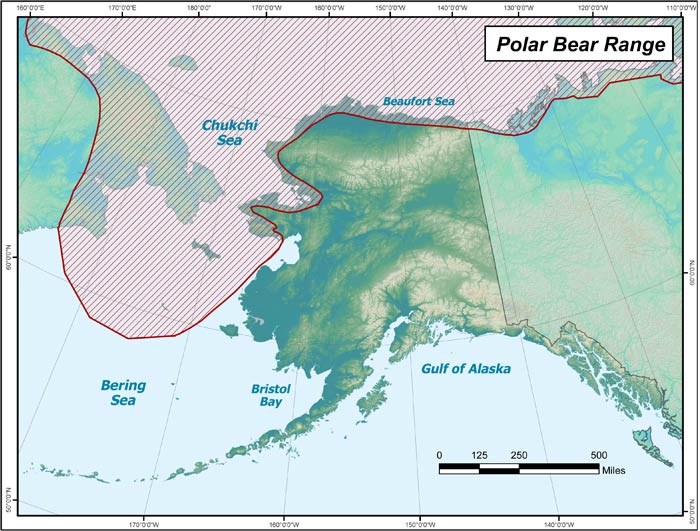
Alaska’s Arctic coast is a critical stronghold for polar bears in North America. These magnificent creatures primarily inhabit the frozen expanse of the Beaufort Sea and Chukchi Sea, which are adjacent to Alaska’s northern shores. Their lives are intricately tied to the presence of sea ice, which serves as their primary platform for hunting their main prey: seals. As opportunistic predators, polar bears are perfectly adapted to the harsh Arctic environment, boasting thick blubber, dense fur, and large, paddle-like paws that aid them in navigating both ice and water.
The polar bear population in Alaska is part of two distinct populations: the Southern Beaufort Sea population and the Chukchi Sea population. While precise numbers fluctuate, it’s estimated that several thousand polar bears roam these Alaskan waters and coastlines. However, this iconic species is classified as vulnerable, primarily due to the rapid decline of their sea ice habitat, a direct consequence of climate change. This makes a journey to see them not only an adventure but also a poignant reminder of the fragility of our planet’s wild places. Observing them in their natural environment highlights the urgent need for conservation efforts and responsible tourism practices.
Understanding Polar Bear Behavior and Ecology
To truly appreciate the opportunity to see polar bears in Alaska, it helps to understand their unique ecology and behaviors. As apex predators of the Arctic, their diet consists primarily of ringed and bearded seals, which they skillfully hunt from the edge of the sea ice. They employ various hunting strategies, from patiently waiting at breathing holes to stalking seals basking on the ice. Their exceptional sense of smell allows them to detect prey from miles away.
Polar bear reproduction is also fascinating, with females often denning in snowdrifts on land or sea ice to give birth to their cubs, typically in late fall or early winter. These tiny, vulnerable cubs remain with their mothers for about two to three years, learning essential survival skills before venturing out on their own. Generally solitary animals, polar bears roam vast territories, covering hundreds of miles throughout the year in search of food and mates. Their incredible adaptations for Arctic survival, including a thick layer of fat and two layers of fur, allow them to withstand temperatures as low as -50°F (-45°C) and navigate treacherous icy terrain with remarkable ease. This makes their very existence in such an extreme environment a testament to nature’s enduring power and resilience.
Experiencing Polar Bears: Responsible Wildlife Viewing
For intrepid travelers seeking to witness polar bears firsthand, Alaska offers unparalleled opportunities, but responsible wildlife viewing is paramount. Ethical practices ensure the safety of both visitors and the bears, minimizing disturbance to these vulnerable animals. The best time to observe polar bears in Alaska is typically in the late fall and early winter (September through October), when the bears gather along the coastlines awaiting the formation of new sea ice. As the ice melts in summer, they are forced ashore, often congregating in specific areas before returning to their primary hunting grounds once the ice solidifies.
Two key locations stand out as prime destinations for polar bear viewing in Alaska. The first is Utqiagvik, formerly known as Barrow, which holds the distinction of being the northernmost city in the United States. While Utqiagvik itself is not a primary bear-viewing hub, it serves as a gateway to the Arctic region. The second, and arguably most renowned, destination is Kaktovik, a small Inupiat village located on Barter Island within the Arctic National Wildlife Refuge. In the fall, after the subsistence hunt for bowhead whales by the local community, the discarded whale carcasses provide a natural feast that attracts a significant number of polar bears to the barrier islands near Kaktovik. This unique phenomenon offers a concentrated opportunity for observation.
Tours to these remote locations typically involve small group trips led by experienced local guides. Fly-in safaris are common, often departing from Fairbanks or Anchorage and landing at small airstrips. Once on the ground, visitors are usually transported in specialized vehicles or, in Kaktovik, in small, open boats to view the bears from a safe and respectful distance. These tours are designed to provide incredible photo opportunities and educational insights into polar bear behavior while ensuring minimal impact on their natural activities.
Essential Tips for Your Alaskan Polar Bear Adventure
Embarking on a polar bear adventure in Alaska requires careful planning and adherence to strict safety guidelines. The Arctic environment is unforgiving, and polar bears are powerful wild animals.
- Safety First: Never attempt to approach a polar bear on your own. Always travel with a reputable and experienced guide who understands polar bear behavior and local safety protocols. Guides are equipped with deterrents and are trained to handle encounters safely.
- What to Pack: The Alaskan Arctic is extremely cold, even in early fall. Pack multiple layers of warm clothing, including thermal underwear, fleece, a heavy down parka, insulated waterproof pants, warm boots, a hat, and gloves or mittens. Hand and foot warmers are also highly recommended.
- Photography Tips: Bring a camera with a good zoom lens (at least 300mm or more) to capture stunning shots from a distance without disturbing the bears. A sturdy tripod is also advisable for sharp images in potentially low light conditions.
- Respect Local Culture: Remember that you are visiting indigenous Inupiat communities. Show respect for their traditions, lifestyle, and subsistence activities. Learn about the local history and customs to enrich your experience.
- Booking in Advance: Due to the remote nature of these destinations and the limited number of tour operators, polar bear viewing tours book up quickly, often a year or more in advance. Plan your trip well ahead of time to secure your spot.
Beyond Polar Bears: The Alaskan Arctic Travel Experience
While the quest to see polar bears is undoubtedly the main draw, a trip to the Alaskan Arctic offers a much broader and deeply enriching travel experience. This remote corner of the world presents a unique blend of natural wonder, cultural immersion, and adventurous exploration that extends far beyond a single wildlife sighting.
The landscape itself is a spectacle. The vast, treeless tundra stretches to the horizon, painted with subtle hues of browns, reds, and golds in the fall. This seemingly barren land teems with other incredible wildlife, including herds of caribou, elusive Arctic foxes, and a myriad of migratory birds. The coastal waters are home to walruses and various species of whales, making the Arctic Ocean a vibrant ecosystem. For those visiting during the darker months, the celestial dance of the Northern Lights (Aurora Borealis) is a profound and unforgettable spectacle that graces the Arctic sky with vibrant colors.
Culturally, an Arctic journey provides a window into the enduring lifestyle and traditions of the Inupiat people, who have thrived in this challenging environment for thousands of years. Visitors can learn about their subsistence hunting practices, their intricate artwork, and their deep connection to the land and sea. Many tour operators work closely with local communities, providing authentic cultural insights and supporting the local economy. Accommodation options in Arctic towns like Kaktovik are typically simple, comfortable lodges or guesthouses, reflecting the remote nature of the region rather than offering luxury resorts. For those embarking on Arctic cruises, accommodation is often on board expedition vessels, providing a unique floating hotel experience. It’s important to remember that traveling to these remote areas can be logistically challenging and weather-dependent, with potentially higher costs due to limited infrastructure and specialized transportation.

Planning Your Alaskan Arctic Journey
Careful planning is crucial for an Alaskan Arctic journey, particularly if your primary goal is polar bear viewing.
- Best Time to Visit: While Alaska generally offers stunning summer months, for polar bears, late September to mid-October is the optimal window when they congregate on the coastal areas near Kaktovik and other points along the Beaufort Sea.
- Transportation: Most Arctic adventures begin with a flight into major Alaskan cities like Fairbanks or Anchorage. From there, connecting flights on smaller regional airlines transport you to the remote Arctic communities. These flights are often an experience in themselves, offering incredible aerial views of the vast wilderness.
- Budgeting: An Arctic trip, especially one focused on polar bear viewing, can be a significant investment due to the specialized logistics, remote locations, and expert guides required. Factor in flights, tours, accommodation, and gear when estimating costs.
- Travel Insurance: Given the remote nature of the destination and potential for weather-related delays or cancellations, comprehensive travel insurance that covers medical emergencies and trip interruptions is highly recommended.
- Choosing a Tour Operator: Select a tour operator with a strong reputation for safety, environmental responsibility, and ethical wildlife viewing practices. Look for companies that actively support local communities and contribute to conservation efforts. Reviews and recommendations can be very helpful in this regard.
In conclusion, the answer to “Are There Polar Bears In Alaska?” is a resounding yes, and seeing them is an unforgettable wildlife experience that offers deep insight into the raw beauty and power of the natural world. A journey to Alaska’s Arctic is more than just a wildlife quest; it’s a profound adventure into one of the planet’s last true wildernesses, a chance to connect with ancient cultures, and a vivid reminder of the critical importance of conservation. By planning responsibly and traveling with respect, you can embark on an incredible journey to witness these magnificent creatures and the breathtaking Alaskan Arctic firsthand.
LifeOutOfTheBox is a participant in the Amazon Services LLC Associates Program, an affiliate advertising program designed to provide a means for sites to earn advertising fees by advertising and linking to Amazon.com. Amazon, the Amazon logo, AmazonSupply, and the AmazonSupply logo are trademarks of Amazon.com, Inc. or its affiliates. As an Amazon Associate we earn affiliate commissions from qualifying purchases.