
Florida, affectionately known as the Sunshine State, is a premier destination for travelers worldwide, renowned for its pristine beaches, vibrant cities, world-class theme parks, and rich cultural tapestry. From the enchanting magic of Walt Disney World Resort in Orlando to the bustling nightlife of Miami, the historical charm of St. Augustine, and the serene beauty of the Florida Keys, the state offers an unparalleled array of experiences. However, like any destination, Florida is occasionally subject to natural events that can impact travel and daily life, prompting the declaration of a state of emergency.
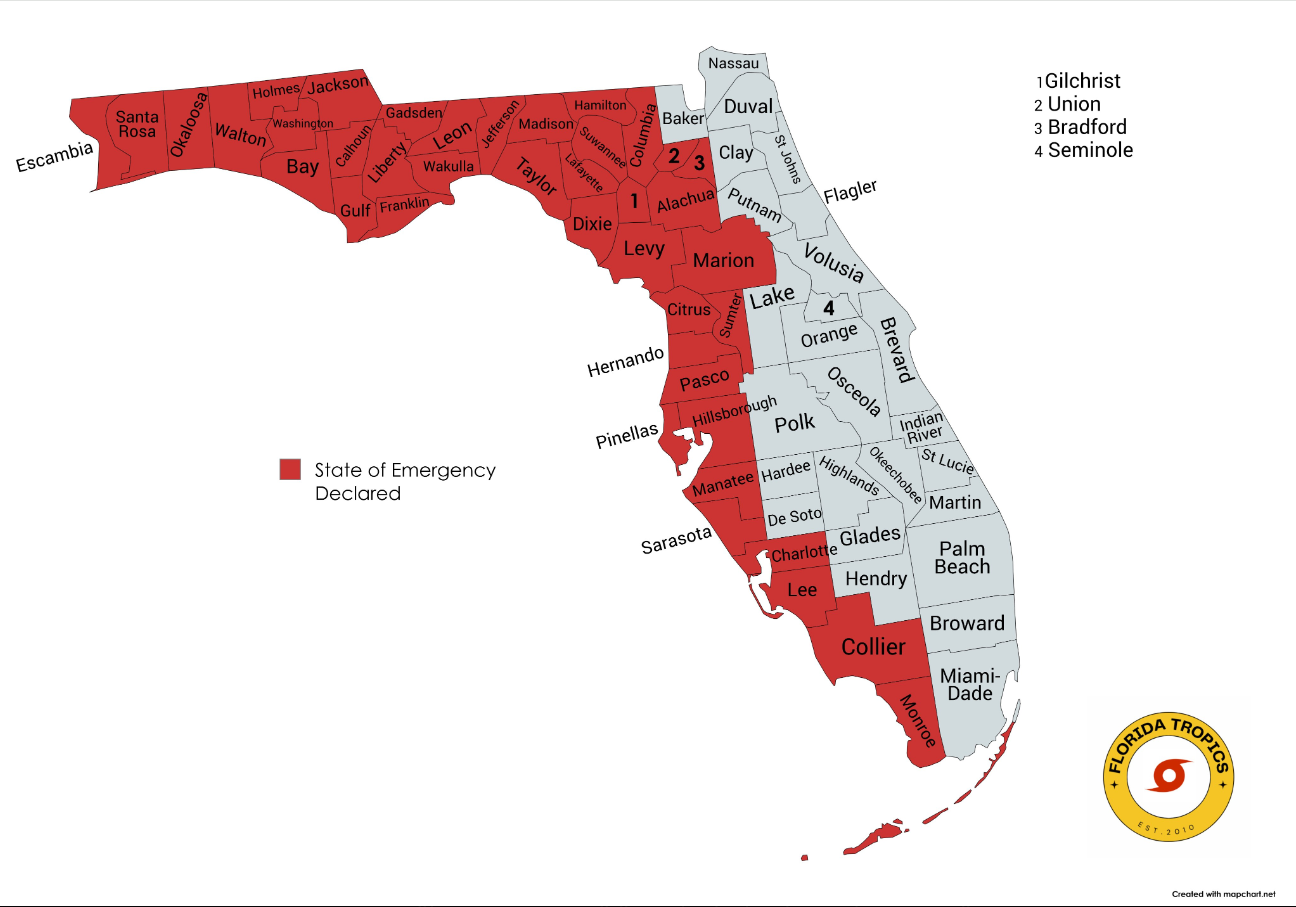
Understanding what a state of emergency entails and which counties might be affected is crucial for both residents and prospective visitors. While these declarations are a serious matter, they are also a testament to Florida’s proactive approach to safety and preparedness, ensuring that resources are mobilized efficiently and communities are protected. For those planning a trip, or already enjoying their Florida getaway, staying informed is key to a seamless and secure experience. This article delves into the dynamics of states of emergency in Florida, providing insight into the counties typically affected and how such declarations might influence your travel plans, accommodation choices, and overall tourism experience.
Understanding States of Emergency in the Sunshine State
A state of emergency declaration is a formal measure taken by the Governor of Florida (or sometimes local county officials) in response to, or in anticipation of, a significant threat to public safety and welfare. These threats most commonly stem from severe weather events, particularly hurricanes and tropical storms, which are a recurring feature of the Atlantic hurricane season, typically running from June 1st to November 30th. However, states of emergency can also be declared for other significant incidents, such as wildfires, public health crises, or even man-made disasters. The declaration is not meant to instill panic, but rather to activate critical resources, suspend certain regulations that might impede emergency response, and streamline efforts to protect residents and visitors.
Why States of Emergency are Declared
The primary purpose of declaring a state of emergency is to ensure the safety of the public and to facilitate a swift and effective response to potential or existing dangers. When such a declaration is made, it empowers state and local authorities to:
- Mobilize Resources: This includes deploying emergency personnel, equipment, and supplies more rapidly across affected areas. Resources from the Florida National Guard, state agencies, and even federal partners can be quickly coordinated.
- Suspend Regulations: Certain administrative rules and regulations may be temporarily waived to expedite emergency actions. For instance, weight limits for trucks carrying relief supplies might be lifted, or price gouging prohibitions might be enacted to prevent exploitation during a crisis.
- Access Funding: Declarations can unlock state and federal funding for emergency response, recovery efforts, and assistance programs for individuals and communities.
- Issue Evacuation Orders: In severe cases, emergency declarations pave the way for mandatory evacuation orders, especially in low-lying coastal areas or zones prone to flooding and storm surge.
- Enhance Communication: It facilitates clear and consistent communication from official sources, ensuring that the public receives timely updates and instructions.
Essentially, a state of emergency is a proactive tool designed to enhance preparedness and response capabilities, allowing government agencies to act decisively to mitigate harm and accelerate recovery.
The Traveler’s Perspective
For travelers, a state of emergency in Florida necessitates heightened awareness and flexibility. While it might sound daunting, understanding its implications can help you make informed decisions. It’s crucial to remember that a statewide declaration doesn’t necessarily mean every corner of Florida is in immediate danger; often, it’s a precautionary measure covering a broad geographic area while specific impacts are focused on particular counties.
- Prioritize Safety: Your personal safety should always be the top priority. Heed all warnings and instructions from local authorities, including evacuation orders.
- Stay Informed: Regularly check official sources like the Florida Division of Emergency Management, local county government websites, and reputable news outlets for the latest information specific to your location or intended destination.
- Communication is Key: Keep in touch with your family and friends to let them know your status. Ensure your cell phone is charged, and consider having a portable power bank.
- Travel Insurance: If you’ve invested in travel insurance, review your policy to understand what is covered in the event of an emergency-related disruption. Many policies offer coverage for cancellations or interruptions due to declared emergencies.
- Flexibility with Plans: Be prepared for potential disruptions to flights, road closures, and changes in attraction operating hours. Have alternative plans ready, and be willing to adjust your itinerary as circumstances evolve.
Current Hotspots: Counties Under Declaration
While specific counties under a state of emergency declaration can change rapidly based on developing threats, certain regions of Florida are more frequently impacted by the kinds of events (primarily hurricanes and tropical storms) that trigger such declarations. These often include coastal counties, those along major waterways like Lake Okeechobee, and densely populated metropolitan areas due to the complexity of managing large populations during a crisis. It’s important to stress that this section provides examples of counties that could be or have historically been included in such declarations, reflecting the state’s diverse geography and vulnerability. For the most current information, always consult official Florida emergency management resources.
The Latest Declarations
Historically, when a tropical storm or hurricane threatens Florida, the Governor may issue a declaration covering a wide range of counties to ensure preparedness. This often includes:
- South Florida and the Florida Keys: Miami-Dade County, Broward County, Palm Beach County, and Monroe County (which encompasses the Florida Keys and Key West) are frequently among the first to be included, given their direct exposure to Atlantic systems.
- Southwest Florida: Counties such as Collier County (Naples), Lee County (Fort Myers, Cape Coral, Sanibel Island, Captiva Island), Charlotte County, Sarasota County (Sarasota, Siesta Key Beach), and Manatee County are often included due to their Gulf Coast proximity and vulnerability to storm surge.
- Central Florida and the Atlantic Coast: Inland counties like Orange County (Orlando), Osceola County (Kissimmee), Polk County, and Seminole County are often covered, even if not directly on the coast, due to potential for heavy rainfall, flooding, and high winds impacting critical infrastructure and population centers. Coastal counties on the Atlantic Coast like Volusia County (Daytona Beach), Brevard County (Space Coast, Kennedy Space Center Visitor Complex), Indian River County (Treasure Coast), and St. Johns County (St. Augustine) are also frequently impacted.
- Tampa Bay Area: Hillsborough County (Tampa), Pinellas County (St. Petersburg, Clearwater Beach), and Pasco County are also very susceptible to both storm surge and heavy rainfall, leading to frequent emergency declarations.
- Florida Panhandle: Counties along the northwestern Florida coast, such as Escambia County (Pensacola), Santa Rosa County, Okaloosa County (Emerald Coast), Walton County, Bay County (Panama City Beach), and Leon County (Tallahassee), are particularly vulnerable to storms originating in the Gulf of Mexico.
- Northeast Florida: Duval County (Jacksonville) and Nassau County (Amelia Island) may also be included depending on the storm’s track.
It’s crucial to understand that these lists are illustrative. The exact counties under a state of emergency at any given time are dynamic and will be specified in official proclamations issued by the Governor. Always check the official website of the Florida Division of Emergency Management or local county government sites for the most accurate and up-to-date information.
Regional Breakdown and Specific Concerns
The impact of a state of emergency can vary significantly by region, even within a single declaration.
- Coastal Counties: These areas face the highest risk from storm surge, coastal flooding, and hurricane-force winds. Mandatory evacuations are most common here. The Florida Keys, with its unique geography, often has distinct protocols.
- Inland Counties: While less prone to storm surge, inland regions can experience severe flooding from heavy rainfall, widespread power outages, and dangerous high winds that can down trees and power lines. For instance, attractions in Central Florida, like those in Orlando, might close as a precautionary measure, even if not directly on the coast, to ensure guest and staff safety.
- Northern Florida: The Florida Panhandle has unique vulnerabilities to Gulf storms and can experience different weather patterns and storm tracks compared to South Florida. The terrain here is also different, with more forests and varying coastal features.
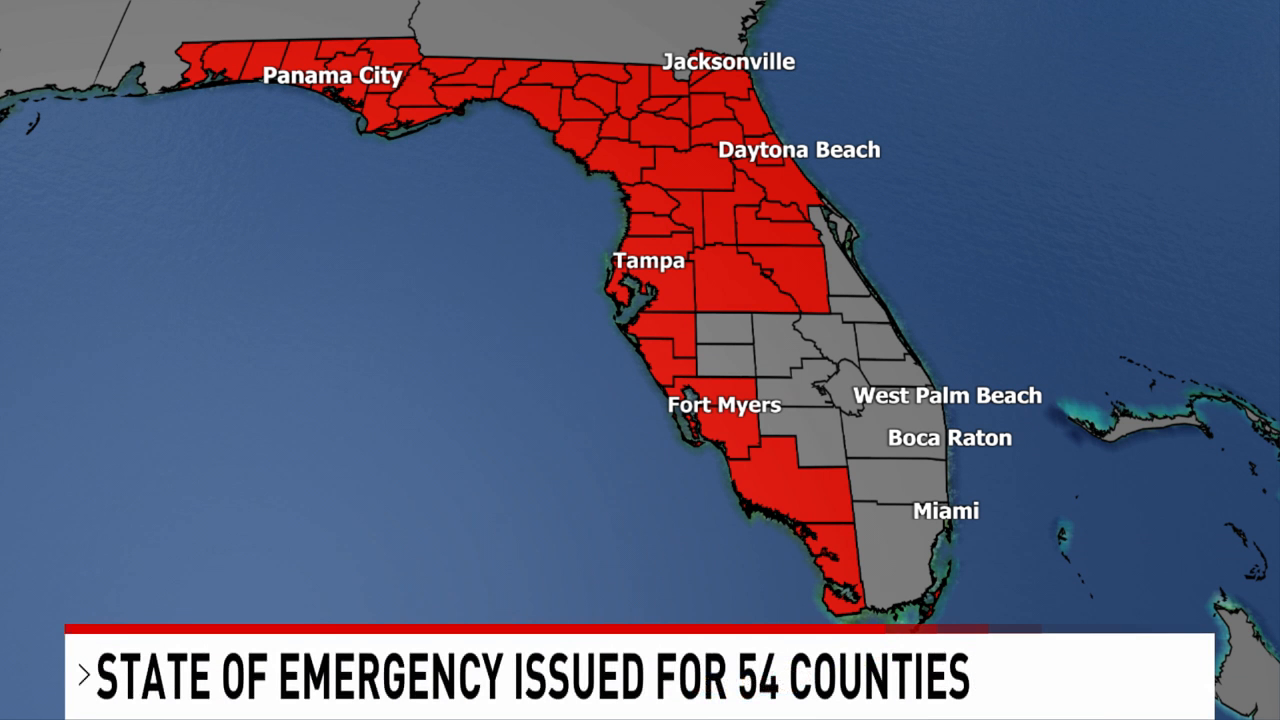
Each region has specific emergency management plans tailored to its unique geographical and demographic characteristics. Travelers should familiarize themselves with the specific risks and preparedness measures relevant to their chosen destination within Florida.
Navigating Travel and Accommodation During an Emergency
A state of emergency can significantly impact travel plans, affecting everything from transportation to where you stay and what attractions are open. However, with careful planning and an informed approach, you can navigate these challenges effectively. The key is proactive research and flexibility.
Hotels, Resorts, and Alternative Stays
Accommodation is often a primary concern during an emergency. Whether you’re in a hotel, resort, apartment, or villa, it’s essential to understand how your lodging might be affected.
- Cancellation and Rebooking: Many hotels and resorts, particularly reputable chains, have specific emergency policies. In the event of an official state of emergency or evacuation order, they often offer waivers for cancellation fees or allow guests to rebook without penalty. Always contact your accommodation provider directly to understand their specific policy.
- Safety Protocols: During a storm, properties designated as shelters or those in non-evacuation zones may remain open but operate under modified conditions, prioritizing guest safety. They might have limited services, secure windows, or provide communal areas for shelter. High-end resorts may have extensive hurricane preparedness plans to ensure guest comfort and safety.
- Alternative Accommodations: For those seeking longer-term stays or unique experiences, rental apartments and villas through platforms like Airbnb or VRBO also operate under their own cancellation policies, which can vary by host. It’s vital to review these terms carefully before booking, especially during hurricane season. Be aware that some properties, particularly those on barrier islands or in flood-prone areas, may be subject to mandatory evacuation.
- Finding Safe Lodging: If you need to relocate or extend your stay, use official county emergency management websites or apps, which often list available hotel rooms in safer, inland areas. Avoid relying solely on walk-ins during an emergency, as demand can surge.
Attractions and Experiences
Florida’s iconic attractions are a major draw, but their operations are often the first to be affected by severe weather.
- Theme Parks: Major theme parks like Walt Disney World Resort and Universal Orlando Resort have well-established hurricane policies. They may close early, close entirely, or suspend outdoor activities to ensure guest and staff safety. Guests with pre-booked tickets or packages should check the park’s official website or app for real-time updates.
- Beaches and Parks: Beaches such as Clearwater Beach, Siesta Key Beach, and Panama City Beach are typically closed to the public during severe weather, and often for a period afterward for cleanup and safety assessments. National and state parks, including Everglades National Park and Dry Tortugas National Park, may close entirely or limit access. Landmarks like the Castillo de San Marcos in St. Augustine might also adjust hours or close.
- Cultural Sites and Museums: Indoor attractions are generally safer but may still close if power is lost, or if staff cannot safely reach the location. Always check the official websites or social media channels of specific attractions for current operational status.
- Cruise Lines: Florida’s major cruise ports in Miami, Fort Lauderdale, and Port Canaveral (near the Kennedy Space Center Visitor Complex) are often impacted. Cruises may be delayed, rerouted, or canceled. Consult your cruise line directly for updates.
Essential Travel Tips and Safety Guidelines
Preparation is paramount when traveling to Florida, especially during hurricane season.
- Monitor Weather Forecasts: Stay vigilant of tropical weather systems developing in the Atlantic and Gulf of Mexico, not just when a state of emergency is declared, but throughout the season. Use reliable sources like the National Hurricane Center.
- Emergency Kit: If you’re on a road trip, consider carrying a basic emergency kit: water, non-perishable food, a first-aid kit, flashlight, batteries, and phone chargers.
- Evacuation Routes: Familiarize yourself with local evacuation routes if you are staying in a coastal or low-lying area.
- Fuel Up: Keep your vehicle’s fuel tank at least half full, as gas stations may experience shortages or power outages during an emergency.
- Identification and Documents: Keep important documents (ID, insurance policies, booking confirmations) in a waterproof bag.
- Communication Plan: Have a communication plan with your travel companions and family members back home.
Beyond the Emergency: Recovery and Future Travel
While a state of emergency highlights a temporary challenge, it also underscores Florida’s remarkable resilience and enduring appeal as a world-class travel destination. The state has a robust infrastructure for emergency response and recovery, often bouncing back quickly after adverse events.
Florida’s Resilience
One of the defining characteristics of Florida is its ability to recover and rebuild. Communities rally, infrastructure is restored, and the vibrant tourism industry often resumes operations swiftly. Local businesses, from boutique hotels to family-run restaurants, are eager to welcome visitors back, and tourism plays a vital role in their recovery. The spirit of the Sunshine State shines brightest in these moments, demonstrating a collective commitment to restoring normalcy and hospitality.
After a state of emergency passes, cleanup efforts begin immediately, often with the support of state and federal agencies. Roads are cleared, power is restored, and attractions undergo necessary inspections and repairs. Many affected areas reopen to tourists surprisingly quickly, sometimes within days or weeks, depending on the severity of the impact. This rapid recovery is a testament to the state’s experience and preparedness.
Planning Future Trips
For those considering a future trip to Florida, do not let the occasional natural event deter you. Florida’s allure remains timeless, offering a diverse palette of experiences for every type of traveler.
- Off-Season Travel: Consider visiting during the non-hurricane season (roughly December to May) for typically calmer weather. However, fantastic deals and fewer crowds can also be found during the summer and fall, provided you stay informed and flexible.
- Diversify Your Destinations: Florida is a large state. If one coastal area is affected, inland destinations or different coastal regions may remain untouched or recover quickly. Explore the charms of Jacksonville, the history of Tallahassee, or the springs of Central Florida.
- Support Local Recovery: Traveling to areas that have recovered from an emergency is a powerful way to contribute to their economic revival. Your tourism dollars directly support businesses and residents rebuilding their lives.
- Stay Informed Long-Term: Follow local tourism boards and official Florida travel websites for updates on specific areas, including information on attractions, hotel availability, and any ongoing recovery efforts.
In conclusion, while states of emergency are a reality in Florida, they are part of a comprehensive system designed to protect everyone. With awareness, preparedness, and a flexible mindset, travelers can continue to enjoy the incredible experiences that the Sunshine State has to offer, understanding that safety and timely information are always paramount. Florida stands ready to welcome you, come sunshine or storm, with its characteristic warmth and resilience.
LifeOutOfTheBox is a participant in the Amazon Services LLC Associates Program, an affiliate advertising program designed to provide a means for sites to earn advertising fees by advertising and linking to Amazon.com. Amazon, the Amazon logo, AmazonSupply, and the AmazonSupply logo are trademarks of Amazon.com, Inc. or its affiliates. As an Amazon Associate we earn affiliate commissions from qualifying purchases.