
Embarking on an entrepreneurial journey, especially within the dynamic realms of travel, tourism, and hospitality, presents an exciting opportunity to blend passion with profit. And where better to plant the seeds of your venture than in Texas? The Lone Star State, renowned for its vast landscapes, diverse cultural tapestry, and booming economy, offers an ideal launchpad for aspiring business owners. Whether your dream involves opening a charming boutique hotel in the Hill Country, managing a portfolio of exquisite short-term rentals in Austin, leading adventure tours through Big Bend National Park, or curating unique culinary experiences in San Antonio, forming a Limited Liability Company (LLC) is often the first and most strategic step.
An LLC offers a robust blend of personal liability protection, administrative simplicity, and tax flexibility, making it an attractive business structure for entrepreneurs navigating the intricacies of the travel and hospitality industries. This comprehensive guide will walk you through the process of opening an LLC in Texas, specifically tailored to those looking to leverage the state’s vibrant tourism and lifestyle ecosystem. By understanding the advantages and following the necessary steps, you can set your business up for success, ensuring peace of mind as you cater to wanderlusters and create unforgettable experiences across the expansive Texas landscape.
Why Texas is the Perfect Destination for Your Travel & Hospitality Venture
Texas’s allure extends far beyond its legendary cowboy culture and sprawling ranches. It’s a land of immense economic opportunity, especially for those in the travel and hospitality sectors. From bustling metropolitan hubs to serene natural landmarks and captivating coastal retreats, the state offers an unparalleled backdrop for innovation and growth. Entrepreneurs choosing Texas benefit from a pro-business environment, a rapidly expanding population, and a constant influx of visitors, all contributing to a thriving market for new ventures.
The Lone Star State’s Growing Tourism Appeal
Texas boasts a dizzying array of destinations and experiences that draw millions of tourists annually. The cultural melting pot of San Antonio, with its historic Alamo and picturesque River Walk, consistently ranks among the nation’s top tourist spots. Meanwhile, Austin, the “Live Music Capital of the World,” pulsates with a youthful energy, drawing tech professionals and creative spirits alike, driving demand for unique accommodation and bespoke experiences. Dallas and Houston serve as major international gateways, offering world-class museums, culinary scenes, and convention centers, perfect for upscale hotels and corporate travel services.
Beyond the cities, Texas’s natural beauty is equally compelling. The vast wilderness of Big Bend National Park attracts nature enthusiasts, while the pristine beaches of the Gulf Coast and South Padre Island are magnets for leisure travelers seeking sun and sand. The rolling vineyards and charming towns of the Hill Country are perfect for wine tourism and boutique lodging. This diverse appeal means that virtually any travel or hospitality concept, from luxury resorts and eco-friendly glamping sites to specialized tour operators and innovative food tourism companies, can find a receptive market within the state. The sheer volume and variety of attractions provide an endless source of inspiration and customer bases for new businesses.
Lifestyle and Economic Advantages for Entrepreneurs
Beyond its tourism draw, Texas offers tangible economic and lifestyle benefits for entrepreneurs. One of the most significant advantages is the absence of a state income tax, which directly translates into more disposable income for business owners and employees alike. This fiscal friendliness, coupled with a relatively low cost of living compared to other major U.S. economic powerhouses, makes Texas an attractive place to live and operate. The state’s economy is robust and diversified, consistently ranking among the fastest-growing in the nation, fostering an environment ripe for business expansion.
Furthermore, Texas’s expansive and growing population provides a deep talent pool for staffing hotels, tour companies, and various hospitality services. For entrepreneurs who prioritize a balanced lifestyle, owning a business in Texas can mean enjoying both professional success and abundant opportunities for personal enrichment, including easy access to world-class travel experiences right within your home state. This unique combination of economic incentives, a thriving tourism industry, and a desirable lifestyle makes Texas an unparalleled choice for launching your next venture.

Understanding the Benefits of an LLC for Your Texas Business
For any new business, selecting the right legal structure is paramount. For entrepreneurs venturing into the travel and hospitality industries in Texas, forming a Limited Liability Company (LLC) often stands out as the most advantageous option. An LLC combines the liability protection of a corporation with the operational simplicity and tax flexibility of a sole proprietorship or partnership, making it particularly well-suited for businesses that interact directly with the public, manage physical properties, or handle significant financial transactions, all common aspects of tourism and accommodation ventures.
Protecting Your Personal Assets in a Dynamic Industry
One of the most compelling reasons to form an LLC is the robust personal liability protection it affords. In the travel and hospitality industries, businesses frequently face unique risks. Whether it’s a guest injury at your boutique hotel in Galveston, property damage at your short-term rental in Fort Worth, or a dispute with a tour supplier, operational challenges can sometimes lead to legal action. Without an LLC, your personal assets – such as your home, car, and personal savings – could be vulnerable to business debts and lawsuits.
By establishing your business as a Limited Liability Company, you create a legal separation between your personal finances and your business’s financial obligations. This means that, in most cases, if your LLC incurs debt or is sued, only the assets of the business are at risk, safeguarding your personal wealth. This protection is invaluable, offering peace of mind to entrepreneurs as they navigate the unpredictable, yet rewarding, landscape of serving travelers and managing properties in Texas. It allows you to take calculated business risks knowing your personal lifestyle remains secure.
Flexibility, Credibility, and Tax Advantages
Beyond liability protection, an LLC provides significant operational flexibility and enhanced credibility. Unlike corporations, LLCs are not burdened by stringent corporate formalities like annual meetings or complex record-keeping, allowing entrepreneurs to focus more on growing their travel and hospitality services. LLCs offer flexible management structures; they can be managed by their members (owner-managed) or by appointed managers, adapting easily to single-owner ventures, family businesses, or multi-partner operations. This adaptability is particularly useful in diverse hospitality settings, from a sole proprietorship running a travel blog to a multi-partner operation managing a chain of hotels.
From a tax perspective, LLCs enjoy “pass-through” taxation by default. This means the business’s profits and losses are passed through to the owners’ personal tax returns, avoiding the “double taxation” that can occur with C-corporations (where profits are taxed at the corporate level and again when distributed to shareholders). Owners pay self-employment taxes on their share of the profits but benefit from a simpler tax structure. Furthermore, having an LLC lends a professional image to your business. It signals legitimacy and seriousness to potential partners, vendors, and crucially, customers booking accommodation or experiences. This enhanced credibility can be a significant asset when securing funding, establishing vendor relationships, or building trust with your target audience in the competitive Texas tourism market.
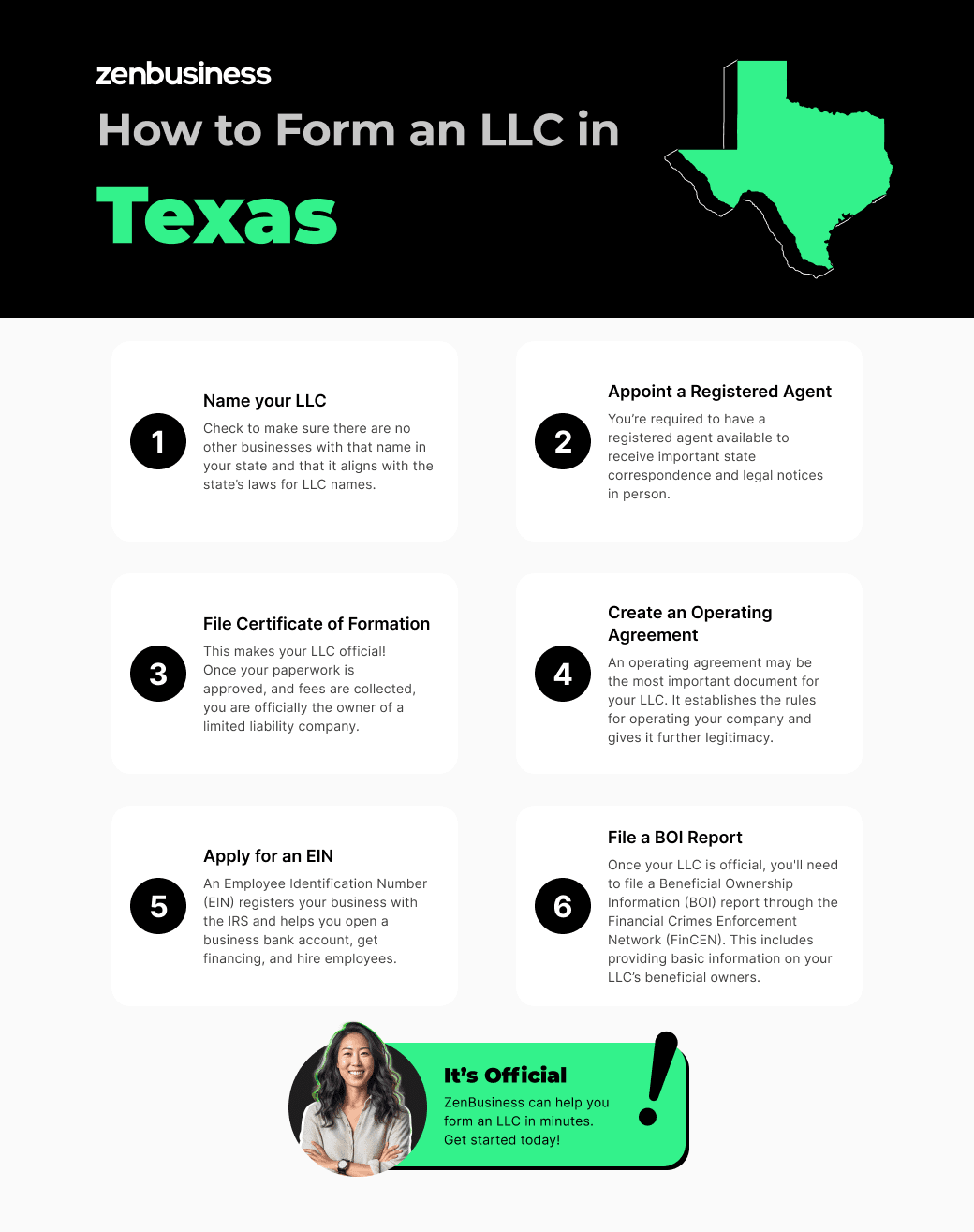
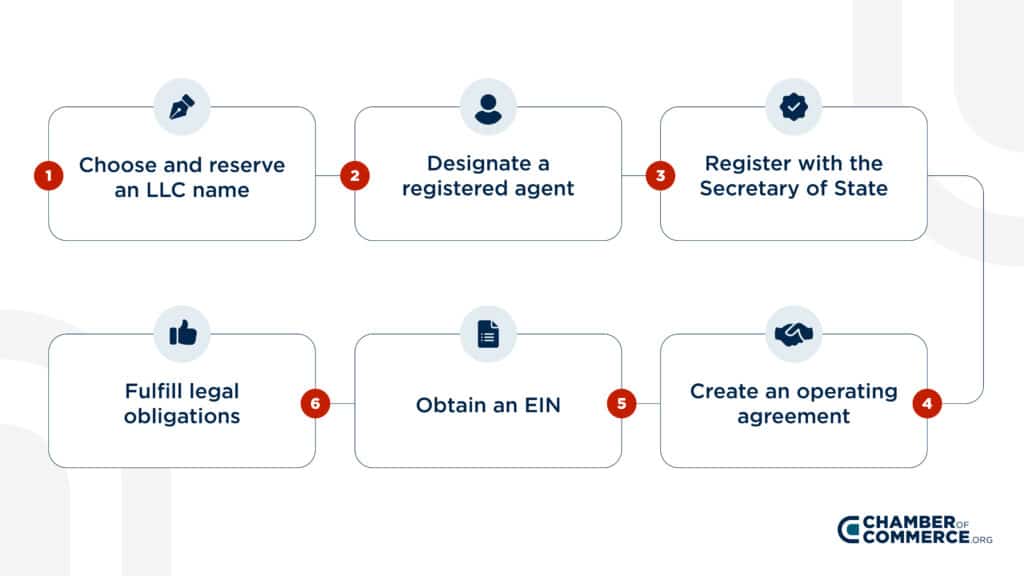
Your Step-by-Step Guide to Forming an LLC in Texas
Forming an LLC in Texas is a straightforward process, but it requires careful attention to detail to ensure legal compliance and a smooth start for your travel or hospitality business. Each step is designed to establish your business legally, protect your assets, and set the foundation for future growth. By methodically working through these requirements, you can confidently launch your venture and begin attracting visitors to the vibrant Texas landscape.
Step 1: Naming Your Business and Choosing a Registered Agent
The first critical step is to choose a unique and memorable name for your Limited Liability Company. Your business name should not only reflect your brand and the essence of your travel or hospitality offering but also comply with Texas naming rules. The name must include “Limited Liability Company,” “Limited Company,” “LLC,” or “LC,” and it must be distinguishable from other registered entities in Texas. You can check name availability through the Texas Secretary of State‘s website. A distinctive name is vital for branding in the tourism industry, helping you stand out whether you’re marketing a luxury resort, a specialized tour, or a unique accommodation option.
Next, you’ll need to appoint a Registered Agent. A Registered Agent is an individual or entity with a physical street address in Texas (not a P.O. box) who is designated to receive official legal and tax documents on behalf of your LLC. This ensures that your business always receives important notices promptly. While you can serve as your own Registered Agent, many entrepreneurs, especially those who travel frequently or operate remotely, opt to use a professional service. This ensures consistent availability during business hours and helps maintain privacy, keeping your personal address off public records.
Step 2: Filing Your Certificate of Formation
Once you have your chosen business name and Registered Agent, the next step is to officially create your Limited Liability Company by filing a Certificate of Formation with the Texas Secretary of State. This document is the legal birth certificate of your LLC. It requires basic information about your business, including:
- The name of your LLC.
- The name and address of your Registered Agent.
- The names and addresses of the organizers (the people who are forming the LLC).
- The purpose of the LLC (which can be a general statement like “to engage in any lawful act or activity for which LLCs may be organized under Texas law,” allowing flexibility for your evolving travel or hospitality offerings).
- The effective date of formation.
You can typically file the Certificate of Formation online through the Texas Secretary of State’s SOSDirect system, which is generally the quickest method. There will be a filing fee associated with this step. Once approved, your LLC officially exists, marking a significant milestone for your venture into the Texas tourism and lifestyle market.
Step 3: Drafting Your LLC Operating Agreement
Although not legally required by the state of Texas, drafting an LLC Operating Agreement is highly recommended, especially for multi-member LLCs. Even for single-member LLCs, it provides a crucial framework. This internal document outlines the ownership structure, management responsibilities, rights and duties of members, profit and loss distribution, voting rights, and procedures for resolving disputes or admitting new members. It also details what happens if a member leaves the business or if the LLC needs to be dissolved.
For travel and hospitality businesses, a well-crafted Operating Agreement is essential. It prevents misunderstandings among partners managing a boutique hotel or co-owning a vacation rental property. It ensures clarity on crucial aspects like reinvesting profits into marketing destinations or funding expansion into new travel segments. Having this agreement in place lends significant credibility, particularly if you seek funding or bring on investors, demonstrating that your business operates with clear governance and foresight. It solidifies the internal workings of your Limited Liability Company and supports its long-term success.
Step 4: Obtaining an Employer Identification Number (EIN)
After your Limited Liability Company is officially formed, the next crucial step is to obtain an Employer Identification Number (EIN) from the Internal Revenue Service (IRS). An EIN is essentially a Social Security number for your business. You will need an EIN if your LLC has more than one member, if it plans to hire employees (which is highly likely for hotels, tour operators, or property management companies), or if it elects to be taxed as a corporation instead of a pass-through entity.
Even for single-member LLCs that don’t initially have employees, obtaining an EIN is often a good idea. It is usually required to open a business bank account, which is vital for maintaining the separation between personal and business finances and upholding your liability protection. You can apply for an EIN online directly through the IRS website, and the process is typically quick and free. This number will be essential for filing taxes, applying for business licenses and permits, and engaging in various financial transactions as your Texas travel or hospitality venture grows.
Step 5: Fulfilling Ongoing Compliance and Licensing Requirements
Forming your LLC is just the beginning; maintaining its legal standing and ensuring operational compliance are continuous processes. Texas LLCs are subject to an annual franchise tax, though many small businesses, including numerous travel and hospitality ventures, may owe no tax if their revenue falls below a certain threshold. It’s crucial to understand these reporting requirements and file the necessary reports with the Texas Comptroller of Public Accounts.
Beyond state-level compliance, your specific travel or hospitality business will likely need various federal, state, and local licenses and permits. For example, hotels and short-term rentals in cities like Austin or San Antonio may require specific occupancy permits and be responsible for collecting and remitting hotel occupancy taxes. Tour operators might need permits for operating in state parks or national landmarks. Businesses selling food or beverages, even as part of a unique tourism experience, will require health and food service permits. Researching and obtaining all necessary licenses for your specific location and service offering is vital to avoid penalties and ensure smooth operation, allowing you to focus on providing exceptional experiences for your travelers.
Integrating Your LLC with Texas’s Vibrant Lifestyle and Tourism Scene
With your LLC officially established, the real adventure begins: integrating your business into the thriving lifestyle and tourism scene of Texas. This phase involves actively connecting with the market, building partnerships, and leveraging the state’s unique character to grow your venture. For entrepreneurs passionate about travel and hospitality, this is where the joy of business creation truly aligns with the personal fulfillment of exploring and sharing the wonders of the Lone Star State.
Marketing Your Travel Business in the Lone Star State
Effective marketing is key to attracting customers to your Texas travel or hospitality business. Leverage the distinct charm and appeal of Texas in your branding and messaging. Are you offering a luxurious accommodation in Dallas? Highlight its proximity to world-class dining and cultural attractions. Is your business focused on eco-tours in El Paso? Emphasize the stunning desert landscapes and unique wildlife. Utilize online platforms, social media, and captivating visuals to showcase the experiences you provide.
Consider partnering with local tourism boards, chambers of commerce, and complementary businesses. A boutique hotel might collaborate with a local winery for special packages, or a tour company could cross-promote with popular restaurants. Online travel agencies (OTAs) are also powerful tools for reaching a broad audience, ensuring your accommodation or experience is visible to both domestic and international travelers planning their Texas itineraries. Tailoring your marketing strategy to the diverse regions and unique attractions of Texas will significantly enhance your visibility and draw in your target clientele, transforming your passion into a thriving business.
Networking and Growth Opportunities
Texas offers a robust ecosystem for business growth, characterized by numerous networking events and professional organizations. For travel and hospitality entrepreneurs, engaging with these communities is invaluable. Join local chambers of commerce in your city—be it Houston, Austin, or San Antonio—to connect with other business owners and potential collaborators. Participation in state-level hospitality associations and tourism conventions provides opportunities to stay abreast of industry trends, discover new markets, and forge strategic partnerships.
These connections can lead to unexpected growth opportunities, from joint marketing initiatives that expose your business to new demographics to shared resources that reduce operational costs. Learning from seasoned entrepreneurs and industry leaders can also provide critical insights and mentorship, helping you navigate challenges unique to the Texas market. By actively participating in the entrepreneurial and tourism community, your LLC can tap into a network of support and resources that are crucial for sustainable success and expansion, ultimately enriching your professional lifestyle and enabling your business to flourish.
Embracing the Texas Entrepreneurial Journey
Opening an LLC for your travel or hospitality business in Texas is more than just a legal procedure; it’s an embarkation on an exciting entrepreneurial journey. Texas provides a unique blend of business advantages and a desirable lifestyle, allowing you to build a successful venture while enjoying the rich cultural fabric, diverse landscapes, and vibrant communities that define the state. Imagine the satisfaction of running a thriving boutique hotel or leading captivating tours, all while being immersed in the very destinations that inspire your work.
The process of forming your LLC is a critical foundational step, offering the legal protection and operational flexibility needed to navigate the dynamic tourism industry confidently. By meticulously following the steps outlined, from naming your business and filing your Certificate of Formation to understanding ongoing compliance, you lay a solid groundwork. Embrace the spirit of innovation and the welcoming business environment of Texas. Your new LLC isn’t just a business entity; it’s your key to unlocking a fulfilling lifestyle where your entrepreneurial ambitions in travel and hospitality can truly soar.
LifeOutOfTheBox is a participant in the Amazon Services LLC Associates Program, an affiliate advertising program designed to provide a means for sites to earn advertising fees by advertising and linking to Amazon.com. Amazon, the Amazon logo, AmazonSupply, and the AmazonSupply logo are trademarks of Amazon.com, Inc. or its affiliates. As an Amazon Associate we earn affiliate commissions from qualifying purchases.