
The Colorado River, a name synonymous with monumental canyons, vibrant red rock landscapes, and a lifeline to millions across the American Southwest, begins its epic journey not with a roar, but with a humble trickle. Far from the arid deserts it carves through, this vital waterway is born high in the majestic Rocky Mountains of north-central Colorado. Understanding its origin is not just a geographical exercise; it’s an invitation to explore a pristine wilderness, delve into rich tourism opportunities, and experience a unique mountain lifestyle that captivates every travel enthusiast.
This article serves as your ultimate guide to discovering the birthplace of the Colorado River, offering insights into the stunning destinations and attractions that surround its source, practical travel tips, and the best accommodation options for a memorable trip to this iconic landmark.
The Majestic Cradle of a River: Rocky Mountain National Park
The definitive starting point of the Colorado River lies within the boundaries of Rocky Mountain National Park, a crown jewel of the U.S. National Park System. Established in 1915, this park encompasses 415 square miles of pristine wilderness, including towering peaks, alpine tundra, lush forests, and, crucially, the headwaters of the Colorado River. Recognized globally for its breathtaking natural beauty and incredible biodiversity, it draws millions of visitors annually, all eager to witness its grandeur.
The park is an intricate tapestry of ecosystems, from montane valleys with aspen groves and ponderosa pines, to subalpine forests of lodgepole pine and Engelmann spruce, culminating in the harsh, windswept alpine tundra above the tree line. This diverse environment is home to an abundance of wildlife, including elk, moose, bighorn sheep, marmots, and a plethora of bird species, making it an unrivaled destination for wildlife viewing and photography.
Visiting Rocky Mountain National Park is an immersive experience. Its vast network of hiking trails caters to all skill levels, from easy strolls around picturesque lakes to strenuous climbs up formidable peaks like Longs Peak, the park’s highest point. Scenic drives, particularly Trail Ridge Road, offer unparalleled vistas and a unique perspective on the Continental Divide. For those seeking an enriching natural experience, this park is truly a sanctuary.

Pinpointing the Source: La Poudre Pass
The precise birthplace of the Colorado River is often identified at La Poudre Pass, an unassuming spot at an elevation of approximately 10,175 feet (3,101 meters) within Rocky Mountain National Park. Here, amidst a serene subalpine landscape, a small spring emerges, fed by melting snow and glacial run-off from the surrounding peaks. This humble spring marks the initial drop of water that will eventually swell into one of the most powerful and significant rivers in North America.
Accessing La Poudre Pass requires a bit of an adventure. While not directly accessible by paved road, visitors can approach it via the spectacular Trail Ridge Road, which traverses the park from Estes Park on the east side to Grand Lake on the west. From a designated trailhead near the pass, a relatively easy hike leads to the exact spot. The journey itself is as rewarding as the destination, offering panoramic views of the high country and the chance to spot wildlife in their natural habitat.
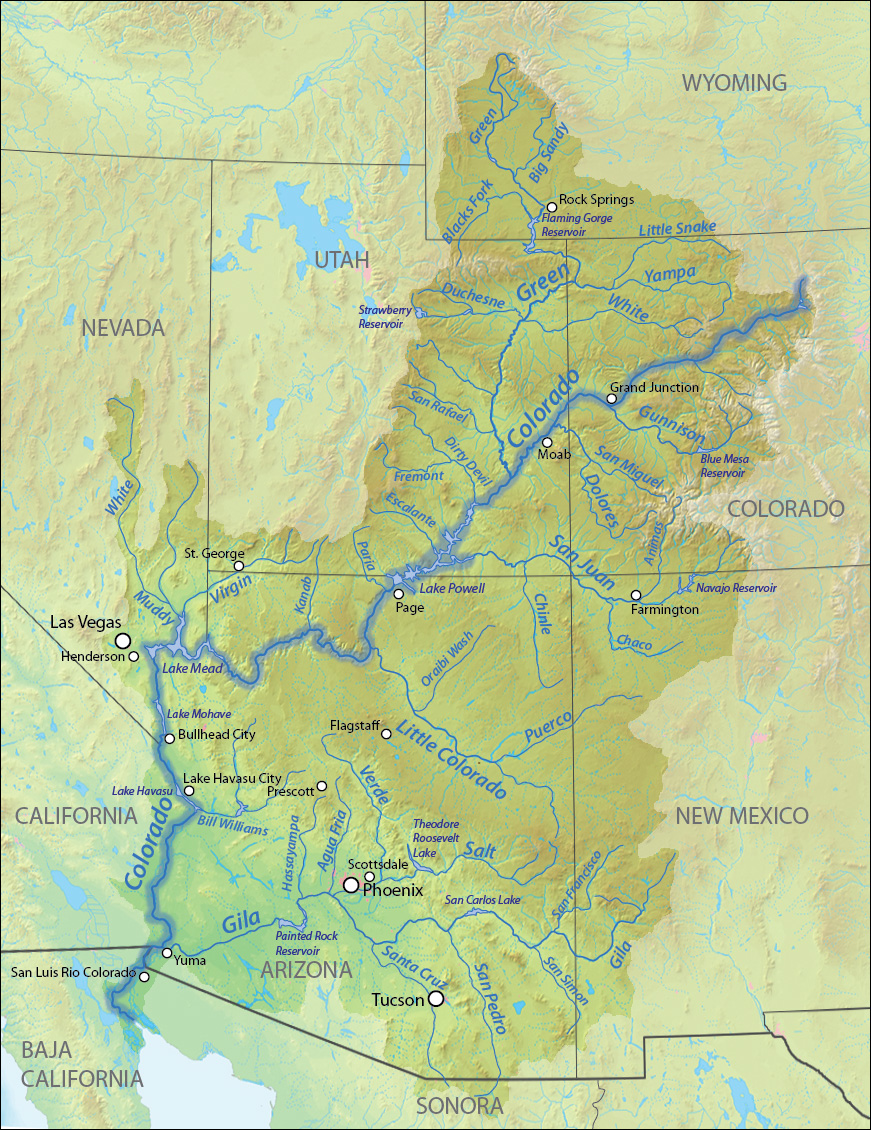
The area around La Poudre Pass is characterized by alpine meadows, scattered subalpine fir and Engelmann spruce trees, and an abundance of wildflowers in the summer months. It’s a place of quiet reverence, where one can truly appreciate the genesis of such a powerful force of nature. Visitors often take a moment to reflect on the immense journey the water begins here, knowing it will travel over 1,450 miles (2,330 km) through seven U.S. states and two Mexican states before reaching the Gulf of California.
The Continental Divide and the Colorado River’s Early Journey
A crucial geographical feature closely intertwined with the Colorado River’s origin is the Continental Divide. This hydrological boundary, which runs through Rocky Mountain National Park, dictates where water flows – either east towards the Atlantic Ocean or west towards the Pacific Ocean. La Poudre Pass sits precisely on this divide. While the Cache la Poudre River, which also originates nearby, flows eastward, the nascent Colorado River immediately begins its westward descent.
In its initial stages, the Colorado River is a delicate stream, winding through mountain meadows and gaining volume from countless snowmelt tributaries. It flows relatively gently through the Kawuneeche Valley on the park’s western side, meandering past moose-filled wetlands and alongside the scenic U.S. Highway 34. This early section, known as the “Grand Ditch,” is an intriguing historical and ecological point. It’s here that one can observe the river in its purest, most untouched form, before it gathers the power to carve the canyons it’s famous for. The clear, cold waters teem with trout, making it a popular spot for fly fishing.
This segment of the river, within the protective embrace of Rocky Mountain National Park, offers a unique glimpse into the ecological processes that sustain the entire basin. It highlights the delicate balance of a high-altitude ecosystem and the critical role that snowpack plays in feeding a river system relied upon by millions.
Planning Your Expedition to the Source: Travel and Tourism Insights
Embarking on a journey to the source of the Colorado River promises an unforgettable travel experience. To make the most of your adventure, careful planning is essential, focusing on the best times to visit, how to navigate the region, and what local activities and attractions await.
Getting There: Accessing Rocky Mountain National Park
The primary gateway to Rocky Mountain National Park is the charming town of Estes Park on the eastern side. For those flying in, Denver International Airport (DIA) is the closest major hub, approximately 1.5 to 2 hours drive away. Renting a car is highly recommended for flexibility in exploring the park and surrounding areas. From Denver, visitors can take US-36 directly to Estes Park. Another popular route involves a scenic drive from Boulder through Lyons.
The western side of the park is accessed via Grand Lake, a picturesque town nestled on the shores of Colorado’s largest natural lake. This approach is often quieter and offers a different perspective of the park. While the source of the Colorado River is on the western slope, many visitors choose to stay in Estes Park due to its larger variety of amenities and then drive Trail Ridge Road across the park.
Key Travel Tips:
- Timed Entry Permits: During peak season (late May to mid-October), Rocky Mountain National Park requires timed entry permits in addition to the standard entrance fee. Book these well in advance, as they sell out quickly.
- Best Time to Visit: Summer (June-August) offers warm weather, accessible trails, and vibrant wildflowers, but also the largest crowds. Fall (September-October) brings stunning aspen foliage and the elk rut, a spectacular wildlife viewing opportunity. Spring and winter offer unique, quieter experiences for those prepared for colder temperatures and potential road closures.
- High Altitude: Remember that both Estes Park and the park itself are at high altitudes. Drink plenty of water, pace yourself, and be aware of symptoms of altitude sickness.
What to See and Do: Beyond the Headwaters
While locating the Colorado River’s source is a highlight, Rocky Mountain National Park offers a wealth of other attractions and experiences.
- Scenic Drives: Trail Ridge Road is an engineering marvel and a national scenic byway, reaching elevations over 12,000 feet. It offers spectacular alpine vistas and numerous overlooks. Bear Lake Road on the eastern side provides access to some of the park’s most popular trailheads and lakes, including Sprague Lake and the entrance to Glacier Gorge.
- Hiking: Explore trails ranging from the easy, accessible paths around Sprague Lake to challenging backcountry treks. Popular options include the trail to Emerald Lake, Alberta Falls, and the strenuous ascent to Longs Peak (for experienced mountaineers).
- Wildlife Viewing: Moraine Park and Kawuneeche Valley are prime locations for spotting elk, especially during dawn and dusk. Moose are frequently seen along the Colorado River on the park’s west side.
- Photography: The dramatic landscapes, abundant wildlife, and vibrant seasonal changes offer endless opportunities for stunning photographs. Early morning and late afternoon light are particularly magical.
- Visitor Centers: Stop at the Beaver Meadows, Kawuneeche, or Alpine Visitor Centers for park information, maps, exhibits, and ranger programs. The Alpine Visitor Center, located at 11,796 feet, is the highest visitor center in the National Park System.
- Family Activities: Hidden Valley, formerly a ski area, now offers a gentle sledding hill in winter and an excellent picnic spot with easy access to the river in summer, ideal for family trips. Ranger-led programs are also available for children.
For those interested in local culture and food, Estes Park and Grand Lake offer a variety of dining experiences, from casual cafes to fine dining restaurants, many featuring locally sourced ingredients and craft Colorado beers.
Embracing the Mountain Lifestyle: Accommodation and Experiences
To fully immerse yourself in the beauty of the Colorado River’s birthplace, choosing the right accommodation is key. The region offers a diverse array of options, catering to every preference, from cozy cabins to luxurious resorts.
Where to Stay: Estes Park and Grand Lake
Estes Park: The Eastern Gateway
As the most popular base for exploring Rocky Mountain National Park, Estes Park boasts an extensive selection of hotels, motels, cabins, vacation rentals, and resorts.
- The Stanley Hotel: For a touch of history and luxury, The Stanley Hotel is an iconic choice. Famous for inspiring Stephen King’s “The Shining,” this historic hotel offers elegant suites, fine dining, and stunning views. It’s an excellent option for luxury travel or a special occasion.
- YMCA of the Rockies: Ideal for family trips and budget travel without sacrificing amenities, the YMCA of the Rockies offers a range of cabins and lodge rooms, along with numerous onsite activities like hiking, horseback riding, and mini-golf.
- Boutique Hotels and Lodges: Numerous charming independent hotels and lodges dot Estes Park, many offering rustic charm with modern amenities and proximity to the park entrance. Look for options with riverfront access or mountain views.
- Vacation Rentals: For longer stays or groups, apartments and villas are widely available, offering kitchens and more space, perfect for self-catering and a home-away-from-home experience.
Grand Lake: The Western Charm
On the western side of the park, Grand Lake provides a quieter, more laid-back atmosphere. It’s perfect for those seeking water-based activities or a starting point closer to the Colorado River headwaters.
- Lakeside Lodges and Cabins: Many accommodations in Grand Lake offer direct lake access or stunning lake views, ideal for fishing, boating, or simply relaxing by the water.
- Cozy Hotels and Motels: Smaller hotels and motels provide comfortable stays, often with a more personalized touch.
- Camping: Both sides of the park offer excellent camping opportunities, from developed campgrounds with facilities (reservations essential) to backcountry sites for experienced backpackers. This is the ultimate budget travel option and offers an unparalleled immersion in nature.
When booking your stay, consider reading reviews and doing a comparison of amenities to find the perfect fit for your needs.
Tailoring Your Trip: Luxury to Budget
The region surrounding the Colorado River’s source caters to a wide spectrum of travelers and lifestyles.
- Luxury Travel: Indulge in high-end resorts and boutique hotels that offer spa services, gourmet dining, and personalized concierge services. Many luxury villas in Estes Park or upscale cabins in Grand County provide an opulent base for exploring. Consider a scenic helicopter tour for a unique perspective of the Rockies.
- Budget Travel: Camping within the park or at nearby national forest campgrounds is an affordable way to stay close to nature. Numerous motels and smaller hotels in Estes Park and Grand Lake offer comfortable stays at reasonable prices. Pack picnics and snacks to save on dining costs.
- Family Trips: The park is incredibly family-friendly. Look for accommodations with kitchenettes or multiple rooms. Activities like easy hikes, wildlife spotting, and junior ranger programs are perfect for children. Grand Lake offers swimming, paddleboarding, and boat rentals.
- Business Stays: While primarily a recreational area, some hotels in Estes Park offer conference facilities and amenities suitable for corporate retreats or small business gatherings. The tranquil environment can be conducive to productive work sessions, followed by invigorating outdoor breaks. Areas like Winter Park and Fraser, slightly south of Grand Lake, also offer resorts like Grand Elk Golf Club with conference facilities, blending work with leisure.
- Long-term Stay Options: For those looking to spend more time, vacation rentals, apartments, and villas are available for weekly or monthly rentals, especially outside peak season, offering a chance to truly experience the local rhythms and discover hidden gems.
The key to a fulfilling visit is to match your travel style and expectations with the myriad of experiences and accommodation types available. Whether you seek adventure, relaxation, or a deep connection with nature, the source region of the Colorado River provides an unparalleled setting.
The Colorado River’s Enduring Legacy
Tracing the Colorado River back to its origin in Rocky Mountain National Park is more than just a geographic quest; it’s a profound journey into the heart of a natural wonder. From its humble beginnings as a melting snow-fed spring at La Poudre Pass, this river embodies the raw power and enduring beauty of the American West. The travel opportunities surrounding its source offer a rich tapestry of outdoor activities, cultural insights, and diverse accommodation options that cater to every kind of explorer.
Visiting this iconic landmark provides a unique perspective on the importance of conservation and the delicate balance of nature. It’s an experience that connects you directly to the lifeblood of an entire region, allowing you to witness firsthand the genesis of a river that shapes landscapes, sustains ecosystems, and supports millions of lives. So, pack your bags, prepare for breathtaking vistas, and embark on your own unforgettable expedition to “Where The Colorado River Starts.” The journey promises to be as inspiring as the destination itself.
LifeOutOfTheBox is a participant in the Amazon Services LLC Associates Program, an affiliate advertising program designed to provide a means for sites to earn advertising fees by advertising and linking to Amazon.com. Amazon, the Amazon logo, AmazonSupply, and the AmazonSupply logo are trademarks of Amazon.com, Inc. or its affiliates. As an Amazon Associate we earn affiliate commissions from qualifying purchases.