
The allure of Alaska is undeniable, a vast wilderness beckoning adventurers, nature enthusiasts, and those seeking unique cultural experiences. From the majestic peaks of the Chugach Mountains to the serene fjords of the Inside Passage, the 49th state offers a blend of raw beauty and vibrant community life unlike anywhere else on Earth. For anyone considering a visit, a seasonal job, or even a long-term stay, understanding the economic landscape—including the minimum wage—is crucial. This isn’t just a dry financial statistic; it’s a foundational element that shapes the cost of your travel, the quality of tourism services you’ll encounter, and the overall lifestyle for those who call this remarkable state home.

On a website dedicated to travel, hotels, tourism, and accommodation, the minimum wage might seem like an unexpected topic. However, it’s intrinsically linked to the experiences you’ll have and the expenses you’ll incur in Alaska. A higher minimum wage often translates to higher operational costs for businesses, which can, in turn, affect the prices of everything from a guided Denali National Park tour to a room at a boutique hotel in Anchorage. It also influences the economic well-being of the hospitality staff, the tour guides, and the small business owners who are the backbone of Alaska’s tourism industry. By delving into the specifics of Alaska’s minimum wage, we gain a clearer picture of the value proposition for both visitors and residents, helping you budget wisely and appreciate the unique economic dynamics of this grand frontier.
Understanding Alaska’s Minimum Wage Landscape
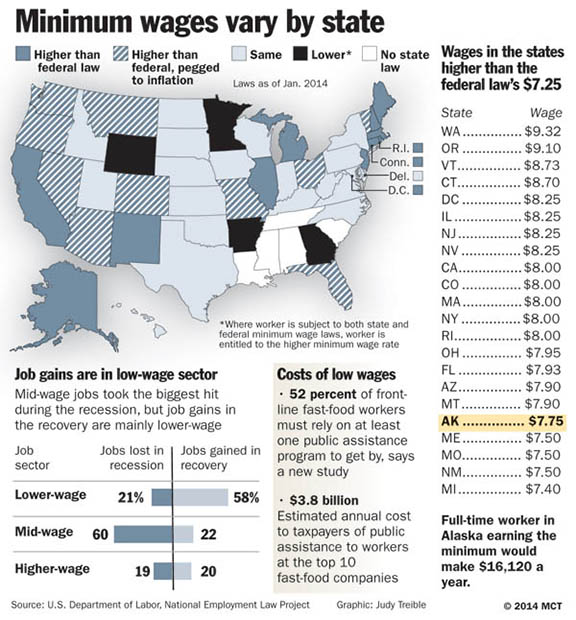
The cost of living in Alaska is notably higher than the national average, primarily due to transportation costs for goods and services, and a limited local production base. Recognizing this, Alaska has historically maintained a minimum wage rate higher than the federal standard. This isn’t merely a gesture; it’s a necessity to ensure that workers can afford the essentials in a state where everything from a gallon of milk to a tank of gas can come with a premium price tag.
The Current Rate and Its Evolution
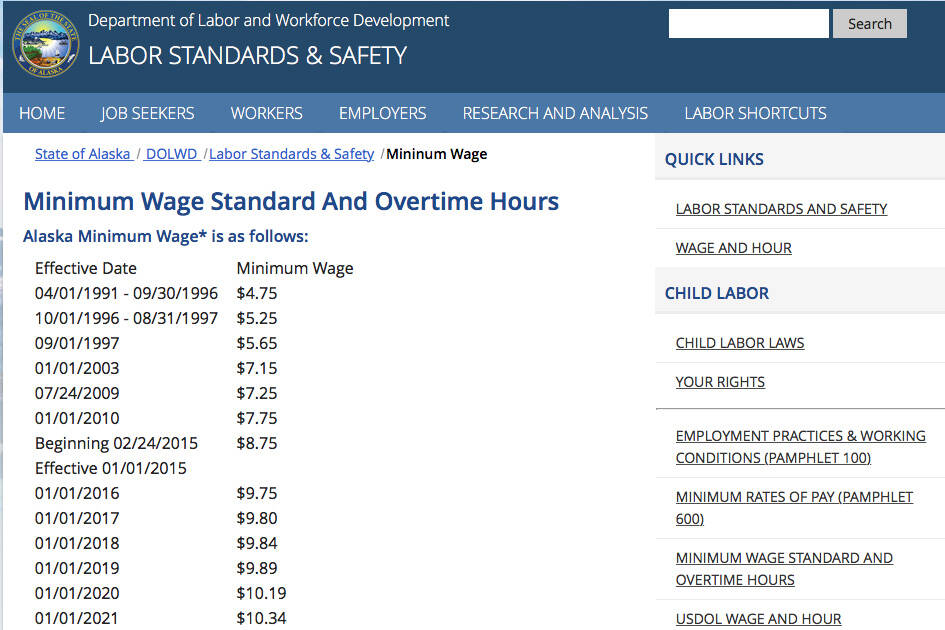
As of January 1, 2024, the minimum wage in Alaska is $11.73 per hour. This rate is a direct result of a ballot initiative passed in 2014, which not only increased the minimum wage but also established an annual adjustment mechanism. Unlike many states that require legislative action to raise the wage, Alaska’s minimum wage is indexed to inflation, specifically the Consumer Price Index for Anchorage urban consumers (CPI-U). This means that each year, the wage is automatically reviewed and adjusted based on the prior year’s inflation rate, ensuring that its purchasing power doesn’t erode over time. This automatic adjustment provides a degree of stability and predictability for both employees and businesses, allowing for better long-term financial planning.
The current rate stands significantly above the federal minimum wage of $7.25 per hour, reflecting Alaska’s unique economic environment. This progressive approach aims to provide a more livable wage for its residents, mitigating some of the financial pressures associated with the state’s elevated cost of living. For travelers and those considering seasonal work, understanding this higher baseline wage is key to grasping the broader economic context of Alaska.
Dispelling Myths: Who Does It Affect?
While the minimum wage directly impacts entry-level positions and low-wage workers, its effects ripple throughout the entire economy, particularly in sectors relevant to travel and tourism. The minimum wage applies to most employees in Alaska, with some standard exceptions. For instance, salaried executive, administrative, or professional employees, certain commissioned salespeople, and specific agricultural workers may be exempt. Unlike many states, Alaska does not have a separate, lower minimum wage for tipped employees. This means that a waitress in Juneau or a fishing guide in Ketchikan must be paid the full state minimum wage before tips, a significant protection for service industry workers that sets Alaska apart.
This comprehensive application of the minimum wage ensures a baseline income for a broad spectrum of workers, from those cleaning rooms in Fairbanks hotels to those serving coffee in Seward cafes. It contributes to a certain standard of living and can influence the overall quality of service, as employees are less reliant on tips alone to make ends meet. For visitors, this translates into potentially higher prices for services, but also a workforce that is generally more financially stable, potentially leading to better morale and service.
The Interplay of Minimum Wage and Alaska’s Tourism Economy
Alaska’s economy is heavily reliant on resource extraction (oil and gas, fishing, mining) and, increasingly, tourism. The minimum wage plays a critical role in shaping the operational landscape for businesses within the tourism sector, directly influencing costs, employment practices, and the overall visitor experience.
Impact on Hospitality and Travel Services
For businesses in the hospitality and travel sectors—such as hotels, restaurants, tour operators, and transportation services—the higher minimum wage in Alaska represents a significant component of their operating expenses. Labor costs are often the largest expenditure for service-based businesses, and an elevated minimum wage means that these businesses must either absorb these costs, innovate to improve efficiency, or pass them on to consumers through higher prices.
This can explain why the cost of a night in an Anchorage hotel, a guided fishing trip on the Kenai Peninsula, or a multi-day cruise through Glacier Bay National Park might seem higher than comparable experiences in other states. However, it also means that the employees delivering these services are earning a more substantial wage, which can foster a more stable workforce and potentially higher quality service. When planning your trip and considering accommodation and activity options, it’s helpful to remember that these prices reflect, in part, a commitment to a more livable wage for those who make your Alaskan adventure possible. This also feeds into the concept of sustainable tourism, where the local workforce benefits directly from the influx of visitors.
Seasonal Work and the Alaskan Dream
Each year, thousands of seasonal workers flock to Alaska during the summer months, drawn by the promise of adventure, stunning scenery, and often, the opportunity to earn a good income. These individuals fill vital roles in the tourism industry, working in everything from hotel housekeeping and restaurant service to guiding wilderness tours and crewing on fishing boats. The state’s relatively high minimum wage, coupled with the potential for overtime and tips, makes Alaska an attractive destination for those seeking to work hard, save money, and experience a unique lifestyle.
Many seasonal jobs in Alaska also come with bundled accommodation options, often dormitory-style housing provided by employers, which helps workers manage the high cost of living. For someone working at a lodge near Denali National Park or on an Alaska Marine Highway System ferry, the combination of a decent hourly wage and reduced living expenses can make it possible to save a significant portion of their earnings. This influx of seasonal labor is crucial for meeting the demands of Alaska’s peak tourist season, ensuring that visitors receive the services and experiences they expect, from detailed travel guides to comfortable hotel stays.
Budgeting for Your Alaskan Adventure: A Traveler’s Perspective
A trip to Alaska is often considered a bucket-list journey, and rightly so. Its remote nature and unique offerings mean that it’s generally a more expensive destination compared to many other parts of the United States. Understanding how the minimum wage influences costs can help travelers plan more effectively and set realistic expectations for their budget.
Cost of Living vs. Tourist Expenses
While the higher minimum wage contributes to a higher cost of living for residents, it also translates into higher operating costs for businesses, which are then reflected in tourist expenses. For visitors, this means anticipating higher prices for:
- Accommodation: Hotel rooms, lodges, and even vacation rentals across cities like Anchorage, Juneau, and Fairbanks tend to be more expensive. Labor costs for cleaning, front desk staff, and maintenance are directly impacted by the minimum wage.
- Dining: Restaurant meals, even casual ones, will likely carry a higher price tag. The cost of labor for kitchen staff and servers (who, remember, earn the full minimum wage) is a significant factor.
- Tourism Activities and Tours: Whether it’s a whale watching cruise out of Seward, a flightseeing tour over Denali, or a guided hike in Klondike Gold Rush National Historical Park, the expertise of guides and operators, coupled with their wages, will influence the price.
- Transportation: While not directly tied to minimum wage, the logistics of getting around Alaska—be it via rental car, the Alaska Railroad, or small bush planes to remote landmarks—can add up quickly. However, the service staff on these modes of travel are paid the Alaskan minimum wage, contributing to operational costs.
To manage these expenses, savvy travelers might consider visiting during the shoulder seasons (spring or fall) when demand is lower, booking accommodation and tours well in advance, or opting for a more budget-friendly lifestyle by utilizing campsites or self-catering accommodation options. Focusing on free natural landmarks and activities can also help mitigate costs.
Tipping Culture and Service Expectations
Because Alaska does not have a lower sub-minimum wage for tipped employees, service staff earn the full state minimum wage before receiving any tips. This fundamentally alters the tipping dynamic compared to many other states where servers might rely almost entirely on tips to reach a living wage. In Alaska, tips are seen more as a bonus or an expression of appreciation for exceptional service, rather than a necessary supplement to bring wages up to a livable standard.
However, tipping remains customary and highly appreciated, especially in the tourism and hospitality industries. Tour guides, fishing charters, hotel bellhops, and restaurant servers often go above and beyond to ensure visitors have an unforgettable experience. While they are paid a higher base wage, tips still represent a significant part of their income and are a way to acknowledge outstanding effort. General guidelines for tipping in Alaska are similar to the rest of the U.S. for good service (15-20% for restaurants, 10-20% for tour guides depending on the length and quality of the tour), but travelers can tip with the knowledge that they are contributing to an already more financially secure workforce. This allows for a more relaxed and genuinely appreciative approach to tipping, knowing that you’re rewarding excellence rather than simply making up for a low base wage.
Beyond the Paycheck: Lifestyle, Accommodation, and Sustainable Tourism in Alaska
The minimum wage, while a financial benchmark, also reflects broader societal values regarding labor, quality of life, and the sustainability of local economies. In Alaska, its impact extends into the very fabric of local lifestyle and the future of its vibrant tourism industry.
Navigating Accommodation Costs
For anyone considering a move to Alaska, even for an extended seasonal stay, understanding the local minimum wage is crucial when evaluating housing costs. Rental prices in major cities like Anchorage and Juneau can be significantly higher than the national average, especially for quality accommodation. The higher wages paid to construction workers, property managers, and maintenance staff contribute to the overall cost of housing, making the real estate market a distinct consideration.
For travelers, this translates into varied options for hotels and short-term rentals. From luxury resorts like Alyeska Resort offering world-class amenities to more modest motels in smaller towns, the pricing structure is influenced by labor costs. Budget travelers might explore options like hostels, campgrounds, or even house-sitting opportunities, especially in popular tourist hubs like Homer or Sitka. For those seeking longer-term stays or considering a working holiday, researching accommodation options that are bundled with employment or looking for shared living arrangements can be a smart strategy to manage costs and experience the Alaskan lifestyle more authentically.
Supporting Local Businesses and Ethical Travel
When you spend money in Alaska, particularly at local businesses that adhere to or exceed the state’s minimum wage laws, you are directly contributing to the economic well-being of the community. This aligns with principles of ethical and sustainable tourism, where visitors seek to minimize their negative impact and maximize their positive contributions to the places they visit.
Choosing to dine at local restaurants in Fairbanks, book a tour with a locally owned operator in the Arctic Circle region, or stay in an independently run lodge helps ensure that your travel dollars circulate within Alaska, supporting local families and bolstering the regional economy. The higher minimum wage ensures that these local employees can afford to live and work in their communities, preserving the unique character and spirit of Alaskan towns and cities. By making conscious choices about where to spend your money, travelers can reinforce a system that values fair labor practices and contributes to a robust and resilient local economy.
In conclusion, the minimum wage in Alaska is far more than just a number; it’s a critical component of the state’s economic identity and a factor that touches every aspect of the travel and tourism experience. From influencing the prices of hotels and tours to shaping the lifestyle of seasonal workers and year-round residents, it underpins the value proposition of visiting and living in this magnificent state. By understanding its role, visitors can not only budget more effectively but also gain a deeper appreciation for the economic realities and the dedicated workforce that makes Alaska an unforgettable destination.
LifeOutOfTheBox is a participant in the Amazon Services LLC Associates Program, an affiliate advertising program designed to provide a means for sites to earn advertising fees by advertising and linking to Amazon.com. Amazon, the Amazon logo, AmazonSupply, and the AmazonSupply logo are trademarks of Amazon.com, Inc. or its affiliates. As an Amazon Associate we earn affiliate commissions from qualifying purchases.