
For many, the word “winter” conjures images of snow-covered landscapes, cozy evenings by a fireplace, and perhaps a chill that bites deep into the bones. But when you ask, “When does winter start in Texas?” the answer is as diverse and expansive as the Lone Star State itself. Texas offers a unique interpretation of the colder months, a season that often defies conventional expectations and instead presents a milder, yet still distinctive, charm perfect for travelers seeking a different kind of winter escape.
From the sun-drenched shores of the Gulf Coast to the rugged peaks of West Texas, the onset and experience of winter vary dramatically. Understanding this regional tapestry is key to planning your ideal winter adventure, whether you’re chasing mild temperatures for outdoor exploration, indulging in urban cultural experiences, or simply enjoying the festive spirit without the extreme cold. This article delves into the intricacies of Texas winter, exploring its various beginnings, diverse regional climates, and the myriad of travel and lifestyle opportunities it presents for those looking to experience the state in a new light.
Understanding Texas’s Diverse Climate
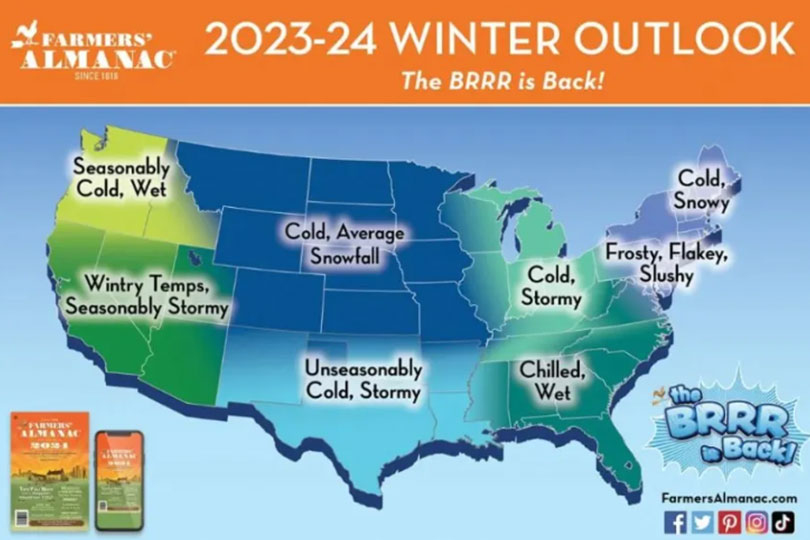
Texas’s sheer size means that “winter” isn’t a monolithic experience. Geographically spanning multiple climate zones, from humid subtropical in the east to semi-arid in the west, the state experiences a spectrum of conditions as the year draws to a close.
Climatological vs. Astronomical Winter: Pinpointing the Start
Officially, the astronomical start of winter in the Northern Hemisphere occurs with the winter solstice, typically around December 21st or 22nd. This marks the shortest day and longest night of the year, signaling the sun’s lowest arc across the sky. While this date holds true for Texas just like anywhere else, it often doesn’t align with the feeling of winter.
Meteorological winter, on the other hand, is defined by meteorologists as encompassing the three coldest months of the year: December, January, and February. This period is based on the annual temperature cycle and is often a more practical way to categorize seasons for climatological record-keeping and forecasting. In many parts of Texas, particularly the northern and western regions, these months certainly bring the chilliest weather.
However, the “felt” start of winter in Texas can be even more nuanced. Many Texans will tell you that true winter doesn’t really set in until late December or even January, after a series of “cold fronts” have finally pushed through the lingering warmth of autumn. Sometimes, crisp, cool air can arrive as early as late October or November, only to be followed by another warm spell, a phenomenon affectionately known as “second summer.” This variability means that while official calendars point to a specific date, the experience of winter’s arrival is far more fluid and region-dependent.
Regional Variations: North, Central, and South Texas
The vastness of Texas dictates stark contrasts in winter conditions:
- North Texas (e.g., Dallas, Fort Worth): Winter here is the most traditional, with temperatures frequently dropping below freezing. While heavy snowfall is rare, ice storms can occur, leading to travel disruptions. Daytime temperatures typically range from the 40s to 50s Fahrenheit (4-15°C), with nights often in the 20s and 30s (-6 to 4°C). The sense of winter arriving usually solidifies by mid-December.
- Central Texas (e.g., Austin, San Antonio): This region enjoys a milder winter. While cold fronts can bring temperatures down to freezing, especially at night, sunny days often see temperatures rise into the 50s and 60s Fahrenheit (10-20°C). Snow is an infrequent and often fleeting event. The transition to consistent cool weather tends to be later, often feeling like winter has truly arrived only in January.
- South Texas (e.g., Houston, Corpus Christi, Rio Grande Valley): Here, winter is exceptionally mild, feeling more like an extended autumn for many visitors from colder climates. Daytime temperatures regularly reach the 60s and 70s Fahrenheit (15-25°C), and freezing temperatures are rare, especially closer to the coast and in the Rio Grande Valley. South Texas experiences its coolest weather in January and February, but it remains a popular winter escape destination for those seeking warmth.
Embracing Winter Travel in the Lone Star State
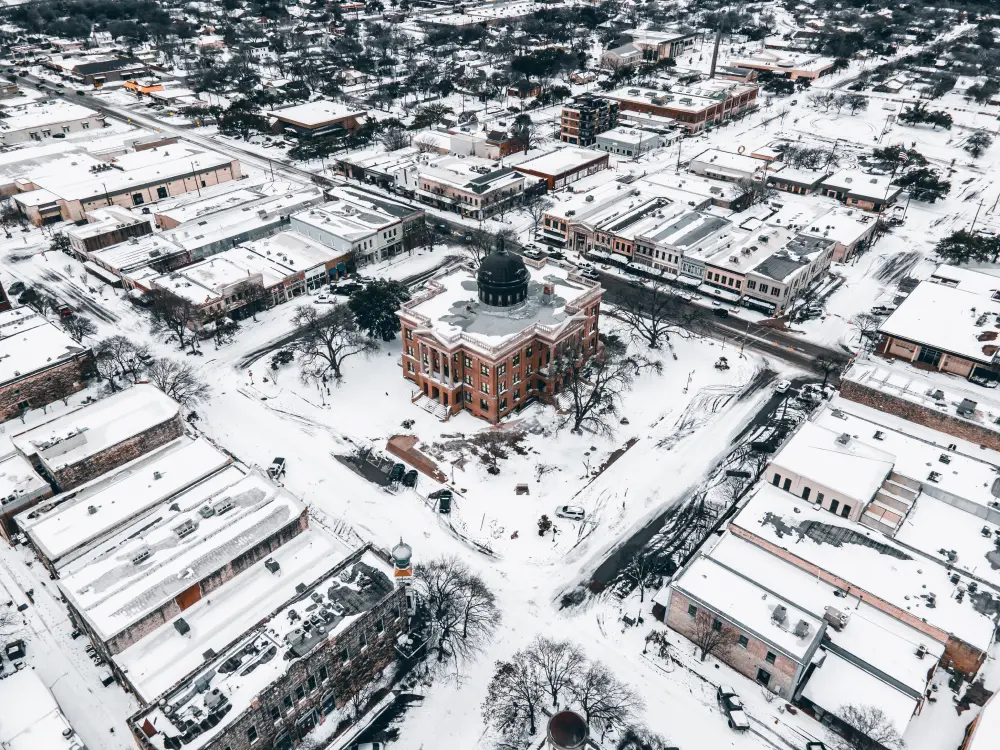
Despite the cooler temperatures, or perhaps because of them, winter in Texas opens up a wealth of travel opportunities. From uncrowded national parks to vibrant city life, the state offers a unique blend of experiences when the mercury drops.
Outdoor Adventures and Scenic Beauty
For outdoor enthusiasts, winter can be an ideal time to explore Texas’s natural wonders without the sweltering heat of summer.
- Big Bend National Park: Located in West Texas, this majestic park is stunning in winter. While mornings can be frosty, daytime temperatures are often perfect for hiking the diverse trails, exploring the Chisos Mountains, or stargazing under some of the darkest skies in North America. The moderate weather makes demanding trails like the South Rim or the Lost Mine Trail far more enjoyable.
- Guadalupe Mountains National Park: Home to Texas’s highest peak, Guadalupe Peak, this park offers challenging hikes and breathtaking desert scenery. Winter provides clear skies and cooler temperatures, perfect for tackling the ascent to the peak or exploring McKittrick Canyon, often hailed as one of the most beautiful spots in Texas.
- Palo Duro Canyon State Park: Known as the “Grand Canyon of Texas,” this massive canyon near Amarillo is spectacular in winter. The cooler air enhances the vibrant hues of the canyon walls, and the trails are less crowded, offering a more serene hiking experience.
- Birdwatching in the Rio Grande Valley and along the Gulf Coast: South Texas becomes a crucial wintering ground for millions of migratory birds. Destinations like the Santa Ana National Wildlife Refuge and Padre Island National Seashore offer unparalleled birdwatching opportunities, drawing enthusiasts from around the globe. The mild weather makes exploring these natural havens incredibly pleasant.
Urban Escapes and Cultural Delights
Texas’s major cities truly shine in winter, offering a vibrant array of cultural, culinary, and entertainment options.
- Houston: The mild winter is perfect for exploring the Houston Museum District, home to institutions like the Museum of Fine Arts, Houston and the Houston Museum of Natural Science. The city’s thriving culinary scene offers warm comfort food alongside its famous international cuisine. Late winter also sees the start of events like the Houston Livestock Show and Rodeo, a truly iconic Texas experience.
- San Antonio: A winter visit to San Antonio is magical. The San Antonio Riverwalk is beautifully decorated with holiday lights through much of December and January, offering romantic evening strolls and boat rides. The cooler weather is ideal for visiting the historic Alamo and the city’s UNESCO World Heritage Missions, or exploring the vibrant Pearl District without the summer crowds.
- Austin: The state capital offers a lively winter calendar, from live music at iconic venues along Sixth Street to innovative culinary experiences. The Trail of Lights at Zilker Park is a festive highlight, and the cooler weather is perfect for exploring Austin’s numerous parks and green spaces.
- Dallas & Fort Worth: These sister cities offer a rich blend of arts, history, and modern entertainment. Winter is an excellent time to visit the Dallas Arts District, the Sixth Floor Museum at Dealey Plaza, or the Fort Worth Stockyards National Historic District to witness daily cattle drives and enjoy authentic Western culture, often accompanied by holiday festivities.
Accommodation and Lifestyle: Making the Most of Your Texas Winter Stay
A winter trip to Texas isn’t just about what you see; it’s also about where you stay and how you immerse yourself in the local lifestyle. The state boasts an impressive array of accommodations and unique experiences tailored to different travel styles and budgets.
Finding Your Perfect Winter Retreat
Texas offers a diverse range of accommodations, from luxurious urban hotels to cozy countryside escapes, ensuring every traveler finds their ideal winter base.
- Luxury Hotels and Resorts: Cities like Austin, Dallas, and Houston are home to world-class hotels. Imagine a winter stay at the Four Seasons Austin, enjoying views of Lady Bird Lake or the historic charm of The Driskill Hotel. In Dallas, properties like The Ritz-Carlton, Dallas offer opulent amenities, including spas perfect for warming up after a brisk day. Many resorts, particularly in South Texas like those around San Antonio (Hyatt Regency Hill Country Resort and Spa) or along the Gulf Coast, maintain heated pools and offer winter golf packages, making them attractive for those escaping colder climates.
- Boutique Hotels and Bed & Breakfasts: For a more intimate experience, Texas is rich with charming boutique hotels and bed & breakfasts, particularly in smaller towns and wine regions like the Texas Hill Country. These offer personalized service, often with cozy fireplaces and local gourmet breakfasts, providing a warm and inviting atmosphere during cooler months.
- Vacation Rentals and Villas: For families or longer stays, renting a stylish apartment in Austin, a historic home in Galveston, or a spacious villa in the Texas Hill Country can provide both comfort and privacy. This option allows visitors to experience local living and often comes with full kitchens, ideal for preparing meals with local produce.
- Ranch Stays and Glamping: Embrace the authentic Texas lifestyle with a ranch stay, where you can participate in cowboy activities or simply enjoy the tranquility of the open land. Many glamping sites remain open in winter, offering heated tents or cabins for a unique outdoor experience with amenities.
Festive Fun and Local Flavors
Winter in Texas is synonymous with festive celebrations, delicious comfort food, and unique local traditions.
- Holiday Lights and Festivals: Throughout December, towns and cities across the state sparkle with elaborate light displays. The Houston Zoo Lights, Wonderland of Lights in Marshall, and the afore-mentioned Trail of Lights in Austin are just a few examples. Many communities host charming Christmas markets, parades, and holiday events that showcase local craftsmanship and culinary delights.
- Culinary Comforts: Winter is the perfect season to indulge in hearty Texas cuisine. Think warming bowls of chili, slow-cooked Texas BBQ, and rich Tex-Mex dishes that are always a crowd-pleaser. Many restaurants offer seasonal menus featuring locally sourced ingredients. The mild weather in South Texas makes dining al fresco a possibility even in winter, especially during the day.
- Arts and Entertainment: The cooler months are prime time for performing arts. Dallas and Houston boast world-class opera, ballet, and symphony orchestras, while smaller theaters across the state offer a variety of plays and musicals. Live music venues, particularly in Austin, continue to thrive, providing cozy indoor spaces to enjoy local talent.
Planning Your Texas Winter Getaway
Successfully navigating a Texas winter trip requires a bit of foresight, given the state’s climatic diversity. Here are some essential tips to ensure a comfortable and enjoyable experience.

Packing Essentials and Travel Tips
- Layering is Key: Due to the potential for significant temperature swings, especially between day and night, packing layers is crucial. Include light sweaters, long-sleeved shirts, a medium-weight jacket, and a waterproof outer layer. Don’t forget a hat and gloves if you plan on visiting North Texas or engaging in outdoor activities in the mountains.
- Check Regional Forecasts: Before and during your trip, regularly check weather forecasts for the specific regions you plan to visit. A forecast for Dallas will be vastly different from one for Brownsville.
- Book Accommodations in Advance: While not peak season everywhere, popular destinations and resort areas, especially in South Texas which attracts “snowbirds,” can still see high demand during winter months. Booking your hotels, resorts, or vacation rentals ahead of time is always a wise move.
- Consider Road Conditions (North Texas): If traveling through North Texas during January or February, be aware of the small but real possibility of ice storms. Monitor road conditions through official state transportation websites before embarking on long drives.
- Embrace Flexibility: Texas weather can be unpredictable. Being flexible with your plans and having alternative indoor activities in mind can save the day if an unexpected cold front or warm spell rolls through.
In conclusion, “When does winter start in Texas?” is a question with a multifaceted answer, stretching from the official astronomical date to the varied meteorological and experiential realities across its vast landscapes. From the crisper air of North Texas to the perpetually mild warmth of the Rio Grande Valley, the state offers a unique and appealing winter travel destination. With its diverse attractions, rich cultural tapestry, and wide range of accommodations, a winter visit to Texas promises a memorable escape, offering warmth, adventure, and genuine Southern hospitality without the extreme cold found elsewhere. So pack your layers, plan your route, and prepare to discover the unparalleled charm of a Texas winter.
LifeOutOfTheBox is a participant in the Amazon Services LLC Associates Program, an affiliate advertising program designed to provide a means for sites to earn advertising fees by advertising and linking to Amazon.com. Amazon, the Amazon logo, AmazonSupply, and the AmazonSupply logo are trademarks of Amazon.com, Inc. or its affiliates. As an Amazon Associate we earn affiliate commissions from qualifying purchases.