
Nestled in the far reaches of North America, Alaska stands as a testament to untamed wilderness, breathtaking landscapes, and a spirit of rugged independence. Often dubbed “The Last Frontier,” this vast and majestic state beckons adventurers with its towering glaciers, expansive national parks, diverse wildlife, and a vibrant tapestry of flora. For travelers planning an immersive journey into Alaska’s natural wonders, understanding its unique natural symbols can deepen the experience. Among these, the state flower holds a special significance, telling a story of resilience, remembrance, and the delicate beauty that thrives in challenging environments. So, for those curious about the emblematic bloom that represents this magnificent land, the answer is as captivating as Alaska itself: the Forget-Me-Not.
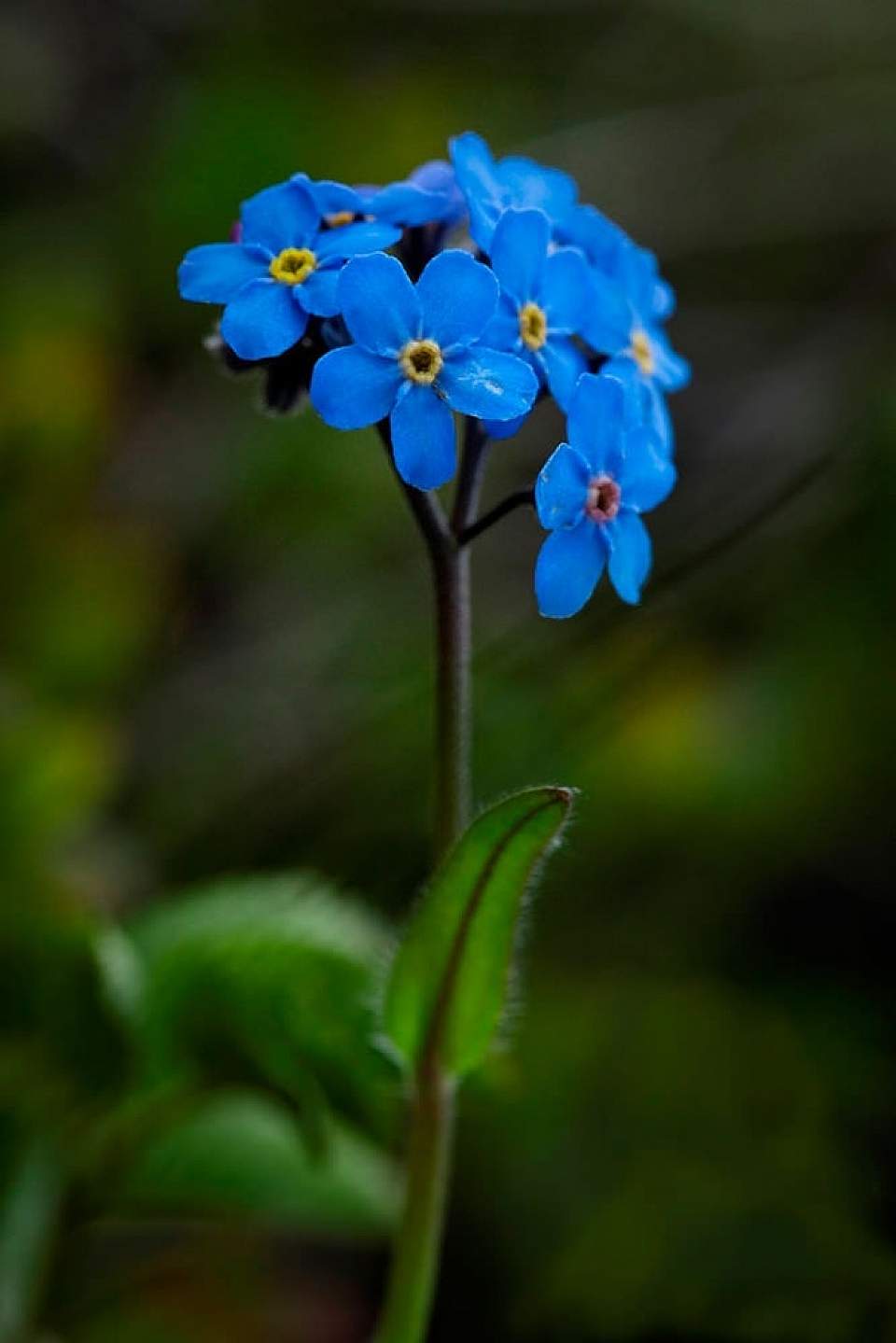
The Resilient Bloom: Alaska’s State Flower Revealed
The choice of the Forget-Me-Not as Alaska’s state flower is not merely aesthetic; it’s steeped in history, symbolism, and a profound connection to the Alaskan spirit. This diminutive yet striking flower embodies many of the qualities often associated with the state and its inhabitants.
Unveiling the Forget-Me-Not
The Alaskan Forget-Me-Not, scientifically known as Myosotis alpestris, is a member of the Borage family (Boraginaceae). It’s characterized by its small, five-petaled, sky-blue blossoms, often with a white or yellow “eye” in the center. These delicate flowers grow in clusters, typically reaching heights of 5 to 12 inches, and are found in alpine meadows, open woodlands, and along stream banks throughout much of Alaska. Despite their fragile appearance, Forget-Me-Nots are incredibly hardy, able to thrive in the state’s often harsh and short growing season, bursting forth with vibrant color as soon as the snow retreats.
The symbolism of the Forget-Me-Not is universally recognized for remembrance and enduring love. For Alaska, this takes on a multifaceted meaning. It represents the memory of those who have pioneered the state, the enduring love for its wild landscapes, and the unforgettable experiences it offers to visitors. The flower’s gentle beauty serves as a poignant reminder of the precious, often fleeting moments of summer in the subarctic, and the profound impact Alaska leaves on the hearts of all who encounter it. Its common name itself, “Forget-Me-Not,” is a tender plea to never forget the stunning beauty and wild charm of this unique corner of the United States.
A History Rooted in Alaskan Pride
The story of how the Forget-Me-Not became Alaska’s state flower dates back to 1917, well before Alaska achieved statehood in 1959. At that time, Alaska was a territory with a growing population and a burgeoning sense of identity. The Territorial Legislature officially adopted the Forget-Me-Not as its emblem on April 28, 1917. The choice was deeply meaningful. Many believe it was chosen to honor the pioneers, prospectors, and soldiers who had bravely ventured into the rugged frontier, a testament to their perseverance and sacrifices. It was also a subtle nod to the veterans of World War I, embodying a sentiment of remembrance for those lost in conflict.
Over the decades, as Alaska transitioned from a territory to a full-fledged state, the Forget-Me-Not retained its revered status. When the state flag was designed in 1927 by then-13-year-old Benny Benson, the blue background was explicitly chosen to represent the Alaskan sky and the Forget-Me-Not flower, further cementing its place in the state’s iconography. This historical connection intertwines the flower with the very fabric of Alaskan identity, making it more than just a beautiful bloom but a living symbol of its heritage and the enduring spirit of its people.
Where to Witness Alaska’s Blue Carpet of Flowers
For travelers eager to immerse themselves in Alaska’s natural splendor, seeing the Forget-Me-Nots in their natural habitat is a truly magical experience. These charming blue flowers can be found across various regions, often transforming vast landscapes into a delicate carpet of sapphire.
Prime Locations for Wildflower Spotting
The diversity of Alaska’s terrain means that Forget-Me-Nots, alongside a multitude of other wildflowers, can be found in many breathtaking locations. Some of the most iconic and accessible spots include:
- Denali National Park and Preserve: This crown jewel of Alaska’s park system is arguably one of the best places to witness wildflowers in abundance. Along the Denali Park Road and various hiking trails like the Savage River Loop, visitors will find Forget-Me-Nots flourishing in alpine tundra and subalpine meadows, often with the majestic Mount Denali as a dramatic backdrop. The sheer scale of the park offers countless opportunities for wildflower photography and tranquil contemplation.
- Chugach State Park: Located just outside Anchorage, Alaska’s largest city, Chugach State Park provides easily accessible opportunities to see Forget-Me-Nots. Trails like the Powerline Pass or those within the Flattop Mountain area offer stunning views of these blue blooms amidst rugged mountain scenery and panoramic city vistas.
- Kenai Fjords National Park: While primarily known for its tidewater glaciers and marine wildlife, the terrestrial areas of Kenai Fjords National Park, particularly around the Exit Glacier area near Seward, offer delightful patches of wildflowers, including the Forget-Me-Not, alongside lush boreal forests.
- Juneau and Fairbanks Areas: The capital city of Juneau, surrounded by the Tongass National Forest, features various trails where these flowers can be observed. Similarly, around Fairbanks in the interior, you’ll find them blooming in clearings and along hiking paths.
- Coastal Trails and River Valleys: Throughout Alaska, from the coastal trails of the Inside Passage to the vast river valleys, the Forget-Me-Not finds suitable habitats. Keep an eye out in any open, sunny areas, especially where the soil is well-drained.
Regardless of where you choose to explore, remember to tread lightly, stay on marked trails, and never pick wildflowers, allowing their beauty to be enjoyed by all and to persist for future generations.
The Best Time to Visit for Wildflowers
Timing is everything when it comes to experiencing Alaska’s wildflower season. The state’s short but intense summer is when the landscape truly comes alive with color.
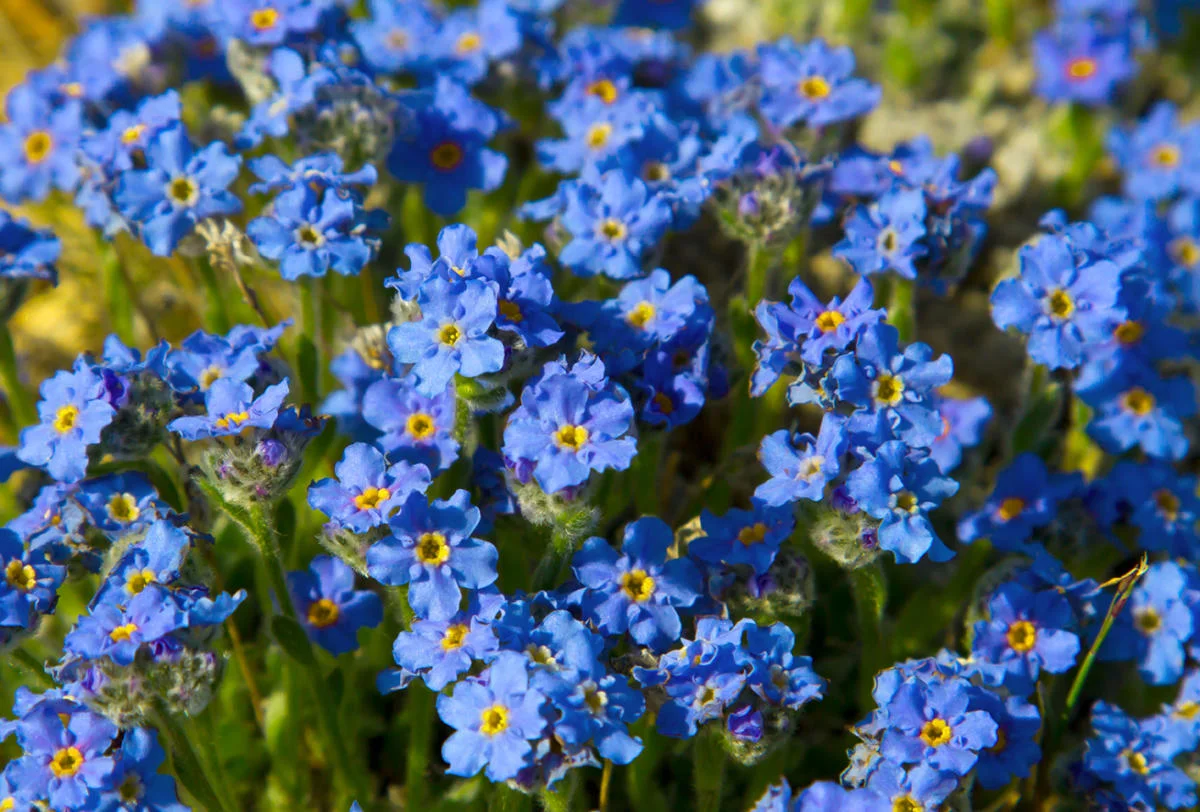
The peak bloom for Forget-Me-Nots and many other Alaskan wildflowers generally occurs from late June through July.
- Early June: In some southern coastal areas and lower elevations, wildflowers may begin to emerge. However, many areas will still be shaking off the last vestiges of winter snow.
- Mid-June to Mid-July: This is typically the sweet spot. During these weeks, the long daylight hours fuel an explosion of growth, and the Forget-Me-Nots will be at their most vibrant, often alongside other iconic Alaskan blooms like fireweed, lupine, and arctic poppies. This period also coincides with some of the best weather for hiking and exploring.
- Late July to August: While many wildflowers will still be present, some may begin to fade, and others, like fireweed, will start to go to seed, painting the landscape with hues of magenta and eventually reddish-purple. By late August, the first signs of autumn foliage begin to appear, transitioning the focus from wildflowers to fall colors.
It’s always a good idea to check local conditions and specific park reports closer to your travel dates, as bloom times can vary slightly year to year depending on snowmelt and spring temperatures. Planning your trip during this window not only maximizes your chances of seeing the state flower but also provides an optimal experience for all outdoor activities Alaska has to offer.
Beyond the Bloom: Exploring the Alaskan Wilderness
While the Forget-Me-Not offers a charming focal point for nature lovers, Alaska is a realm of infinite wonders. The state’s natural beauty extends far beyond its state flower, encompassing an incredible array of flora, fauna, and some of the most dramatic landscapes on Earth.
A Kaleidoscope of Alaskan Flora
The Forget-Me-Not is just one small, exquisite piece of Alaska’s rich botanical tapestry. During the brief but intense summer, the Alaskan wilderness transforms into a vibrant garden.
- Fireweed (Chamerion angustifolium): Perhaps the most iconic Alaskan wildflower after the Forget-Me-Not, fireweed paints hillsides and clearings with brilliant magenta. Its blooming progression, from bottom to top, is often said to indicate the end of summer.
- Lupine (Lupinus arcticus): Tall spires of purple and blue lupine are a common sight, often growing in vast patches, adding a majestic texture to the landscape.
- Arctic Poppy (Papaver radicatum): These delicate, often yellow or white, cup-shaped flowers bravely emerge in the high arctic tundra, symbolizing resilience in extreme conditions.
- Tundra Rose (Potentilla fruticosa): A hardy shrub with bright yellow flowers, often found in rocky, open areas.
- Crowberry and Lingonberry: While not flashy, these ground-hugging plants produce edible berries, a vital food source for wildlife and locals alike, and add subtle hues to the undergrowth.
- Trees: Alaska’s forests are dominated by hardy species like Sitka spruce, white spruce, black spruce, and various types of birch and aspen, which provide shelter for wildlife and contribute to the state’s rugged beauty.
Exploring these diverse plant communities offers a deeper appreciation for the adaptive power of life in the subarctic and arctic environments. Whether you’re a seasoned botanist or simply an admirer of natural beauty, Alaska’s flora provides a constant source of fascination.
Iconic Landmarks and Natural Wonders
Alaska’s appeal as a travel destination extends far beyond its floral displays. The state is home to an unparalleled collection of natural landmarks and wonders that draw millions of visitors annually.
- Mount Denali: Standing at 20,310 feet, it is the highest peak in North America and a truly awe-inspiring sight, dominating the landscape of Denali National Park and Preserve. Its sheer scale and the surrounding wilderness offer incredible opportunities for mountaineering, hiking, and wildlife viewing.
- Glacier Bay National Park: A UNESCO World Heritage Site, Glacier Bay is a marine wilderness teeming with active tidewater glaciers, pristine fjords, and abundant wildlife, including whales, seals, and bears. Cruising through its icy waters is an unforgettable experience.
- The Inside Passage: This sheltered waterway through southeastern Alaska is famous for its stunning scenery, lush rainforests, charming coastal towns like Sitka and Skagway, and incredible opportunities for whale watching and sea kayaking. Many visitors experience this region via cruise ships.
- Kenai Peninsula: Known as “Seward’s Folly” for its purchase, the Kenai Peninsula is anything but, offering a microcosm of Alaska’s diverse landscapes, from the glaciers of Kenai Fjords National Park to the world-class fishing rivers and scenic highways.
- Wildlife Viewing: Alaska is a prime destination for observing wildlife in its natural habitat. Visitors can spot grizzly and black bears, moose, caribou, Dall sheep, bald eagles, and marine mammals like humpback whales, orcas, and sea otters. Guided wildlife tours are widely available and highly recommended.
Whether you are seeking adrenaline-pumping adventures, serene nature walks, or cultural insights into local communities, Alaska’s vast and varied offerings cater to every type of traveler.
Planning Your Alaskan Adventure: Travel and Accommodation
Embarking on an Alaskan journey requires careful planning, given the state’s vastness and unique travel conditions. To fully enjoy the spectacle of Forget-Me-Nots and all other wonders, thoughtful consideration of logistics is key.
Essential Travel Tips for Alaska
- Transportation: Alaska is enormous, and getting around can be an adventure in itself.
- Cruises: A popular way to see the Inside Passage and coastal areas, offering comfortable travel and access to remote towns and glaciers.
- Car Rentals: Essential for exploring the interior, especially regions around Anchorage, Fairbanks, and the Kenai Peninsula. Be prepared for long drives on sometimes gravel roads.
- Alaska Railroad: Offers scenic routes between major cities like Anchorage, Denali, and Fairbanks, providing breathtaking views not accessible by road.
- Bush Planes: For truly remote wilderness experiences, small aircraft are often the only way to reach lodges, fishing camps, or specific hiking destinations.
- Packing Essentials: Layers are crucial for Alaska’s unpredictable weather.
- Waterproof and windproof outer layers (jacket and pants).
- Warm fleece or wool mid-layers.
- Quick-drying base layers.
- Sturdy, waterproof hiking boots.
- Hat, gloves, and sunglasses.
- Insect repellent (especially for mosquito season in summer).
- Bear spray (know how to use it safely and legally, or consider a guided tour where it’s provided).
- Binoculars for wildlife viewing.
- Camera with extra batteries to capture the stunning landscapes.
- Guided Tours vs. Independent Travel: Both have their merits. Guided tours can simplify logistics, provide expert knowledge, and offer access to otherwise restricted areas. Independent travel allows for greater flexibility and a more personalized experience, though it requires more planning. Many travelers opt for a combination of both.
- Local Culture: Engage with Alaska’s rich Indigenous cultures by visiting cultural centers, attending local festivals, and supporting Indigenous artists and businesses.
Finding Your Perfect Alaskan Stay
Accommodation in Alaska ranges from rustic cabins to luxurious resorts, catering to various budgets and travel styles.
- Hotels in Major Cities: In Anchorage, Juneau, and Fairbanks, you’ll find a selection of chain hotels (e.g., Hilton Anchorage, Westmark Fairbanks Hotel) and charming boutique hotels offering comfortable bases for city exploration and day trips.
- Wilderness Lodges and Cabins: For an immersive experience, consider staying at a remote wilderness lodge. These often include meals and guided activities, offering a true ” disconnecting from it all” vibe. Options range from luxurious fly-in lodges to more rustic, self-catering cabins.
- Resorts: Some areas, like the Kenai Peninsula or near popular attractions, feature resorts that offer a wider range of amenities, including spas, fine dining, and organized excursions.
- Bed and Breakfasts: For a more personal touch and local insights, B&Bs are a wonderful choice, often found in smaller towns.
- Campgrounds: Alaska offers numerous state and national park campgrounds for those who prefer tent camping or RV travel, providing an economical and close-to-nature option.
Given Alaska’s popularity, especially during the peak summer wildflower season, it is highly recommended to book your accommodation well in advance, sometimes even 6-12 months ahead for popular lodges or peak dates. Checking reviews and comparing options on specialized travel websites can help you find the perfect stay that aligns with your desired lifestyle and budget. Whether you’re seeking luxury travel or a budget-friendly adventure, Alaska has an option waiting to complete your unforgettable journey.
In conclusion, the Forget-Me-Not is more than just a pretty flower; it’s a living emblem of Alaska’s enduring spirit, its raw beauty, and the memories it creates. To witness its delicate blue petals against the backdrop of towering peaks and vast wilderness is to truly connect with the heart of “The Last Frontier.” Plan your trip during the vibrant summer months, pack smart, and prepare for an adventure that will leave you with a lifetime of unforgettable memories, just like the resilient little flower that symbolizes this magnificent state.
LifeOutOfTheBox is a participant in the Amazon Services LLC Associates Program, an affiliate advertising program designed to provide a means for sites to earn advertising fees by advertising and linking to Amazon.com. Amazon, the Amazon logo, AmazonSupply, and the AmazonSupply logo are trademarks of Amazon.com, Inc. or its affiliates. As an Amazon Associate we earn affiliate commissions from qualifying purchases.