
Florida, often called the Sunshine State, beckons millions of travelers each year with its pristine beaches, vibrant cities, world-class theme parks, and lush natural landscapes. From the historic charm of St. Augustine to the pulsating nightlife of Miami, the magical experiences of Orlando, and the laid-back vibe of the Florida Keys, there’s an endless array of attractions to discover. However, planning a trip to this popular USA destination requires an understanding of one significant seasonal factor: hurricane season. For those considering a journey to Florida, knowing when hurricane season occurs, what it entails, and how to prepare can make all the difference between a smooth, unforgettable vacation and an unexpectedly challenging one. This comprehensive guide aims to equip travelers with all the necessary information to navigate Florida’s hurricane season confidently.
Understanding Florida’s Hurricane Season: Dates, Peaks, and Definitions
The prospect of a hurricane might sound daunting, but with proper knowledge and preparation, it doesn’t have to deter your travel plans. Florida’s hurricane season is a predictable annual cycle, and understanding its specifics is the first step toward smart travel.
Official Dates and Peak Activity
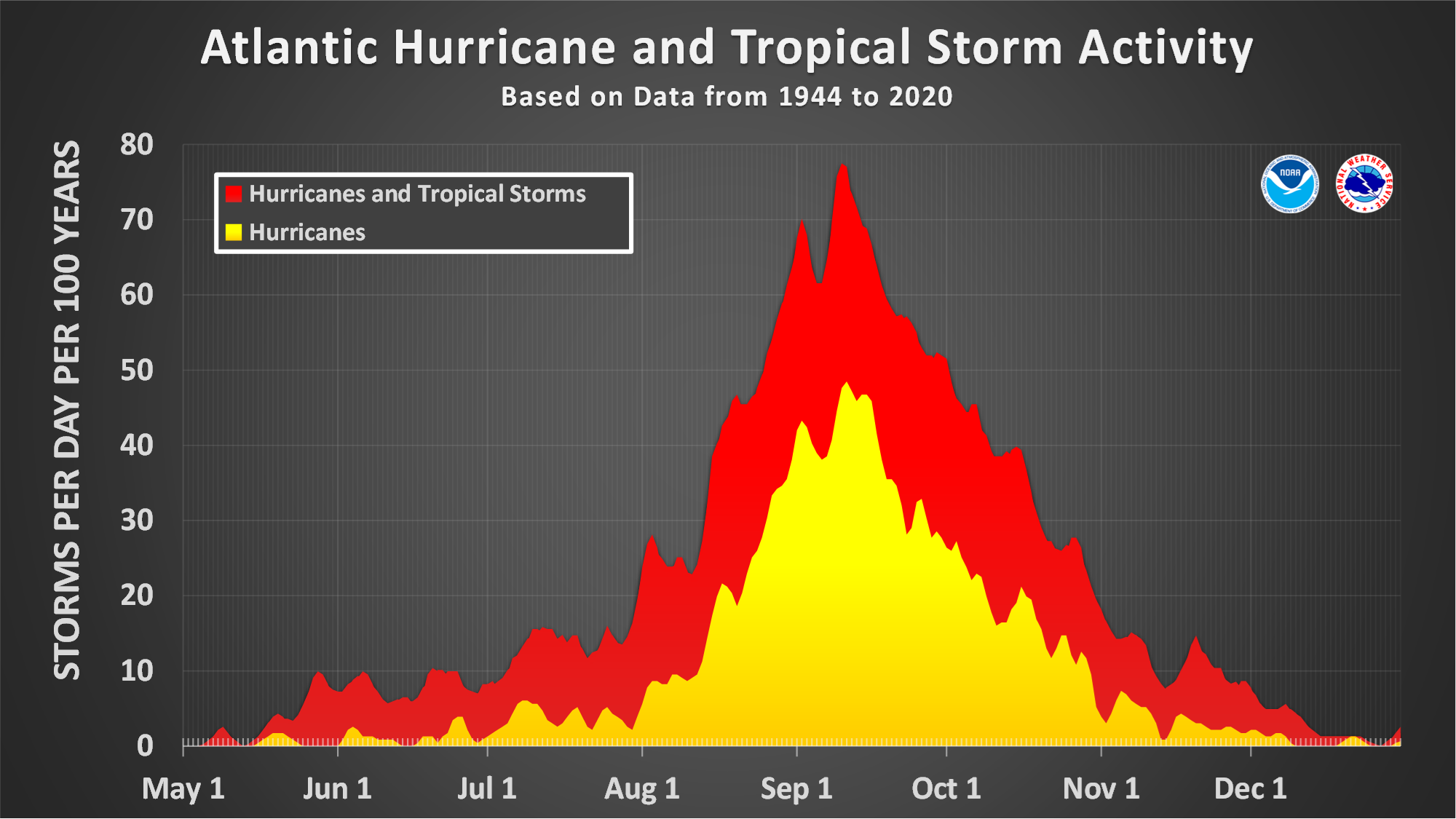
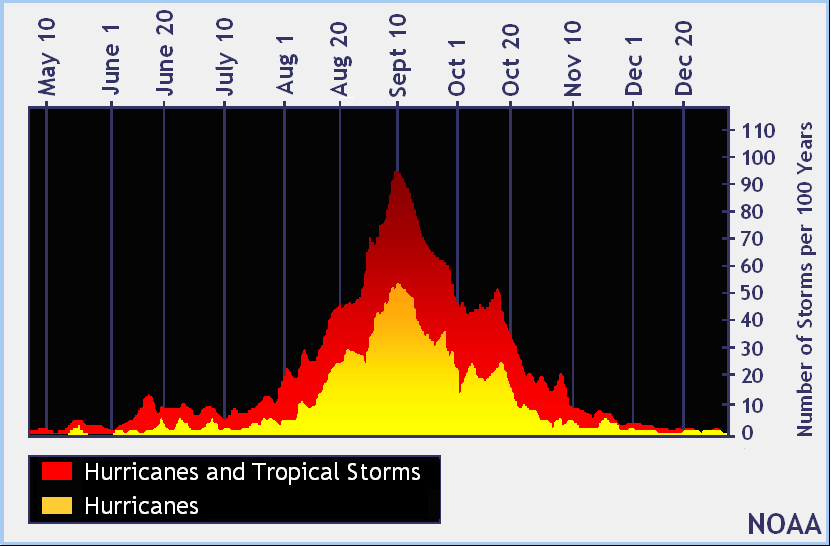
The official Atlantic hurricane season, which impacts Florida due to its proximity to the Atlantic Ocean and the Gulf of Mexico, runs from June 1st to November 30th each year. This six-month window is when tropical storms and hurricanes are most likely to form in the Atlantic Ocean, Caribbean Sea, and Gulf of Mexico.
While the season spans half the year, the highest probability of hurricane activity typically falls within the months of August and September. During this peak period, ocean waters are at their warmest, providing the necessary fuel for tropical systems to develop and strengthen. It’s crucial to remember that while these months carry a higher risk, storms can occur at any point within the official season, and sometimes even outside of it, though rarely. Early season storms (June-July) often form in the Gulf of Mexico or near the USA’s Southeast coast, while late-season storms (October-November) can sometimes track from the western Caribbean Sea.
What Constitutes a Hurricane?
To fully appreciate the implications of hurricane season, it’s helpful to understand the terminology. A tropical depression is an organized system of clouds and thunderstorms with a defined surface circulation and maximum sustained winds of 38 mph (61 km/h) or less. When these winds intensify to between 39 and 73 mph (63 and 118 km/h), the system becomes a tropical storm and is assigned a name (e.g., Tropical Storm Ian, Tropical Storm Nicole). If sustained winds reach 74 mph (119 km/h) or higher, it officially becomes a hurricane.
Hurricanes are categorized on the Saffir-Simpson Hurricane Wind Scale, which ranges from Category 1 (74-95 mph winds) to Category 5 (157 mph or higher). The category indicates the potential for wind damage, but it’s important to note that even lower-category storms and tropical storms can cause significant damage due to heavy rainfall, storm surge, and tornadoes. Storm surge, in particular, is often the deadliest aspect of a hurricane, as it can inundate coastal areas with feet of ocean water. For instance, coastal cities like Naples, Fort Lauderdale, and communities along the Florida Keys are particularly vulnerable to storm surge, while inland areas might face severe flooding from torrential rains.
Navigating Travel During Hurricane Season: Weighing Risks and Rewards
Despite the official hurricane season, millions still visit Florida during these months. Many find that the benefits outweigh the risks, especially with careful planning.
Weighing the Pros and Cons
Traveling during Florida’s hurricane season has both advantages and disadvantages:
Pros:
- Lower Crowds: The shoulder and off-peak months, including much of hurricane season, generally see fewer tourists compared to the peak winter and spring break periods. This means shorter lines at theme parks like Walt Disney World Resort and Universal Orlando Resort, less crowded beaches in destinations like South Beach Miami or Clearwater Beach, and easier reservations at popular restaurants.
- Better Deals: With fewer tourists, hotels, airlines, and tour operators often offer significant discounts during hurricane season. You might find more affordable rates for luxury resorts like The Breakers Palm Beach or attractive packages for villas and apartments, making high-end travel more accessible.
- Warm Water and Weather: The ocean water is wonderfully warm, perfect for swimming, snorkeling, and diving. While there’s a risk of storms, many days are still sunny and hot, ideal for enjoying Florida’s outdoor attractions.
Cons:
- Risk of Disruptions: The most significant drawback is the potential for travel disruptions. A hurricane or tropical storm can lead to flight cancellations, hotel closures, road closures, and the temporary shutdown of attractions. Your entire trip could be impacted or even canceled.
- Heat and Humidity: Beyond storm concerns, the summer months in Florida are notoriously hot and humid, with frequent afternoon thunderstorms (unrelated to hurricanes). This can be uncomfortable for some travelers.
- Mosquitoes: The rainy season, often coinciding with hurricane season, can lead to an increase in mosquito populations, particularly in lush areas like the Everglades National Park or other natural reserves.
Essential Pre-Trip Planning
If you decide to travel to Florida during hurricane season, meticulous planning is paramount:
- Purchase Travel Insurance: This is perhaps the single most important piece of advice. Look for comprehensive travel insurance policies that specifically cover “cancel for any reason” or offer robust hurricane-related clauses. These policies can reimburse you for non-refundable expenses like flights, hotels, and pre-paid tours if your trip is disrupted or canceled due to a named storm. Read the fine print carefully to understand what is covered and under what conditions.
- Book Flexible Accommodations and Flights: Whenever possible, opt for hotels, resorts, and airlines that offer flexible cancellation or rebooking policies. Many major hotel chains like Hilton, Marriott, and Hyatt understand the seasonal risks and may offer more lenient terms during these months. Confirm these policies before booking, especially if you’re staying in popular areas like Tampa, Sarasota, or Panama City Beach.
- Monitor Weather Forecasts Religiously: Stay informed by regularly checking reputable weather sources like the National Hurricane Center (NHC) and local Florida news outlets. The NHC provides advisories, watches, and warnings several days in advance, giving you time to adjust plans if a storm is developing. Pay attention to forecasts for both the Atlantic Coast (e.g., Daytona Beach, Palm Beach) and the Gulf Coast (e.g., Naples, St. Petersburg).
- Consider Inland Destinations: If you’re particularly risk-averse, consider focusing your trip on inland Florida cities like Orlando or Gainesville (though Gainesville is not a proper noun for this context, just a general reference). While no part of Florida is immune from heavy rains and wind, coastal areas face the added threat of storm surge and are typically the first to receive evacuation orders. Theme parks in Orlando have well-established hurricane protocols and often resume operations quickly after a storm passes.
Accommodation Considerations
When selecting your accommodation, consider its resilience and cancellation policies:
- Look for Solid Construction: Hotels and resorts built with concrete or reinforced materials tend to be more resilient to high winds. Newer buildings are often constructed to stricter building codes.
- Inquire About Hurricane Policies: Ask your hotel or resort about their specific hurricane policies. Do they offer refunds or credit for future stays if a mandatory evacuation is issued? Many reputable establishments, from luxury Ritz-Carlton properties to family-friendly Four Seasons resorts, will have clear guidelines.
- Higher Ground: If possible, choose an accommodation that is not directly on the beachfront or in a low-lying area particularly prone to flooding from storm surge. This is especially relevant in coastal communities like Key West or Marco Island.
- Amenities and Backup Power: Check if your hotel has backup generators, especially if you rely on amenities like air conditioning (a must-have in Florida heat) or medical equipment.
Safety First: What to Do If a Storm Approaches
Despite all the planning, Mother Nature can be unpredictable. Knowing what to do if a hurricane or tropical storm threatens your Florida vacation is crucial for your safety.
Staying Informed and Following Official Guidance
- Official Sources are Key: Rely only on official sources for hurricane information. The National Hurricane Center (NHC) website, local emergency management agencies, and reputable news channels are your best resources. Do not rely on social media rumors.
- Heed Watches and Warnings:
- Hurricane Watch: Means hurricane conditions (sustained winds of 74 mph or higher) are possible within the specified area, usually within 48 hours. This is the time to finalize your preparations or consider altering your plans.
- Hurricane Warning: Means hurricane conditions are expected within the specified area, usually within 36 hours. If you are in an area under a warning, especially a coastal one, you should be making immediate plans to evacuate if advised by local authorities.
- Listen to Local Authorities: If a mandatory evacuation order is issued for your area (e.g., Florida Keys, Atlantic Coast barrier islands), follow it immediately. These orders are issued for your safety and are not to be taken lightly. Hotels and resorts are often legally obligated to close during mandatory evacuations.
Emergency Kits and Evacuation Plans
Even if you’re a tourist, it’s wise to have a mini-emergency plan:
- Essential Documents: Keep your passport, ID, travel insurance documents, and reservation confirmations in a waterproof bag, easily accessible.
- Medications and Basics: Pack any necessary prescription medications, a small first-aid kit, and enough cash for a few days, as ATMs might not work during power outages.
- Water and Non-Perishable Snacks: If you’re staying put, have some bottled water and non-perishable snacks on hand.
- Full Tank of Gas: If you have a rental car, keep the tank full during hurricane season. Gas stations may close or run out of fuel during an evacuation.
- Evacuation Routes: Familiarize yourself with potential evacuation routes from your location. Florida’s Department of Transportation provides maps and information on these routes.
Communication Strategies
- Inform Your Contacts: Let family and friends know your travel plans and how to reach you.
- Charge Devices: Keep cell phones and other electronic devices fully charged, and consider a portable power bank.
- Hotel Communication: Stay in close communication with your hotel front desk or resort management. They will be your primary source of on-site information and guidance regarding emergency procedures.
Making the Most of Your Florida Trip, Rain or Shine
While hurricane season demands vigilance, it doesn’t mean your Florida trip will be a washout. Many days are still beautiful, and the state offers a wealth of indoor and alternative activities.
Alternative Activities for Rainy Days
Should a storm or even just persistent rain interrupt your outdoor plans, Florida boasts an impressive array of indoor attractions:
- Museums: Explore world-class museums such as The Salvador Dalí Museum in St. Petersburg, the Vizcaya Museum & Gardens in Miami, or the Ringling Museum in Sarasota. From art to history, there’s something to captivate every interest.
- Aquariums and Science Centers: Fascinating aquariums like SeaWorld Orlando (which also has indoor exhibits) and the Florida Aquarium in Tampa (not a proper noun for linking) offer immersive experiences. The Kennedy Space Center Visitor Complex near Titusville (not a proper noun for linking) provides an inspiring look into space exploration.
- Shopping Malls and Entertainment Complexes: Florida has an abundance of large shopping malls and entertainment centers. Orlando alone has numerous options, allowing for retail therapy, indoor dining, and movie theaters.
- Theme Park Indoor Attractions: Even at theme parks, many rides and shows are indoors. At Walt Disney World Resort, you can spend hours exploring Epcot’s World Showcase pavilions or enjoying indoor rides at Magic Kingdom and Hollywood Studios. Universal Studios Florida also offers many sheltered attractions, including those in The Wizarding World of Harry Potter.
Exploring Beyond the Beaches
Florida’s allure extends far beyond its famous coastline. Embrace the diversity of the state’s offerings:
- World-Class Theme Parks: Orlando is the undisputed capital of theme parks. Beyond Walt Disney World Resort and Universal Orlando Resort, consider LEGOLAND Florida Resort for younger families or Busch Gardens Tampa Bay for thrilling rides and animal encounters.
- Historical Landmarks: Delve into history at Castillo de San Marcos in St. Augustine, the oldest masonry fort in the USA. Explore the charming Art Deco Historic District of Miami Beach or stroll down Duval Street and visit Mallory Square in Key West.
- Nature and Wildlife: Florida’s natural beauty is immense. Visit the unique ecosystem of Everglades National Park (airboat tours are popular), explore the pristine beaches and historic fort of Dry Tortugas National Park off Key West, or paddle through the mangroves of Myakka River State Park near Sarasota. Even during hurricane season, many wildlife viewing opportunities remain, particularly after a storm has passed and conditions normalize.

Conclusion
While the official hurricane season in Florida runs from June 1st to November 30th, with peak activity in August and September, it doesn’t necessarily mean you should cross the Sunshine State off your travel list during these months. With careful planning, flexibility, and a proactive approach to monitoring weather conditions, a fantastic and memorable Florida vacation is entirely possible.
Embrace the advantages of fewer crowds and potentially better deals, but always prioritize safety by investing in comprehensive travel insurance, booking flexible accommodations, and staying informed through official channels like the National Hurricane Center. Whether you find yourself exploring the enchanting worlds of Walt Disney World Resort, relaxing on a less-crowded beach on Amelia Island, or discovering the rich history of St. Augustine, Florida offers an incredible experience year-round. By being prepared and informed, you can confidently plan your trip and enjoy all the wonders this vibrant state has to offer, come rain or shine.
LifeOutOfTheBox is a participant in the Amazon Services LLC Associates Program, an affiliate advertising program designed to provide a means for sites to earn advertising fees by advertising and linking to Amazon.com. Amazon, the Amazon logo, AmazonSupply, and the AmazonSupply logo are trademarks of Amazon.com, Inc. or its affiliates. As an Amazon Associate we earn affiliate commissions from qualifying purchases.