
Deciding on the best month to visit Alaska is akin to choosing your favorite flavor of ice cream – it largely depends on what experience you’re craving. This vast and majestic state, often referred to as “The Last Frontier,” offers a kaleidoscope of natural wonders, thrilling adventures, and unique cultural encounters throughout its distinct seasons. From chasing the midnight sun to witnessing the ethereal dance of the Northern Lights, Alaska beckons travelers with promises of unforgettable moments. Our comprehensive guide will navigate you through the nuances of each season, helping you pinpoint the perfect time for your dream Alaskan getaway, considering everything from travel logistics and accommodation options to tourism experiences and lifestyle preferences.
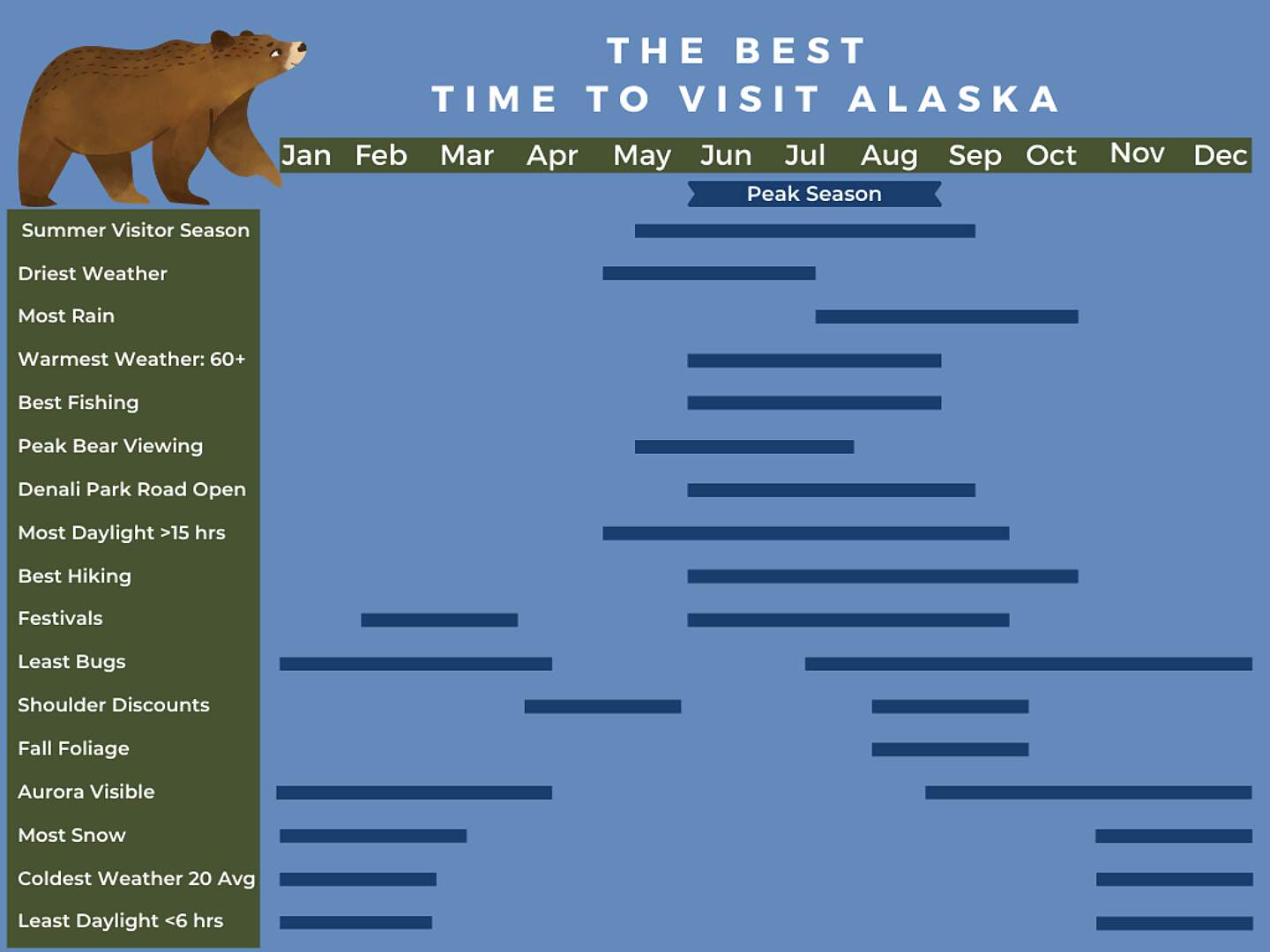
The sheer scale of Alaska means that climatic conditions and available activities can vary significantly across regions. Whether your heart desires a wildlife-rich cruise through the Inside Passage, an adventurous hike in a national park, or a cozy stay in a remote cabin under the aurora, understanding the seasonal rhythm is paramount. This article aims to provide an in-depth analysis of what each month typically offers, allowing you to tailor your trip for maximum enjoyment and minimal surprises.
Summer: Peak Season for Alaskan Adventures (June, July, August)
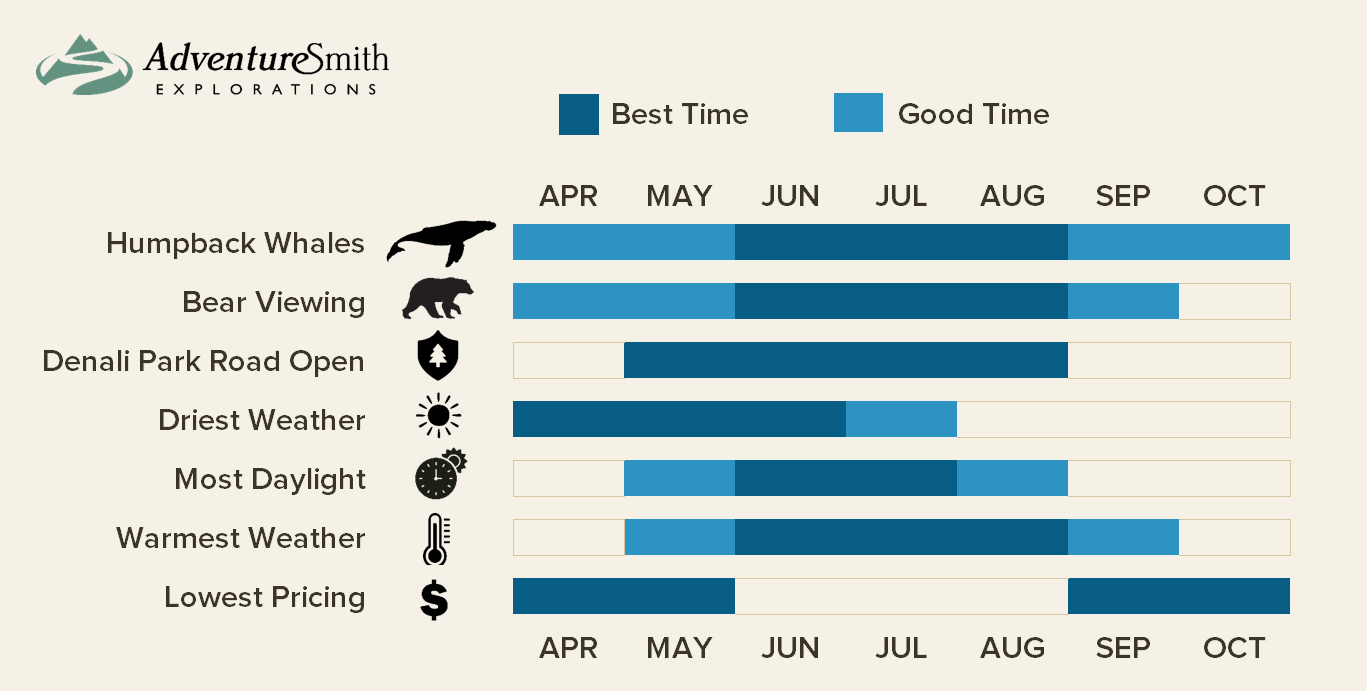
Summer in Alaska is undeniably the most popular time to visit, and for good reason. From late May through early September, the state bursts with life, characterized by long daylight hours, warmer temperatures, and an abundance of wildlife. This is when Alaska truly comes alive, offering a diverse range of activities that cater to every type of adventurer.
The Allure of Long Daylight Hours and Wildlife Spectacles
The most striking feature of an Alaskan summer is the nearly endless daylight, especially in June and July. Above the Arctic Circle, the sun never fully sets, a phenomenon known as the Midnight Sun. This extended daylight translates into more time for exploration and adventure, whether you’re hiking a scenic trail, fishing in pristine rivers, or embarking on a sightseeing tour.
Summer is also prime time for wildlife viewing. Bears, moose, caribou, whales, and eagles are active and easily spotted. Denali National Park and Preserve becomes fully accessible, allowing visitors to venture deep into the wilderness for unparalleled opportunities to see the “Big Five” (grizzly bears, wolves, moose, caribou, and Dall sheep). Coastal areas like Seward and Homer offer exceptional marine wildlife tours, where you can witness humpback whales breaching, orcas hunting, and sea otters frolicking.
Cruises through the Inside Passage are a hallmark of Alaskan summer tourism, offering a comfortable way to see massive glaciers, quaint port towns like Ketchikan and Skagway, and an array of marine life. For those seeking active travel, kayaking, rafting, and glacier trekking are popular activities. Fishing, particularly for salmon, reaches its peak, drawing anglers from around the globe to rivers near Anchorage and Fairbanks.
Navigating the Challenges of Peak Season Travel
While summer’s advantages are numerous, it’s essential to be aware of the trade-offs. This popularity means higher prices for flights, hotels, and tours. Accommodation in desirable locations, such as lodges near Denali or resorts in Anchorage like the Hotel Captain Cook, can book up many months in advance. Expect larger crowds at popular landmarks and attractions.
For those planning a summer trip, booking well in advance (6-12 months for cruises and prime accommodation) is highly recommended. Flexibility with dates can also help in finding better deals. Despite the crowds and costs, the vibrancy of summer in Alaska makes it an unparalleled experience for first-time visitors and families looking for a classic Alaskan adventure.
Shoulder Seasons: A Unique Perspective (May, September)
The shoulder seasons – May (late spring) and September (early fall) – offer a compelling alternative to the bustling summer months. These periods present a balance of favorable conditions, fewer crowds, and often more attractive pricing, appealing to travelers seeking a more intimate and cost-effective Alaskan experience.
May: Spring Awakenings and Budget-Friendly Options
Visiting Alaska in May is like witnessing the state shake off its winter slumber. The snow begins to melt, rivers swell, and landscapes slowly green. While some higher-elevation roads or remote trails might still be inaccessible, the major roads and attractions, including many parts of Denali National Park and Preserve, typically open by mid-to-late May.
May offers distinct advantages. The crowds are significantly thinner compared to July and August, meaning more serene experiences at popular sites. Hotels and tours often have lower rates, providing opportunities for budget-conscious travelers to explore Alaska without breaking the bank. Wildlife, particularly moose and bear cubs, start to emerge, offering charming viewing opportunities. Many cruise lines begin their season in May, often with introductory fares. For those interested in local culture and unhurried exploration, May presents a beautiful, thawing landscape. However, be prepared for cooler temperatures and potentially more unpredictable weather than in the heart of summer.
September: Autumn Splendor and Northern Lights Magic
September in Alaska is a photographer’s dream, characterized by stunning fall foliage and the increasing possibility of seeing the Northern Lights. As the days shorten and nights grow longer, the conditions become ideal for aurora viewing, especially in interior Alaska around Fairbanks and Talkeetna.
The landscape transforms into a vibrant tapestry of reds, oranges, and yellows as deciduous trees and shrubs change color. Hiking trails are often less crowded, and the crisp autumn air makes for invigorating outdoor activities. While some summer operators begin to close down towards the end of September, particularly in remote areas, major towns and attractions remain open. Cruises often offer “repositioning” itineraries at reduced prices as ships move south for the winter season.
Wildlife viewing is still excellent, as animals are busy preparing for winter. Bears can often be seen foraging for food, and migratory birds are on the move. Similar to May, September offers a more peaceful experience with fewer tourists and often better deals on accommodation and tours. The main drawback might be the cooler temperatures and increased chance of rain or early snow, particularly later in the month.
Winter: The Land of Ice and Lights (October – April)
While often overlooked by conventional tourists, winter in Alaska unveils a spectacularly different side of the state. From October through April, Alaska becomes a wonderland of snow, ice, and celestial phenomena, catering to a niche lifestyle of adventure and serene beauty.
Chasing the Aurora and Embracing Winter Sports
Winter is undeniably the best time to witness the majestic Aurora Borealis. With long, dark nights and clear skies, particularly from November to March, interior locations like Fairbanks are renowned as prime viewing spots. Many specialized resorts and camps, such as Borealis Basecamp, cater specifically to aurora hunters, offering unique accommodation and comfortable viewing experiences.
Beyond the Northern Lights, Alaskan winters are a paradise for snow sports enthusiasts. Dog sledding, snowmobiling, ice fishing, and cross-country skiing are popular activities. Girdwood, home to the Alyeska Resort, offers world-class downhill skiing and snowboarding. Unique cultural events, such as the Iditarod Trail Sled Dog Race in March, draw visitors to Anchorage for an unparalleled display of grit and tradition.
Winter tourism also provides a rare opportunity for solitude. The landscapes, blanketed in snow, are breathtakingly beautiful, and the quietude is profound. You’ll encounter far fewer crowds, and prices for hotels and tours are generally lower, making it an excellent option for budget travelers or those seeking a peaceful escape.
Understanding the Challenges of Alaskan Winters
Traveling to Alaska in winter requires careful planning and a tolerance for cold. Temperatures can plummet well below freezing, and daylight hours are significantly shorter, especially around the winter solstice in December. Some roads, remote facilities, and seasonal attractions, including parts of Denali National Park and Preserve, close for the winter. Transportation options, particularly in more remote regions, can be limited.
Proper gear, including warm clothing suitable for extreme cold, is essential. While Anchorage and Fairbanks remain vibrant year-round, many smaller towns operate on a reduced schedule. Despite these challenges, the unique beauty, the thrill of the Northern Lights, and the authentic Alaskan experiences available in winter make it a truly rewarding adventure for the intrepid traveler.
Choosing Your Ideal Alaskan Experience
Ultimately, the “best” month to visit Alaska is deeply personal, driven by your specific interests, budget, and tolerance for crowds. Each season offers a distinct flavor of the Last Frontier, ensuring that no two trips are ever quite the same.
Aligning Your Interests with the Seasons
- For Classic Sightseeing and Wildlife: June, July, August are ideal. You’ll have maximum daylight, access to all parks and tours, and the best chance to see a wide array of wildlife, including bears, whales, and caribou. This is also peak cruise season.
- For Northern Lights and Winter Sports: November to March offer the darkest skies and best opportunities for aurora viewing. This period is also perfect for dog sledding, skiing at Alyeska Resort, and experiencing unique winter culture like the Iditarod Trail Sled Dog Race.
- For Fall Foliage and Fewer Crowds: September delivers stunning autumn colors, good wildlife viewing, and a solid chance of catching the Northern Lights as the nights lengthen. It’s a quieter experience compared to summer.
- For Budget Travel and Spring Awakening: May provides more affordable options, fewer crowds, and the beauty of Alaska slowly coming back to life. It’s an excellent choice for those seeking value without sacrificing too much accessibility.
Essential Planning Tips: Accommodation and Logistics
Regardless of when you choose to visit, planning ahead is crucial. For peak summer travel, secure your flights, hotel suites, and tours at least 6-12 months in advance. Utilize resources like Life Out of the Box to read reviews and compare various accommodation options, from luxury resorts and boutique hotels to cozy apartments and rustic cabins. Consider booking unique stays like a dome at Borealis Basecamp for an aurora experience or a stay near Chugach State Park for hiking.
During the shoulder and winter seasons, while bookings might not be as fiercely competitive, it’s still wise to reserve key accommodation and tours. Research local transportation, as some services, particularly the Alaska Railroad‘s full schedule, are seasonal. Always pack layers, regardless of the month, as Alaskan weather can change rapidly. Even in summer, evenings can be cool, and rain is always a possibility.
Ultimately, the best month to visit Alaska is the one that aligns most closely with your personal vision of adventure, relaxation, or discovery. Each season paints a unique picture of this magnificent state, promising an experience that will stay with you long after you’ve left its wild shores.
LifeOutOfTheBox is a participant in the Amazon Services LLC Associates Program, an affiliate advertising program designed to provide a means for sites to earn advertising fees by advertising and linking to Amazon.com. Amazon, the Amazon logo, AmazonSupply, and the AmazonSupply logo are trademarks of Amazon.com, Inc. or its affiliates. As an Amazon Associate we earn affiliate commissions from qualifying purchases.