
The shimmering heat and lush, subtropical wilderness of Florida evoke images of vibrant wildlife, from sun-bathing alligators to graceful manatees. Among the many fascinating creatures said to roam its diverse ecosystems, the “black panther” holds a special place in local folklore and visitor curiosity. For those planning a journey to the Sunshine State, often seeking unique Travel experiences, the question, “Are there Black Panthers in Florida?” frequently arises. While the idea of a sleek, midnight-colored feline stalking the palmetto thickets is undeniably captivating, the reality, as seasoned naturalists and wildlife experts will confirm, is a little different – and perhaps even more intriguing.
This article delves into the mystery surrounding Florida’s elusive big cats, distinguishing myth from scientific fact. We will explore the true identity of the state’s native large feline, guide you to the best destinations for wildlife viewing, discuss suitable Accommodation options for eco-tourists, and highlight how responsible Tourism plays a crucial role in conserving Florida’s precious natural heritage. Understanding the distinctions not only enriches your appreciation of Florida’s wild side but also ensures a safer and more fulfilling encounter with its remarkable natural Landmarks.
The Elusive Florida Panther: A Florida Icon
The majestic creature that truly embodies the spirit of Florida’s wilderness is not a black panther, but the critically endangered Florida panther. This iconic big cat is a testament to the state’s wild heart and a symbol of its ongoing conservation efforts. For visitors embarking on Travel adventures to witness Florida’s unique biodiversity, understanding this magnificent animal is paramount.
Understanding the Florida Panther
The Florida panther (scientific name: Puma concolor coryi) is a subspecies of Puma concolor, also known as the cougar, mountain lion, or puma. Unlike the popular misconception, the Florida panther is not black. Instead, its coat is a beautiful tawny or yellowish-brown, fading to white on its belly and chest, with distinctive black markings on the tips of its ears and tail. Adults typically weigh between 70 to 160 pounds and can measure over six feet from nose to tail, making them a formidable presence in their native habitat.
Historically, the Florida panther once roamed across the entire southeastern United States. Today, its population is restricted to a small, isolated region in South Florida, primarily within the Everglades and Big Cypress ecosystems. This makes seeing a panther in the wild an incredibly rare and cherished experience, one that many wildlife enthusiasts on Tourism expeditions actively seek. The species faces numerous threats, including habitat loss due to development, road mortality, and genetic issues from a historical bottleneck. Conservation efforts, which are continuously supported by responsible Tourism and public awareness, are critical for its survival.
The Myth of the Black Panther in Florida
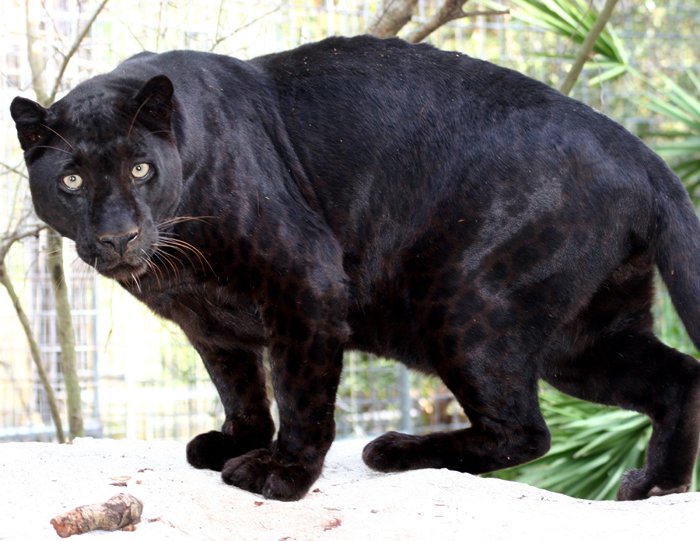
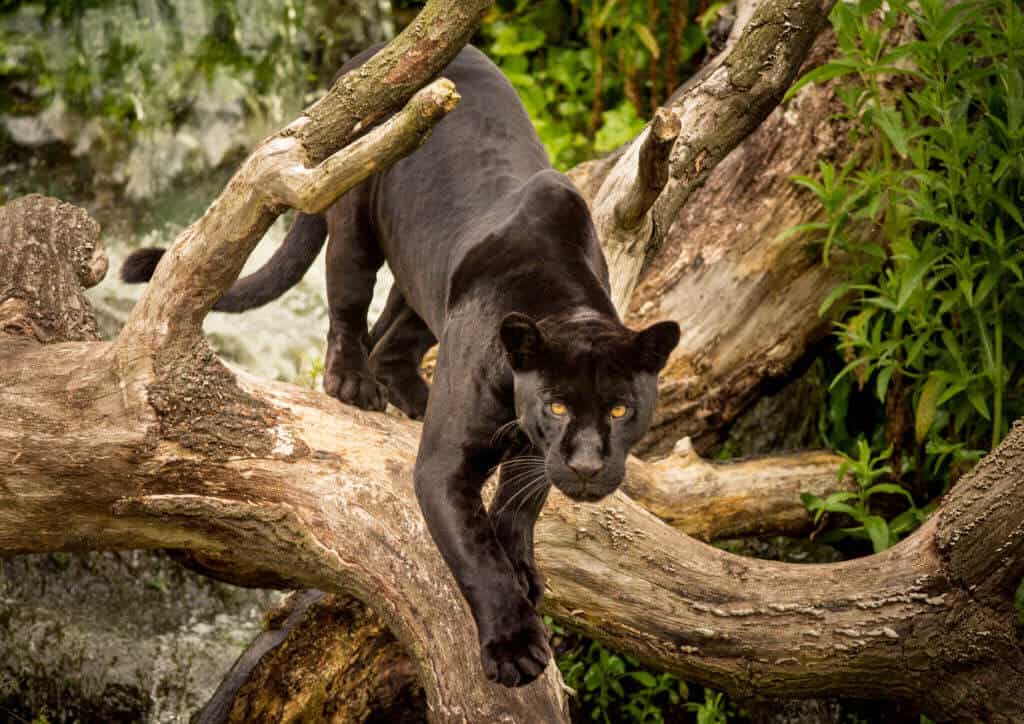
So, if the native Florida panther is tawny, why does the legend of the black panther persist? The term “black panther” does not refer to a distinct species but rather a melanistic (dark-pigmented) color variant of other large cat species. In the Americas, a “black panther” is a melanistic jaguar, while in Africa and Asia, it is a melanistic leopard. Neither of these species is native to Florida’s wild landscapes.
While there have been occasional unconfirmed sightings of black panthers in Florida over the years, these are almost universally attributed to misidentification. People might mistake a large bobcat in poor light, a feral domestic cat, or even a cougar (the Florida panther) whose color appears darker than it is due to shadows or distance. Another possibility, though less likely, could be escaped exotic pets, which occasionally happen, but these are not part of a wild, breeding population. The Florida Fish and Wildlife Conservation Commission (FWC) has consistently stated that there is no scientific evidence to support the existence of a black panther population in Florida. Therefore, while the allure of a black panther remains, visitors on a Travel quest for Florida’s wild cats should focus their hopes on spotting the beautiful and truly unique Florida panther.
Where to Experience Florida’s Wild Side: Panther Country and Beyond
For nature enthusiasts and wildlife photographers, a trip to Florida offers unparalleled opportunities to connect with its rich biodiversity. While a panther sighting is never guaranteed due to their elusive nature and low population numbers, focusing your Travel plans on their core habitats significantly increases your chances, while also providing a wealth of other incredible wildlife encounters. These destinations are prime examples of Florida’s natural Landmarks and essential sites for responsible Tourism.
Prime Panther Habitats and Wildlife Viewing Opportunities
The vast, unspoiled wetlands and forests of South Florida are where the remaining Florida panthers call home. Planning your Travel itinerary around these areas offers the best chance to glimpse this magnificent animal, along with a host of other fascinating creatures.
- Everglades National Park: A globally recognized Landmark and a UNESCO World Heritage Site, the Everglades is a sprawling wetland ecosystem vital for numerous species, including the Florida panther. While panther sightings here are rare, the park offers extensive opportunities for wildlife viewing, from airboat tours through sawgrass prairies to ranger-led walks. Visitors might spot alligators, crocodiles, various birds like roseate spoonbills and great egrets, and perhaps even a bobcat or deer.
- Big Cypress National Preserve: Located adjacent to the Everglades, Big Cypress is often considered the heart of panther country. Its mosaic of cypress swamps, pine flatwoods, and prairies provides ideal habitat for the cats. Loop Road Scenic Drive is a popular spot for wildlife viewing, and guided swamp walks can offer intimate encounters with the ecosystem. Keep an eye out for tracks or scat, which are often the closest many visitors get to a panther.
- Fakahatchee Strand Preserve State Park: Known as “the Amazon of North America,” this linear swamp forest is home to the largest concentration of native orchids in North America and a critical habitat for the Florida panther. Guided tours, including popular “swamp buggy” excursions, provide an excellent way to explore this remote wilderness, increasing the chances of seeing diverse wildlife.
- Florida Panther National Wildlife Refuge: Established specifically to protect the Florida panther and its habitat, this refuge is located north of Naples. While public access is limited to a few designated trails, it provides a quiet environment for keen observers. Early morning or late afternoon visits, when animals are most active, are recommended for wildlife viewing.
When exploring these areas, it’s crucial to employ the principles of responsible Tourism. Always stay on marked trails, do not feed wildlife, maintain a respectful distance, and consider hiring experienced local guides who understand animal behavior and the ecosystem. Their expertise not only enhances your experience but also ensures your safety and minimizes disturbance to the animals.
Beyond the Panther: Other Incredible Florida Wildlife
Even if a panther sighting proves elusive, Florida’s natural areas offer an abundance of other captivating wildlife, making any nature-focused Travel trip worthwhile.
- Alligators and Crocodiles: These ancient reptiles are ubiquitous in Florida’s waterways. Observation opportunities abound, particularly in the Everglades and various state parks.
- Manatees: Gentle giants of the sea, manatees can be seen in warm spring-fed rivers and coastal waters, especially during cooler months. Popular viewing spots include Crystal River and Blue Spring State Park.
- Birds: Florida is a birder’s paradise, home to hundreds of species, including wading birds like herons, egrets, and spoonbills, as well as migratory waterfowl and raptors. Corkscrew Swamp Sanctuary, with its ancient bald cypress forest and extensive boardwalk, is an exceptional birding Landmark.
- Turtles and Snakes: Various species of turtles and snakes inhabit Florida’s wetlands and uplands, contributing to the rich biodiversity.
- Bobcats: Smaller than panthers, but still beautiful and elusive, bobcats are present throughout the state and are more frequently sighted than panthers.
- Deer: White-tailed deer are a common prey animal for panthers and are often seen in many of Florida’s wild spaces.
Places like Myakka River State Park near Sarasota offer excellent opportunities for seeing alligators, various birds, and other wildlife from boardwalks, boat tours, and hiking trails. Planning a diverse itinerary will ensure a rich wildlife experience, regardless of whether you spot the elusive Florida panther.
Planning Your Wildlife Adventure: Accommodation and Responsible Tourism

Embarking on a wildlife-focused Travel experience in Florida requires thoughtful planning, not just for the activities but also for your stay. The right Accommodation can significantly enhance your adventure, providing comfort after a day of exploration and serving as a convenient base for your excursions. Furthermore, adopting a responsible Tourism mindset is crucial for preserving the delicate ecosystems and iconic species like the Florida panther. This approach to Lifestyle ensures that your visit contributes positively to conservation efforts.
Where to Stay: Hotels and Resorts Near Wildlife Hotspots
When selecting Hotels or Resorts for your Florida wildlife adventure, consider proximity to the parks and natural areas you plan to visit, as well as the amenities that cater to eco-tourists.
- Near the Everglades and Big Cypress:
- Naples: This upscale city on Florida’s Gulf Coast offers a range of luxury Resorts and boutique Hotels. Many properties provide comfortable suites and excellent service, perfect for relaxing after a day in the wilderness. It’s a convenient base for accessing the western entrances of Everglades National Park and Big Cypress National Preserve.
- Everglades City: For a more rustic and authentic experience, Everglades City offers quaint motels and lodges that immerse you in the local culture. This small fishing village is a gateway to the Ten Thousand Islands area of the Everglades and offers easy access to airboat tours and fishing charters.
- Miami / Fort Lauderdale: While further away, these major metropolitan areas provide a vast selection of Hotels and Resorts, from budget-friendly options to opulent luxury stays. They serve as convenient hubs if you’re flying into South Florida and plan day trips to the eastern sections of the Everglades. Many Hotels in these cities offer amenities like pools, spas, and dining options, catering to a diverse range of Lifestyle preferences.
- Near Other Wildlife Hotspots:
- For areas like Myakka River State Park or Corkscrew Swamp Sanctuary, consider staying in nearby cities like Sarasota or Fort Myers, which offer a blend of comfort and accessibility to natural attractions.
When booking your Accommodation, look for options that prioritize sustainability, such as eco-lodges or hotels with recognized green certifications. Reading reviews and comparing different types of stays (e.g., apartments for longer visits, villas for families) can help you find the perfect fit for your Travel style and budget.
Sustainable Tourism and Panther Conservation
Your presence as a tourist can have a significant impact on Florida’s ecosystems. Embracing sustainable Tourism practices is a crucial aspect of responsible Lifestyle and ensures that these natural wonders remain preserved for future generations.
- Respect Wildlife and Their Habitat: Always maintain a safe and respectful distance from all animals. Never feed wildlife, as it can alter their natural behaviors and make them dependent on humans, often leading to harm for both animals and people. Stay on marked trails to avoid disturbing delicate vegetation and animal breeding grounds.
- Minimize Your Footprint: Practice “Leave No Trace” principles by packing out everything you pack in. Dispose of waste properly, and avoid using single-use plastics where possible. Choose eco-friendly products, especially sunscreens that are safe for aquatic environments.
- Support Local and Sustainable Businesses: Opt for tour operators, Hotels, and restaurants that demonstrate a commitment to environmental protection and support the local economy. Look for certifications or explicit statements about their sustainability practices.
- Educate Yourself and Others: Learn about the Florida panther and other endangered species. Share your knowledge with friends and family to raise awareness about the importance of conservation.
- Contribute to Conservation: Consider donating to organizations dedicated to Florida wildlife and habitat protection, such as the Florida Wildlife Federation or the Friends of the Florida Panther Refuge. Your financial support helps fund crucial research, habitat restoration, and public education programs.
By integrating these practices into your Travel plans, you become an active participant in protecting Florida’s incredible natural Landmarks and the future of its iconic species. This conscious approach to Tourism transforms a simple vacation into a meaningful journey of discovery and stewardship.
The Florida Panther in Florida’s Culture and Future
The image of the panther is deeply woven into the fabric of Florida’s identity, serving as a powerful emblem of its wildness and beauty. Despite the common misconception about Black Panthers, the true Florida panther holds immense cultural significance and represents a critical focus for conservation, tying into the broader themes of Travel, Tourism, and our shared Lifestyle choices.
Cultural Significance and Conservation Challenges
The Florida panther is much more than just a large cat; it is the official state animal of Florida and a symbol of its untamed wilderness. Its presence signifies a healthy ecosystem, as panthers are apex predators, playing a vital role in maintaining the balance of their habitat. For many residents and visitors alike, spotting a panther in the wild is a profound experience, connecting them directly to the primeval heart of Florida’s natural Landmarks.
However, the future of the Florida panther remains precarious. Listed as critically endangered, the population, though slowly recovering from a low of around 20-30 individuals in the 1970s to an estimated 120-230 adults today, faces significant and ongoing threats.
- Habitat Loss and Fragmentation: Rapid human population growth and development in South Florida continue to encroach upon the panther’s remaining habitat. The creation of roads, residential areas, and agricultural lands fragments their territory, isolating populations and reducing hunting grounds.
- Road Mortality: Collisions with vehicles are the leading cause of death for panthers. As their range becomes increasingly intersected by roads, the risk of panthers being hit by cars, particularly along highways like Alligator Alley (I-75), rises dramatically.
- Genetic Issues: The historical population bottleneck led to severe inbreeding and associated health problems. A genetic restoration project in the mid-1990s introduced eight female pumas from Texas to diversify the gene pool, which proved successful in boosting the population and improving genetic health. However, ongoing genetic management remains a consideration.
- Disease and Predation: While less common, diseases and territorial disputes with other panthers also contribute to mortality.
Despite these challenges, extensive conservation efforts are underway. These include the protection and expansion of wildlife corridors to allow safe movement between habitats, the construction of underpasses and fencing along major roads to reduce vehicle collisions, and ongoing research to monitor population health and distribution. Public awareness campaigns, often fueled by educational Tourism initiatives, are vital in garnering support for these crucial measures.
How Visitors Can Contribute to Conservation
For those who journey to Florida seeking an authentic wildlife experience, your choices can have a direct and lasting impact on the survival of the Florida panther and its ecosystem. Adopting a conservation-minded Lifestyle during your Travel not only enriches your personal experience but also aids in the broader mission of preservation.
- Support State and National Parks: Your entrance fees to Everglades National Park, Big Cypress National Preserve, and Florida State Parks directly fund the management, protection, and restoration of critical habitats.
- Drive Cautiously in Panther Zones: When driving through designated panther crossing areas, especially at dawn and dusk, obey speed limits and watch for wildlife. Every panther saved from a road collision is a victory for the species.
- Choose Responsible Tour Operators: Select guides and tour companies that emphasize ethical wildlife viewing, environmental education, and contribute a portion of their profits to conservation. Inquire about their practices to ensure they align with sustainable Tourism principles.
- Report Sightings (Responsibly): If you are incredibly lucky enough to see a panther, report it to the Florida Fish and Wildlife Conservation Commission (FWC). This data is vital for monitoring population movements and health. However, do so without disturbing the animal or publicizing its exact location to prevent harassment.
- Advocate for Conservation: Engage in discussions about habitat protection, land acquisition, and wildlife corridors. Support policies that protect Florida’s natural spaces.
By making conscious decisions, travelers become stewards of Florida’s natural heritage, ensuring that the elusive Florida panther continues to roam its ancestral lands and inspire future generations.
Conclusion
While the romantic notion of Black Panthers stalking the wilds of Florida persists in popular imagination, the scientific reality points to an equally, if not more, captivating truth: Florida is home to the truly unique and critically endangered Florida panther, a magnificent tawny-colored puma that embodies the spirit of the state’s incredible natural Landmarks.
For those seeking exceptional Travel experiences, a journey into Florida’s prime wildlife habitats like Everglades National Park and Big Cypress National Preserve offers an unparalleled opportunity to connect with nature. Whether you’re staying in luxurious Hotels in Naples or charming lodges in Everglades City, careful Accommodation planning sets the stage for a memorable adventure.
More importantly, every visitor has the chance to practice responsible Tourism and contribute to the conservation of this iconic species. By respecting wildlife, minimizing your environmental footprint, and supporting conservation efforts, your Lifestyle choices as a traveler can play a vital role in ensuring that the Florida panther continues to thrive. So, while you may not find a black panther in Florida, you will discover a profound wilderness experience and the chance to witness one of North America’s most elusive and awe-inspiring big cats. Plan your visit thoughtfully, embrace the wild, and become a part of the Florida panther’s hopeful future.
LifeOutOfTheBox is a participant in the Amazon Services LLC Associates Program, an affiliate advertising program designed to provide a means for sites to earn advertising fees by advertising and linking to Amazon.com. Amazon, the Amazon logo, AmazonSupply, and the AmazonSupply logo are trademarks of Amazon.com, Inc. or its affiliates. As an Amazon Associate we earn affiliate commissions from qualifying purchases.