
The question “Is Arizona a desert?” often conjures images of endless sand dunes, scorching sun, and resilient cacti stretching as far as the eye can see. While this picture holds a significant amount of truth, it only scratches the surface of what the Grand Canyon State truly encompasses. Arizona is, at its heart, a desert state, dominated by the sprawling and incredibly diverse Sonoran Desert. However, to simply label it “a desert” would be to overlook the majestic mountain ranges, lush pine forests, and vibrant riparian areas that also define its breathtaking landscape. For travelers, understanding this nuanced identity is key to unlocking the full spectrum of experiences Arizona offers, from world-class resorts nestled in arid beauty to high-altitude adventures.

The Sonoran Desert’s Embrace: Defining Arizona’s Core Identity
At the core of Arizona’s geographical identity is the Sonoran Desert, one of the hottest and largest deserts in North America. This isn’t your typical barren wasteland; the Sonoran Desert is a remarkably biodiverse ecosystem, home to an astonishing array of plant and animal life. It’s the only place on Earth where the iconic Saguaro cactus grows natively, standing tall and majestic, symbolizing the resilience of life in an extreme environment. The unique bimodal rainfall pattern of the Sonoran Desert – receiving rain both in the winter and during intense summer monsoons – contributes to its surprising lushness compared to other deserts like the Mojave Desert or the Chihuahuan Desert.
This dominant desert landscape extends across much of southern Arizona, influencing the climate and culture of major cities like Phoenix and Tucson. In these urban centers, the desert isn’t just a backdrop; it’s an integral part of daily life, shaping architecture, leisure activities, and even culinary traditions. Visitors to Phoenix can explore the Desert Botanical Garden, a testament to the Sonoran Desert’s incredible biodiversity, showcasing thousands of species of cacti, succulents, and desert plants. Similarly, Tucson is famously flanked by Saguaro National Park to its east and west, offering easily accessible opportunities to immerse oneself in this unique arid landscape. The desert’s dramatic sunsets, painting the sky with fiery hues, are a daily spectacle that captivates residents and travelers alike, a constant reminder of nature’s raw beauty.
Beyond Cacti: Understanding Arizona’s Diverse Ecosystems
While the desert defines much of Arizona, it’s crucial to understand that the state’s geography is far from monolithic. Journey north from Phoenix or Tucson, and the landscape undergoes a remarkable transformation. The elevation steadily increases, leading to a dramatic shift in ecosystems. The Mogollon Rim, a 200-mile-long geological feature, marks the southern edge of the vast Colorado Plateau, creating a stark contrast to the low deserts. Above the Rim, you’ll find extensive forests of ponderosa pine, aspen, and oak, particularly around cities like Flagstaff and Prescott.
These high-altitude regions receive significant snowfall in winter, supporting ski resorts and offering a completely different range of outdoor activities, from skiing and snowboarding to scenic drives through lush mountainscapes. Coconino National Forest and Kaibab National Forest cover millions of acres, providing habitats for elk, deer, and black bears, a far cry from the javelinas and coyotes of the desert floor. Even within the desert, riparian areas along rivers like the Colorado River or seasonal washes create ribbons of green, supporting cottonwood and willow trees and attracting diverse bird species, showcasing pockets of lushness amidst the arid environment. This ecological diversity means that a single trip to Arizona can involve experiencing temperate forests, dramatic canyons, and vibrant deserts, all within a few hours’ drive.
The Climate Spectrum: From Scorching Summers to Mild Winters
Arizona’s desert classification also deeply influences its climate, which varies significantly across its diverse regions. The low desert areas, including Phoenix, Tucson, and Yuma, are famous for their intensely hot summers, with temperatures frequently soaring above 100°F (38°C). These months are characterized by brilliant sunshine and extremely low humidity, making it a “dry heat” that many find more tolerable than humid climates. However, the rest of the year brings delightfully mild and sunny weather, making Arizona a premier winter destination for those seeking to escape colder climates. This appeal is a major driver for the state’s tourism and accommodation sectors, with snowbirds flocking to the warmer climes.
Contrast this with the northern regions, particularly Flagstaff and the areas around the Grand Canyon National Park. Here, elevations often exceed 7,000 feet (2,100 meters), leading to four distinct seasons. Summers are pleasantly warm, not scorching, while winters are cold and snowy, attracting winter sports enthusiasts. Even the iconic Sedona, known for its stunning Red Rock Country, experiences a milder climate than the low desert, with cooler temperatures and occasional snowfall in winter, though its overall character is still arid. This wide range of climates means that no matter the season, a suitable Arizona destination awaits every traveler, offering a unique blend of adventure, relaxation, and natural beauty.
Unveiling Arizona’s Travel Treasures: Beyond the Arid Lands
For travelers, Arizona’s desert identity, intertwined with its surprising geographical diversity, presents an unparalleled array of destinations and experiences. Far from being a barren wasteland, the state is a vibrant tapestry of natural wonders, cultural heritage, and modern amenities, making it a top-tier global travel destination. The blend of rugged desert landscapes with accessible urban centers and serene mountain retreats creates a unique appeal for all types of visitors, from luxury travelers to budget adventurers and families seeking memorable trips.
Iconic Landmarks and Natural Wonders
Undoubtedly, the crown jewel of Arizona, and perhaps one of the most famous natural landmarks in the world, is the Grand Canyon National Park. Carved by the Colorado River over millions of years, this immense chasm showcases geological history on a scale almost unimaginable. Visitors can explore the South Rim for its iconic vistas and easy accessibility, or venture to the more remote North Rim for a different perspective and fewer crowds. Hiking, helicopter tours, and rafting on the Colorado River offer thrilling ways to experience its grandeur.
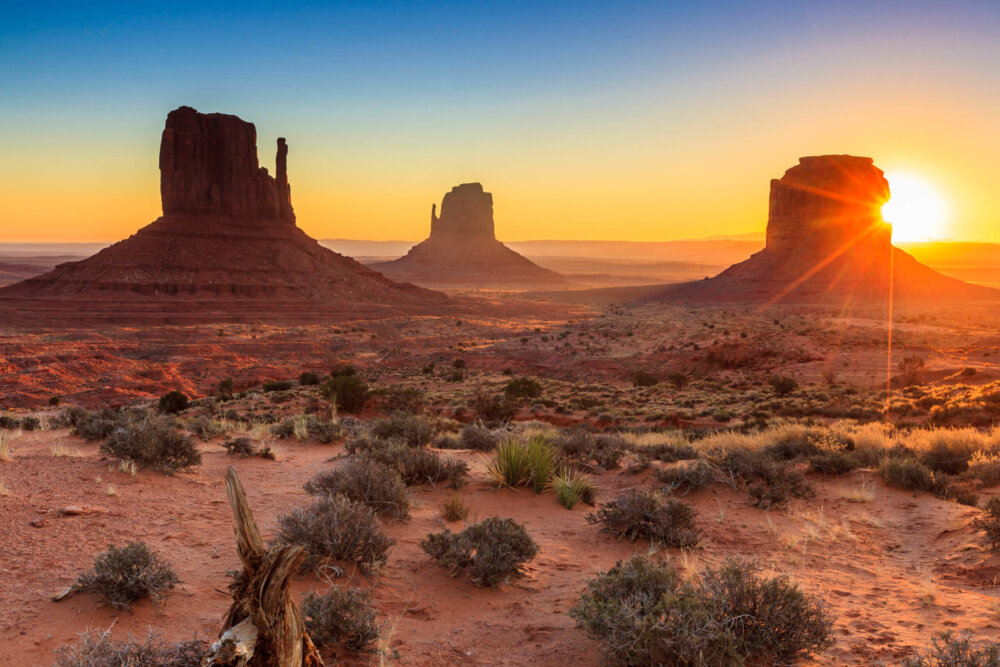
Beyond the Grand Canyon, Arizona boasts an incredible collection of natural wonders. The mesmerizing slot canyons of Antelope Canyon near Page, with their swirling sandstone walls sculpted by water and wind, are a photographer’s dream. Nearby, Horseshoe Bend offers another iconic view of the Colorado River’s dramatic curves. In the northeastern part of the state, the otherworldly landscape of Monument Valley Navajo Tribal Park, with its towering sandstone buttes, evokes classic Western imagery and offers a deep dive into Navajo Nation culture. For those interested in prehistoric life, Petrified Forest National Park showcases an ancient forest transformed into colorful stone. These natural attractions, while often situated in arid or semi-arid environments, offer profound beauty and unique ecological insights.
Vibrant Cities and Cultural Experiences
Arizona’s cities offer a rich blend of urban sophistication, Native American heritage, and Old West charm. Phoenix, the state capital and fifth-largest city in the United States, is a bustling metropolis known for its upscale resorts, thriving culinary scene, and a plethora of golf courses. Scottsdale, an affluent suburb of Phoenix, is synonymous with luxury travel, offering high-end shopping in Old Town Scottsdale, vibrant nightlife, and spa retreats. Attractions like Taliesin West, Frank Lloyd Wright’s winter home and architectural school, add a cultural dimension to the desert experience.
Tucson, a UNESCO City of Gastronomy, offers a more laid-back, historic vibe, with its adobe architecture, vibrant Mexican heritage, and a culinary scene deeply rooted in its desert environment. The city’s mission churches, such as San Xavier del Bac Mission, are stunning examples of Spanish colonial architecture. North of the low desert, Sedona captivates visitors with its stunning red rock formations, spiritual vortexes, and a thriving arts community centered around places like Tlaquepaque Arts and Shopping Village. Flagstaff, nestled in the pines, serves as a gateway to the Grand Canyon and offers a distinctly different, cooler climate experience, popular for its historic downtown and proximity to outdoor adventures. Each city offers a unique window into Arizona’s multifaceted identity, blending desert traditions with contemporary living.
Crafting Your Arizona Adventure: Accommodation, Lifestyle, and Tourism
Understanding Arizona’s dual nature as a desert state with surprising diversity is crucial for planning an unforgettable trip. The state’s tourism infrastructure is robust, catering to every style of travel, from opulent stays to rugged expeditions. Whether you’re seeking relaxation, adventure, cultural immersion, or a mix of everything, Arizona offers tailored experiences that highlight its unique landscapes and vibrant local culture.
Where to Stay: Hotels, Resorts, and Unique Retreats
Arizona’s accommodation options are as diverse as its landscapes, ranging from luxurious desert resorts to charming boutique hotels and cozy cabins in the mountains. In Phoenix and Scottsdale, you’ll find an abundance of world-class resorts that epitomize luxury travel. Properties like The Phoenician, A Luxury Collection Resort or the Arizona Biltmore, A Waldorf Astoria Resort offer sprawling pools, championship golf courses, high-end spas, and exquisite dining, often set against the stunning backdrop of the Sonoran Desert and the Camelback Mountain. In Sedona, boutique hotels and resorts like Enchantment Resort or L’Auberge de Sedona provide a serene escape, blending seamlessly with the red rock scenery and offering wellness-focused experiences.
For those exploring the Grand Canyon, lodges both within the park (e.g., El Tovar Hotel) and in nearby Flagstaff or Williams provide convenient access. Budget-conscious travelers will find numerous hotels, motels, and vacation rentals throughout the state, especially in larger cities and along major travel routes. For a more unique experience, consider glamping in the desert, a stay at a historic inn in Prescott, or renting a villa for a long-term stay, allowing for deeper immersion into the local lifestyle. Many properties, particularly those designed for family trips, offer amenities like kids’ clubs, multiple pools, and organized activities, ensuring a comfortable and entertaining stay for all ages.
Experiencing the Arizona Lifestyle: Adventure, Wellness, and Gastronomy
The Arizona lifestyle is deeply intertwined with its natural environment. Outdoor adventures abound, from hiking and mountain biking on desert trails or mountain paths to white-water rafting on the Colorado River. Hot air ballooning over the Sonoran Desert at sunrise offers an unforgettable perspective, while Jeep tours in Sedona provide an exhilarating way to explore the rugged terrain. The state’s clear desert nights are perfect for stargazing, especially in designated dark-sky communities like Flagstaff or near remote national parks.
Wellness tourism thrives in Arizona, with many resorts offering luxurious spa treatments, yoga retreats, and holistic therapies, often incorporating elements of the desert environment into their practices. Golf is another cornerstone of the Arizona lifestyle, with hundreds of courses, many designed by legends of the sport, offering challenging play amidst stunning desert backdrops. The culinary scene is equally dynamic, blending traditional Southwestern flavors with modern influences. Expect to find delicious Mexican cuisine, innovative farm-to-table restaurants, and unique desert-inspired dishes. Local culture is also rich, with numerous museums like the Heard Museum in Phoenix dedicated to Native American art and culture, and historical sites such as Montezuma Castle National Monument offering glimpses into ancient civilizations.

Planning Your Visit: Tips for Desert Exploration
When planning a trip to Arizona, it’s essential to consider the timing, especially if you plan to spend significant time in the low desert. Spring and fall offer the most pleasant weather for outdoor activities in Phoenix and Tucson. Summers can be extremely hot, requiring careful planning to avoid heat-related issues, although it’s also a time when accommodation prices might be lower, offering budget travel opportunities for those who don’t mind the heat and prefer indoor activities or early morning excursions. For northern Arizona and the Grand Canyon, summer is peak season, while winter offers unique snow-dusted vistas and fewer crowds, albeit with some road closures or limited access.
Always carry plenty of water, wear sun protection, and inform someone of your plans, especially when hiking in remote areas. Booking accommodation, particularly resorts and popular attractions, well in advance is highly recommended, especially during peak seasons. Consider renting a car to fully explore the state’s diverse regions at your own pace, as public transportation outside of major urban cores can be limited. Arizona provides a wealth of travel guides and local tips, ensuring that whether you’re embarking on a luxurious getaway, a family adventure, or a solo exploration, your journey through its stunning landscapes will be safe, enriching, and truly memorable.
In conclusion, yes, Arizona is indeed a desert, largely defined by the vibrant Sonoran Desert that blankets its southern half. However, to stop there would be to miss the broader truth: it is a state of remarkable ecological and climatic contrasts. From the iconic cacti of its arid plains to the pine forests and snow-capped peaks of its northern mountains, Arizona offers an extraordinary diversity that belies its desert classification. This multifaceted identity makes it a destination of endless discovery, inviting travelers to explore its iconic landmarks, immerse themselves in rich cultural experiences, and indulge in a lifestyle that beautifully merges rugged adventure with refined luxury. Arizona is not just a desert; it’s an entire world waiting to be explored.
LifeOutOfTheBox is a participant in the Amazon Services LLC Associates Program, an affiliate advertising program designed to provide a means for sites to earn advertising fees by advertising and linking to Amazon.com. Amazon, the Amazon logo, AmazonSupply, and the AmazonSupply logo are trademarks of Amazon.com, Inc. or its affiliates. As an Amazon Associate we earn affiliate commissions from qualifying purchases.