
One of the most common questions travelers ask when planning a trip to the Grand Canyon State is about its time zone. Unlike most of the United States, Arizona observes a unique approach to time, often leading to confusion for visitors from other parts of the country and the world. The short answer to “Is Arizona Pacific Standard Time?” is: no, not exactly, and it’s a bit more nuanced than a simple yes or no, especially when Daylight Saving Time comes into play. Understanding Arizona’s time zone is crucial for seamless travel planning, from booking flights and accommodation to scheduling tours and dining experiences. This guide will delve into the intricacies of Arizona’s timekeeping, providing essential information for anyone looking to explore its breathtaking landscapes, vibrant cities, and rich cultural heritage.

Understanding Time Zones: A Primer for Travelers
To grasp Arizona’s unique situation, it’s helpful to understand the basics of time zones and the concept of Daylight Saving Time. These fundamental principles dictate how we track time across different longitudes and adapt to seasonal changes.
What is Pacific Standard Time (PST) and Mountain Standard Time (MST)?
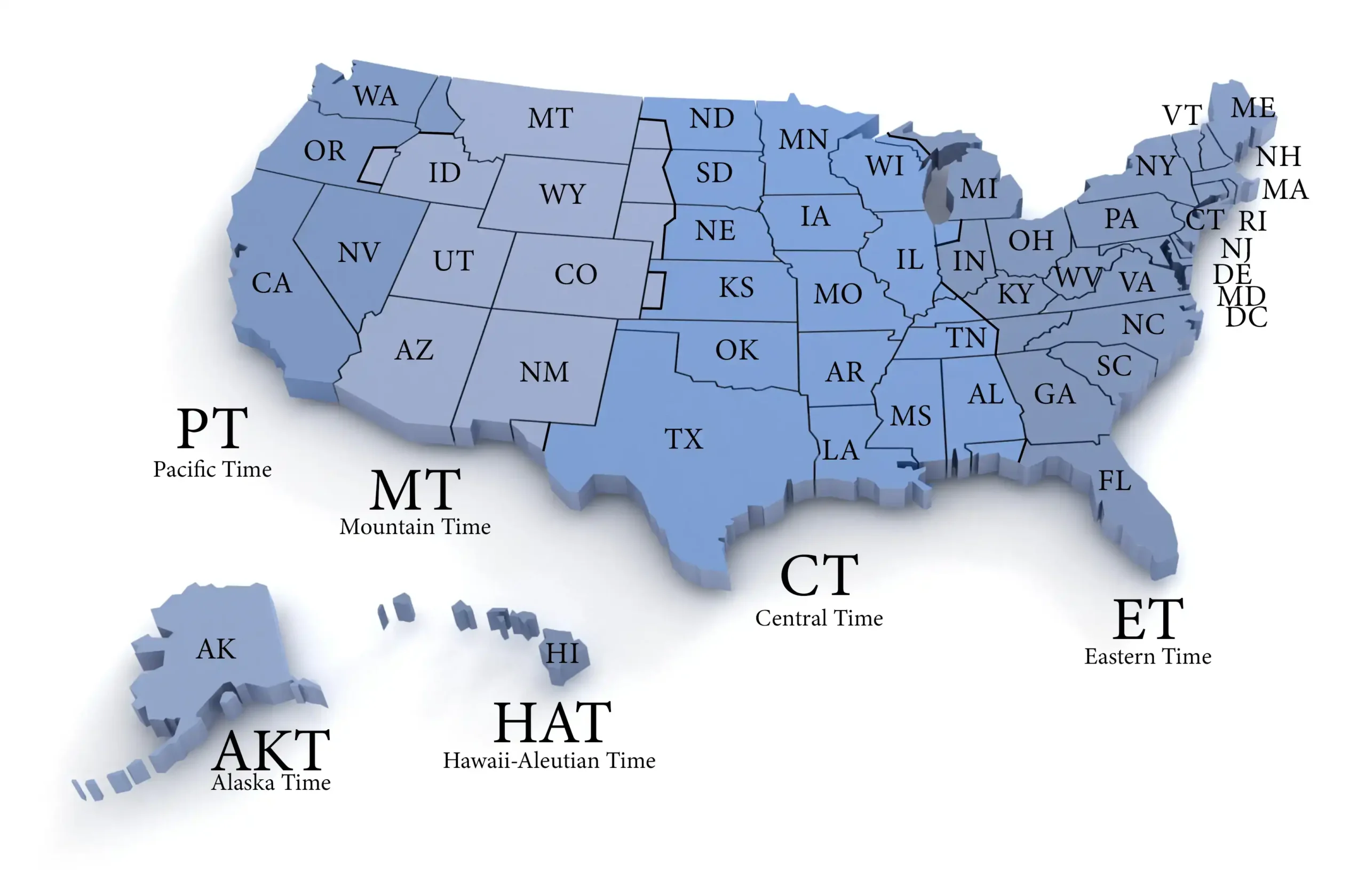
The continental United States is divided into several standard time zones. Pacific Standard Time (PST) is observed along the west coast, specifically in states like California, Nevada, and much of Oregon and Washington. It is UTC-8, meaning it is eight hours behind Coordinated Universal Time. Mountain Standard Time (MST), on the other hand, is observed by states like Colorado, Utah, and parts of Idaho, Montana, Wyoming, and New Mexico. MST is UTC-7, one hour ahead of PST. Geographically, Arizona falls within the Mountain Time Zone. However, its relationship with Daylight Saving Time sets it apart, causing it to align with different time zones at different times of the year. This distinction is vital for travelers flying into Phoenix Sky Harbor International Airport or driving across state lines.
The Concept of Daylight Saving Time (DST)
Daylight Saving Time (DST) is the practice of advancing clocks by one hour during warmer months so that evening daylight lasts longer, and morning daylight starts later. Most states in the U.S. observe DST, “springing forward” in March and “falling back” in November. The primary intention behind DST is to make better use of daylight, save energy, and potentially boost economic activity by encouraging people to be out and about later in the day. However, not all states find this beneficial. Arizona is one of two states (the other being Hawaii) that largely opts out of observing DST. This non-observance is the root cause of much of the time zone confusion for visitors and locals alike, turning what seems like a simple clock adjustment into a complex travel consideration.
Arizona’s Unique Time Zone Situation
Arizona’s decision to forgo Daylight Saving Time is deeply rooted in its climate and history, creating a distinct time zone scenario that every traveler should be aware of. This policy affects everything from flight schedules to tour bookings and the timing of your daily explorations.
The Grand Canyon State’s Stand Against Daylight Saving Time
For most of the year, specifically from March to November, when the rest of the country “springs forward” for Daylight Saving Time, Arizona remains on Mountain Standard Time (MST). This means that during these months, Arizona effectively operates on the same time as Pacific Daylight Time (PDT). While states like California move from PST to PDT (UTC-7), Arizona stays at MST (also UTC-7).
So, if you’re visiting Phoenix in July, your clock will match the time in Los Angeles or San Francisco. However, from November to March, when other states “fall back” to PST, Arizona remains on MST, making it one hour ahead of PST.
The reason for this non-observance is largely practical: the intense summer heat. With average daytime temperatures often soaring above 100 degrees Fahrenheit (38 degrees Celsius) in much of the state, an extra hour of daylight in the evening is not desirable. It would only extend the period of extreme heat, increasing energy consumption for air conditioning rather than saving it. This unique approach allows Arizonans to make the most of cooler mornings and enjoy more comfortable evenings, aligning with the state’s laid-back lifestyle and outdoor-centric activities.
The Navajo Nation Exception
Adding another layer of complexity to Arizona’s time zone is the Navajo Nation. This vast autonomous territory, spanning parts of northeastern Arizona, New Mexico, and Utah, does observe Daylight Saving Time. This means that for roughly half the year, the Navajo Nation operates on Mountain Daylight Time (MDT), making it one hour ahead of the rest of Arizona and two hours ahead of California.
This exception is particularly important for travelers visiting iconic destinations within or near the Navajo Nation, such as Antelope Canyon, Monument Valley, and parts of the Grand Canyon National Park. For instance, if you’re driving from Flagstaff (MST) to a tour starting in Page (which is within the Navajo Nation’s time zone for part of the year), you’ll need to adjust your clock by an hour. The Hopi Tribe, whose reservation is entirely surrounded by the Navajo Nation but is a separate entity, also does not observe DST, mirroring the rest of Arizona. This creates a fascinating “time island” within a “time island,” a crucial detail for anyone planning a multi-stop itinerary through these culturally rich areas. Always confirm local times, especially when crossing tribal lands.
How This Affects Travel Planning to Arizona Destinations
The time zone situation in Arizona has significant practical implications for travelers. Forgetting to account for it can lead to missed flights, late arrivals for tours, or confusion when coordinating with friends and family back home. When planning your trip:
- Flights: Always double-check flight times. Arrival and departure times are typically listed in local time, but be mindful of your origin time zone. A flight from Denver (MDT in summer) to Phoenix (MST/effectively PDT in summer) will feel like it gained an hour.
- Hotel Check-ins and Check-outs: Most hotels and resorts, whether a luxurious Four Seasons Resort Scottsdale or a budget-friendly Holiday Inn Express, operate on the local Arizona time. Confirm specific timings to avoid any issues.
- Tour Bookings: This is where it gets tricky, especially for tours originating in the Navajo Nation. If you book an Antelope Canyon tour for 10:00 AM, ensure you know if that’s 10:00 AM Navajo Nation time or 10:00 AM Arizona time. Tour operators are usually very clear, but it’s always best to verify.
- Driving Across State Lines: Be aware when crossing into California, Nevada, Utah, or New Mexico, as these states observe DST. Your phone might automatically adjust, but it’s good to be manually aware, particularly if you rely on car clocks.
- Business Meetings and Events: If you’re traveling to Arizona for business, confirm all meeting times with local contacts, especially during the DST period.

A quick reference:
- March-November (DST Period): Arizona (except Navajo Nation) is equal to PDT (e.g., California). Navajo Nation is one hour ahead of the rest of Arizona.
- November-March (Standard Time Period): Arizona (and Navajo Nation) is one hour ahead of PST (e.g., California).
Navigating Arizona’s Time: Tips for Visitors
Understanding the time zone nuances in Arizona doesn’t have to be a headache. With a few proactive steps, travelers can smoothly navigate their itinerary and fully immerse themselves in the unique experiences the state offers, from vibrant city life to serene desert escapes.
Planning Your Itinerary: From Phoenix to Flagstaff
When crafting your travel plans, think about the time of year and your specific destinations. If your trip is primarily within the major cities like Phoenix, Tucson, or Sedona, you’ll only need to contend with the main Arizona time zone. During DST, this means aligning with California time. This can simplify things for West Coast visitors, as they won’t experience a time change. For those coming from the Mountain or Central Time Zones, it effectively means “gaining” or “losing” an hour, respectively.
When venturing north towards Flagstaff or the Grand Canyon, be particularly vigilant if your journey takes you through the Navajo Nation. Towns like Page, the gateway to Antelope Canyon and Horseshoe Bend, are often the starting points for tours that operate on Navajo Nation time during DST. Always factor in that extra hour to avoid missing pre-booked activities. Using a reliable smartphone with automatic time zone detection is helpful, but a manual check or a quick query to locals can save you from unnecessary stress.
Accommodation and Activities: Ensuring Smooth Experiences
Most accommodation providers, whether a luxurious desert oasis like the Sanctuary Camelback Mountain, A Gurney’s Resort & Spa in Scottsdale or a charming bed-and-breakfast in Sedona, are well-versed in the time zone differences. However, it’s always prudent to confirm check-in/check-out times and any scheduled activities directly with your hotel. Many resorts, particularly those catering to international guests, will have information readily available. When booking excursions, especially guided tours to places like the Grand Canyon, Monument Valley, or Antelope Canyon, confirm the exact time zone for the tour start. For instance, a tour operator based in Page might explicitly state “10 AM Navajo Nation time.” This level of detail ensures you arrive promptly and don’t miss out on unforgettable experiences due to a simple misunderstanding of the clock.
Embracing Arizona’s Lifestyle: Beyond the Clock
Beyond the practicalities, Arizona’s unique time zone policy contributes to its distinct lifestyle and culture. The decision not to observe DST allows for longer, cooler evenings, perfect for outdoor activities like hiking, dining al fresco, or simply enjoying the breathtaking desert sunsets. This creates a relaxed pace of life, encouraging visitors to slow down and truly savor their experiences. Whether you’re exploring the vibrant arts scene in Old Town Scottsdale, stargazing in the clear skies near Flagstaff, or embarking on a thrilling white-water rafting adventure down the Colorado River, the lack of DST plays a subtle yet significant role in shaping the rhythm of daily life. Embrace this unique aspect; it’s part of what makes travel to Arizona such a memorable and refreshing experience.
Top Arizona Destinations and Their Time Zone Considerations
Arizona boasts an incredible array of destinations, each offering distinct attractions and experiences. Understanding the time zone impact on your visit to these popular spots is key to a hassle-free adventure.
Exploring the Iconic Sights: Grand Canyon, Sedona, and More
The Grand Canyon National Park, one of the world’s most spectacular natural wonders, lies entirely within Arizona and thus observes Arizona time (MST year-round). This means that during the spring, summer, and early fall (when most of the U.S. is on DST), the Grand Canyon will be on the same time as California. Sunset times, for example, will be listed in Arizona time, making it easier for visitors from the Pacific Coast to plan their viewing.
Sedona, famous for its red rock formations and spiritual vortexes, also adheres to Arizona time. This applies to all its attractions, from hiking trails to energy healing sessions and fine dining. Similarly, the bustling metropolis of Phoenix and the historic charm of Tucson operate on the standard Arizona clock.
However, as mentioned, attractions near the Navajo Nation border, such as Antelope Canyon and Monument Valley, require extra vigilance. These locations are either within the Navajo Nation or accessed via towns like Page, which align with Navajo Nation time during DST. Always confirm with tour operators in these areas. For instance, a 9:00 AM tour might mean 9:00 AM Navajo Nation time, which could be 8:00 AM Arizona time. This crucial detail can make the difference between an unforgettable experience and a missed opportunity.
Hotels and Resorts: Booking with Confidence
The hospitality industry in Arizona is well-prepared for the state’s unique time zone. Whether you’re staying at a world-renowned property like the Arizona Biltmore, A Waldorf Astoria Resort in Phoenix or a boutique resort in Scottsdale, all booking confirmations, check-in/check-out times, and scheduled amenities will be listed in local Arizona time. This simplifies planning for guests, as there’s no need to manually adjust for DST within the state itself. Major hotel chains like Marriott, Hilton, and Hyatt operating in Arizona consistently use the local time, ensuring a smooth experience. It is only when coordinating with friends or colleagues in other time zones that you might need to make the adjustment. For long-term stays or those crossing multiple time zones, consider utilizing time zone converter apps or setting dual clocks on your devices to stay organized.
Local Culture and Experiences: Maximizing Your Visit
Beyond the practical aspects, understanding Arizona’s time zone adds another layer to appreciating its local culture and lifestyle. The decision to skip DST means that during the hotter months, evenings naturally extend with daylight, providing more comfortable hours for outdoor activities. This influences everything from when restaurants get busy (often later in the evening) to the timing of community events, festivals, and concerts.
Exploring the local food scene, from authentic Southwestern cuisine in Tucson to gourmet dining in Paradise Valley, can be enhanced by knowing when the sun will set. You can plan your dinners to coincide with a spectacular desert sunset, a truly quintessential Arizona experience. Similarly, planning early morning hikes in Saguaro National Park or a leisurely drive through the Petrified Forest National Park will be informed by the consistent clock, allowing you to maximize the cooler parts of the day. Embracing this unique time rhythm is part of immersing yourself in the true spirit of Arizona, where the sun dictates the pace of life, not an arbitrary clock change.
In conclusion, while Arizona is geographically located within the Mountain Time Zone, its unique decision to opt out of Daylight Saving Time means it often aligns with Pacific Daylight Time during half the year. The notable exception of the Navajo Nation further complicates matters for visitors to that region. By being aware of these distinctions, travelers can ensure a seamless and enjoyable trip, free from scheduling mishaps. So, set your watch correctly, and get ready to experience the timeless beauty and adventure of the Grand Canyon State.
LifeOutOfTheBox is a participant in the Amazon Services LLC Associates Program, an affiliate advertising program designed to provide a means for sites to earn advertising fees by advertising and linking to Amazon.com. Amazon, the Amazon logo, AmazonSupply, and the AmazonSupply logo are trademarks of Amazon.com, Inc. or its affiliates. As an Amazon Associate we earn affiliate commissions from qualifying purchases.