
When planning a trip to the southwestern United States or considering a longer stay in the region, understanding local time zones is often a mere footnote in your planning. However, when it comes to Arizona, the topic of “Arizona Time” is far from trivial. This unique aspect of the Grand Canyon State’s calendar can significantly impact everything from flight schedules and tour bookings to family reunions and daily business operations. Unlike most states in the nation, Arizona largely opts out of Daylight Saving Time (DST), creating a fascinating temporal dance with its neighbors and a constant source of mild confusion for first-time visitors and even some seasoned residents.

For those interested in travel, tourism, and lifestyle within the state, grasping the nuances of Arizona’s time-keeping system is essential. Whether you’re looking to explore iconic landmarks like the Grand Canyon, immerse yourself in the vibrant culture of Phoenix or Tucson, or plan a relaxing getaway at one of Scottsdale’s luxurious resorts, a clear understanding of Arizona time ensures a smoother, more enjoyable experience. This comprehensive guide delves into the intricacies of Arizona time, offering practical tips for travelers, insights for residents, and a clear explanation of its exceptional exceptions.
Understanding Arizona’s Unique Time Zone
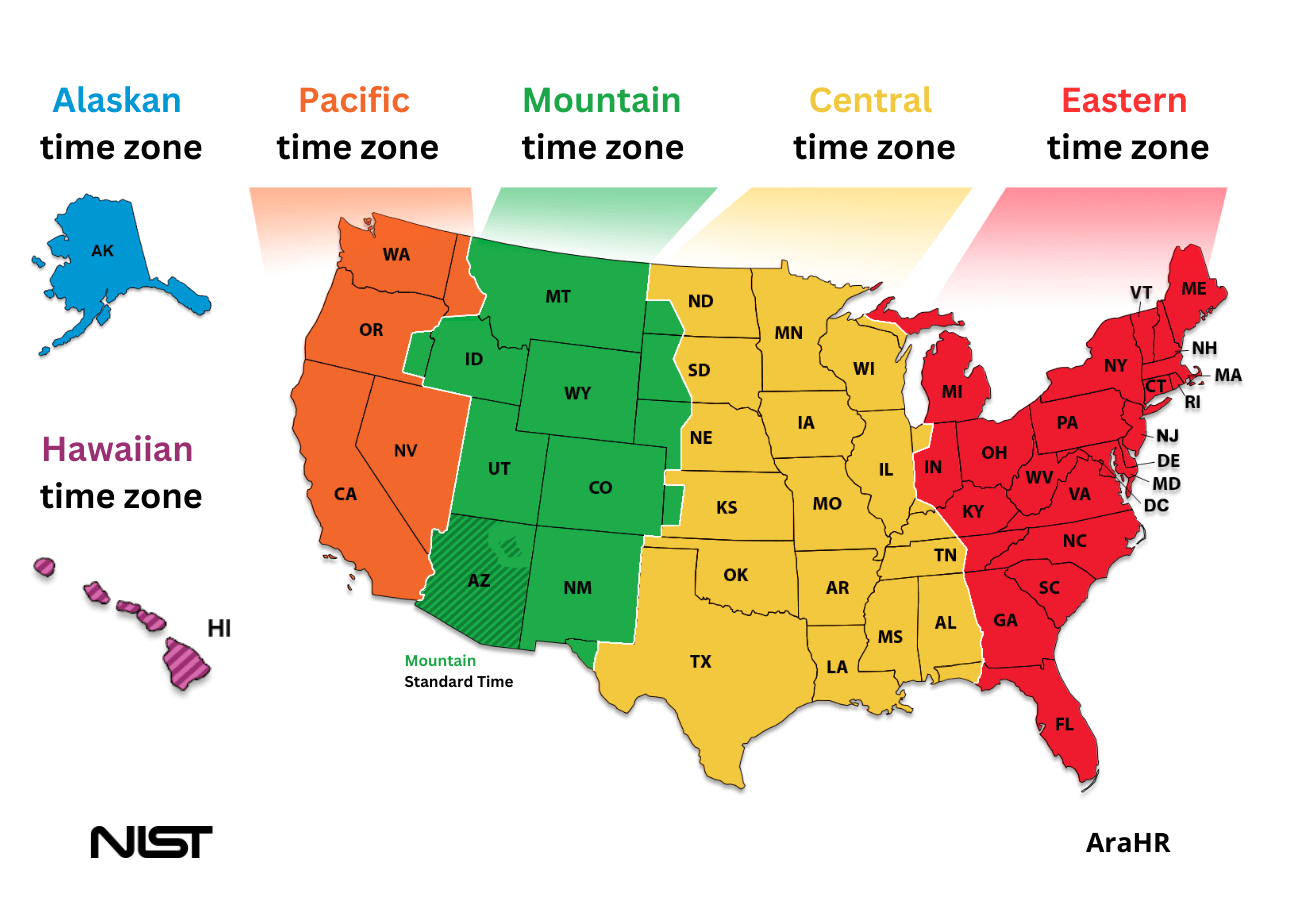
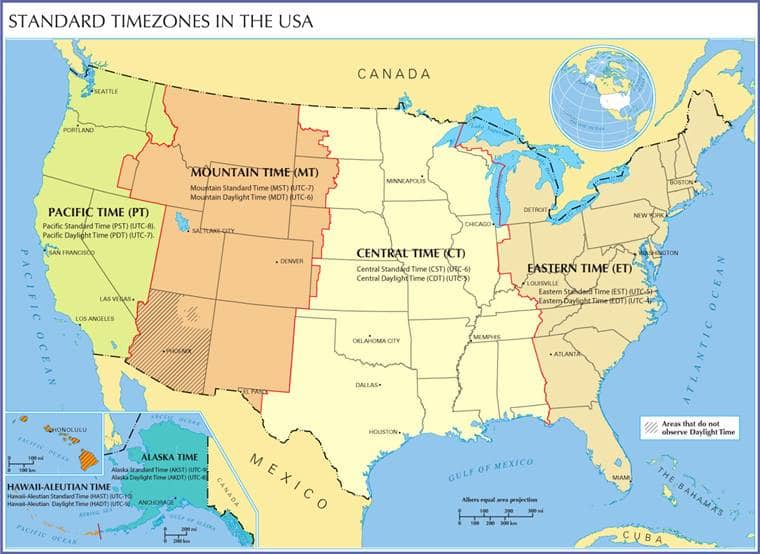
At its core, the question “What is Arizona Time?” is answered by two primary facts: the state observes Mountain Standard Time (MST) year-round, and it largely foregoes the practice of Daylight Saving Time. This seemingly simple arrangement creates a dynamic situation that shifts relative to other states depending on the season.
The Basics: Mountain Standard Time Year-Round
Most of Arizona operates on Mountain Standard Time (MST), which is UTC-7. This means that unlike regions that spring forward and fall back, clocks in Arizona remain constant throughout the year. The decision to opt out of Daylight Saving Time dates back to 1968, driven largely by practical considerations related to the state’s intense summer heat. The primary argument was that moving clocks forward would mean an extra hour of daylight in the evening, extending the already scorching daytime hours further into the evening and increasing energy consumption for air conditioning. For a state where summer temperatures frequently soar well above 100°F (38°C), avoiding an extra hour of afternoon sun made significant practical sense for the daily lifestyle of its residents and for businesses.
This consistent adherence to MST simplifies daily life for Arizonans, removing the biannual ritual of adjusting clocks. However, it introduces an intriguing temporal complexity when interacting with neighboring states or planning cross-country travel.
A Tale of Two Times: Arizona’s Relation to Surrounding States
The consistency of Arizona’s time zone becomes a unique variable when considering its geographical position. Bordering states like California, Nevada, Utah, Colorado, and New Mexico all observe Daylight Saving Time. This creates a seasonal shift in time differences:
- During Spring/Summer (roughly March to November): When other states advance their clocks for DST, Arizona (on MST, UTC-7) effectively aligns with Pacific Daylight Time (PDT, UTC-7). This means that during these months, Phoenix will be the same time as Los Angeles or Las Vegas. Conversely, Arizona will be one hour behind Mountain Daylight Time (MDT, UTC-6), meaning it’s an hour earlier than Denver or Salt Lake City.
- During Fall/Winter (roughly November to March): When other states revert to their standard times, Arizona remains on MST (UTC-7). This puts Arizona one hour ahead of Pacific Standard Time (PST, UTC-8) and the same time as [Mountain Standard Time](https://lifeoutofthebox.com/mountain-standard-time] (MST, UTC-7). So, in winter, Phoenix will be one hour later than Los Angeles and the same time as Denver.
This shifting relationship is the primary source of confusion for visitors and requires careful consideration, especially for those crossing state lines frequently or coordinating schedules with contacts in different regions of the United States.
Navigating Time for Travelers and Tourists
For visitors eager to explore Arizona’s diverse attractions, from its bustling cities to its breathtaking natural landmarks, understanding local time is crucial for seamless travel and tourism experiences.
Planning Your Arizona Adventure: From Phoenix to the Grand Canyon
Arizona boasts an incredible array of destinations. Cities like Phoenix and Tucson offer vibrant urban lifestyles, renowned dining scenes (featuring unique food), and world-class hotels and resorts. Northern Arizona draws visitors with the majestic Grand Canyon, the spiritual vortexes of Sedona, and the cooler climate of Flagstaff. All these areas, along with Saguaro National Park and Petrified Forest National Park, consistently observe MST year-round.
When booking flights, coordinating car rentals, or making hotel reservations in these areas, always confirm the local time. Most modern booking systems and smartphones automatically adjust for time zones, but a manual check can prevent unexpected delays. Imagine arriving for a sunrise tour at the Grand Canyon an hour late because your internal clock was still synced to Daylight Saving Time in your home state! This is particularly relevant for those coming from California or Nevada during summer, as Arizona time will be the same as their local time. In winter, however, Arizona will be an hour ahead, so adjust accordingly for flights landing in Phoenix or Las Vegas and driving into Arizona.
The Critical Navajo Nation Exception: A Tourist’s Guide to Specific Landmarks
The most significant and often perplexing exception to Arizona’s “no Daylight Saving Time” rule is within the borders of the Navajo Nation. This autonomous tribal land, which extends into parts of Arizona, Utah, and New Mexico, does observe Daylight Saving Time.
This means that during the spring and summer months (when DST is in effect elsewhere), while the rest of Arizona is on MST (UTC-7), the Navajo Nation will be on Mountain Daylight Time (MDT, UTC-6). It will be one hour ahead of the non-Navajo parts of Arizona. This is critical for visitors exploring world-famous attractions located within the Navajo Nation, such as:
- Antelope Canyon: Tours here are strictly timed, and arriving an hour late will mean missing your slot.
- Monument Valley: Located entirely within the Navajo Nation (and partly in Utah), all activities and tour times operate on MDT during DST.
- Canyon de Chelly: Similar to Antelope Canyon, tour times will reflect the Navajo observance of DST.
An additional layer of complexity arises with the Hopi Tribe reservation, which is geographically surrounded by the Navajo Nation but does not observe Daylight Saving Time. This creates a unique “time donut” where you can drive through a portion of the Navajo Nation (MDT), enter the Hopi Tribe land (MST), and then re-enter the Navajo Nation (MDT) – all within a relatively short drive!
For travelers whose itineraries include areas like Page, Arizona (which is MST) but plan to take a tour into Antelope Canyon (Navajo Nation, MDT), remember to set your watch forward an hour when you cross the imaginary line. Always confirm tour departure times with operators, explicitly asking if they refer to “Arizona time” or “Navajo Nation time.”
Practical Implications for Bookings and Itineraries
Understanding Arizona time has tangible benefits for planning your travel and accommodation logistics:
- Flight Schedules: When booking flights, especially those with connections in states that observe DST, always confirm the arrival and departure times in local time. Apps and airline websites usually handle this, but manual verification can prevent missed connections or early arrivals at empty gates.
- Hotel Check-ins and Check-outs: Most hotels and resorts in Arizona will operate on MST. Confirming these times, especially if you’re arriving from a DST state, will ensure you don’t miss your check-in window or incur late check-out fees. For apartments or villas booked via platforms, explicit communication with the host about arrival times is essential.
- Tour and Activity Bookings: This is perhaps where the most confusion arises. Always double-check with tour operators – especially for popular attractions like Antelope Canyon, Monument Valley, or other tours departing from areas near the Navajo Nation. Ask if their stated times are “local time” or specifically “Navajo time.”
- Dining Reservations: For fine dining experiences in Phoenix, Scottsdale, or Tucson, ensure you arrive at the correct time to avoid losing your table.
- Meetings and Business Stays: For those on business stays or attending conferences, clearly communicating meeting times with colleagues and clients across different time zones (especially during DST periods) is vital.
Lifestyle and Daily Rhythms: Living with Arizona Time
Beyond travel logistics, Arizona’s unique approach to time shapes the daily lifestyle of its residents and influences various economic and social aspects.
Adapting to the Arizona Lifestyle: Seasonal Shifts
The absence of Daylight Saving Time means longer natural daylight hours in the mornings during summer and earlier sunsets in winter compared to states observing DST. This has a tangible impact on daily routines:
- Summer Mornings: During the scorching summer months, Arizona benefits from earlier sunrises compared to its neighbors on PDT. This encourages people to start their outdoor activities (hiking, golf, swimming) earlier in the day to beat the intense heat, fostering a specific rhythm of life where mornings are precious.
- Winter Evenings: In winter, the sun sets an hour earlier than in Pacific Standard Time states. This means evenings come sooner, aligning more with natural light cycles and perhaps leading to earlier dinners or more evening indoors activities.
This unique rhythm contributes to Arizona’s distinct lifestyle and local culture, subtly influencing everything from school schedules to retail hours. For those considering a long-term stay or relocation, adapting to this consistent but seasonally-relative time zone becomes a part of the local experience.
Economic and Social Impacts
The decision to forgo Daylight Saving Time was largely an economic one, aimed at reducing energy consumption. While the exact savings are debatable, the consistency provides a stable framework for industries:
- Tourism and Hospitality: For hotels, resorts, and attractions across the state, consistent operating hours avoid the complications of biannual adjustments, simplifying staff scheduling and visitor communication. However, the Navajo Nation exception requires these businesses, especially those near its borders, to be extra diligent in advising guests about potential time differences for tours and excursions.
- Agriculture: Farmers benefit from more consistent daylight for their planting and harvesting schedules without the disruption of a clock change.
- Cross-State Business: While residents adapt, businesses operating across state lines, particularly with California or Nevada, must remain vigilant about the seasonal time difference. Virtual meetings, delivery schedules, and supply chains all need to factor in whether Arizona is one hour ahead, behind, or the same as their counterparts.
Accommodation and Logistics: What Hoteliers and Residents Need to Know
For those in the accommodation sector, from independent hotels and suites to vacation rental villas and apartments, understanding and communicating Arizona time is paramount. Providing clear information to guests, especially those arriving from DST-observing regions or planning excursions into the Navajo Nation, can greatly enhance their experience.
Many hotels will often have clocks displaying multiple time zones (e.g., local Arizona time, Pacific Time, Mountain Time) in their lobbies. Digital booking platforms and property management systems usually handle time zone conversions automatically, but a human touch in clarifying this unique aspect of Arizona can make a significant positive impression on guests, improving reviews and satisfaction.
Tips for a Seamless Arizona Experience
Navigating Arizona time doesn’t have to be a source of stress. With a few proactive measures, you can ensure your travel or stay in the state is seamless and enjoyable, whether you’re embarking on luxury travel or sticking to a budget travel plan.
Essential Tools and Resources
- Smartphones and GPS Devices: Most modern smartphones automatically adjust to local time zones using cellular or Wi-Fi networks. Ensure your phone’s automatic time zone setting is enabled. GPS devices in rental cars will also typically display local time correctly.
- Online Time Converters: Before your trip, use reliable online time zone converters (e.g., World Clock, Time and Date) to visualize the difference between your home time and Arizona time, particularly during the DST period.
- Watch for Signs: When driving near the Navajo Nation borders, keep an eye out for signs indicating a time zone change. They are usually placed to alert drivers.
Common Pitfalls to Avoid
- Assuming Consistency: Never assume that the time difference you experience in winter will be the same in summer, especially when communicating with people outside Arizona.
- Ignoring the Navajo Nation: This is the biggest trap for tourists. Always confirm tour times for Antelope Canyon, Monument Valley, and other Navajo-operated activities with explicit reference to “Navajo Time.” A missed tour due to a time zone miscalculation is a common, and easily avoidable, disappointment.
- Relying Solely on Verbal Cues: When arranging pick-ups, meetings, or bookings with individuals, always confirm the time zone, e.g., “Is that 9 AM Arizona time?” or “9 AM Mountain Standard Time (MST)?”
- Forgetting Return Travel: When flying out of Arizona during DST, remember that your destination airport might be on Daylight Saving Time, meaning your effective arrival time could be an hour earlier or later than you might instinctively expect relative to Arizona’s static clock.
In conclusion, “What is Arizona Time?” is more than just a simple question; it’s a gateway to understanding a unique aspect of life and travel in the Grand Canyon State. By familiarizing yourself with Arizona’s year-round observance of Mountain Standard Time and the critical exception of the Navajo Nation, you can confidently plan your itineraries, book your accommodation, and fully immerse yourself in the natural beauty, rich history, and vibrant lifestyle that Arizona offers. Enjoy your perfectly timed Arizona adventure!
LifeOutOfTheBox is a participant in the Amazon Services LLC Associates Program, an affiliate advertising program designed to provide a means for sites to earn advertising fees by advertising and linking to Amazon.com. Amazon, the Amazon logo, AmazonSupply, and the AmazonSupply logo are trademarks of Amazon.com, Inc. or its affiliates. As an Amazon Associate we earn affiliate commissions from qualifying purchases.