
For many travelers, the allure of Florida’s sun-drenched beaches, vibrant cities, and world-class attractions is undeniable. From the enchanting theme parks of Orlando to the historic streets of St. Augustine and the bustling nightlife of Miami, the Sunshine State offers an unparalleled array of experiences. However, as with any travel destination, personal safety is a paramount concern for visitors, whether they’re exploring solo, on a romantic getaway, or with their family. In an effort to feel secure and prepared for unforeseen circumstances, many individuals consider carrying a non-lethal self-defense tool like pepper spray. This often leads to a crucial question: “Is pepper spray legal in Florida?” Understanding the specific laws and regulations regarding pepper spray in Florida is essential for any responsible traveler, ensuring peace of mind without inadvertently breaking the law.
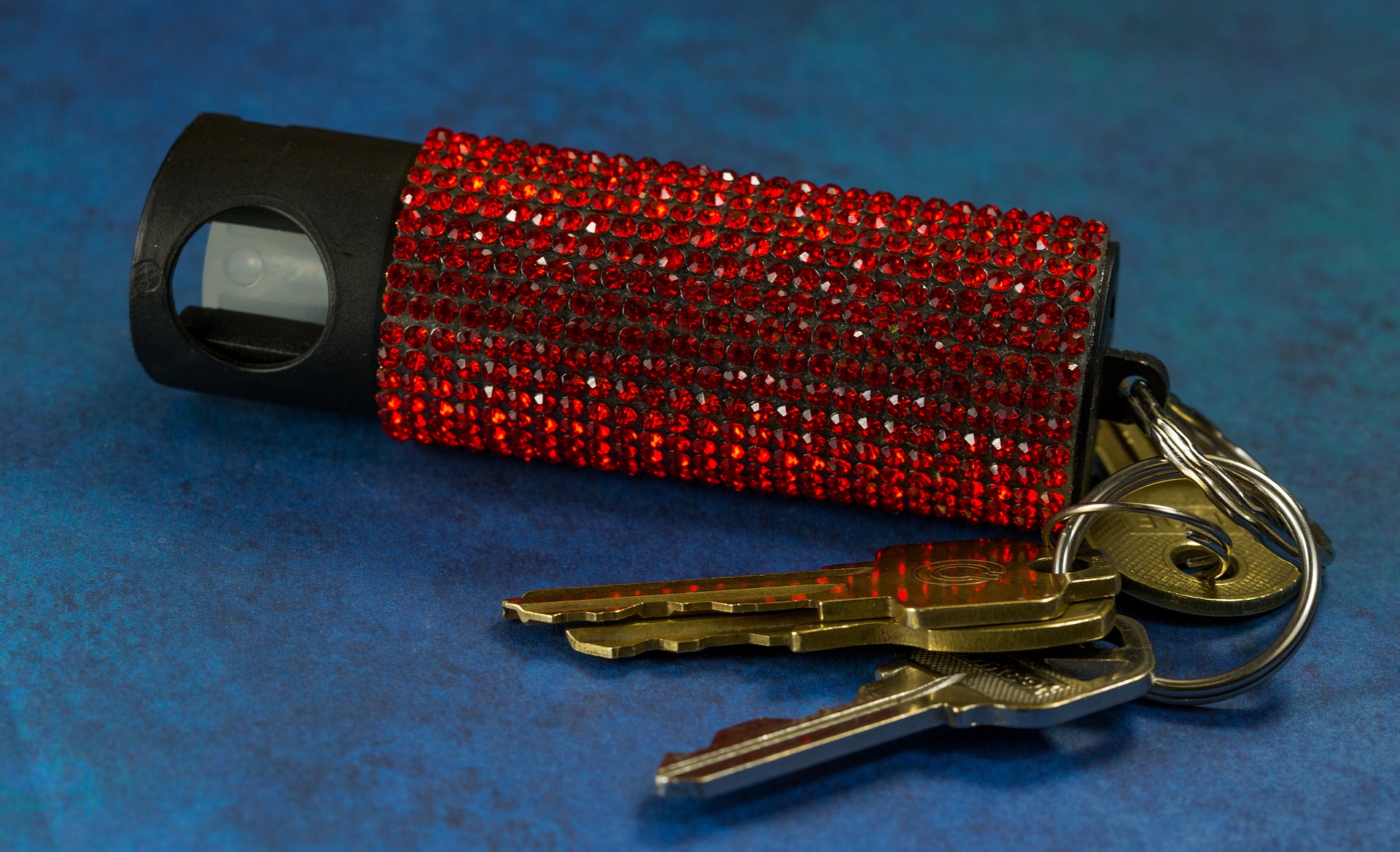
The short answer is yes, pepper spray is generally legal for self-defense purposes in Florida, but with specific restrictions and conditions that every visitor should be aware of. These regulations cover everything from the type and size of the container to where it can be carried and under what circumstances it can be used. Navigating these nuances is key to staying compliant with local laws while prioritizing your safety as you immerse yourself in all that Florida has to offer. This comprehensive guide aims to demystify Florida’s pepper spray laws, offering practical advice for travelers looking to enhance their personal security responsibly.
Understanding Florida’s Self-Defense Laws and Pepper Spray
Florida has a reputation for its robust self-defense laws, including the well-known “Stand Your Ground” statute. While these laws primarily relate to the use of deadly force, they also provide a framework for understanding the legal use of non-lethal tools like pepper spray. For travelers, understanding the specifics of these laws in relation to a personal safety device is crucial for a worry-free vacation.
The Legal Framework: What You Need to Know
In Florida, the possession and use of pepper spray, often referred to as a “self-defense spray” or “chemical weapon,” are regulated by state statutes. The good news for responsible adults is that it is indeed legal to carry pepper spray for personal protection. The law permits the carrying of chemical weapons, including those containing OC (Oleoresin Capsicum, derived from chili peppers) or CS (Chloroacetophenone, a type of tear gas), provided they are used solely for self-defense. This means that if you are faced with an imminent threat of bodily harm, you are legally permitted to use pepper spray to defend yourself or others.
However, this legality comes with strict conditions. First and foremost, the individual carrying the pepper spray must be at least 18 years of age. Minors are not permitted to possess or use these devices. Furthermore, individuals with felony convictions are generally prohibited from possessing any type of weapon, including pepper spray, making it critical for anyone with such a record to avoid carrying one. The intention behind carrying the spray is also important: it must be for lawful self-defense and not for any aggressive or offensive purpose. Travel plans often involve exploring unfamiliar areas, sometimes alone or late at night, and having a legal self-defense option can significantly contribute to a traveler’s sense of security, allowing them to fully enjoy experiences like a romantic dinner cruise in Miami or a stroll along the beaches of Key West.
Quantity and Container Restrictions for Travelers
Beyond the type of chemical agent and who can carry it, Florida law also specifies restrictions on the size of the pepper spray container. According to Florida Statutes, the lawful carrying of “self-defense chemical sprays” is limited to a container size of no more than two ounces (approximately 60 milliliters). This restriction is important for travelers, as it dictates the specific products that can be legally carried. Many commercially available pepper sprays are designed to comply with this size limit, often coming in compact, keychain-friendly canisters.
For those planning to fly into Florida, these size restrictions intersect with federal air travel regulations. The Transportation Security Administration (TSA) has its own rules regarding pepper spray, which are even more stringent than Florida’s state laws. While one container of pepper spray (not exceeding 4 fl. oz. or 118 ml) is permitted in checked baggage, it must be equipped with a safety mechanism to prevent accidental discharge. Crucially, pepper spray is never allowed in carry-on baggage. This means that if you’re flying to destinations like Orlando via Orlando International Airport or to Miami through Miami International Airport, you must pack your pepper spray correctly, or consider purchasing a compliant product upon arrival in Florida. Ignoring these rules can lead to confiscation and potential delays, detracting from the start of your much-anticipated vacation.
Where Can You Carry Pepper Spray in Florida? Navigating Public Spaces
Understanding the legality of pepper spray is only half the battle; knowing where you can and cannot carry it is equally vital, particularly when traveling and exploring various attractions. Florida’s statutes, while permitting pepper spray for self-defense in many public areas, also designate several “no-go” zones.
Restricted Zones: Places Where Pepper Spray Is Prohibited
To ensure a smooth and legal trip, travelers must be aware of specific locations where carrying pepper spray is strictly prohibited, regardless of its legality elsewhere. These restrictions are in place to maintain security and order in sensitive environments. Key restricted locations include:
- Educational Institutions: Carrying pepper spray is unlawful on the premises of any Florida K-12 schools, colleges, or universities. This means if your itinerary includes visiting university campuses, perhaps to explore historical architecture or attend an event, your pepper spray must be left securely elsewhere.
- Government Buildings and Facilities: This category broadly includes places like the Florida State Capitol, courthouses, and other administrative offices. If your travel plans involve any official business or tours of government structures, be sure to leave your pepper spray behind.
- Correctional Facilities: Naturally, bringing pepper spray into Florida prisons or jails is strictly forbidden.
- Polling Places: During active election periods, carrying pepper spray into polling places is also restricted.
- Airports: As previously mentioned, pepper spray is prohibited in airport carry-on baggage and sterile areas. While it can be in checked luggage under specific conditions, it’s best to confirm TSA guidelines before arriving at Orlando International Airport or Miami International Airport.
These restrictions are not exhaustive, and travelers should exercise caution and discretion, particularly when entering places with heightened security, such as large event venues or private establishments that may have their own rules. The goal is always to enjoy Florida’s diverse offerings—from the serene beaches to the bustling amusement parks—without encountering legal issues due to an oversight.
Legal Carrying for Personal Protection
Outside of these restricted zones, pepper spray can be legally carried by eligible individuals for self-defense. This covers a vast majority of public spaces and tourist attractions that draw millions to Florida annually. Imagine strolling through the vibrant art deco district of Miami Beach, exploring the magical realms of Walt Disney World Resort, or enjoying an evening out in South Beach. In these and countless other public environments, having a compliant pepper spray within reach can provide an additional layer of personal security.
For solo travelers, especially women, the ability to carry a non-lethal defense tool offers immense reassurance when navigating unfamiliar streets or returning to their Hyatt Regency Grand Cypress after dark. Even for families, while younger members cannot carry it, the responsible adult having a self-defense spray can contribute to the overall feeling of safety, particularly in crowded areas or during late-night excursions. The key is discreet, legal, and responsible possession, focusing on situational awareness and using the spray only as a last resort in a genuine self-defense scenario.
Justifiable Use and Avoiding Misuse: A Traveler’s Guide
Possessing pepper spray legally in Florida is one thing; knowing when and how to use it justifiably, and critically, how to avoid misusing it, is another. For travelers, understanding these principles is paramount to ensuring their safety measures don’t inadvertently lead to legal trouble.
Understanding Self-Defense Principles
In Florida, the use of force, including non-lethal force like pepper spray, is permissible when an individual reasonably believes that such force is necessary to defend themselves or another person from the imminent use of unlawful force. This is often referred to as “reasonable force.” The critical word here is “reasonable.” You cannot use pepper spray simply because you feel uncomfortable or insulted. There must be a credible and immediate threat of bodily harm.
For example, if you’re walking back to your accommodation at The Breakers Palm Beach and someone aggressively attempts to rob you, or physically assaults you, using pepper spray to create distance and escape would likely be considered justifiable self-defense. However, using it in an argument or to retaliate after an incident has passed would not be justifiable and could lead to serious legal consequences. The intent of pepper spray is to deter an attacker and facilitate escape, not to incapacitate them indefinitely or inflict undue harm. Always remember that the goal is de-escalation and personal safety, not confrontation.
Consequences of Misuse and Alternatives
The misuse of pepper spray, intentionally or accidentally, can lead to severe legal ramifications. Deploying pepper spray without a justifiable self-defense reason could result in charges ranging from assault and battery to even more serious offenses, depending on the circumstances and the harm caused. Imagine a traveler accidentally deploying pepper spray in a crowded theme park, causing panic and injury—the legal and financial repercussions could be substantial, turning a dream vacation into a nightmare.
Therefore, pepper spray should always be considered a last resort. Before even thinking about using it, travelers should prioritize other safety strategies:
- Situational Awareness: Always be aware of your surroundings, especially in unfamiliar areas. Pay attention to people, exits, and potential threats.
- Trust Your Instincts: If a situation feels wrong, it probably is. Remove yourself from potentially dangerous situations before they escalate.
- Travel in Groups: When possible, especially at night or in less-traveled areas, explore with companions.
- Choose Reputable Accommodations: Staying at well-regarded hotels, resorts, or reputable vacation rentals in safe neighborhoods can significantly reduce risks.
- Secure Belongings: Keep valuables out of sight and secure. Avoid flashy displays of wealth.
- Know Emergency Contacts: Have local emergency numbers, hotel contact information, and your country’s embassy or consulate details readily accessible.
By integrating pepper spray into a broader personal safety strategy, travelers can confidently enjoy Florida’s vibrant lifestyle, knowing they are prepared but hoping they never have to use it.
Pepper Spray vs. Other Self-Defense Tools in Florida
While pepper spray offers a balance of accessibility and effectiveness for self-defense, it’s helpful for travelers to understand where it fits in the spectrum of personal safety tools legally permitted in Florida.
Comparing with Stun Guns and Firearms
Florida law also permits the carrying of stun guns and Tasers for self-defense, with similar age restrictions (18+) and prohibitions for convicted felons. Like pepper spray, they are intended for non-lethal self-defense to incapacitate an attacker temporarily. However, stun guns typically require closer physical contact than pepper spray, which can be deployed from a safer distance. For travelers, the compact nature of many pepper spray canisters, along with their easier portability and generally lower price point, often makes them a preferred choice over stun guns, especially for those who prefer to maintain maximum distance from a threat.
Firearms represent a much more complex and heavily regulated category of self-defense. While Florida is a “shall-issue” state for concealed carry permits, obtaining such a permit requires specific residency, training, and a rigorous application process that is impractical for most tourists. Even with a permit, carrying firearms comes with a higher degree of responsibility, stricter legal obligations, and significantly more restrictions on where they can be carried (e.g., almost all government buildings, schools, and bars are off-limits). For the average traveler seeking a simple, non-lethal means of personal protection, pepper spray is an infinitely more practical, less legally complicated, and widely accepted option compared to a firearm. It offers a level of deterrence and self-defense capability without the lethal intent or extensive legal hurdles associated with handguns.
General Travel Safety Tips Beyond Sprays
Relying solely on a self-defense tool, no matter how effective, is never a complete safety strategy. Comprehensive travel safety involves a multi-faceted approach, blending preparedness with common sense and awareness.
- Research Your Destinations: Before heading to areas like Key West’s Mallory Square for sunset or exploring the historic sites of St. Augustine, read up on local advisories, common tourist scams, or areas that might be less safe after dark. Knowledge is a powerful safety tool.
- Inform Others of Your Itinerary: Share your travel plans, including hotel bookings and daily activities, with a trusted friend or family member back home. Use apps that allow for location sharing, especially if you’re traveling solo.
- Protect Your Valuables: Utilize hotel safes for passports, extra cash, and important documents. When out and about, carry only what you need and be mindful of pickpockets, especially in crowded tourist areas like Walt Disney World Resort or Universal Studios Orlando.
- Stay Connected: Keep your phone charged and have a portable charger handy. Ensure you have international roaming or a local SIM card so you can make calls in emergencies.
- Use Reputable Transportation: Opt for well-known ride-sharing services, licensed taxis, or hotel-arranged transport. Avoid accepting rides from strangers.
- Be Mindful of Alcohol Consumption: Excessive alcohol can impair judgment and make you a more vulnerable target. Enjoy Florida’s nightlife responsibly.
By integrating these broad safety tips with the specific knowledge of Florida’s pepper spray laws, travelers can significantly enhance their personal security and fully enjoy their Florida experience, from relaxing on pristine beaches to discovering vibrant local cultures and indulging in unforgettable attractions.
Essential Considerations for Travelers Carrying Pepper Spray
For those who decide that carrying pepper spray aligns with their personal safety strategy while exploring Florida, a few final considerations are crucial to ensure it truly enhances security without causing undue stress or legal complications.
Before You Travel: Purchase and Training
The effectiveness of pepper spray as a self-defense tool is directly tied to its quality and your ability to use it properly under stress.
- Purchase from Reputable Sources: Avoid generic or questionable brands. Buy pepper spray from established retailers or online stores that specialize in personal safety products. Ensure the product clearly states it is compliant with Florida’s 2-ounce (60 ml) limit and has a safety mechanism to prevent accidental discharge.
- Understand How to Use It Safely: Simply having pepper spray isn’t enough; you must know how to deploy it effectively. Many manufacturers offer inert training sprays that mimic the real product without the active chemicals. Practice drawing, aiming, and firing this training canister. Understand the spray pattern (stream vs. fog) and its effective range. This practice can be invaluable in a real-world high-stress situation, turning potential fumbling into decisive action.
- Check Expiration Dates: Pepper spray, like many chemical products, has an expiration date. Its potency can diminish over time. Always check the date on your canister and replace it if it’s expired to ensure maximum effectiveness.
- Learn About the Effects: Familiarize yourself with what pepper spray does to an attacker. It causes temporary incapacitation, intense burning in the eyes, skin, and respiratory system, and involuntary eye closure. This knowledge helps you understand its purpose – to create an opportunity to escape – and manage expectations.

Air Travel and Interstate Regulations
As touched upon earlier, flying with pepper spray requires strict adherence to TSA regulations, which are separate from state laws.
- Checked Baggage Only: Pepper spray (up to 4 fl. oz. or 118 ml, with a safety mechanism) is only allowed in checked luggage. It is absolutely prohibited in carry-on bags or on your person in the aircraft cabin.
- Interstate Variations: Remember that self-defense laws, including those concerning pepper spray, vary significantly from state to state. What is legal in Florida may not be legal in Georgia, Alabama, or your home state. If your trip involves driving across state lines, it is prudent to quickly research the laws of any states you will pass through to avoid complications. For international travelers, be aware that many countries have much stricter laws, often prohibiting pepper spray entirely. It is vital to check the laws of your home country before returning with pepper spray.
In conclusion, the question “Is pepper spray legal in Florida?” can be confidently answered with a conditional yes. For responsible adults aged 18 and over, without felony convictions, carrying a 2-ounce (60 ml) container of OC or CS pepper spray is permissible for self-defense in most public areas. However, adherence to strict size limits, understanding prohibited zones (like schools and airports), and a firm grasp of justifiable use are non-negotiable. By arming yourself with this knowledge, coupled with general travel safety practices, you can enjoy all the vibrant experiences and natural beauty that Florida has to offer, confident in your personal safety and compliance with the law. Traveling is about creating lasting memories, and knowing you’ve taken proactive steps for your security allows you to fully immerse yourself in the journey.
LifeOutOfTheBox is a participant in the Amazon Services LLC Associates Program, an affiliate advertising program designed to provide a means for sites to earn advertising fees by advertising and linking to Amazon.com. Amazon, the Amazon logo, AmazonSupply, and the AmazonSupply logo are trademarks of Amazon.com, Inc. or its affiliates. As an Amazon Associate we earn affiliate commissions from qualifying purchases.