
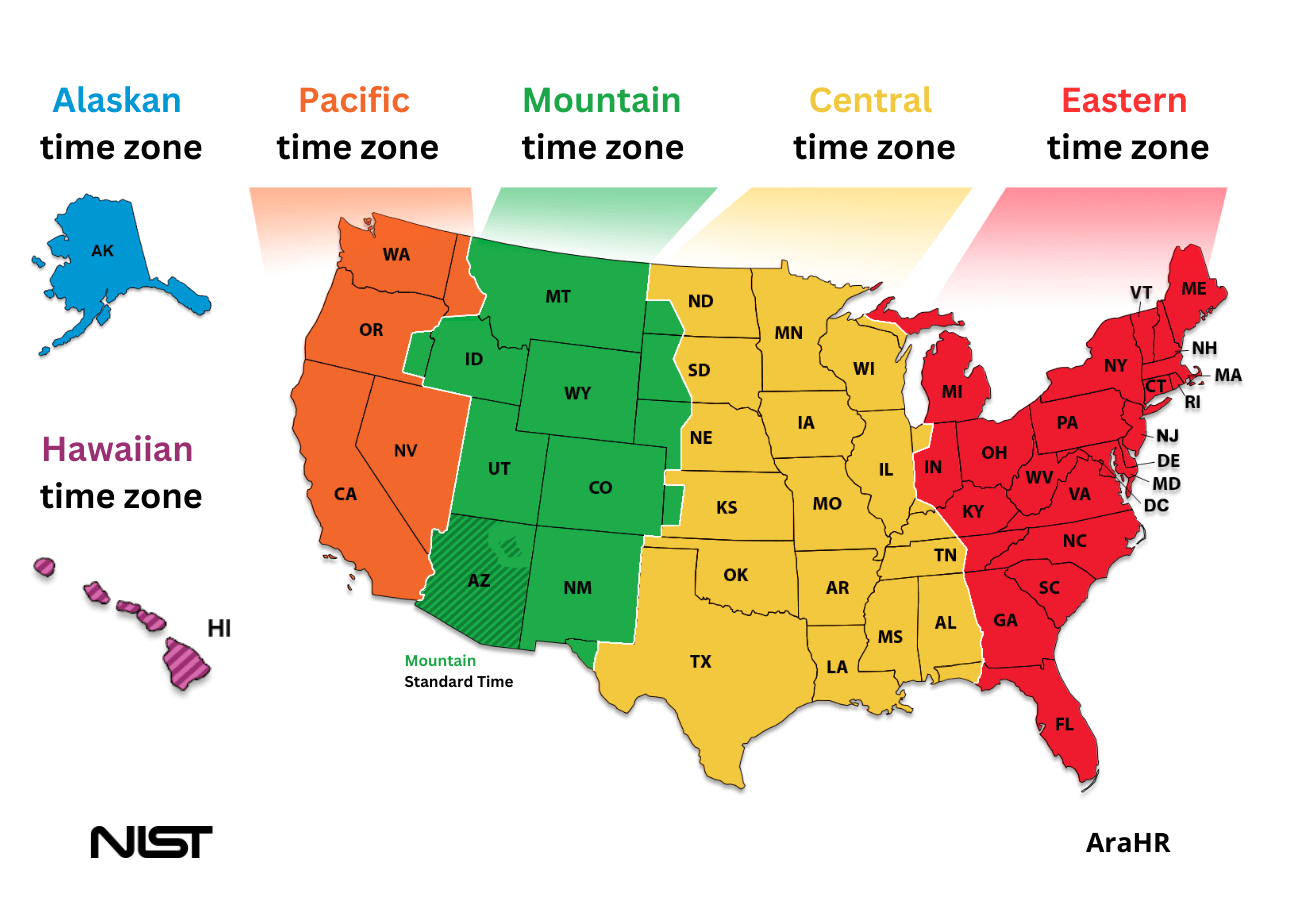
Phoenix, the vibrant capital of Arizona, often referred to as the “Valley of the Sun,” holds a unique distinction when it comes to timekeeping. Unlike most of the United States, Phoenix and the vast majority of Arizona do not observe Daylight Saving Time (DST). This means that for roughly half of the year, its time zone shifts relative to other states that do adjust their clocks. Understanding this peculiarity is crucial for anyone planning to visit, conduct business, or simply connect with friends and family in this bustling Southwestern metropolis.
For most of the year, from early November to mid-March, Phoenix operates on Mountain Standard Time (MST), which is UTC-7. During this period, its time aligns with other Mountain Time Zone states. However, when the rest of the United States “springs forward” for Daylight Saving Time in March, Phoenix does not change its clocks. Consequently, from mid-March to early November, Phoenix remains on MST (UTC-7) while its neighboring states shift to Mountain Daylight Time (MDT), which is UTC-6. This effectively means that during these warmer months, Phoenix observes the same time as the Pacific Time Zone (PDT) states like California or Nevada.

This distinctive approach to time has significant implications for travel, accommodation bookings, scheduling tourism activities, and daily life in Phoenix. Whether you’re planning a luxurious resort stay, an adventure to explore Arizona’s natural landmarks, or simply a family trip, being aware of this time zone nuance will ensure a smoother, more enjoyable experience.
Understanding Mountain Standard Time (MST) in Phoenix
At its core, Phoenix is geographically located within the region typically designated as the Mountain Time Zone. The standard offset for this zone is UTC-7. Most states in the Mountain Time Zone observe Daylight Saving Time, advancing their clocks by one hour in spring and reverting in fall. However, Arizona’s decision not to participate in this biannual clock change sets Phoenix apart.
This means that for roughly five months of the year, when most of the United States is observing Daylight Saving Time, Phoenix operates an hour behind its usual Mountain Time Zone counterparts like Denver or Salt Lake City. Instead, it aligns with what would be Pacific Daylight Time (PDT). This unique situation requires a bit of mental recalibration, especially for first-time visitors or those accustomed to standard time zone shifts.
The Uniqueness of Arizona’s DST Exemption
The primary reason for Arizona’s non-observance of Daylight Saving Time boils down to its intense summer heat and the lifestyle it dictates. The logic is simple: in a state where summer temperatures frequently soar past 100°F (38°C), the last thing residents want is an extra hour of daylight in the evening. Shifting the clocks forward would mean sunset occurs even later, prolonging the hottest part of the day and increasing energy consumption as air conditioners would need to run longer.
By sticking to Mountain Standard Time year-round, Arizona effectively keeps earlier sunsets during the summer months. This allows for outdoor activities to begin and end earlier, before the most scorching heat sets in, and helps to reduce the strain on the power grid. For a state deeply integrated with its desert environment, this decision is a practical adaptation to local climate conditions, significantly influencing local culture and daily routines.
Historical Context: Why Arizona Opted Out
Arizona’s exemption from Daylight Saving Time is not a new phenomenon; it dates back decades. While the Standard Time Act of 1918 first introduced national time zones and Daylight Saving Time to the United States, it was the Uniform Time Act of 1966 that solidified the current structure. This act mandated DST observance nationwide but included provisions for states to opt out. Arizona, citing the aforementioned reasons related to extreme heat and energy conservation, chose to exercise this option in 1968.
Interestingly, there’s one exception within Arizona: the Navajo Nation, which spans parts of northeastern Arizona, New Mexico, and Utah, does observe Daylight Saving Time. This means that for part of the year, if you cross into the Navajo Nation from other parts of Arizona, you must adjust your clock by an hour. This unique situation is primarily for consistency with the other states where the Navajo Nation extends, facilitating unified tribal administration and communication. For most travelers exploring the vast landscapes of Arizona, however, the rule of no DST generally applies.
Navigating Time Zones as a Traveler to Phoenix
For travelers, the time zone quirk of Phoenix can be a source of confusion if not anticipated. However, with a little preparation, it’s easily managed and can even add a unique charm to your Arizona experience. Thinking ahead about how this affects your itinerary will save you from missed flights, late check-ins, or overlooked tour times.
Planning Your Arrival and Departure
When booking flights to Phoenix Sky Harbor International Airport, always remember to confirm the local time. If you’re arriving during the summer months from a state observing Daylight Saving Time (e.g., California or Texas), your phone or smart device will likely automatically adjust, but it’s good to be aware. For instance, if you’re flying from New York (Eastern Daylight Time, EDT, UTC-4) during summer, Phoenix (MST, UTC-7) will be three hours behind, not two, as it would be during winter. From Los Angeles (Pacific Daylight Time, PDT, UTC-7), Phoenix will be on the same time.
Hotel check-in and check-out times, especially for popular destinations like Scottsdale or Tempe, are always based on local Phoenix time. When making reservations, particularly online or via phone from a different time zone, double-check that you’re converting correctly. This small step can prevent arriving too early for a check-in or missing a late check-out extension. Many luxury resorts and boutique hotels in the Phoenix area, such as the Arizona Biltmore, A Waldorf Astoria Resort or The Phoenician, a Luxury Collection Resort, Scottsdale, operate with precision, and understanding the local time ensures a seamless accommodation experience.
Synchronizing Activities and Tours
The time zone difference also plays a significant role in planning your daily activities and tours. Whether you’re booking a hot air balloon ride over the Sonoran Desert, a hiking excursion up Camelback Mountain, or a reservation at a renowned restaurant in Old Town Scottsdale, all timings will be local Phoenix time.
During the spring and summer, when Phoenix effectively matches Pacific Daylight Time, early morning tours might feel an hour later if you’re mentally adjusting from a Mountain Daylight Time perspective. Conversely, evening events or dinner reservations will occur when it’s still an hour earlier for friends or colleagues in, say, Colorado or New Mexico. This can be particularly relevant for business travelers coordinating meetings or for families trying to align schedules. Always confirm tour start times, museum opening hours for places like the Heard Museum or Musical Instrument Museum, and restaurant bookings with the local establishment. Most online booking systems will automatically display times in the local time zone once you select Phoenix as your destination, but a quick mental check is always a good practice.
Phoenix: A Gateway to Arizona’s Diverse Experiences
Beyond its unique time zone, Phoenix stands as a major hub for travel and tourism, offering an enticing blend of urban sophistication and natural desert beauty. Its consistent sunshine, stunning landscapes, and rich cultural tapestry make it a premier destination for various lifestyles, from luxury travelers seeking opulent resorts to budget-conscious adventurers exploring the great outdoors.
The city’s strategic location also makes it an excellent base for exploring other iconic Arizona landmarks. A drive north could lead you to the breathtaking Grand Canyon, while a trip south takes you to the charming city of Tucson. Understanding Phoenix’s time zone helps in planning these day trips or multi-day excursions, ensuring you maximize your exploration time without unexpected delays.
Embracing the Lifestyle and Local Culture
The “no Daylight Saving Time” rule is more than just a logistical detail; it’s woven into the fabric of the Phoenix lifestyle. Residents often enjoy the predictability of the time year-round, which contributes to a more relaxed pace of life, particularly during the hot summer months. Early mornings are prized for outdoor activities – hiking in Papago Park, jogging around South Mountain Park and Preserve, or golfing on one of the countless world-class courses.
The local culture embraces this rhythm. Dining experiences, from casual eateries to fine dining establishments, are often designed to allow patrons to enjoy the cooler evenings, whether that means an earlier sunset for dinner or enjoying late-night events that align with a “slower” clock. For those considering a long-term stay or simply immersing themselves in the local vibe, understanding this aspect of Phoenix’s unique approach to time is key to truly living like a local.

Top Attractions and Accommodations in the Valley of the Sun
Phoenix and its surrounding cities like Scottsdale, Tempe, and Mesa boast an impressive array of attractions and accommodation options that cater to every taste and budget.
Landmarks & Attractions:
- The Desert Botanical Garden: Home to thousands of species of cactus, trees, and flowers from deserts around the world.
- Frank Lloyd Wright’s Taliesin West: The architect’s winter home and architectural school, a UNESCO World Heritage Site.
- Camelback Mountain: A popular hiking destination offering panoramic views of the city.
- Old Town Scottsdale: Known for its Western-themed shops, art galleries, and vibrant nightlife.
- Heard Museum: Dedicated to the advancement of American Indian art and culture.
- Musical Instrument Museum: Showcasing musical instruments and artifacts from around the globe.
Hotels & Accommodations:
The Valley of the Sun is synonymous with luxurious resorts and spa experiences, perfect for a relaxing getaway or a business stay.
- The Phoenician, a Luxury Collection Resort, Scottsdale: Known for its opulent amenities, world-class golf course, and stunning views.
- Arizona Biltmore, A Waldorf Astoria Resort: A historic landmark designed by Albert Chase McArthur in the style of Frank Lloyd Wright.
- JW Marriott Phoenix Desert Ridge Resort & Spa: Offering extensive pools, golf, and dining options amidst a beautiful desert landscape.
- Westin Kierland Resort & Spa: A family-friendly resort in Scottsdale with a flowrider, golf, and diverse dining.
- Hyatt Regency Scottsdale Resort & Spa at Gainey Ranch: Features a 2.5-acre water park and a highly-rated spa.
For those seeking more budget-friendly options, or longer stays, Phoenix and its surrounding areas also offer a wide selection of apartments, villas, and standard hotels. The key, regardless of your chosen accommodation, is to confirm booking details and check-in/check-out times, keeping the local Mountain Standard Time firmly in mind.
In conclusion, while the question “What is the time zone for Phoenix, Arizona?” might seem straightforward, its answer reveals a fascinating adaptation to climate and a unique aspect of life in the Grand Canyon State. Phoenix operates on Mountain Standard Time (UTC-7) year-round, never observing Daylight Saving Time. This means that for half the year, it’s aligned with the Pacific Time Zone, while for the other half, it’s with the conventional Mountain Time Zone. By understanding this distinctive characteristic, travelers can seamlessly plan their visits, making the most of Phoenix’s warm hospitality, stunning landscapes, and diverse attractions without missing a beat—or a crucial appointment.
LifeOutOfTheBox is a participant in the Amazon Services LLC Associates Program, an affiliate advertising program designed to provide a means for sites to earn advertising fees by advertising and linking to Amazon.com. Amazon, the Amazon logo, AmazonSupply, and the AmazonSupply logo are trademarks of Amazon.com, Inc. or its affiliates. As an Amazon Associate we earn affiliate commissions from qualifying purchases.