
For travelers planning a vibrant getaway or a crucial business trip to the Valley of the Sun, one seemingly small detail often sparks confusion: the local time. Understanding the timezone in Phoenix, Arizona, is not just about setting your watch; it’s a critical element for seamless travel planning, from booking flights and coordinating hotel check-ins to scheduling exciting tours and business meetings. Unlike most other states in the continental United States, Arizona observes a unique time convention that sets it apart, profoundly influencing the rhythm of daily life and the experience of its visitors.

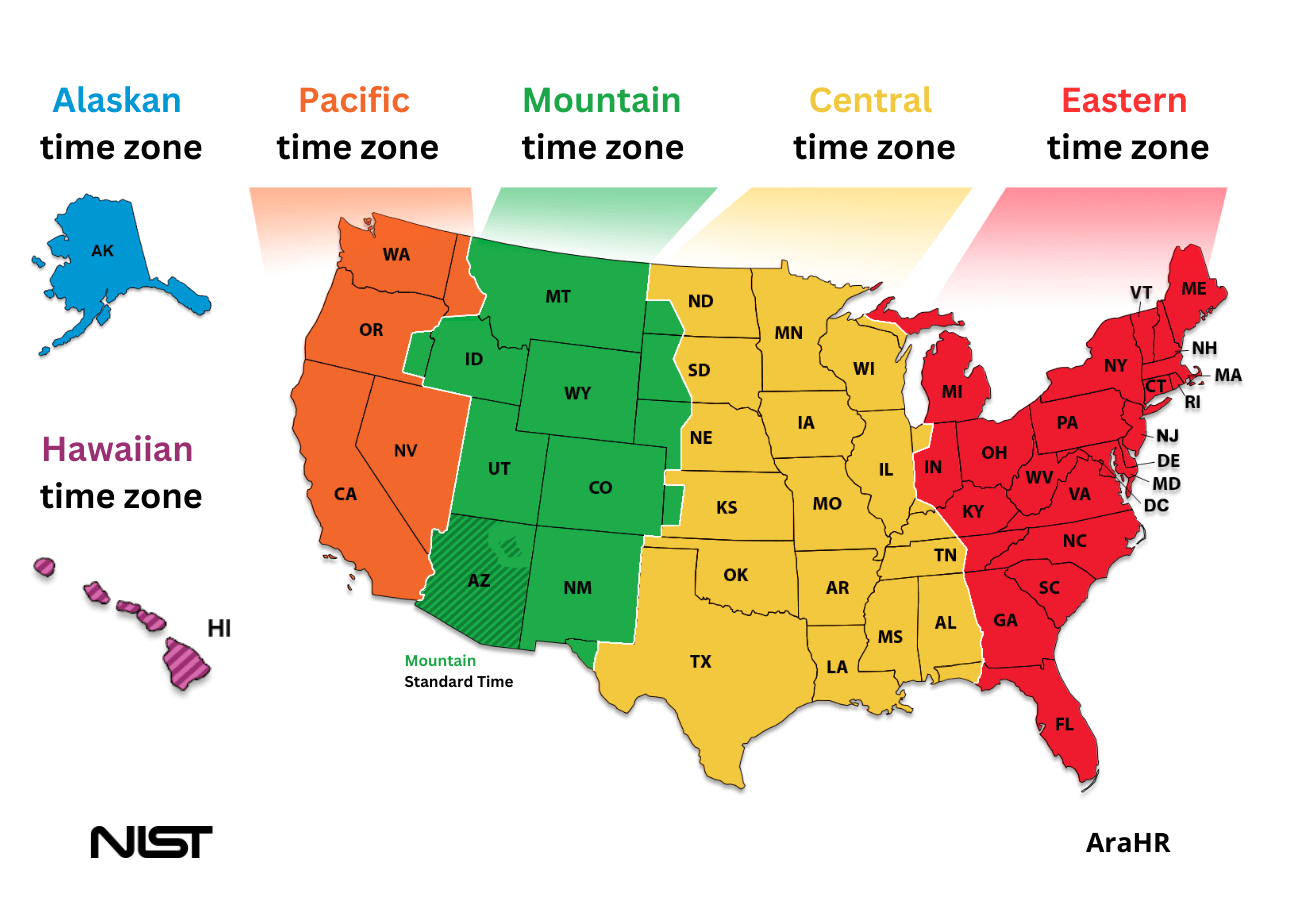
The definitive answer is that Phoenix, and indeed most of Arizona, operates on Mountain Standard Time (MST) year-round. What makes this distinctive is that Arizona does not observe Daylight Saving Time (DST). This means that while other states adjust their clocks forward an hour in spring and back an hour in autumn, Phoenix and its surrounding areas consistently adhere to MST. This peculiar characteristic has fascinating implications for travelers, affecting everything from flight arrival times to the optimal hours for exploring Arizona’s breathtaking natural wonders and bustling urban centers. Whether you’re planning to hike Camelback Mountain at sunrise, enjoy an evening at a luxurious resort, or simply coordinate a video call with colleagues across the country, knowing this temporal quirk is key to a smooth and enjoyable experience.
Understanding Phoenix’s Unique Time Situation
The decision by Arizona to forgo Daylight Saving Time is rooted in practical considerations, primarily its intensely hot climate. The primary argument against DST in Arizona is that advancing the clock by an hour in spring would mean more daylight in the evening during the scorching summer months. This would push outdoor activities and energy consumption for air conditioning later into the night, increasing rather than decreasing energy usage, which contradicts the original intent of DST. By staying on MST, Arizona maintains a consistent schedule that aligns better with its natural environment and lifestyle.
Mountain Standard Time (MST) All Year Round
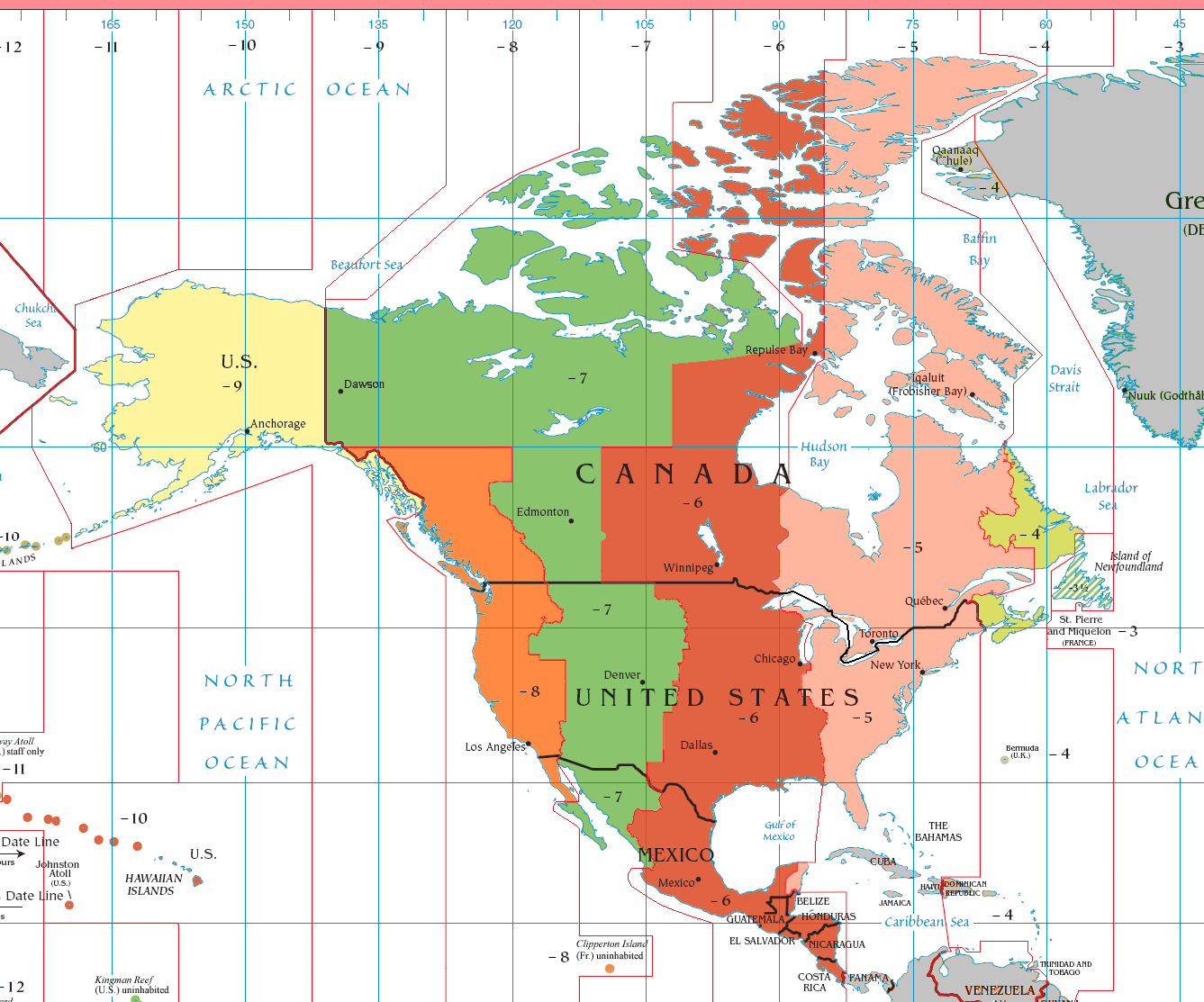
Mountain Standard Time (MST) is typically seven hours behind Coordinated Universal Time (UTC-7). When the rest of the country “springs forward” for Daylight Saving Time, shifting from UTC-7 to UTC-6 (Mountain Daylight Time, MDT), Arizona remains at UTC-7. This means that during the summer months (roughly from March to November), Phoenix is effectively on the same time as Pacific Daylight Time (PDT), which is UTC-7. However, during the winter months when other states revert to standard time, Phoenix is then aligned with Mountain Standard Time, making it an hour ahead of Pacific Standard Time (PST).
This consistent adherence to MST year-round creates a unique temporal dance with its neighbors. For example, during summer, if you travel from Phoenix westward to California or Nevada, there is no time change. However, if you travel eastward to states like Utah, Colorado, or New Mexico – all of which observe DST – you would need to advance your clock by an hour. The situation reverses in winter; traveling west to California or Nevada would require setting your clock back an hour, while traveling east to Utah, Colorado, or New Mexico would result in no time change. This seemingly minor detail is, in fact, crucial for anyone planning a multi-state road trip or frequently interacting with people in different regions.
Practical Implications for Travelers and Residents
For residents, this consistency simplifies daily life, avoiding the biannual disruption of changing clocks. For travelers, however, it requires a conscious effort to remember Arizona’s unique temporal standing. The primary impact is on scheduling and coordination:
- Flights and Transportation: Booking flights into Phoenix Sky Harbor International Airport or regional airports requires careful attention to arrival and departure times, especially if coming from a state that observes DST. A flight that departs Los Angeles at 10:00 AM PDT will arrive in Phoenix at 10:00 AM MST during the summer, as both are effectively on the same clock. However, in winter, a flight departing Los Angeles at 10:00 AM PST would arrive in Phoenix at 11:00 AM MST.
- Hotel Check-ins and Check-outs: While most hotels and accommodation providers are well-versed in Arizona’s time conventions, it’s always wise to confirm specific check-in and check-out times, particularly if you’re arriving from a different timezone. This ensures a smooth start and end to your stay, whether you’re at a luxury resort like the Arizona Biltmore, A Waldorf Astoria Resort or a budget-friendly suite.
- Business Meetings and Communications: For business travelers, coordinating meetings with counterparts outside Arizona can be a particular challenge. During DST, Phoenix is three hours behind the East Coast and one hour behind the Mountain Time Zone states. In winter, it’s two hours behind the East Coast and on the same time as Mountain Time Zone states. Double-checking meeting invitations and being explicit about timezones (e.g., “9 AM MST”) is essential to avoid misunderstandings.
- Planning Activities and Attractions: When visiting famous landmarks and attractions such as the Desert Botanical Garden, the Heard Museum, or Frank Lloyd Wright’s Taliesin West, be mindful of their operating hours. While they are set to local Phoenix time, your internal clock might be telling you something different, potentially leading to missed tours or early closures if you’re not careful.
Navigating Travel and Tourism with Phoenix Time
The Sonoran Desert landscapes, vibrant culture, and endless sunshine make Phoenix a prime destination for various types of travel – from luxury escapes at five-star resorts to adventurous family trips exploring the outdoors. Understanding the local time is an integral part of making the most of these experiences.
Planning Your Itinerary: Flights, Hotels, and Attractions
Accurate time management is the backbone of any successful travel itinerary. In Phoenix, this takes on an added layer of importance due to the absence of DST.
- Flights: When booking flights into Phoenix Sky Harbor International Airport, one of the busiest airports in the United States, always confirm the arrival and departure times based on the local time of each city. Most reputable airline booking systems will automatically adjust for timezones, but a manual check can prevent unexpected delays or early arrivals. Consider connections, especially if traveling through multiple timezones.
- Hotels & Accommodation: Phoenix boasts an impressive array of accommodation options, from sprawling resorts in Scottsdale to boutique hotels downtown and family-friendly apartments in Tempe or Mesa. Top luxury properties like the JW Marriott Phoenix Desert Ridge Resort & Spa or The Phoenician, A Luxury Collection Resort, Scottsdale often have detailed check-in procedures. Confirming your reservation times, especially if you’re arriving late or need an early check-in, is always recommended. This is also vital for long-term stays, ensuring all expectations regarding billing and service hours are aligned.
- Attractions & Activities: Phoenix offers a wealth of attractions. Hiking Camelback Mountain or South Mountain Park and Preserve is best done in the cooler morning hours. Visiting the Desert Botanical Garden or Frank Lloyd Wright’s Taliesin West requires adherence to their specific tour times. During the “spring forward” period, when many places are adjusting their clocks, Phoenix attractions remain on MST, which can mean an extra hour of daylight in the evenings compared to states observing DST, offering more flexibility for evening activities like enjoying a sunset dinner or an outdoor concert.
The Local Lifestyle and Experience
The consistent MST influences the very rhythm of life in Phoenix. The longer daylight hours in the summer evenings, due to the absence of DST, mean that outdoor activities can extend later without feeling rushed by an early dusk. This is particularly appealing for tourism centered around the Sonoran Desert’s natural beauty.
- Dining and Entertainment: Restaurants, bars, and entertainment venues in Phoenix, Scottsdale, Tempe, and Chandler operate on MST. This consistency means you won’t experience a sudden shift in operating hours related to time changes. Many visitors find the extended daylight in summer evenings ideal for al fresco dining and enjoying the vibrant nightlife without feeling disoriented by time shifts.
- Outdoor Activities: Whether it’s golfing at world-class courses like those at the Westin Kierland Resort & Spa or Fairmont Scottsdale Princess, exploring the hiking trails, or enjoying a desert jeep tour, the unchanging time makes planning simpler. Knowing exactly when the sun will rise and set, without the DST adjustment, helps in strategizing activities to avoid the intense midday heat and fully appreciate the stunning desert sunrises and sunsets.
- Family Trips and Business Stays: For family trips, maintaining a consistent schedule for children is often paramount, and Arizona’s unchanging time can simplify this. For business stays, knowing that your internal clock won’t be abruptly shifted can aid in maintaining productivity and focus.
Exploring Arizona Beyond Phoenix: Timezone Considerations
While Phoenix is the capital and largest city, Arizona offers an incredible diversity of landscapes and experiences, from the red rocks of Sedona to the pine forests of Flagstaff and the vastness of the Grand Canyon National Park. The state’s time consistency generally extends throughout these regions, but there is one significant exception that every traveler must know.
The Navajo Nation Exception
The single, crucial exception to Arizona’s no-DST rule is the Navajo Nation. This sovereign nation, with significant portions located within Arizona’s borders (and extending into New Mexico and Utah), does observe Daylight Saving Time. This means that for about half the year, the Navajo Nation is one hour ahead of the rest of Arizona.
- Implications for Travelers: This temporal “island” can be a source of confusion, particularly for those visiting iconic Arizona landmarks that are either within or near the Navajo Nation, such as parts of the Grand Canyon National Park’s South Rim (if accessed from the east), or destinations like Monument Valley and Antelope Canyon. If you’re on a tour that crosses into Navajo Nation land during DST, your local guide will likely remind you to adjust your watch. For instance, if it’s 2 PM in Flagstaff (MST), it would be 3 PM in the Navajo Nation (MDT) during summer. Always confirm times when booking tours or accommodations within these areas to avoid missing scheduled events.
Impact on Wider Arizona Travel
Beyond the Navajo Nation, the rest of Arizona remains on MST year-round. This makes multi-city trips within the state relatively straightforward from a time perspective.
- Popular Destinations: Cities like Tucson (known for its Saguaro National Park and rich history), Sedona (famous for its Red Rock Country and spiritual vortexes), Flagstaff (a gateway to the Grand Canyon and ski slopes), Glendale, Chandler, Gilbert, and Mesa all adhere to MST. This uniformity simplifies planning activities and coordination, whether you’re exploring the Superstition Mountains or enjoying the nightlife in Old Town Scottsdale.
- Cross-Border Travel: For those venturing beyond Arizona’s borders, the time difference can become more pronounced. During DST, Arizona is on the same time as California and Nevada. In winter, it is one hour ahead of them. When traveling to Utah, Colorado, or New Mexico, which observe DST, Arizona will be an hour behind during summer, and on the same time during winter. Always keep these shifts in mind when scheduling calls, appointments, or transportation across state lines.
Tips for a Seamless Phoenix Visit
Embracing Phoenix’s unique timezone approach is part of the adventure. Here are a few tips to ensure your visit is as smooth and enjoyable as possible:
- Always Confirm Times: Whether it’s a flight, a dinner reservation at the Hyatt Regency Scottsdale Resort & Spa at Gainey Ranch, or a scheduled tour, explicitly confirm the time, ideally asking for it in “local Arizona time” or “MST.”
- Rely on Smart Devices: Most smartphones and smartwatches automatically adjust to local timezones. Ensure your device’s automatic time setting is enabled. However, be aware that when traveling near the Navajo Nation, your phone might sometimes pick up a tower from across the time line and temporarily adjust. Always double-check.
- Communicate Clearly: When scheduling with people outside Arizona, specify “MST” to avoid confusion. For example, “Let’s meet at 10 AM MST.”
- Embrace the Rhythm: The consistent MST means longer summer evenings, perfect for enjoying Phoenix’s outdoor lifestyle without the rush of an early sunset. Plan your outdoor activities for early mornings or late afternoons/evenings during warmer months.
- Stay Hydrated and Plan for Heat: While not directly time-related, Arizona’s climate demands respect. Regardless of the time, plan activities during cooler parts of the day and always carry water, especially when exploring the desert landscapes.
In conclusion, while the question “What timezone is Phoenix, Arizona in?” has a straightforward answer – Mountain Standard Time year-round – its implications for travel and local life are anything but simple. By understanding this unique aspect, travelers can navigate their journeys with confidence, ensuring that every flight lands on schedule, every hotel check-in is seamless, and every experience, from hiking Camelback Mountain to dining in Old Town Scottsdale, unfolds perfectly according to plan. So, set your watch, immerse yourself in the desert’s timeless beauty, and enjoy all that Phoenix and Arizona have to offer.
LifeOutOfTheBox is a participant in the Amazon Services LLC Associates Program, an affiliate advertising program designed to provide a means for sites to earn advertising fees by advertising and linking to Amazon.com. Amazon, the Amazon logo, AmazonSupply, and the AmazonSupply logo are trademarks of Amazon.com, Inc. or its affiliates. As an Amazon Associate we earn affiliate commissions from qualifying purchases.