
The desert landscape of Arizona, often envisioned as a sun-drenched expanse of endless blue skies, undergoes a dramatic and vital transformation each year during its unique monsoon season. Far from being a period of relentless, dreary rain, the Arizona monsoon is a fascinating meteorological event that breathes new life into the arid Southwest, offering a different, yet equally captivating, travel experience. For those planning a trip to this vibrant United States state, understanding when and what to expect from the monsoon is crucial for an unforgettable and safe adventure.
Understanding Arizona’s Monsoon Season: A Desert Transformation
The term “monsoon” often conjures images of heavy, continuous downpours, similar to those found in tropical regions. However, the Arizona monsoon is distinct, characterized by a shift in wind patterns that usher in moisture from the Pacific Ocean and the Gulf of Mexico, leading to intense, localized thunderstorms. This cyclical weather pattern is a cornerstone of the desert ecosystem, profoundly impacting everything from wildlife behavior to the blossoming of native flora.
The Climate Phenomenon Defined
Officially, Arizona’s monsoon season typically runs from June 15th to September 30th. This period is marked by a noticeable increase in humidity, followed by dramatic afternoon and evening thunderstorms. While the exact start and end dates can fluctuate slightly year to year based on atmospheric conditions, the latter half of June through early September is when the state experiences the most significant monsoon activity.
Before the monsoon’s arrival, Arizona often endures its hottest and driest months, with temperatures soaring. The shift begins when a high-pressure system establishes itself over the Four Corners region, drawing moist air northward. This influx of humidity, combined with the intense daytime heating of the desert floor, creates the perfect recipe for convective storms. These storms are typically brief but powerful, often bringing heavy rain, strong winds, lightning, and sometimes hail. The distinct smell of creosote bush after a rain, a phenomenon known as petrichor, becomes a signature scent of the season, a natural perfume announcing the desert’s refreshment.
Why the Monsoon Matters for Travelers
For travelers, the monsoon season presents both unique opportunities and specific challenges. On the one hand, the dramatic skies, complete with towering cumulonimbus clouds and breathtaking sunsets, offer unparalleled photographic opportunities. The air, momentarily cleansed and cooled by the rain, provides a welcome respite from the intense summer heat. The desert, often perceived as monochrome, bursts into unexpected greens and subtle floral hues as dormant seeds spring to life. This period can also mean fewer crowds at popular attractions, especially during the weekdays, making for a more serene experience for those willing to adapt.
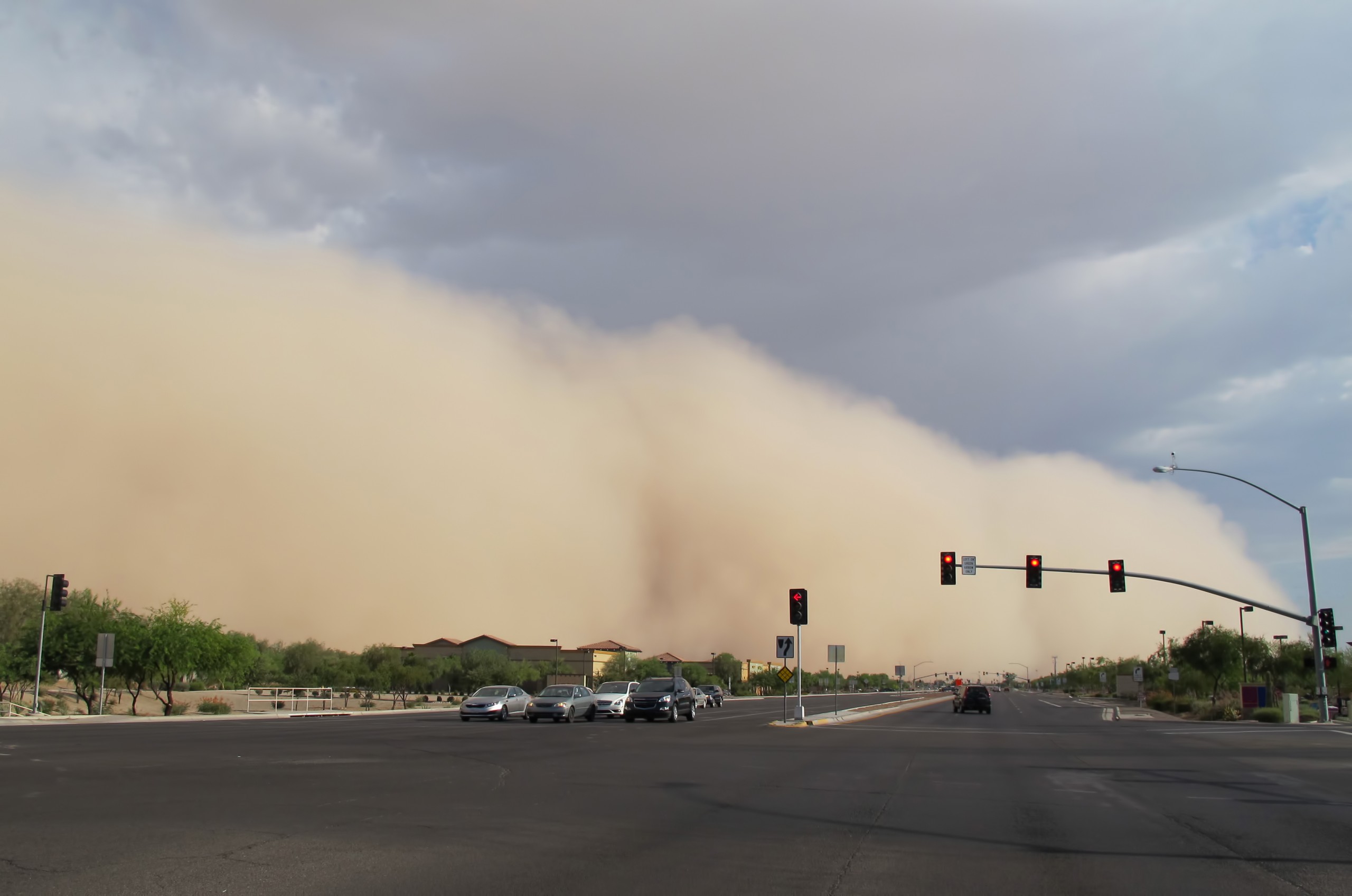
On the other hand, the monsoon also brings with it potential hazards, including flash floods, dust storms (known as haboobs), and intense lightning activity. These phenomena require careful planning and awareness, particularly for outdoor activities. Understanding the rhythm of the monsoon – usually hot, sunny mornings followed by a buildup of clouds and afternoon storms – allows travelers to schedule their adventures wisely, maximizing enjoyment while prioritizing safety. Travel guides and local weather reports become indispensable tools during this dynamic time, helping visitors navigate the ever-changing desert climate.
Embracing the Monsoon: Activities and Attractions
Despite the unpredictable weather, Arizona’s monsoon season is far from a deterrent for travel; it’s an invitation to witness the desert in its most dynamic state. From lush desert landscapes to vibrant urban centers, there’s a wealth of experiences waiting to be discovered.
Desert Wonders and Dramatic Skies
The Sonoran Desert, home to the iconic saguaro cactus, undergoes a profound metamorphosis during the monsoon. The landscape, parched for months, transforms into a vibrant ecosystem. This is a prime time for wildlife viewing, as many animals become more active after the rain. Birds, desert tortoises, and various amphibians emerge, taking advantage of the refreshed environment.
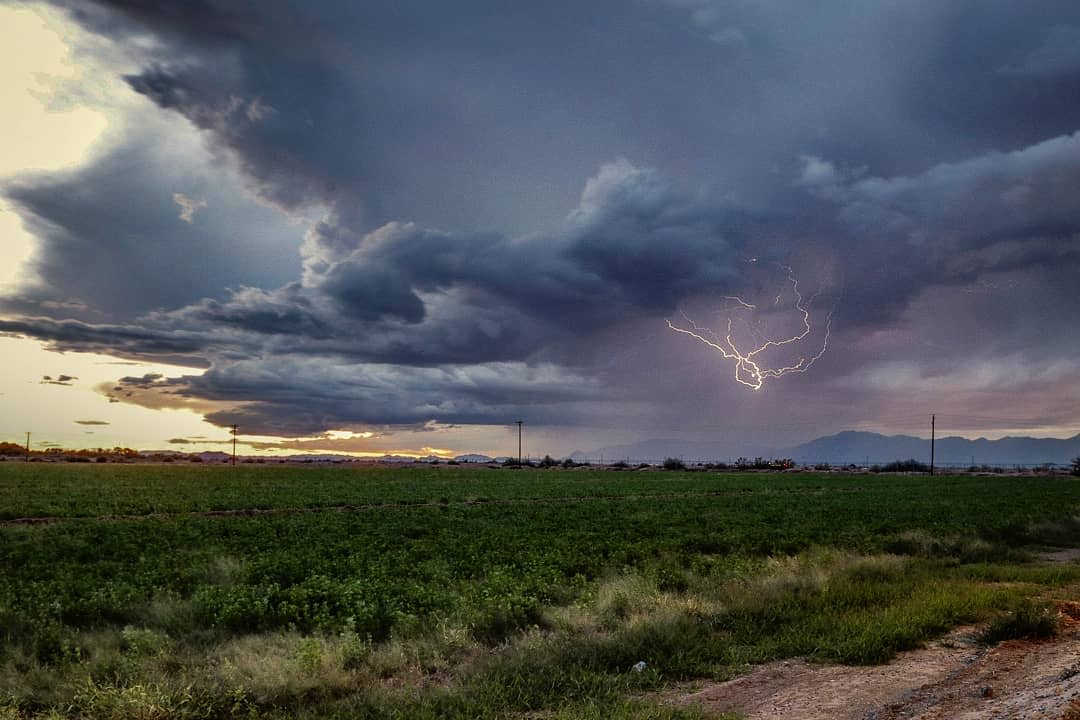
Photography enthusiasts will find themselves in a paradise. The dramatic cloud formations, vivid lightning strikes (from a safe distance!), and the intense colors of sunset and sunrise against a rain-washed sky create truly epic backdrops. For outdoor activities, planning is key. Early morning hikes are ideal before the heat and potential storms build up. Places like Saguaro National Park near Tucson or the numerous trails around Phoenix offer stunning views of the desert awakening. Visitors might even be lucky enough to witness the fleeting beauty of desert wildflowers that bloom in response to the summer rains, transforming patches of the desert floor into tapestries of color. Always check weather forecasts and trail conditions before heading out, and never enter washes or low-lying areas during or after rain.
Urban Escapes and Cultural Immersion
When the skies open up, Arizona’s cities offer a plethora of indoor activities. Phoenix, the state capital, and Tucson, a UNESCO City of Gastronomy, provide rich cultural experiences and comfortable amenities.
In Phoenix, explore world-class institutions like the Heard Museum, renowned for its extensive collection of Native American art and culture, or the Musical Instrument Museum, a global journey through music. The Desert Botanical Garden is another excellent choice; while primarily outdoors, its indoor exhibits and shaded pathways make it enjoyable even during or immediately after a light rain, offering a unique perspective on desert flora. Upscale shopping districts in Scottsdale, such as those around Old Town Scottsdale, offer climate-controlled retail therapy and fine dining options.
Tucson boasts the internationally acclaimed Arizona-Sonora Desert Museum, a unique blend of zoo, botanical garden, and natural history museum. While largely outdoors, its diverse exhibits are designed to educate and entertain across various weather conditions. Culinary tourism also thrives in both cities, with a vibrant food scene offering everything from authentic Southwestern cuisine to gourmet dining. This is a perfect opportunity to savor local flavors in a cozy restaurant or cafe, watching the rain through the window.
Exploring Arizona’s Iconic Landmarks
Iconic landmarks like the Grand Canyon and Sedona also experience the monsoon’s touch. While rain can bring temporary closures to certain viewpoints or trails at the Grand Canyon, the sight of storms brewing over the vast chasm is utterly magnificent. The cooler temperatures post-rain can make rim-side walks more comfortable, and the typically blue skies give way to dramatic, ever-changing vistas. For those seeking stunning photography, the contrast of the red rock layers against dark, stormy clouds is unparalleled. Early morning visits are generally the safest bet for uninterrupted viewing.

In Sedona, the already majestic Sedona’s Red Rocks take on an even more vivid hue when wet, and the swirling mist or fog adds an ethereal quality to the landscape. Spiritual sites like the Chapel of the Holy Cross offer serene shelter with incredible views. Many Sedona resorts and hotels are equipped with excellent indoor amenities, including spas and fine dining, ensuring a luxurious and comfortable stay regardless of the weather. These northern Arizona destinations, while still susceptible to monsoon activity, often experience less intense heat than the southern deserts, making them attractive retreats.
Navigating the Monsoon: Safety and Travel Tips
Successfully navigating Arizona’s monsoon season requires forethought and adherence to local safety guidelines. Preparation is not just about comfort; it’s about ensuring a secure and enjoyable journey.
Essential Safety Precautions
The primary concern during the monsoon is flash flooding. Even a moderate rain can turn dry washes and low-lying roads into raging torrents in minutes. It is critical to “Turn Around, Don’t Drown” – never attempt to drive, walk, or bike through flooded areas. Always check road conditions and weather alerts before setting out, especially if you plan to explore remote areas or drive through rural routes. Many local news outlets and government agencies provide real-time updates.
Haboobs, or massive dust storms, are another distinctive feature. These walls of dust can reduce visibility to zero in seconds, creating extremely dangerous driving conditions. If caught in a haboob, pull off the road as safely as possible, turn off your lights, and keep your foot off the brake to avoid being rear-ended. Wait until visibility improves.
Lightning is also a significant hazard. Arizona experiences frequent and intense lightning during thunderstorms. Seek shelter indoors immediately at the first sign of thunder. Avoid open fields, tall trees, and metal objects. Swimming pools and outdoor hot tubs should be evacuated during lightning activity.
Smart Packing and Preparation
Packing smart for the monsoon means being ready for both intense heat and sudden downpours. Lightweight, breathable clothing is essential for the high temperatures, but also include a waterproof jacket or a compact umbrella. Sturdy, waterproof shoes are advisable, particularly if you plan any outdoor excursions. Don’t forget a reusable water bottle to stay hydrated, as the humidity can be deceptive. Sunscreen and hats remain crucial for sunny mornings.
If you’re driving, ensure your vehicle is in good condition, especially your tires and windshield wipers. Keep your phone charged and consider carrying a portable power bank. A basic emergency kit in your car with water, snacks, and a first-aid kit is always a good idea when traveling in the desert. Always inform someone of your itinerary if you’re venturing into less populated areas.
Accommodation and Booking Insights
Monsoon season often falls during what can be considered Arizona’s “shoulder” or “off-peak” season due to the heat, which can translate into more attractive rates for hotels and resorts. This is an excellent opportunity for budget-conscious travelers or those seeking luxury experiences at a better value. Many resorts and accommodations throughout Phoenix, Scottsdale, and Tucson offer fantastic amenities, including indoor activities, spas, and temperature-controlled pools, making them perfect havens during a storm.
Consider booking resorts with flexible cancellation policies, especially if your travel dates are during the peak of the monsoon. Research accommodations that boast excellent indoor dining, entertainment, or spa facilities for those afternoons when outdoor plans might be interrupted. From sprawling suites with private patios to charming boutique hotels nestled in historic districts, there’s a wide array of choices to suit every preference and lifestyle.
Making the Most of Your Monsoon Visit
Visiting Arizona during monsoon season is an adventure in itself, offering a chance to witness the desert’s raw power and delicate beauty. With the right mindset and preparation, it can be one of the most rewarding times to explore the state.
Unique Experiences and Photography Opportunities
Beyond the dramatic lightning shows and vibrant sunsets, the monsoon encourages other unique natural phenomena. The air’s clarity after a rain shower makes for exceptional stargazing, especially in Arizona’s designated Dark Sky Communities like Flagstaff or the wilderness around Tucson. The cooler temperatures post-storm also make evening activities, like outdoor dining or exploring city lights, more pleasant. Keep an eye out for temporary waterfalls cascading down rock faces in places like Sedona or even along mountain ranges near Phoenix – a rare and beautiful sight. Birdwatchers will also find the monsoon a fascinating time, as many species become more active.
Lifestyle Considerations: From Luxury to Budget
The monsoon season caters to diverse travel lifestyles. For those seeking luxury travel, Arizona’s five-star resorts offer world-class spas, exquisite dining, and sophisticated indoor and outdoor amenities perfect for relaxing while nature puts on its show. Imagine enjoying a gourmet meal with panoramic views of a storm rolling in or indulging in a spa treatment as the rain patters outside.
Budget travelers can find excellent deals on accommodations and attractions, making the monsoon an affordable time to visit. With careful planning, free activities like exploring state parks (after checking weather conditions) or enjoying a picnic in a city park can be wonderful.
Family trips can be made memorable with a mix of indoor educational activities, like children’s museums, and carefully timed outdoor adventures. Many family-friendly resorts feature impressive water parks and kid-friendly programs, ensuring entertainment even when the weather is temperamental.
Ultimately, the Arizona monsoon season is a spectacle of nature, a time when the desert reveals its incredible resilience and beauty. While it demands respect for its power, it rewards travelers with unique experiences, dramatic landscapes, and a profound connection to the rhythm of this extraordinary environment. By understanding its timing and preparing accordingly, your monsoon visit to Arizona can be an unforgettable journey into the heart of the Southwest’s wild beauty.
LifeOutOfTheBox is a participant in the Amazon Services LLC Associates Program, an affiliate advertising program designed to provide a means for sites to earn advertising fees by advertising and linking to Amazon.com. Amazon, the Amazon logo, AmazonSupply, and the AmazonSupply logo are trademarks of Amazon.com, Inc. or its affiliates. As an Amazon Associate we earn affiliate commissions from qualifying purchases.