
The allure of travel isn’t solely found in breathtaking landscapes, historical landmarks, or the luxurious accommodations that dot our global map. Often, the most profound and memorable experiences are deeply rooted in the local culture, particularly its cuisine. For many, a journey through the American South is synonymous with the tantalizing aroma of slow-cooked barbecue, a culinary tradition that tells stories of heritage, community, and unparalleled flavor. Among the pantheon of Southern delicacies, the Boston Butt stands supreme, particularly when transformed into succulent pulled pork. While savoring this dish at a quaint roadside eatery in Charleston or a bustling joint in Memphis is an experience unto itself, the desire to recreate that magic in your own kitchen often sparks a new kind of culinary adventure.
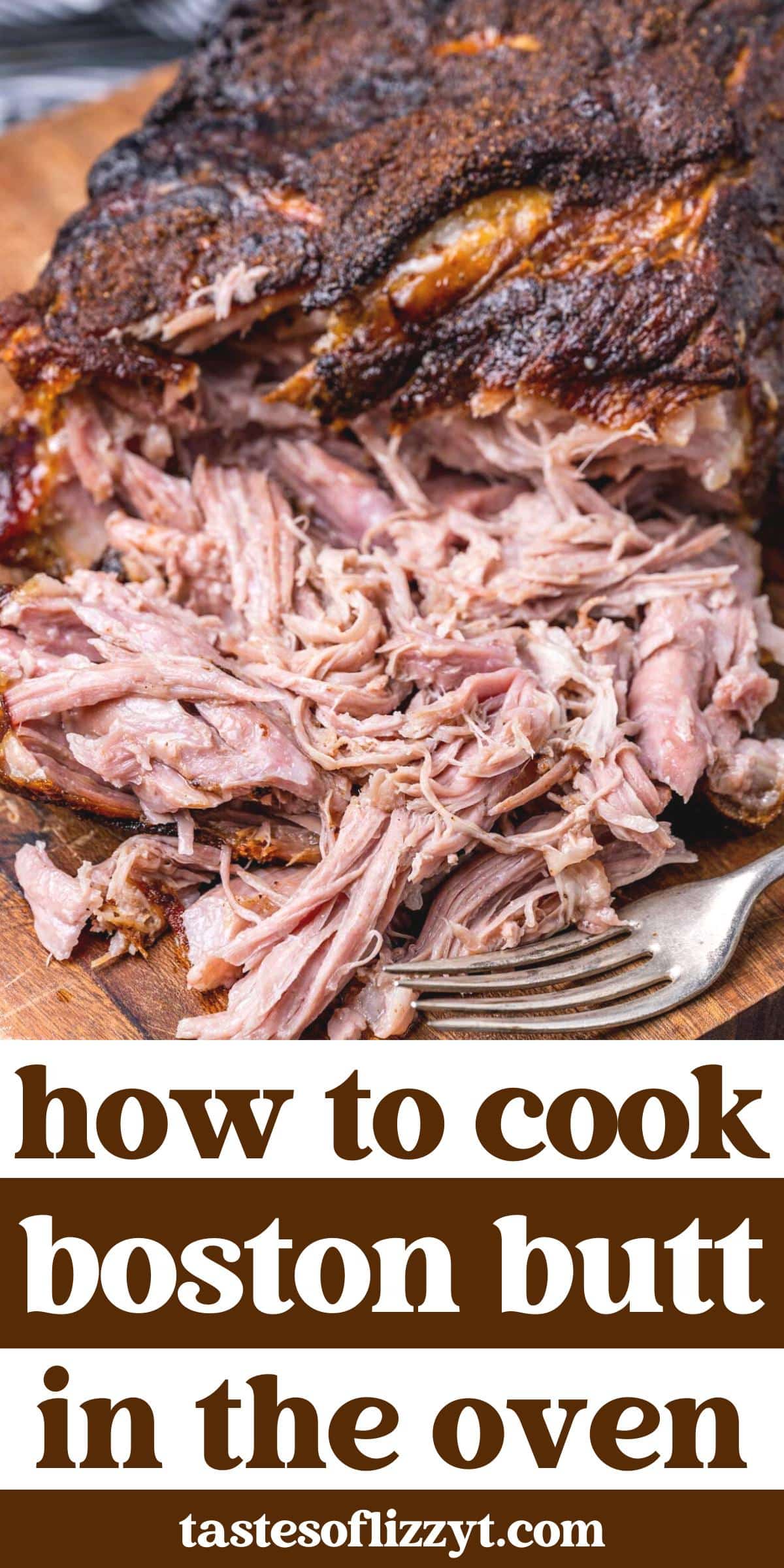
This article isn’t just about a cooking method; it’s about bringing the essence of your travels home, transforming your kitchen into a hub of global flavors, and integrating gourmet experiences into your daily lifestyle. Whether you’re a seasoned traveler with a penchant for culinary exploration or someone planning a family trip that includes a taste of authentic regional fare, understanding how to perfectly cook a Boston Butt in your oven is a skill that bridges the gap between travel memories and everyday indulgence. It’s an ode to food tourism, a guide for the home chef inspired by wanderlust, and a practical manual for achieving mouth-watering results that will transport you back to your favorite Southern destinations, all from the comfort of your own home, perhaps even in a well-appointed apartment rental or a villa equipped with a gourmet kitchen.
The Boston Butt, despite its confusing name – it’s actually a cut from the upper part of the pig’s front shoulder, not the rear – is the undisputed champion for pulled pork. Its generous marbling of fat and connective tissue makes it ideal for low and slow cooking, rendering it incredibly tender and flavorful. For the discerning traveler who appreciates both authentic experiences and the comfort of their own space, mastering this dish in the oven offers a unique blend of convenience and culinary triumph. Imagine hosting friends after a trip, recounting tales from Nashville while serving up your homemade pulled pork, a taste so authentic it feels like it’s been plucked straight from a Tennessee smokehouse. This guide will walk you through the optimal cooking times and techniques, ensuring your Boston Butt is not just cooked, but perfected.
The Culinary Journey of the Boston Butt: A Taste of American Culture
The Boston Butt is more than just a cut of meat; it’s a symbol of American barbecue, a testament to regional culinary identities, and a key attraction for food tourists. Its journey from a humble pork shoulder to a celebrated dish embodies the spirit of discovery that drives many of our travels.
Exploring Regional Barbecue Styles: A Traveler’s Guide
Barbecue in the United States is not monolithic; it’s a diverse tapestry of flavors, techniques, and traditions, each deeply rooted in its specific geography and history. The Boston Butt plays a starring role in many of these regional variations, particularly in the creation of pulled pork.
In the Carolinas, for instance, pulled pork often takes center stage. North Carolina is famed for its whole hog barbecue, but pulled pork from the shoulder is equally revered, often served with a vinegar-based sauce in the eastern part of the state and a Lexington-style ketchup-based sauce in the west. South Carolina introduces its distinctive mustard-based “Carolina Gold” sauce, offering a tangy and sweet counterpoint to the rich pork. For a traveler exploring these regions, tasting the nuanced differences in barbecue sauces and cooking styles is as enriching as visiting a historic monument or a vibrant city center. It’s a dive into local culture, a palpable connection to the community, and a true culinary highlight.
Moving west, Kansas City barbecue, while famous for its burnt ends and wide array of meats, also serves exceptional pulled pork, typically slathered in a thick, sweet, and smoky tomato-based sauce. In Texas, while brisket often steals the spotlight, pulled pork is still a staple, often seasoned simply with salt and pepper to let the quality of the meat shine, then served with a spicy, peppery sauce. Even in Memphis, home of dry rub ribs, pulled pork sandwiches are iconic, often piled high with slaw and a sweet, tomato-based sauce.
These regional distinctions transform a simple meal into a destination-worthy experience. For those who enjoy food tourism, sampling these variations in their authentic settings is a primary motivation for travel. And for those who fall in love with a particular style, bringing that flavor profile home by perfecting an oven-roasted Boston Butt becomes a delightful challenge, a way to extend the travel experience long after the vacation ends. It’s a testament to how food acts as a powerful souvenir, evoking memories of trips to the Smokies or the historic streets of Savannah.
From Roadside Stands to Resort Dinners: The Versatility of Pulled Pork
The beauty of the Boston Butt, and the pulled pork it yields, lies in its incredible versatility, appealing to all types of travelers and lifestyles. You can find world-class pulled pork served at humble roadside stands, often little more than a smoker and a picnic table, where the focus is solely on the quality of the food and the authenticity of the experience. These budget-friendly stops are often hidden gems, sought out by adventurous travelers looking for true local flavor. They represent the heart of food tourism, where the journey is as much about the discovery of culinary excellence as it is about the destination itself.
Conversely, pulled pork can also grace the menus of high-end resorts and sophisticated restaurants, reimagined and refined for a more upscale dining experience. Imagine a luxury resort in Miami serving gourmet pulled pork sliders with a tropical twist, or a Michelin Star chef in New Orleans incorporating slow-cooked pork shoulder into an elaborate tasting menu. This versatility means that regardless of your travel style – from budget-conscious backpacking to lavish luxury travel – the Boston Butt offers a taste experience that transcends categories.
For families on vacation, especially those utilizing vacation rentals like an Airbnb or a Vrbo apartment with a fully equipped kitchen, cooking a Boston Butt in the oven provides an economical and communal dining experience. It’s a way to save on dining expenses while still enjoying a delicious, comforting meal that feeds a crowd. Similarly, business travelers staying in extended-stay hotels with kitchenettes can enjoy a wholesome, home-cooked meal after a long day of meetings, a welcome change from constant restaurant dining. This adaptability underscores why understanding how to cook a Boston Butt is a valuable asset for any culinary enthusiast with a passport.
Mastering the Art of Oven-Roasted Boston Butt for the Home Chef and Traveler
Recreating the magic of Southern barbecue in your home oven is a rewarding experience that requires patience, a keen eye for detail, and a good understanding of timing and temperature. For the traveler inspired by regional flavors, this is where the journey continues, bringing the essence of a destination right into your dining room.
Essential Preparations: Your Guide to a Flavorful Start
Before you even think about oven times, the foundation of an exceptional pulled pork begins with proper preparation. This initial phase is crucial for infusing the meat with maximum flavor and setting it up for ultimate tenderness.
First, select a good quality Boston Butt, typically weighing between 6 to 10 pounds. Look for good marbling – streaks of fat throughout the meat – as this will render during cooking, keeping the pork moist and flavorful. Before cooking, pat the meat dry with paper towels. This helps your rub adhere better and allows for a nice “bark” to form.
Next, apply a generous dry rub. This is where you can personalize your culinary adventure, drawing inspiration from your travels. Did you love the smoky, sweet flavor profile of Kansas City barbecue? Or perhaps the spicy kick of a Texas rub? A classic rub often includes brown sugar, paprika (smoked paprika for an extra layer of flavor), garlic powder, onion powder, salt, black pepper, and a touch of cayenne for heat. Don’t be shy; rub it thoroughly over every surface of the pork. For best results, apply the rub at least 8 hours, and ideally 12-24 hours, before cooking. Cover the rubbed butt loosely with plastic wrap and refrigerate. This allows the flavors to penetrate the meat, a technique that any seasoned chef, whether at a Grand Hyatt or a local bistro, would endorse. Allow the meat to come to room temperature for about an hour before putting it in the oven; this promotes more even cooking.
The Core Question: Oven Temperatures and Timing
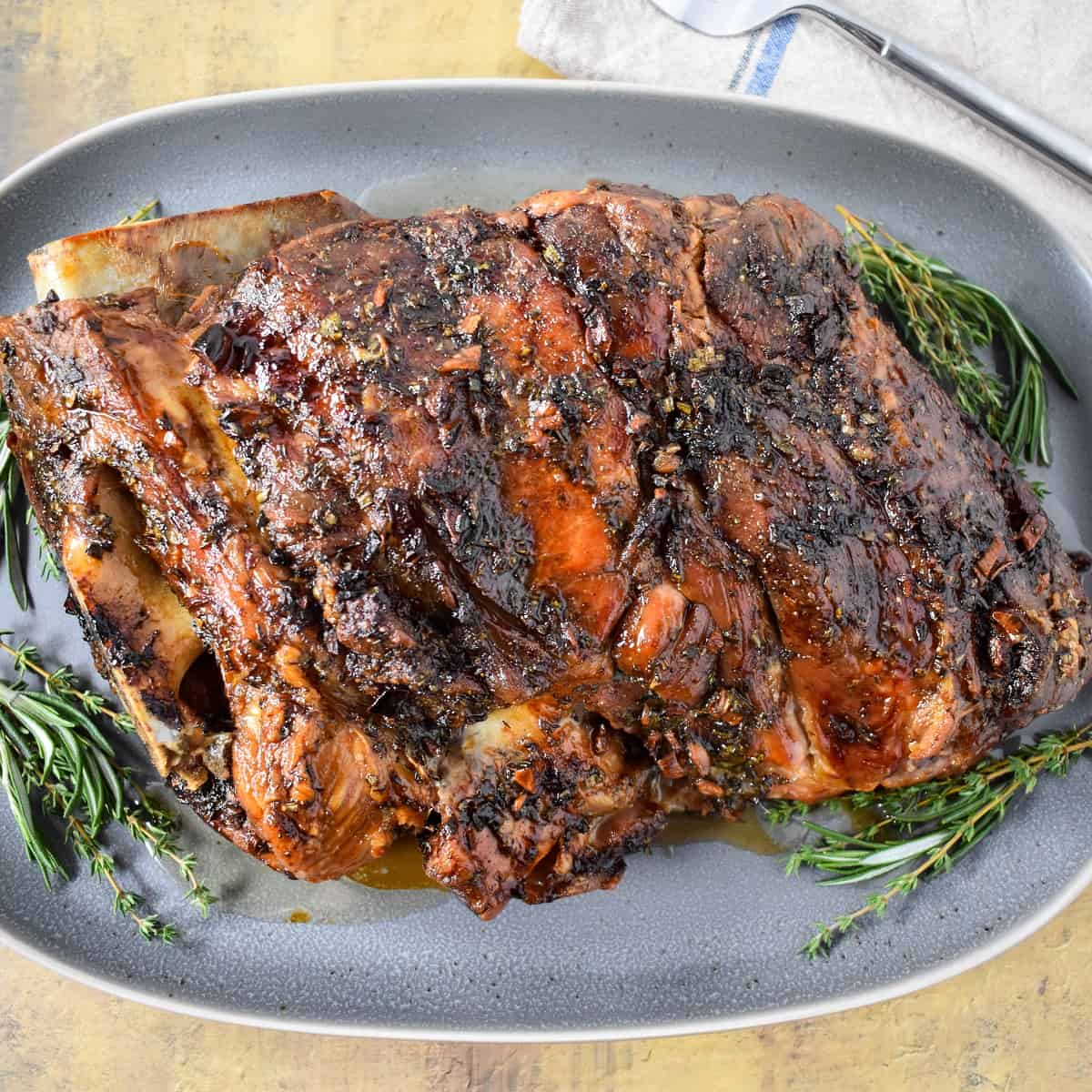
Now, to the heart of the matter: how long to cook Boston Butt in the oven. The secret to fall-apart pulled pork lies in “low and slow” cooking, allowing connective tissues to break down and fat to render, resulting in incredibly moist and tender meat.
Optimal Temperature:
The ideal oven temperature for a Boston Butt is generally between 225°F (107°C) and 275°F (135°C). While some recipes suggest higher temperatures, maintaining a lower temperature for a longer period is the most reliable way to achieve that sought-after shreddable texture. A consistent temperature is key, so trust your oven thermometer.
Cooking Time Estimates:
The cooking time will vary significantly based on the weight of your Boston Butt and your chosen oven temperature. A good rule of thumb is to estimate 1.5 to 2 hours per pound at 225-250°F (107-121°C).
- For a 6-pound Boston Butt: Expect 9 to 12 hours.
- For an 8-pound Boston Butt: Expect 12 to 16 hours.
- For a 10-pound Boston Butt: Expect 15 to 20 hours.
These are estimates, and the most crucial factor is not the clock, but the internal temperature of the pork. The target internal temperature for perfectly shreddable pulled pork is between 195°F (90°C) and 205°F (96°C). While pork is safe to eat at 145°F (63°C), the higher temperature is necessary to break down the collagen and achieve that meltingly tender texture. A good quality meat thermometer is an indispensable tool here, as essential as a reliable travel guide for exploring a new city.
The “Stall”:
Be aware of the “stall” – a period during cooking where the internal temperature of the meat seems to stop rising, often hovering around 150-170°F (65-77°C). This is a natural phenomenon caused by evaporative cooling as moisture leaves the surface of the meat. Don’t panic, and don’t raise the oven temperature excessively. Just be patient; it will push through. Many chefs wrap the butt in foil once it hits the stall to help it push through faster and retain moisture, a technique often called the “Texas Crutch.”
Achieving Perfection: Tips for Juiciness and Tenderness
Beyond temperature and time, a few additional techniques can elevate your oven-roasted Boston Butt to culinary perfection, making it worthy of any travel-inspired dinner party.
- Use a Roasting Pan with a Rack: Place the Boston Butt on a wire rack set inside a roasting pan. This allows air to circulate around the meat and prevents it from sitting in rendered fat, promoting even cooking and bark formation.
- Add Braising Liquid: Pour about 1-2 cups of liquid (such as apple cider vinegar, apple juice, chicken broth, or even beer) into the bottom of the roasting pan. This creates a moist environment, helps tenderize the meat, and infuses it with additional flavor. Ensure the liquid doesn’t touch the meat directly.
- To Wrap or Not to Wrap: Many pitmasters advocate wrapping the Boston Butt tightly in heavy-duty aluminum foil after the initial few hours, or once the internal temperature hits the “stall” (around 150-170°F). Wrapping helps to retain moisture, speeds up cooking through the stall, and keeps the meat incredibly juicy. You can unwrap it for the last hour or so if you want to firm up the bark.
- The Essential Rest: Once your Boston Butt reaches the target internal temperature of 195-205°F (90-96°C) and is probe-tender (a skewer or thermometer should slide in with very little resistance), remove it from the oven. If it’s not already wrapped, wrap it tightly in foil, then wrap it in a clean towel, and let it rest on a cutting board for at least 1-2 hours, or even longer (up to 4 hours) in an insulated cooler. This resting period is crucial; it allows the muscle fibers to relax and reabsorb juices, resulting in unbelievably moist and flavorful pulled pork. Skipping this step is akin to rushing through the Colosseum in Rome – you miss the best part!
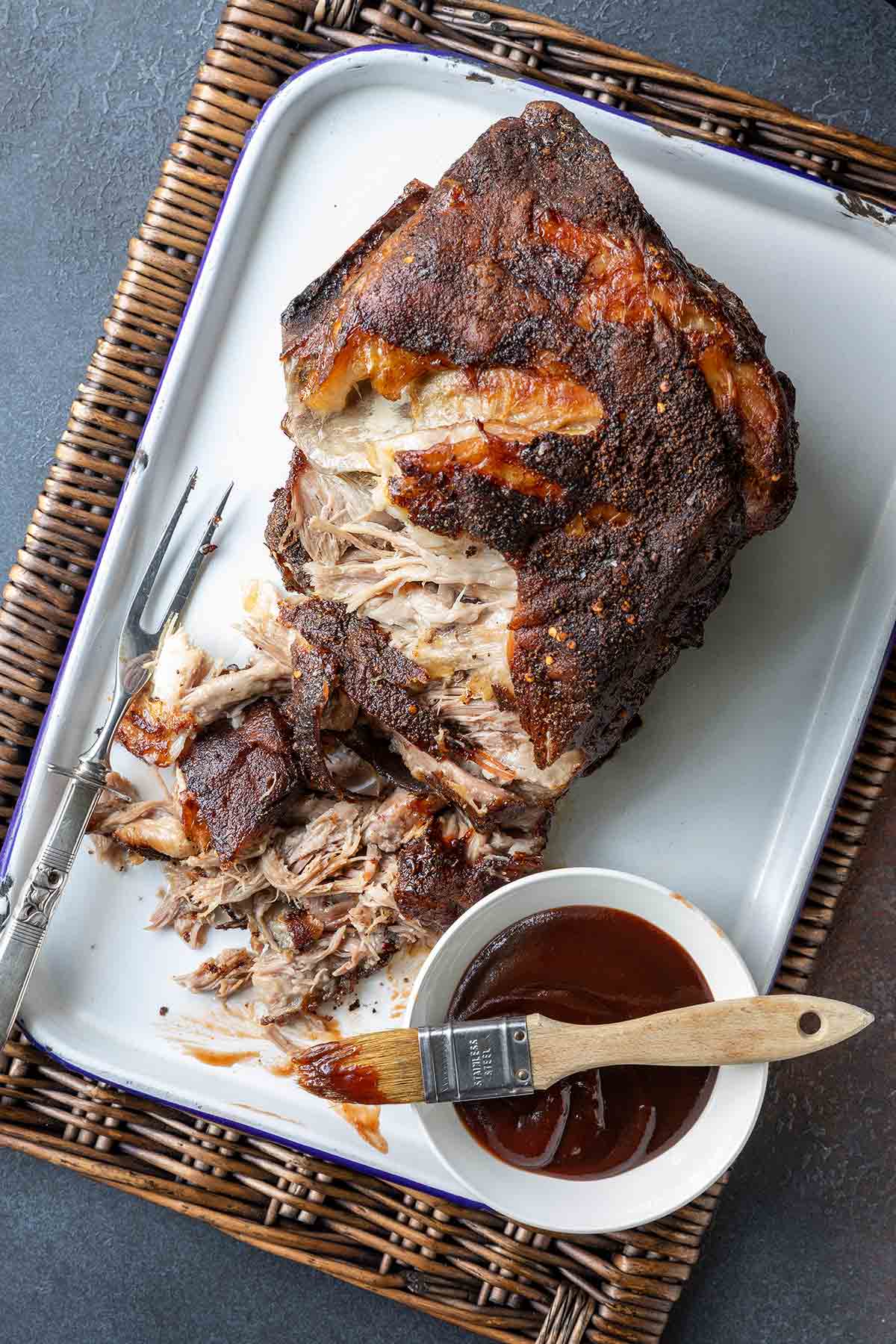
Once rested, the pork should be so tender that you can easily pull it apart with two forks or meat claws. Discard any large pieces of fat. Mix the shredded pork with some of the rendered pan juices or your favorite barbecue sauce, and you’re ready to serve a dish that tastes like a vacation.
Enhancing Your Culinary Travel Lifestyle: Beyond the Boston Butt
Mastering the oven-roasted Boston Butt isn’t just about a single meal; it’s about enriching your lifestyle, extending your travel experiences, and becoming a more confident, adventurous home chef. It’s about bringing the world to your plate.
Pairing Your Pulled Pork with Travel-Inspired Sides
No pulled pork experience is complete without its traditional companions. These sides often have their own regional variations, offering another layer of cultural exploration. For example, a classic creamy coleslaw is a staple, but if you’ve traveled to North Carolina, you might opt for a tangier, vinegar-based slaw to complement your pork. Cornbread, whether sweet or savory, is another essential. Think about the rich, buttery cornbread you might have sampled in a charming eatery in Louisville, Kentucky.
Other popular sides include macaroni and cheese (perhaps a gourmet version you enjoyed at a Ritz-Carlton resort), baked beans (often slow-cooked with bacon and brown sugar), or collard greens. Each side can be an opportunity to recall or research culinary traditions from different destinations, transforming a simple meal into a global feast for the senses. Imagine pairing your Boston Butt with a creative fusion side, perhaps inspired by Asian street food from Bangkok or the fresh flavors of the Mediterranean, showcasing the global influence on your lifestyle.
Hosting a Travel-Themed Dinner Party: Share Your Adventures
With your perfectly cooked Boston Butt, you have the centerpiece for an incredible travel-themed dinner party. This is where your lifestyle truly integrates with your passion for travel. Instead of just showing photos, you can offer your guests an immersive experience, a taste of the destinations you’ve explored.
Set the ambiance with music inspired by the American South. Decorate with souvenirs from your trips. As you serve the pulled pork, share stories about where you first tasted authentic barbecue, the friendly locals you met, or the unique attractions you visited. This turns a meal into a storytelling session, enriching the dining experience for everyone. It’s a wonderful way to connect with friends and family, sharing not just food, but cultural insights and personal adventures. Whether it’s a casual backyard gathering reminiscent of a picnic in Napa Valley or a more formal affair inspired by a cooking class in Tuscany, the Boston Butt forms a delicious foundation.
This approach fits seamlessly into various lifestyle choices. For families, it’s a chance to cook together and share cultural education. For budget travelers, it’s an affordable yet impressive way to host. For those who appreciate luxury travel, it elevates home dining to an art form, demonstrating that gourmet experiences aren’t confined to five-star restaurants.
Accommodation with Kitchens: The Ultimate Travel Perk
Finally, mastering the Boston Butt highlights the incredible value of choosing accommodations that come equipped with full kitchens. When planning your trips, considering options like apartments, villas, or suites with kitchenettes – perhaps a Hilton Garden Inn with good amenities or a charming apartment in Paris booked through a short-term rental platform – offers unparalleled freedom and culinary possibilities.
These types of accommodations allow you to:
- Experience local markets: Buy fresh, local ingredients and experiment with regional recipes, just as you would buy a Boston Butt to cook at home.
- Save on dining expenses: Cooking some meals yourself can significantly reduce your travel budget, allowing you to allocate more funds to attractions, experiences, or even extending your stay.
- Cater to dietary needs: Have control over ingredients for specific diets or allergies.
- Enjoy a “home away from home” experience: There’s a certain comfort in being able to prepare your own meals, especially after a long day of sightseeing. Imagine returning to your Kyoto apartment after visiting temples and having the option to prepare a comforting meal.
Whether you’re recreating a pulled pork sandwich reminiscent of a trip to Austin, Texas, or simply enjoying a quiet breakfast before exploring a new city, the convenience of a kitchen in your travel accommodation is a perk that enhances the entire travel experience. It allows you to delve deeper into local culture through its food, creating new memories and skills that you can bring back to your everyday life, making your adventures truly endless. The art of cooking a Boston Butt in the oven, therefore, isn’t just a recipe; it’s an integral part of a rich, cultured, and well-traveled lifestyle.
LifeOutOfTheBox is a participant in the Amazon Services LLC Associates Program, an affiliate advertising program designed to provide a means for sites to earn advertising fees by advertising and linking to Amazon.com. Amazon, the Amazon logo, AmazonSupply, and the AmazonSupply logo are trademarks of Amazon.com, Inc. or its affiliates. As an Amazon Associate we earn affiliate commissions from qualifying purchases.