
The journey between Philadelphia and New York City is one of the most frequently traveled corridors in the Northeastern United States, connecting two vibrant metropolises rich in history, culture, and iconic landmarks. For many, the question “How far is it?” is merely the starting point of planning an unforgettable travel experience. Whether you’re a first-time visitor eager to explore the Liberty Bell or a seasoned traveler yearning for the bright lights of Times Square, understanding the distance, available transportation, and what awaits you at each destination is key to a seamless adventure. This article delves into the various aspects of this popular route, offering insights into travel logistics, accommodation options, and must-see attractions, making your trip as enjoyable as the destinations themselves.
The Core Distance: Unveiling the Miles Between Two Metropolises
At first glance, the distance between Philadelphia and New York City might seem straightforward, yet it’s a dynamic figure that varies depending on your mode of transportation and specific starting and ending points within each sprawling urban area. Understanding these nuances is crucial for accurate trip planning.
The Straight Line vs. The Road Less Traveled (or More Traveled)
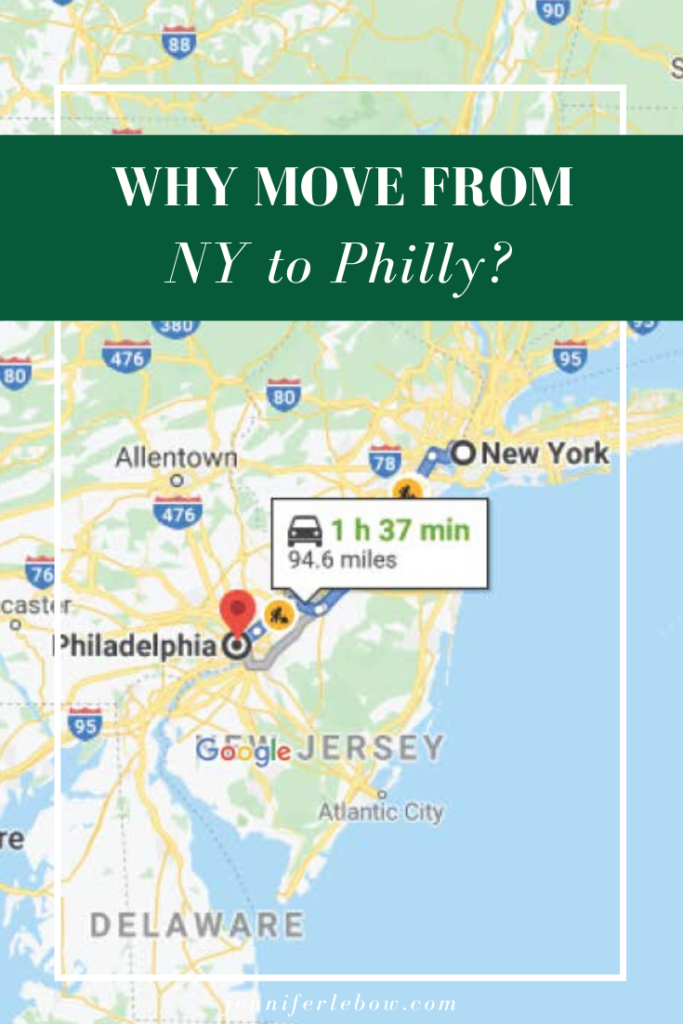
Geographically, the straight-line, or “as the crow flies,” distance between the hearts of Philadelphia and New York City is approximately 80 miles (129 kilometers). This aerial measurement, while interesting, holds little practical value for ground travelers. The actual driving distance is significantly longer due to the need to navigate roads, bridges, and tunnels, often skirting various towns and natural barriers.
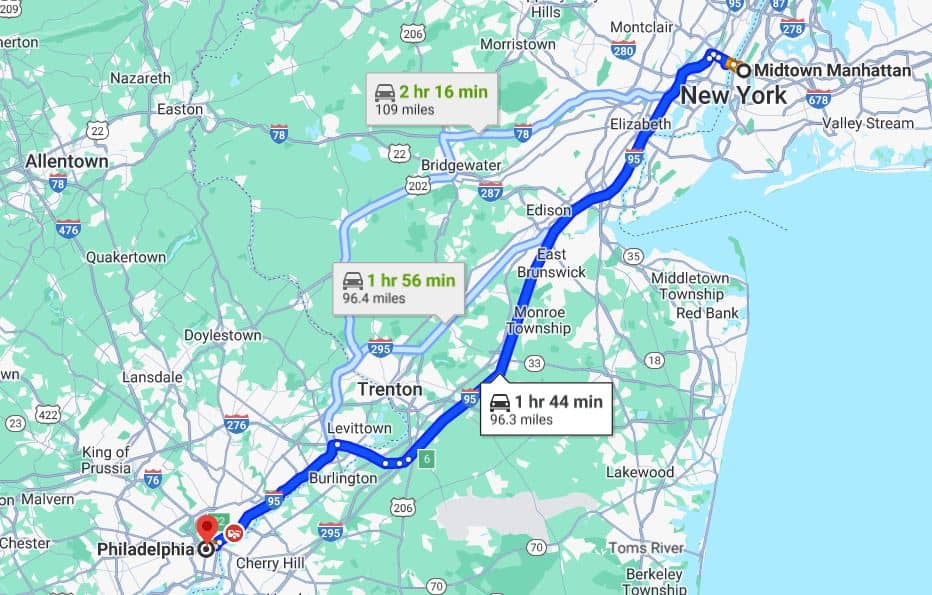
The most common and direct driving route typically involves taking Interstate 95 North from Philadelphia through New Jersey, transitioning onto the New Jersey Turnpike, and then crossing into New York City via the Holland Tunnel, Lincoln Tunnel, or the George Washington Bridge. Along this path, the typical road distance ranges from 95 to 100 miles (153 to 161 kilometers). The precise mileage can vary slightly based on your exact start and end addresses and any detours you might take. This stretch of highway is one of the busiest in the country, playing a vital role in connecting the major cities of the Northeast Corridor.
Why the Distance Matters: Beyond Just Numbers
The approximately 100-mile distance profoundly impacts travel time and planning. For drivers, this translates to an average travel time of 1 hour and 45 minutes to 2 hours and 30 minutes under ideal conditions, without significant traffic. However, anyone familiar with the I-95 corridor knows that “ideal conditions” can be rare, especially during peak commuter hours, holidays, or weekends. Traffic jams, construction, and incidents can easily stretch a two-hour drive into three, four, or even five hours.
For those relying on public transportation, the distance informs the efficiency and speed of rail or bus services. High-speed trains like Amtrak’s Acela Express can cover this distance in just over an hour, while conventional trains and buses will take longer. The distance also influences whether this trip is feasible as a day trip or if an overnight stay is recommended, which then brings into play considerations for hotels and accommodation in either city. For business travelers, minimizing travel time is paramount, while leisure travelers might prioritize cost savings or the comfort of a more relaxed journey.
Navigating the Corridor: Your Travel Options
The 100-mile stretch between Philadelphia and New York City is exceptionally well-served by a variety of transportation methods, each offering distinct advantages depending on your budget, schedule, and preferences. From the independence of driving to the efficiency of rail, there’s a mode of travel for every type of journey.
Driving: Freedom, Flexibility, and Fuel
Driving offers the most flexibility, allowing travelers to set their own pace, make spontaneous stops, and carry as much luggage as their vehicle allows. The primary route is Interstate 95 North, which quickly merges with the New Jersey Turnpike. This toll road is generally well-maintained and provides a direct path to the New York City area.
- Pros: Unmatched flexibility in departure times and route choices, convenience for carrying luggage, and the option to explore scenic detours or attractions along the way, though these are limited on the direct route. It’s often the most cost-effective option for groups or families.
- Cons: The journey is highly susceptible to traffic, particularly during rush hours, weekends, and holidays. Tolls on the New Jersey Turnpike and bridges/tunnels into New York City can add up, and parking in New York City is notoriously expensive and difficult to find.
- Estimated Time: 1 hour 45 minutes to 2 hours 30 minutes without significant traffic; can easily extend to 3-5 hours during peak times.
Rail Travel: Speed, Comfort, and Scenery
Train travel is a popular choice for those looking to avoid the stresses of driving and parking. Amtrak operates frequent services between Philadelphia’s 30th Street Station and New York Penn Station, offering a comfortable and often scenic journey.
- Acela Express: This high-speed service is the fastest option, making limited stops. It’s ideal for business travelers or those prioritizing speed.
- Estimated Time: Approximately 1 hour 10 minutes to 1 hour 20 minutes.
- Northeast Regional: A more economical and slightly slower option, making more stops along the route.
- Estimated Time: Approximately 1 hour 30 minutes to 1 hour 45 minutes.
- Pros: Avoids traffic, city-center to city-center travel (eliminating the need for parking or additional transport from airports), comfortable seating, and amenities like Wi-Fi and dining cars. Passengers can work or relax during the journey.
- Cons: Generally more expensive than bus travel, and prices can fluctuate based on booking time and demand.
Bus Travel: The Budget-Friendly Option
For travelers on a tight budget, intercity bus services provide an economical way to get between Philadelphia and New York City. Companies like Greyhound, Megabus, and FlixBus offer numerous daily departures.
- Pros: Significantly cheaper than train or driving for a single traveler, often with direct routes between major bus terminals.
- Cons: Longer travel times due to more stops and susceptibility to road traffic. Less comfortable than train travel, and amenities can vary by carrier.
- Estimated Time: 2 hours to 3 hours 30 minutes, depending on traffic and the number of stops.
Air Travel: A Niche Choice
While both Philadelphia and New York City boast major airports (Philadelphia International Airport, JFK Airport, Newark Liberty International Airport, LaGuardia Airport), flying between the two cities is almost never the most practical option. The short distance means that the time spent on airport security, boarding, and deplaning, combined with travel to and from the airports, far outweighs the actual flight time. For this specific corridor, flying is generally reserved for connecting flights or specific logistical needs, not as a primary means of direct travel.
Exploring Beyond the Journey: Attractions and Stays in Each City
The trip between Philadelphia and New York City is more than just covering miles; it’s an opportunity to immerse yourself in two distinct yet equally captivating urban landscapes. Both cities offer a wealth of tourism experiences, from historical tours to world-class entertainment, complemented by diverse accommodation options to suit every lifestyle and budget.
Discovering Philadelphia: History, Art, and Culinary Delights
Philadelphia, the birthplace of American democracy, is a treasure trove for history buffs and culture enthusiasts. Its compact historic district allows for easy exploration of pivotal landmarks.
- Landmarks & Tourism: Begin your journey at Independence Hall, where the Declaration of Independence and U.S. Constitution were debated and adopted, then gaze upon the iconic Liberty Bell nearby. Wander through Old City’s cobblestone streets, filled with colonial charm. Art lovers must visit the Philadelphia Museum of Art and famously run up the Rocky Steps. Don’t forget to sample a cheesesteak and explore the vibrant culinary scene at Reading Terminal Market.
- Accommodation: Philadelphia offers a range of hotels, from luxurious suites to budget travel options.
- Luxury: The Rittenhouse Hotel provides elegant amenities and a prime location near Rittenhouse Square.
- Boutique: The Kimpton Hotel Monaco Philadelphia offers stylish rooms and a chic rooftop bar just steps from Independence Hall.
- Mid-Range/Budget: Options like the Holiday Inn Express Philadelphia Midtown offer comfortable stays with convenient access to major attractions, ideal for family trips or budget-conscious travelers.
The Allure of New York City: The City That Never Sleeps
Just a short distance away, New York City beckons with its unparalleled energy and endless possibilities. This global hub offers an experience for every type of traveler, from cultural deep dives to dazzling entertainment.
- Landmarks & Tourism: Gaze upon the majestic Statue of Liberty and Ellis Island, ascend the Empire State Building for panoramic views, or soak in the vibrant chaos of Times Square. Find serenity in the sprawling green oasis of Central Park, catch a world-class show on Broadway, or explore the artistic masterpieces at the Metropolitan Museum of Art. Wander through the charming streets of Greenwich Village or cross into Brooklyn for its unique neighborhoods and iconic views of the Manhattan skyline.
- Accommodation: New York City’s hotels scene is as diverse as the city itself, catering to luxury travel, business stays, and everything in between.
- Luxury: The Plaza Hotel offers an iconic, opulent experience overlooking Central Park.
- Modern/Trendy: citizenM New York Times Square provides contemporary rooms and tech-savvy amenities in a bustling location.
- Family-Friendly/Value: The Hotel Riu Plaza New York Times Square is a popular choice for families and those seeking good value with excellent proximity to Broadway and other attractions. Many apartments and villas can also be found for a more residential feel or long-term stay.
Making the Most of Your Trip: Tips for a Seamless Journey
Embarking on a journey between Philadelphia and New York City promises excitement, but a little preparation can transform a good trip into a truly exceptional one. From savvy booking strategies to understanding local customs, these tips will help you navigate your adventure with confidence and ease.
Planning Your Itinerary and Accommodation
Effective planning is the cornerstone of any successful trip, especially when visiting bustling urban centers.
- Book in Advance: Whether it’s train tickets, bus fares, or hotel rooms, booking as far in advance as possible typically secures better prices and ensures availability, particularly during peak seasons or holidays. Utilize comparison websites and read reviews to find the best deals and the right fit for your needs.
- Consider Your Travel Style: Are you on a tight budget, seeking luxury travel, or planning a family trip? Tailor your transportation and accommodation choices accordingly. Many resorts and suites offer specific amenities for different traveler types. For longer visits, explore options for long-term stays in furnished apartments.
- Itinerary Flexibility: While it’s good to have a plan, allow for some spontaneity. Both Philadelphia and New York City are cities of endless discoveries, and sometimes the best experiences are the unplanned ones.
Practical Travel Advice
Beyond booking and itineraries, a few practical tips can make your journey smoother.
- Best Time to Travel: To avoid the heaviest traffic on roads and the most crowded public transport, try to travel during off-peak hours (mid-day on weekdays) or consider early morning departures. Fall and spring offer pleasant weather for exploring on foot and generally fewer crowds than summer.
- Navigating Public Transport: Both cities boast extensive public transportation networks. In Philadelphia, SEPTA serves the city and surrounding suburbs, while New York City’s MTA subway and bus system is legendary for getting you anywhere. Familiarize yourself with their maps and fare systems (like the SEPTA Key or OMNY in New York) to move efficiently.
- Embrace Local Culture and Food Experiences: Don’t just see the sights; taste the local flavors. In Philadelphia, that means cheesesteaks and soft pretzels. In New York City, explore diverse international cuisines, classic New York-style pizza, and bagels. Engage with locals, discover hidden gems, and truly immerse yourself in the unique atmosphere of each destination.
The distance between Philadelphia and New York City is a mere 100 miles, but the journey it facilitates opens up a world of discovery. Whether you opt for the convenience of a train, the flexibility of a car, or the affordability of a bus, the path between these two iconic cities is well-trodden and full of possibilities. With careful planning and an open mind, your trip will not only bridge the physical gap between them but also connect you to the rich tapestry of American history, culture, and vibrant urban life. So pack your bags, choose your adventure, and prepare to explore the best of the Northeast Corridor.
LifeOutOfTheBox is a participant in the Amazon Services LLC Associates Program, an affiliate advertising program designed to provide a means for sites to earn advertising fees by advertising and linking to Amazon.com. Amazon, the Amazon logo, AmazonSupply, and the AmazonSupply logo are trademarks of Amazon.com, Inc. or its affiliates. As an Amazon Associate we earn affiliate commissions from qualifying purchases.