
The Boston Massacre, a pivotal and tragic event that occurred on March 5, 1770, stands as a stark reminder of the escalating tensions between British soldiers and American colonists that ultimately ignited the flames of the American Revolution. While often depicted as a widespread slaughter, the immediate loss of life was contained, yet its impact reverberated far beyond the streets of colonial Boston. In answering the direct question, five individuals died as a direct result of the Boston Massacre. This fateful evening, however, claimed not just these lives, but also significantly altered the course of history for the nascent United States.
For those embarking on a historical journey through Massachusetts and specifically Boston, understanding the nuances of this event provides invaluable context to the city’s rich revolutionary past. It’s a narrative woven into the very fabric of iconic landmarks, offering a profound sense of connection to the struggles and sacrifices of those who laid the groundwork for independence. As you explore the historic sites and immerse yourself in the stories, the question of “how many died” becomes more than a statistic; it represents the human cost of a burgeoning revolution.
Unraveling the Events of March 5, 1770
To truly grasp the significance of the Boston Massacre, one must first delve into the tumultuous political and social landscape of Boston in the late 1760s. The city was a hotbed of revolutionary fervor, a nexus of intellectual and popular resistance against what many colonists perceived as oppressive policies imposed by the British Parliament in Great Britain.
Tensions Boiling Over in Colonial Boston
The presence of British troops, often referred to as Redcoats, had been a source of constant friction in Boston since their arrival in 1768. Ostensibly sent to enforce British tax laws, such as the Townshend Acts, and to maintain order, their presence was seen by many colonists as an occupation force. Boston was a bustling port city, and the economic policies implemented by Great Britain were crippling colonial trade and industry, leading to widespread unemployment and resentment. Soldiers often competed with colonists for odd jobs during their off-duty hours, further exacerbating economic anxieties and social tensions.
The atmosphere was thick with animosity, marked by frequent skirmishes, insults, and a general sense of mistrust between the military and civilian populations. Propaganda, both pro-British and pro-colonial, fueled the narrative on both sides. On one hand, colonists felt their rights as Englishmen were being trampled; on the other, British soldiers felt they were upholding the law in a rebellious territory, often facing hostile crowds and verbal abuse. It was a powder keg waiting for a spark, and that spark ignited on a cold winter’s night.
The Fateful Confrontation
The evening of March 5, 1770, began like many other tense nights in Boston. A lone British sentry, Private Hugh Montgomery, stood guard outside the Customs House on King Street (now State Street). A young wigmaker’s apprentice began taunting him, leading to an altercation. Soon, a crowd began to gather, growing rapidly in size and intensity. Bell-ringing in the city square, often a signal for fire, further drew people out, unaware of the true unfolding drama.
The crowd became increasingly agitated, hurling snowballs, chunks of ice, and epithets at Private Montgomery. Fearing for his safety, he called for reinforcements. Captain Thomas Preston arrived with a small squad of seven more Redcoats, attempting to form a defensive perimeter around the sentry. However, the crowd, now numbering in the hundreds, pressed closer, their taunts growing louder, daring the soldiers to fire. Amidst the chaos, a projectile struck Private Montgomery, knocking him down. Upon recovering, he discharged his musket. While accounts vary on whether he acted on his own initiative or mistook a shouted command for “fire,” his shot was the first. The other soldiers, perhaps in panic, fear, or a sense of self-defense, then opened fire into the crowd.
The Victims: A Nation Awakens
The smoke cleared to reveal a horrifying scene. Several colonists lay wounded or dead on the snow-covered street. The shots fired that evening instantly transformed a street brawl into a massacre, galvanizing colonial sentiment against British rule in a way that speeches and pamphlets alone could not. The question of “how many died” was immediately answered on the street, but the full impact would only be understood in the months and years that followed.
The Five Martyrs
The immediate death toll of the Boston Massacre was five. These individuals, from various walks of life, became symbols of British tyranny and colonial sacrifice.
- Crispus Attucks: Perhaps the most famous of the victims, Attucks was a sailor of African and Native American descent. He was among the first to fall, shot twice in the chest, and died instantly. His death made him a potent symbol of American freedom, particularly in later abolitionist movements. His story is a poignant reminder of the diverse individuals who contributed to the fight for independence.
- James Caldwell: A young sailor, Caldwell was shot in the back and died at the scene. His life, like many others of the era, was tied to the sea, a common profession in Boston.
- Patrick Carr: An Irish immigrant and leather-breeches maker, Carr was shot in the abdomen. He lingered for several days before succumbing to his wounds on March 14, becoming the fifth and final casualty directly attributed to the massacre. His dying testimony, in which he stated that the soldiers had fired in self-defense, was later used in their trial, highlighting the complexity of the event.
- Samuel Gray: A rope maker, Gray was shot in the head and died immediately. His presence at the scene, along with other rope makers, underscores the prevalent economic grievances, as the rope-making industry had been particularly impacted by British trade policies.
- Samuel Maverick: A 17-year-old apprentice ivory turner, Maverick was struck by a ricocheting bullet and died a few hours later, early on March 6. His youth symbolized the innocence caught in the crossfire of political unrest.
Beyond these five, six other colonists were wounded, though none fatally. The swift and tragic end of these lives sparked outrage throughout the colonies, painting the British military as ruthless oppressors.
The Immediate Aftermath and Trials
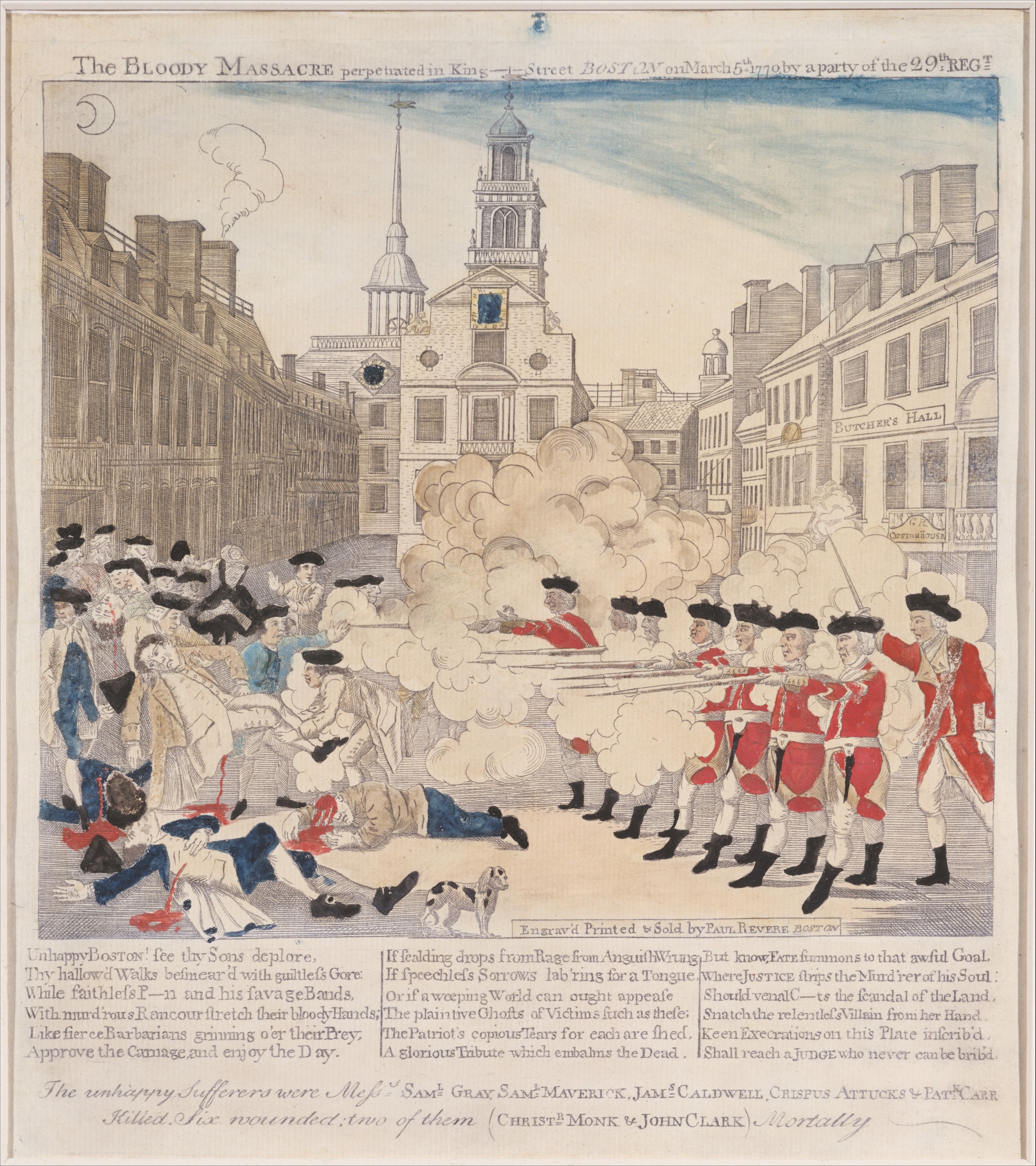
News of the Boston Massacre spread like wildfire, largely fueled by colonial propagandists like Samuel Adams and Paul Revere. Revere’s iconic engraving, depicting a line of British soldiers firing ruthlessly into an unarmed crowd, became a powerful and enduring symbol of the event, though it was highly inaccurate in its portrayal. It served its purpose, however, in swaying public opinion.
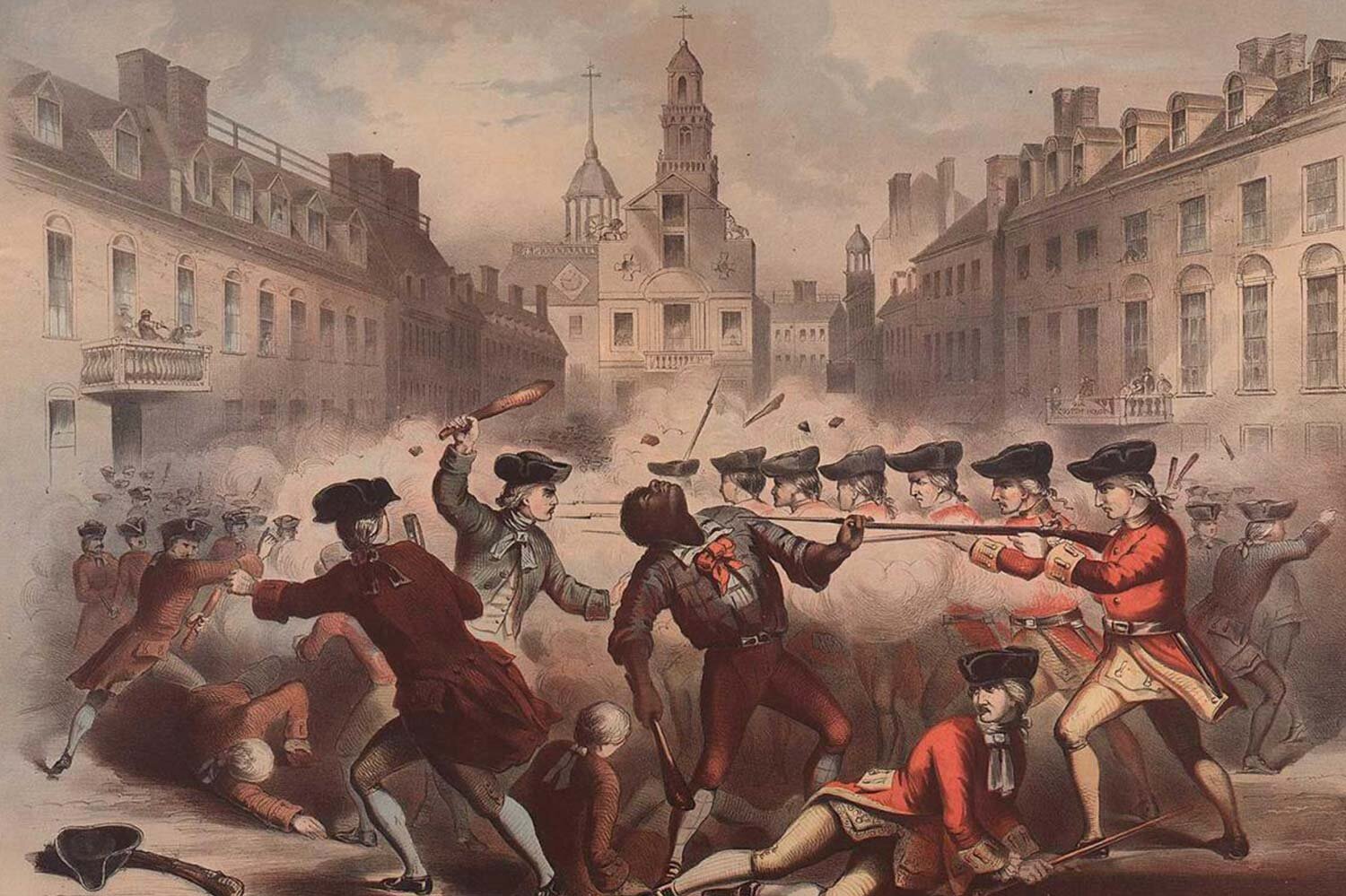
Captain Preston and eight of his soldiers were arrested and charged with murder. What followed was one of the most remarkable legal battles in colonial history. Despite immense public pressure, prominent colonial lawyer and future United States President, John Adams, along with Josiah Quincy II, agreed to defend the soldiers. Adams famously stated that “facts are stubborn things” and believed that everyone, even despised Redcoats, deserved a fair trial.
The trials, held in late 1770, were a testament to the principles of justice, even amidst intense political turmoil. Captain Preston and six of his soldiers were acquitted, largely due to Adams’s masterful defense, which argued that the soldiers acted in self-defense against a menacing mob. Two soldiers, Hugh Montgomery and Matthew Kilroy, were found guilty of manslaughter, branded on the thumb (a common punishment for this crime), and then released. This outcome, though not fully satisfying to many colonists, demonstrated a degree of legal fairness that underscored the complex legal relationship between the colonies and Great Britain.
The Boston Massacre’s Enduring Legacy
The Boston Massacre, despite its relatively low death toll, profoundly impacted the trajectory towards American independence. It solidified the image of British tyranny in the minds of many colonists and served as a crucial rallying cry in the years leading up to the Revolutionary War.
Fueling the Flames of Revolution
The events of March 5, 1770, did not immediately trigger war, but they significantly deepened the divide between the colonies and the mother country. The massacre became a powerful piece of propaganda, skillfully used by figures like Samuel Adams to demonstrate the inherent danger of a standing army in peacetime and the oppressive nature of British rule. It galvanized public opinion, convincing many previously undecided colonists that reconciliation with Great Britain might be impossible. The narrative of innocent colonists being murdered by ruthless soldiers resonated deeply, fostering a shared sense of grievance and a growing desire for self-governance across North America.
For years after, the anniversary of the Boston Massacre was commemorated with fiery speeches, serving as a powerful annual reminder of British aggression and a call to resistance. These commemorations helped to cultivate a collective identity and purpose among the colonists, laying essential groundwork for future revolutionary actions like the Boston Tea Party and the Battles of Lexington and Concord. The blood spilled on King Street effectively marked a point of no return for many.
Experiencing History: The Boston Massacre Site Today
Today, the site of the Boston Massacre is one of the most significant stops along Boston’s renowned Freedom Trail. Visitors can stand on the very spot where the tragedy unfolded, marked by a cobblestone circle in front of the Old State House. This iconic building, itself a vital piece of American history as the seat of colonial government, overlooked the events of that fateful night.
Exploring this historical landmark provides a tangible connection to the past. Guided tours of the Freedom Trail often pause here, allowing guides to recount the events, the testimonies, and the legacy of the massacre, bringing history vividly to life. It’s an opportunity to reflect on the complexities of the narrative – the fear of the soldiers, the anger of the crowd, and the tragic consequences that ensued. The simplicity of the cobblestone marker belies the immense weight of the historical moment it represents, inviting contemplation on the origins of American liberty.
Planning Your Historical Journey to Boston
Visiting Boston is an immersive experience for any history enthusiast, and understanding events like the Boston Massacre is central to appreciating the city’s role in shaping the United States. From its revolutionary landmarks to its vibrant contemporary culture, Boston offers a rich tapestry for travelers.
Discovering Boston’s Revolutionary Past
Beyond the Boston Massacre site, the Freedom Trail links numerous other crucial revolutionary landmarks. You can walk from Boston Common, where British troops encamped, to Faneuil Hall, known as the “Cradle of Liberty” for its role as a meeting place for patriots. Each stop offers another piece of the puzzle, deepening your understanding of the revolutionary era. Consider visiting the Paul Revere House, the Old North Church, and the USS Constitution Museum in Charlestown to fully embrace the historical journey.
Local tours, often led by costumed guides, add an engaging dimension to the experience, transforming historical facts into compelling narratives. For those interested in deeper dives, many museums in Boston, such as the Museum of African American History, offer exhibits that touch upon Crispus Attucks’ legacy and the broader social dynamics of the period.
Accommodation and Travel Tips for History Enthusiasts
Boston provides a diverse range of accommodations to suit every traveler’s preference and budget. For those keen on immersing themselves in history, staying in a hotel near the Freedom Trail or in historic neighborhoods like Beacon Hill or the North End can enhance the experience. Boutique hotels, luxury resorts, and charming bed and breakfasts often occupy beautifully preserved historic buildings, offering a blend of modern comfort and colonial charm.
- Luxury Stays: Consider hotels like the Omni Parker House, one of Boston’s oldest and most iconic hotels, steeped in history and just steps from the Freedom Trail.
- Mid-Range Options: Numerous hotels in the downtown area or Waterfront district provide excellent access to historical sites, often with comfortable amenities and competitive pricing.
- Budget-Friendly: Hostels and guesthouses are available, especially in areas slightly outside the immediate city center, offering affordable options for longer stays.
When planning your trip, consider visiting during the shoulder seasons (spring or fall) to avoid the peak summer crowds and enjoy more moderate weather for walking the Freedom Trail. Boston’s public transportation system, the “T,” is efficient and can easily get you to most major attractions. Don’t forget to sample Boston’s famous clam chowder, lobster rolls, and Italian cuisine in the North End to complete your travel experience.
The Boston Massacre remains a poignant chapter in American history, marking a critical turning point where five lives were lost, yet a nation’s resolve was ignited. Visiting the site today is not merely about acknowledging the death toll; it’s about understanding the profound courage, sacrifice, and the complex events that forged the path to independence. It serves as a powerful reminder that history is not just dates and names, but a living narrative that continues to inspire and inform our present.
LifeOutOfTheBox is a participant in the Amazon Services LLC Associates Program, an affiliate advertising program designed to provide a means for sites to earn advertising fees by advertising and linking to Amazon.com. Amazon, the Amazon logo, AmazonSupply, and the AmazonSupply logo are trademarks of Amazon.com, Inc. or its affiliates. As an Amazon Associate we earn affiliate commissions from qualifying purchases.