
Planning a trip to the scenic State of Colorado means preparing for an unforgettable adventure, from the majestic peaks of the Rocky Mountains to the vibrant urban centers like Denver and Boulder. As you budget for hotels, dining, attractions, and souvenirs, one crucial element to consider is sales tax. Understanding “What Is Sales Tax In Colorado?” isn’t just a matter of financial planning; it’s about gaining insight into how your spending contributes to the infrastructure and services that enhance your travel experience. For travelers accustomed to different tax structures in their home states or countries, Colorado‘s sales tax system can appear intricate, varying significantly from one city or county to another. This comprehensive guide aims to demystify Colorado’s sales tax, providing a clear roadmap for visitors to navigate their travel expenses effectively and transparently.

Understanding Colorado’s Sales Tax Landscape
The sales tax system in Colorado is a layered one, comprising a statewide rate augmented by local levies imposed by counties, cities, and special districts. This multi-tiered structure means that the sales tax rate you pay will depend heavily on your specific location within the state, making it a critical factor for any traveler to consider when planning their itinerary and budget.
The State Sales Tax and Its Foundations
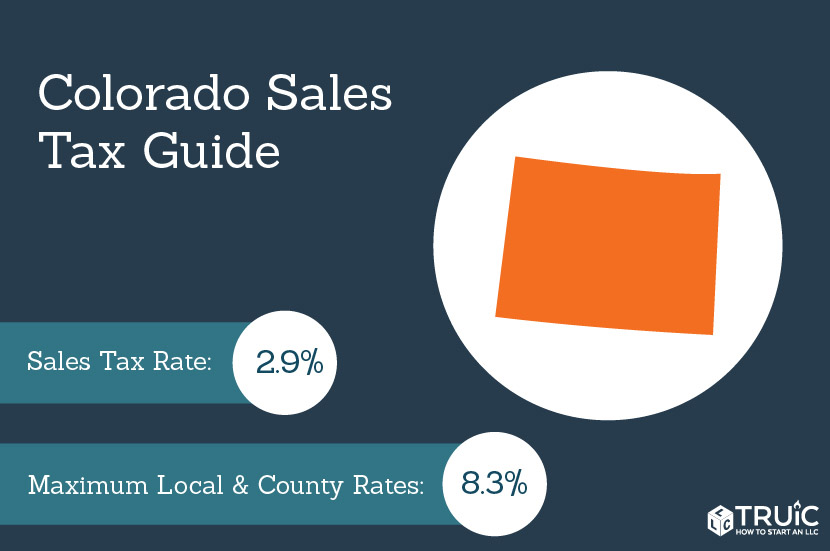
At the heart of Colorado’s sales tax system is the state sales tax, a fundamental percentage applied to most retail purchases and certain services. For many years, the statewide sales tax rate has been a consistent 2.9%. This relatively low state rate, when compared to many other states across the United States, is often perceived as a welcoming factor for both residents and visitors. However, it’s crucial to understand that this 2.9% is merely the baseline. It sets the foundation upon which additional local taxes are built, ultimately determining the final sales tax percentage you encounter at the point of sale.
The purpose of this state sales tax is broad and impactful. The revenue generated contributes significantly to Colorado’s general fund, supporting a wide array of public services. These include vital areas such as education, healthcare initiatives, social services, and the maintenance of public infrastructure. For the intrepid traveler, this means that a portion of every dollar spent on taxable goods and services contributes to the very fabric of the state they are exploring. From well-maintained roads leading to breathtaking natural landmarks to the public safety services in bustling urban centers, the state sales tax plays a silent but crucial role in enhancing the overall quality of life and visitor experience in Colorado.
Decoding Local Sales Tax Variations
While the state sales tax provides a uniform foundation, the true complexity, and variability of Colorado’s sales tax system emerge at the local level. Counties, cities, and special districts each have the authority to impose their own sales taxes, which are then added on top of the state’s 2.9%. This results in a patchwork of rates across the state, with combined sales tax percentages that can range significantly.
For instance, a purchase made in rural Mesa County might have a considerably lower combined sales tax rate than an identical purchase made in a popular tourist destination like Breckenridge or downtown Denver. The highest combined sales tax rates are typically found in major metropolitan areas and popular resort towns, where local governments rely more heavily on sales tax revenue to fund extensive public services and infrastructure catering to both residents and a large influx of tourists.
These local taxes are critical for funding community-specific projects and services. A city sales tax might support local parks, libraries, police and fire departments, or public transportation systems. County sales taxes often fund larger-scale projects and services that span across multiple municipalities within the county limits. Furthermore, special districts, such as those established for transportation, cultural facilities, or even specific tourism promotion initiatives, can add their own fractional sales tax rates. A common example is the Regional Transportation District (RTD) tax in the Denver metropolitan area, which adds a specific percentage to purchases to fund public transit.
Understanding these local variations is paramount for budgeting. A traveler might pay approximately 8.81% in combined sales tax in much of Denver (2.9% state + 4.81% city + 1.0% county + 0.1% cultural + other special district taxes), but a different rate entirely in Colorado Springs or Aspen. Before embarking on a journey through Colorado, especially if you plan to make significant purchases or stay for an extended period, it’s advisable to check the specific sales tax rates for the cities and counties you intend to visit. This proactive approach ensures a more accurate budget and avoids any surprises when you see the final bill for that memorable meal or unique souvenir.
How Sales Tax Impacts Your Colorado Travel Budget
For travelers, sales tax isn’t just a number; it’s an integral component of the overall cost of a trip to Colorado. From choosing where to stay to deciding what activities to pursue and where to dine, sales tax subtly influences every financial decision. Recognizing its impact is key to crafting a realistic and enjoyable travel budget.
Accommodation, Dining, and Experiences
When planning your stay in Colorado, it’s essential to factor in sales tax for a wide array of expenditures. Accommodation, whether a luxurious resort, a cozy Airbnb, or a boutique hotel, will be subject to state and local sales taxes. In addition, many localities also impose a specific lodging or occupancy tax, which is distinct from general sales tax and will be discussed in more detail later. This means that a nightly rate of $200 could easily become $220 or more once all applicable taxes are applied, significantly impacting your total accommodation costs, especially for longer stays.
Dining out, a quintessential part of any travel experience, is also subject to sales tax. Whether you’re indulging in farm-to-table cuisine in Boulder, grabbing a quick bite in Downtown Denver, or enjoying a gourmet meal in Vail, the menu prices won’t reflect the final amount you pay. Add a service charge or tip, and your meal cost can quickly escalate. This is particularly relevant for travelers on a budget or those planning multiple dining experiences throughout their trip.
Beyond the basics, sales tax also applies to many of the experiences that make a Colorado trip unforgettable. This includes admission tickets to attractions like the Denver Art Museum or Garden of the Gods, guided tours (such as whitewater rafting or hiking excursions), equipment rentals (ski gear, bikes), and even souvenirs purchased from gift shops. Each of these adds to the cumulative cost, making it crucial for travelers to mentally (or literally) add a percentage to listed prices when making plans. For those considering luxury travel, such as stays at high-end resorts like The Broadmoor or exclusive experiences in Aspen, the cumulative effect of sales tax on higher-priced goods and services can be substantial.
Notable Destinations and Their Tax Implications
The varied sales tax rates across Colorado mean that your choice of destination can significantly influence your overall spending.
- Denver: As the largest city and capital, Denver typically has one of the highest combined sales tax rates in the state, often around 8.81%. This applies to everything from purchases at the Cherry Creek Shopping Center to tickets for a concert at Red Rocks Amphitheatre or a game at Ball Arena. For travelers planning an urban escape, budgeting for this higher rate across dining, entertainment, and accommodation is essential.
- Aspen: Synonymous with luxury and world-class skiing, Aspen often features combined sales tax rates that are on the higher end due to local levies. For visitors indulging in high-end shopping, luxury accommodation, and gourmet dining, the sales tax can add a considerable sum to already premium prices.
- Colorado Springs: Known for iconic natural landmarks like Pikes Peak and Garden of the Gods, Colorado Springs typically has a more moderate combined sales tax rate compared to Denver or Aspen. This can make it a slightly more budget-friendly option for families or those looking to explore natural beauty without the highest urban taxes.
- Boulder: This vibrant university town, famous for its outdoor lifestyle and culinary scene, also has a notable combined sales tax rate. Travelers exploring Boulder’s unique shops on Pearl Street Mall or dining at its acclaimed restaurants should factor in the local sales tax.
- Mountain Towns (Vail, Breckenridge, Estes Park, Telluride): Premier ski resorts and mountain getaways like Vail, Breckenridge, and Telluride often have higher combined sales tax rates, especially on lodging and retail, reflecting the significant tourism infrastructure they support. Estes Park, the gateway to Rocky Mountain National Park, similarly sees elevated rates on tourist-centric purchases. These rates help fund local services and amenities that enhance the visitor experience in these popular destinations.
Exemptions and Savings for Savvy Travelers
While sales tax is ubiquitous, Colorado does offer some key exemptions that can help travelers manage their budgets. The most significant exemptions are for groceries (food for home consumption) and prescription drugs.
- Groceries: Unlike many states, Colorado generally exempts most unprepared food items purchased at grocery stores from state and most local sales taxes. This is a considerable advantage for travelers, particularly those on longer trips or families who plan to prepare some of their meals. Stocking up on breakfast items, snacks, and ingredients for picnics can lead to noticeable savings compared to dining out for every meal. However, prepared foods, hot foods, and restaurant meals are still taxable.
- Prescription Drugs: All prescription medications are exempt from sales tax in Colorado. This is important for travelers who may need to refill prescriptions or purchase over-the-counter medications that require a prescription during their stay.
Understanding these exemptions can allow savvy travelers to strategically plan their spending. For example, opting for a hotel or accommodation with kitchen facilities and utilizing local grocery stores for breakfast and some lunches can significantly reduce overall food costs. Combining this with dining out for dinner or special occasions allows for both culinary exploration and budget management. Always keep an eye out for clearly marked prices and check receipts to ensure correct tax application.
Beyond Sales Tax: Other Important Taxes for Visitors
While general sales tax is the most common levy encountered by visitors, Colorado has other tax structures that directly impact travelers, particularly concerning accommodation and online purchases. Understanding these additional taxes ensures a comprehensive grasp of your potential travel expenditures.
Delving into Lodging and Occupancy Taxes
Separate from the general sales tax, many cities and counties in Colorado impose a lodging tax, often referred to as an occupancy tax or accommodations tax. This tax is specifically applied to the rental of rooms in hotels, motels, resorts, bed and breakfasts, and short-term rentals like those found on platforms such as Airbnb and Vrbo. The rates for lodging taxes vary widely by location and are added on top of the state and local sales taxes.
For example, a city like Denver imposes its own lodging tax, which is distinct from its general sales tax. Similarly, popular resort towns such as Vail, Breckenridge, or Aspen will have their own specific lodging tax rates, often higher due to the intensive tourism infrastructure they support. These taxes can range from a few percentage points to over 10% in some areas, potentially adding a significant amount to your total accommodation bill.
The revenue generated from lodging taxes is often earmarked for specific purposes directly related to tourism. This can include funding local tourism promotion and marketing efforts by the Colorado Tourism Office, maintaining convention centers, improving visitor amenities, or supporting local cultural institutions that attract tourists. For instance, some lodging taxes might contribute to the upkeep of a Colorado landmark or a regional attraction. Therefore, while it adds to your cost, it also helps sustain the very attractions and services that make Colorado an attractive destination. When booking your accommodation, always inquire about the total price, including all taxes, to avoid any surprises. Reputable booking platforms and hotels typically break down these costs clearly.
Online Purchases and Delivery Considerations
In today’s digital age, many travelers might find themselves making online purchases during their trip, whether it’s ordering forgotten toiletries, a new book to read, or even a specialized piece of outdoor gear delivered to their Colorado hotel or temporary accommodation. The question then arises: does Colorado sales tax apply to these online transactions?
The answer is generally yes. Following the 2018 U.S. Supreme Court ruling in South Dakota v. Wayfair, states gained greater authority to require out-of-state retailers to collect sales tax on purchases shipped into their state. Consequently, most major online retailers now collect Colorado sales tax on items shipped to an address within the state. The specific sales tax rate applied will be based on the shipping address’s location, meaning it will include the state, county, and any applicable city or special district taxes.
This is an important consideration for travelers who might typically rely on online shopping to avoid sales tax in their home state if it doesn’t have a broad sales tax. When ordering items to be delivered to your hotel in Denver or a rental cabin near Glenwood Springs, expect to pay the combined sales tax rate applicable to that specific delivery address. It reinforces the need for a comprehensive budget that accounts for all forms of expenditure, both in-person and digital, during your Colorado adventure.
The Economic Tapestry: Where Your Tax Dollars Go
Understanding where your sales and lodging tax dollars go can provide a deeper appreciation for their role in the Colorado experience. These revenues are not simply a cost to visitors but a vital investment in the state’s public services, infrastructure, and tourism future.
Funding Public Services and Infrastructure
The sales tax you pay in Colorado directly contributes to the robust public services and infrastructure that both residents and tourists rely upon. At the state level, the 2.9% sales tax supports a wide range of essential government functions. This includes funding for the public education system, ensuring that the next generation of Coloradans are well-equipped to contribute to the state’s vibrancy. It also allocates resources to public health programs, which become particularly important in maintaining a healthy environment for communities and visitors alike. Social services, providing support to vulnerable populations, also benefit from these funds.
Crucially for travelers, a significant portion of state and local sales tax revenue is invested in maintaining and improving Colorado’s vast infrastructure. This includes the upkeep of highways, roads, and bridges that connect bustling cities to serene national parks like Rocky Mountain National Park, Mesa Verde National Park, and Great Sand Dunes National Park and Preserve. These investments ensure safe and efficient travel, whether you’re driving the scenic Front Range or heading to a ski resort. Local sales taxes specifically fund city and county services like police and fire departments, street maintenance, public parks, and recreational facilities, directly enhancing the safety, cleanliness, and appeal of the places you visit. For instance, the local sales tax paid in Denver contributes to the vibrant atmosphere of Larimer Square and the operational excellence of Denver International Airport.
Contributing to Colorado’s Tourism Future
Beyond general public services, a considerable portion of sales and lodging tax revenue is specifically channeled back into promoting and enhancing Colorado’s tourism industry. Many local lodging taxes, for example, are expressly dedicated to tourism promotion and marketing campaigns conducted by local visitor bureaus and the Colorado Tourism Office. These funds help showcase Colorado’s diverse attractions to a wider audience, from its world-class ski resorts to its unique cultural experiences and stunning natural landscapes.
The revenue also supports the development and maintenance of visitor infrastructure. This can include improving trailheads and facilities in national forests, funding interpretive centers at landmarks, or supporting cultural events and festivals that draw tourists. By paying sales tax, visitors are indirectly investing in the long-term sustainability and appeal of the destinations they enjoy. It ensures that the ski slopes remain pristine, the hiking trails are well-marked, and cultural institutions like the Denver Museum of Nature & Science continue to offer engaging exhibits. Essentially, your tax dollars help maintain the very experiences that entice you to visit Colorado in the first place, fostering a cycle of investment that benefits both travelers and the state’s economy.
Practical Tips for Navigating Sales Tax in Colorado
Navigating Colorado’s sales tax system doesn’t have to be a source of stress. With a few practical strategies, travelers can efficiently manage their budgets and ensure a smooth, enjoyable trip without unexpected financial surprises.
Planning Your Budget with Tax in Mind
The most effective way to handle sales tax is to incorporate it into your budget from the outset. Don’t just budget for the advertised price of a hotel room or a meal; always mentally (or literally) add the applicable sales tax and, where relevant, lodging tax.
- Research Specific Rates: Before you travel, take a few minutes to research the combined sales tax and lodging tax rates for the specific cities and counties you plan to visit. The Colorado Department of Revenue website is an excellent resource for this information, often providing breakdowns by jurisdiction. Knowing that Denver’s combined rate might be around 8.81% and Colorado Springs’s slightly lower can help you allocate funds more accurately.
- Buffer Your Budget: A good rule of thumb is to add a 10-15% buffer to your estimated costs for taxable items and services. This buffer can absorb the cumulative effect of various local taxes and ensure you don’t overspend your intended limits.
- Utilize Exemptions: Remember that groceries (unprepared food) and prescription drugs are generally exempt. If you’re staying in accommodation with kitchen facilities, consider purchasing breakfast items, snacks, and some lunch supplies from local grocery stores to save on taxable restaurant meals. This is particularly beneficial for longer trips or family vacations.
- Track Expenses: Keep a simple log of your expenses, or use a budgeting app, to track how much you’re spending and compare it against your budget. This helps you stay aware of the cumulative impact of taxes on your purchases.

Essential Resources for Travelers
Having access to reliable information is crucial for understanding Colorado’s sales tax system.
- Colorado Department of Revenue (CDOR): The official website of the Colorado Department of Revenue is the primary and most authoritative source for sales tax rates and regulations. They often provide lookup tools where you can enter a specific address to find the exact combined sales tax rate for that location. This is invaluable for pinpointing rates in various cities and towns across the state.
- Local Government Websites: Many city and county government websites also provide detailed information on their specific sales and lodging tax rates, along with how those revenues are utilized. For example, the City of Denver’s finance department website would list its municipal sales and lodging taxes.
- Tourism Offices: Local tourism boards and visitor centers are excellent resources for general travel information, and they can often provide guidance on local tax rates or direct you to where you can find this information. The Colorado Tourism Office website is a good starting point for statewide travel planning.
- Booking Platform Transparency: When booking hotels or short-term rentals, pay close attention to the detailed breakdown of costs provided by platforms like Booking.com, Expedia, Airbnb, or Vrbo. They typically list all applicable taxes and fees separately, giving you a clear picture of the total cost before you commit.
By utilizing these resources and adopting a proactive approach to budgeting, your visit to Colorado can be as financially smooth as it is breathtakingly beautiful. Understanding sales tax is just one small step in planning a truly memorable and stress-free journey through the Centennial State.
LifeOutOfTheBox is a participant in the Amazon Services LLC Associates Program, an affiliate advertising program designed to provide a means for sites to earn advertising fees by advertising and linking to Amazon.com. Amazon, the Amazon logo, AmazonSupply, and the AmazonSupply logo are trademarks of Amazon.com, Inc. or its affiliates. As an Amazon Associate we earn affiliate commissions from qualifying purchases.