
The tale of the Louisiana Purchase is one of history’s most pivotal transactions, an improbable deal struck between two burgeoning nations that forever altered the geopolitical landscape. At its heart was Napoleon Bonaparte, the ambitious and often mercurial Emperor of France, who, in 1803, offered to sell an immense tract of land—larger than France itself—to the fledgling United States. This decision, seemingly abrupt, was in fact the culmination of complex strategic calculations, military setbacks, and pressing financial needs that compelled Napoleon to abandon his dreams of a vast North American empire. For travellers and history enthusiasts today, understanding this moment offers a deeper appreciation for the landscapes, cultures, and iconic landmarks that define much of the modern United States.

Napoleon’s Grand Vision and Its Unraveling
At the dawn of the 19th century, Napoleon Bonaparte was at the zenith of his power and ambition in Europe. His grand vision extended far beyond the continental borders of France, encompassing a restored colonial empire in the New World that would serve as a vital source of wealth and strategic leverage. The Louisiana Territory, vast and largely unexplored, was central to this audacious plan.
The Dream of a North American Empire
France had historically claimed the Louisiana Territory, but had ceded it to Spain after the French and Indian War (Seven Years’ War). In 1800, under the secret Treaty of San Ildefonso, Napoleon reacquired the territory from Spain. His intention was clear: to establish a powerful French presence in North America. This enormous land mass, stretching from the Mississippi River to the Rocky Mountains, would provide raw materials, food, and a strategic base to supply his most prized colonial possession, the sugar-rich island of Saint-Domingue (modern-day Haiti).
For Napoleon, Saint-Domingue was the crown jewel, an economic engine of unparalleled importance. Its sugar plantations, operated by enslaved people, generated immense wealth. The Louisiana Territory would act as the breadbasket for Saint-Domingue, ensuring a steady supply of provisions and reducing dependence on other nations. This vision, however, rested precariously on the assumption of continued French control over the lucrative Caribbean island, a control that was already being fiercely challenged.
From a modern perspective, imagining the logistics and infrastructure required for such an empire is fascinating. One can only speculate on the types of historical hotels or colonial accommodations that might have dotted a French Mississippi Valley, or the distinctive local culture and food that would have emerged. Today, cities like New Orleans, with its vibrant French Quarter and unique fusion of cultures, stand as a testament to this past, offering travellers a chance to experience a living slice of what might have been.
The Haitian Crucible: A Turning Point
Napoleon’s imperial ambitions in the New World met an insurmountable obstacle in Saint-Domingue. Since 1791, a massive slave revolt had been raging on the island, led by the brilliant military and political leader, Toussaint Louverture. The revolutionaries, fighting for their freedom, proved to be formidable adversaries.
In 1802, Napoleon dispatched a massive expeditionary force, led by his brother-in-law, General Charles Leclerc, to crush the rebellion and restore French authority and slavery. This force of tens of thousands of elite French troops initially met with some success, capturing Louverture. However, the war of attrition continued, exacerbated by the devastating impact of tropical diseases, particularly yellow fever. The French army was decimated, losing tens of thousands of men, including Leclerc himself.
The catastrophic losses in Saint-Domingue shattered Napoleon’s colonial dreams. Without Saint-Domingue as its anchor, the Louisiana Territory lost much of its strategic and economic rationale. It would be an expensive and difficult possession to defend and administer from across the Atlantic Ocean without a thriving Caribbean hub. The Haitian Revolution, therefore, stands as one of the most significant, yet often overlooked, factors in the decision to sell Louisiana.
Geopolitical Chess and Financial Imperatives
Beyond the immediate disaster in Saint-Domingue, Napoleon’s decision was heavily influenced by the volatile geopolitical climate of Europe and his urgent need for financial resources.
Funding European Wars and Preventing British Seizure
By 1803, the uneasy peace in Europe was collapsing, and France was on the verge of renewed war with its perennial rival, Great Britain. Napoleon understood that victory in Europe would require immense financial outlay. Selling the Louisiana Territory offered a quick and substantial influx of cash that could fund his military campaigns.
Furthermore, Napoleon shrewdly recognized that in the event of war with Great Britain, France would be highly unlikely to defend such a distant and sprawling territory successfully. The British Royal Navy dominated the seas, and the Louisiana Territory would inevitably fall into British hands, providing Britain with a strategic advantage and denying France any benefit. Selling it to the United States not only provided funds but also prevented a rival from gaining a crucial foothold. It also served to strengthen the United States, potentially creating a powerful counterbalance to British influence in North America.
This strategic maneuver highlights the intricate dance of international relations, where colonial possessions were pawns in a larger game. For modern travellers interested in historical tourism, the vestiges of these imperial rivalries can still be seen in the architecture and defensive structures of old port cities, and the stories told in museums across former colonial territories.
America’s Strategic Interest: The Port of New Orleans
While Napoleon had his reasons for selling, the United States had equally compelling reasons for buying. The most pressing issue was control of the Port of New Orleans. Situated at the mouth of the mighty Mississippi River, New Orleans was the crucial gateway for commerce for all American settlers west of the Appalachian Mountains. Farmers and traders in the nascent western territories relied entirely on the Mississippi River to transport their goods to market, either down to New Orleans for export or onward via the Gulf of Mexico.
When Spain controlled the territory, American access to the port, though sometimes restricted, was generally tolerated. However, the news of France’s reacquisition under Napoleon sent shockwaves through Washington, D.C.. President Thomas Jefferson feared that a powerful and ambitious France would block American access, crippling the western economy and potentially leading to conflict.
Jefferson dispatched envoys, including Robert Livingston and future president James Monroe, to Paris with instructions to negotiate the purchase of New Orleans and potentially West Florida. Their initial mandate was limited, focused solely on securing navigation rights and port access. They were utterly unprepared for Napoleon’s startling counter-offer.
Today, New Orleans remains a vibrant hub for tourism, known for its unique local culture, distinctive food, and historical significance. From luxury resorts in the French Quarter to charming boutique hotels and apartments, the city offers diverse accommodation options for visitors exploring its landmarks and enjoying its lively lifestyle.
The Transaction: A Deal of the Century
The negotiations in Paris were swift and dramatic. Faced with Napoleon’s unexpected offer to sell the entire Louisiana Territory, Livingston and Monroe recognized the monumental opportunity, even though it far exceeded their authority. Without time to consult President Jefferson, they made the audacious decision to accept.
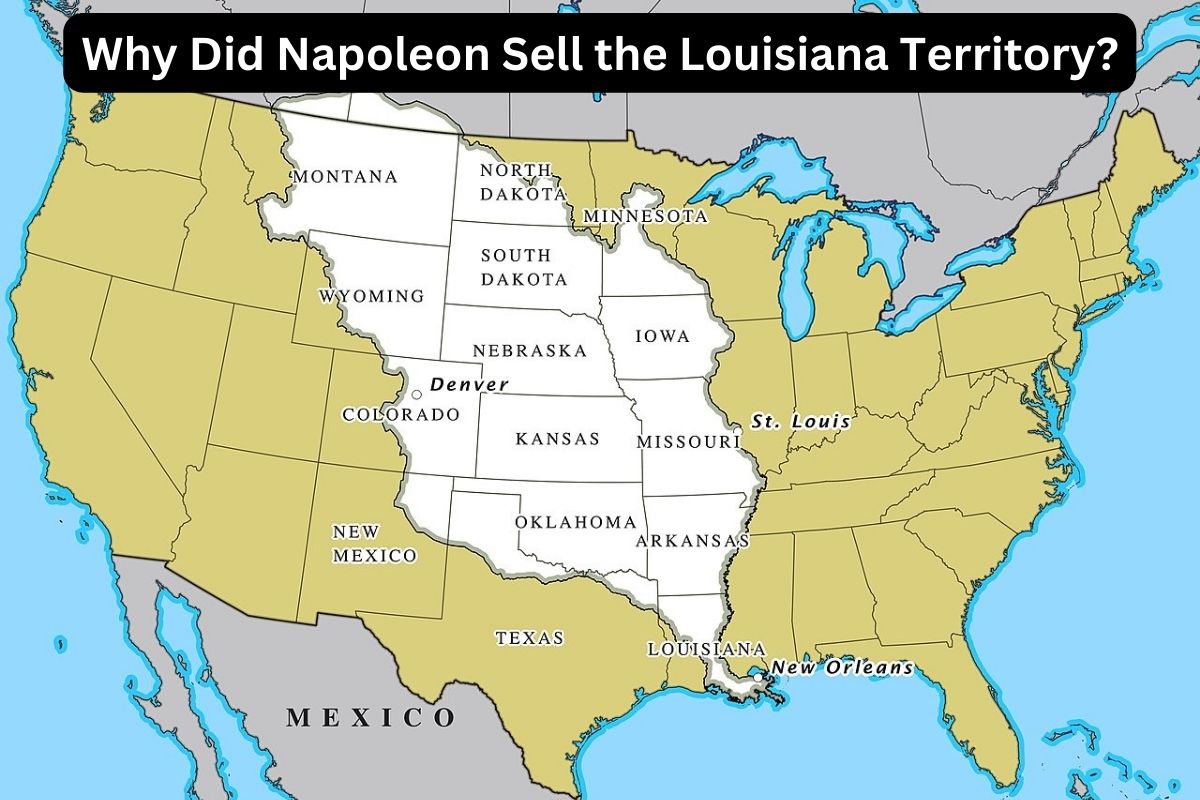
On April 30, 1803, the treaty was signed. For a mere $15 million (approximately $340 million in modern currency, an incredible bargain even then), the United States acquired approximately 828,000 square miles of land, effectively doubling the size of the young nation overnight. This equates to roughly 3 cents per acre. Napoleon, reportedly remarking on the sale, stated, “This accession of territory strengthens forever the power of the United States, and I have given England a maritime rival that will sooner or later humble her pride.”
The scale of the transaction was unprecedented, creating a vast western frontier that would captivate generations of American explorers, settlers, and, eventually, tourists.
The Lasting Legacy: Shaping a Continent for Travel and Exploration
The Louisiana Purchase stands as a monumental turning point in American history and had profound implications for the subsequent development of travel, tourism, and lifestyles across the continent.
New Frontiers for American Adventure
With the stroke of a pen, the United States gained control over a vast and largely unknown wilderness. This acquisition immediately paved the way for the famous Lewis and Clark Expedition, commissioned by President Jefferson to explore the new lands, chart the Missouri River to its source, and find a water route to the Pacific Ocean. Their epic journey, a testament to raw adventure and resilience, opened the eyes of Americans to the immense natural resources and breathtaking beauty of the west.
The purchase fueled the concept of Manifest Destiny, driving westward expansion and settlement. It created iconic migration routes like the Oregon Trail and the Santa Fe Trail, routes now revered by history buffs and adventurers tracing the footsteps of pioneers. Today, these historical trails offer unique travel experiences, inviting visitors to explore national parks, historic sites, and small towns that preserve the spirit of the frontier. The destinations within the original Louisiana Territory — from the vibrant cities of the Midwest to the majestic Rocky Mountains — have become prime locations for diverse activities such as hiking, camping, river cruises, and cultural immersion.

Modern Destinations and Diverse Lifestyles Born from the Purchase
The lands acquired through the Louisiana Purchase now comprise all or part of fifteen U.S. states, forming the heartland of America. Cities like St. Louis, once the “Gateway to the West,” continue to thrive as major cultural and economic centers, offering visitors a blend of history, architecture, and modern amenities. Kansas City, Denver, and Oklahoma City are just a few examples of urban destinations that owe their existence and growth, in part, to this colossal land deal.
For contemporary travelers, the impact of the Louisiana Purchase is evident everywhere. The boundless landscapes are home to numerous national parks and protected areas, offering opportunities for unparalleled nature experiences. From the bayous of Louisiana with their unique Cajun and Creole cultures and distinct food, to the rugged beauty of the northern plains and the majestic peaks of the Rockies, the territory promises diverse travel experiences.
Visitors can choose from a wide range of accommodation options, from luxury resorts offering world-class amenities in major cities, to cozy villas in wine country, or comfortable suites in historic downtown hotels. The region caters to every lifestyle and budget, whether it’s luxury travel, a family trip exploring history, a budget adventure through national forests, or a business stay in one of the booming urban centers. Modern tools for booking and comparison make it easier than ever to plan these trips, with reviews guiding choices and options for long-term stays for those seeking deeper immersion.
In conclusion, Napoleon’s decision to sell the Louisiana Territory was not a casual one but a calculated move born from strategic necessity. The catastrophic failure of his colonial ambitions in Saint-Domingue, coupled with the impending war in Europe and the urgent need for funds, forced him to abandon a dream and seize a pragmatic opportunity. For the United States, it was a stroke of incredible fortune, a deal that not only secured vital access to the Mississippi River but also set the stage for its rapid expansion, transforming it into the continental power it is today—a power whose vast destinations continue to beckon explorers and travelers from around the globe.
LifeOutOfTheBox is a participant in the Amazon Services LLC Associates Program, an affiliate advertising program designed to provide a means for sites to earn advertising fees by advertising and linking to Amazon.com. Amazon, the Amazon logo, AmazonSupply, and the AmazonSupply logo are trademarks of Amazon.com, Inc. or its affiliates. As an Amazon Associate we earn affiliate commissions from qualifying purchases.