
Boston, the vibrant capital of Massachusetts, is renowned for its rich history, iconic landmarks, and dynamic culture. However, another defining characteristic, particularly for those planning a winter visit or tracking local weather, is its propensity for significant snowfall. From blustery nor’easters to gentle flurries, snow plays a considerable role in shaping the city’s winter experience. Understanding Boston’s snowfall patterns is crucial not just for residents bundling up, but also for travelers eyeing a cozy, snow-dusted getaway, considering everything from travel logistics to accommodation choices and the best winter activities.
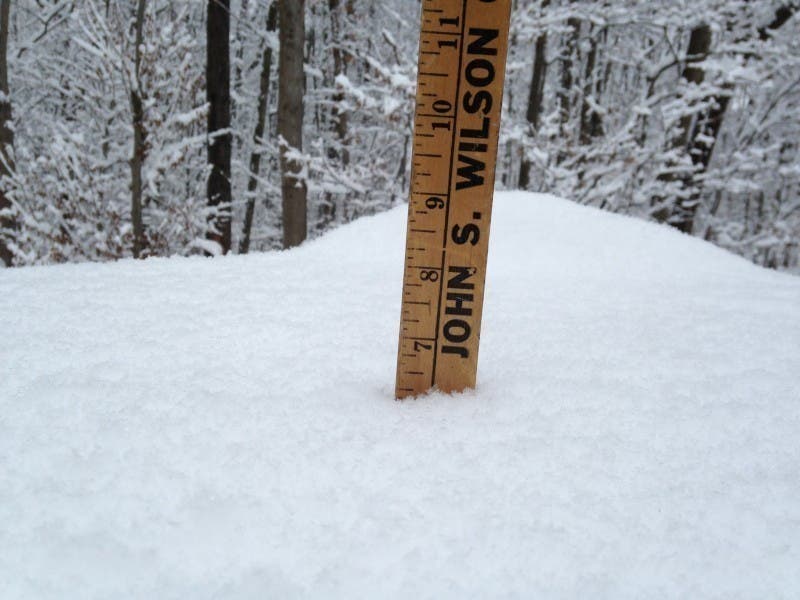
While the exact snowfall in any given season can vary dramatically, Boston experiences an average of about 43.6 inches of snow annually. Some years, this figure can be significantly higher, turning the city into a true winter wonderland. For instance, the infamous winter of 2014-2015 saw an unprecedented 110.6 inches, shattering records and transforming the urban landscape. More recent winters have seen fluctuating amounts, with some delivering lighter totals and others bringing several major storms. To get the most up-to-date information for a specific period, checking local weather forecasts and official city advisories is always recommended. This article will explore how Boston’s snow impacts travel, tourism, and lifestyle, offering insights for anyone planning to visit or simply curious about this historic city’s winter charm.
Navigating a Snowy Boston: Travel and Transportation Insights
For many, the first thought when considering a snowy destination is its impact on travel. Boston is a major metropolitan hub, and its transportation infrastructure is designed to handle winter conditions, though significant snowfall inevitably brings challenges. Planning ahead and understanding local operations are key to a smooth journey.
Airport Operations and Potential Delays
Logan International Airport (BOS), the primary gateway to Boston and New England, is a sophisticated facility well-versed in managing winter weather. During heavy snowfall, however, delays and cancellations are common. Airlines prioritize passenger safety, leading to de-icing procedures, runway plowing, and sometimes a temporary halt to operations during severe storms. Travelers flying into or out of Boston during winter months should always:
- Monitor Flight Status: Regularly check airline websites and apps for the latest updates.
- Arrive Early: Allow extra time for travel to the airport, security lines, and any unforeseen weather-related delays.
- Consider Travel Insurance: For unpredictable winter travel, insurance can offer peace of mind regarding cancellations and lost luggage.
- Pack Essentials: Keep warm layers, medications, and any crucial items in your carry-on, in case of unexpected overnight stays.
Despite the challenges, airport staff work tirelessly to clear runways and keep flights moving, ensuring that the magic of a snowy Boston remains accessible.
Public Transport Adjustments: The MBTA
The Massachusetts Bay Transportation Authority (MBTA), affectionately known as “the T,” is the backbone of Boston’s public transit system, encompassing subways, buses, commuter rail, and ferries. While the MBTA makes extensive preparations for winter, heavy snow can impact services:
- Subway (Subway): The underground portions of the system are generally less affected, but outdoor sections (especially the Green Line D, E, and B branches, and parts of the Red Line) can experience delays due to snow accumulation on tracks, switch failures, and power issues.
- Buses: Bus services are often the most impacted, as they operate on city streets. Routes may be delayed, detoured, or even temporarily suspended on unplowed roads or during active blizzards.
- Commuter Rail: The commuter rail, serving the wider Boston metropolitan area, can face delays due to track switches freezing, overhead catenary wire issues, and slower speeds.
- Ferries: Ferry services are most susceptible to cancellations during severe winds, heavy ice, or exceptionally cold temperatures in Boston Harbor.
The MBTA website and social media channels are the best sources for real-time service alerts during snow events. Visitors should always check these resources before heading out.
Driving and Parking Challenges
Driving in Boston during and after a snowfall presents its own set of challenges. Narrow, winding streets, especially in historic neighborhoods like Beacon Hill and the North End, become even more difficult to navigate.
- Parking Bans: The city often implements temporary parking bans on major arteries to allow plows to clear streets efficiently. Vehicles parked illegally during these bans are subject to ticketing and towing.
- Reduced Visibility: Active snowstorms can severely reduce visibility, making driving hazardous.
- Slippery Conditions: Ice and packed snow create slick surfaces, increasing the risk of accidents.
- Snow Piles: Even after streets are plowed, massive snow piles can reduce available parking spaces and obscure intersections.
For visitors, relying on public transportation, ride-sharing services, or simply walking (with appropriate winter footwear) is often the most practical approach during heavy snow. If driving is essential, ensure your vehicle is equipped with winter tires and drive with extreme caution.
Embracing Winter: Activities and Attractions in a Snowy Boston
While snow might pose logistical hurdles, it also transforms Boston into a picturesque winter wonderland, offering unique experiences that leverage the seasonal charm. From cultural institutions to outdoor recreation, there’s plenty to do when the city is blanketed in white.
Iconic Landmarks Under a Blanket of White
Many of Boston’s most famous landmarks gain a new, serene beauty when dusted with snow.
- Boston Common and Public Garden: These historic parks become idyllic scenes, perfect for a crisp winter stroll or even some impromptu sledding. The frozen Public Garden lagoon, with its snow-covered trees, is a sight to behold.
- Freedom Trail: While some outdoor portions might be harder to navigate, walking the Freedom Trail after a fresh snowfall offers a quieter, more reflective journey through history. Sites like the Old North Church and Paul Revere House stand out against the white backdrop.
- Fenway Park: Even in the off-season, the historic home of the Boston Red Sox looks majestic under a layer of snow. While games aren’t happening, the surrounding areas like Kenmore Square still buzz with a winter vibe.
- Copley Square: The architectural marvels of Trinity Church and the Boston Public Library are particularly striking when framed by snow. The ice rink often set up in the square adds to the festive atmosphere.
Remember to dress warmly and wear waterproof footwear to fully enjoy these outdoor sights.
Winter Sports and Outdoor Fun
For those who enjoy active pursuits, Boston offers several ways to embrace the chill.
- Ice Skating: Several outdoor rinks pop up across the city. The Frog Pond on Boston Common is arguably the most famous, offering a quintessential winter experience with the city skyline as a backdrop. Other popular spots include the rink at Kendall Square in Cambridge and occasionally in places like Copley Square or the Seaport District.
- Cross-Country Skiing and Snowshoeing: The extensive parks system, including Boston Common, the Public Garden, and paths along the Charles River Esplanade, can be perfect for cross-country skiing or snowshoeing after a significant snowfall, offering an urban wilderness experience.
- Sledding: Many smaller hills in city parks become popular sledding spots for families and fun-seekers of all ages after fresh snow.
These activities are a great way to experience Boston’s winter beauty firsthand and burn off some energy.

Cozy Indoor Experiences and Cultural Gems
When the weather is too severe for outdoor adventures, Boston’s wealth of indoor attractions provides a warm and enriching alternative.
- Museums: Boston boasts world-class museums, perfect for whiling away a snowy afternoon. The Museum of Fine Arts (MFA) offers vast collections spanning millennia, while the Isabella Stewart Gardner Museum provides a unique, intimate experience within a stunning Venetian-style palace. The Museum of Science, located on the Charles River, is excellent for families.
- New England Aquarium: A captivating destination on the waterfront, home to penguins, seals, and a colossal ocean tank.
- Faneuil Hall Marketplace and Quincy Market: These historic market halls are bustling year-round, offering a wide array of food stalls, shops, and street performers, all under shelter.
- Theaters and Performing Arts: Boston’s theater district comes alive in winter, with Broadway shows, local productions, and concerts providing ample entertainment.
- Cafés and Restaurants: There’s nothing quite like cozying up in one of Boston’s countless cafés with a warm drink or indulging in hearty New England cuisine like clam chowder in a charming North End Italian restaurant or a sophisticated Back Bay eatery.
These indoor options ensure that even on the chilliest or snowiest days, Boston offers a rich tapestry of experiences for every visitor.
Accommodation and Lifestyle: Making the Most of a Boston Winter Stay
Planning your accommodation and understanding the local winter lifestyle can significantly enhance your Boston experience, whether you’re visiting for a few days or considering a longer stay.
Booking Your Winter Getaway
When booking hotels or other accommodations in Boston during the snowy season, keep a few considerations in mind:
- Location: Staying near MBTA stops is highly advisable, especially if you plan to rely on public transport during snow. Hotels in areas like Downtown Crossing, Back Bay, or the Seaport District offer convenient access to attractions and transit.
- Amenities: Look for hotels with features that make winter travel more comfortable. Indoor pools, fitness centers, on-site restaurants, and cozy lounges can be a welcome retreat from the cold. Many hotels, such as the historic Omni Parker House or the luxurious Four Seasons Hotel Boston, offer an ambiance that perfectly complements the winter season.
- Flexibility: Consider booking accommodations with flexible cancellation policies, especially if you’re traveling during peak snow months (January-March) when travel plans might be impacted by storms.
- Early Booking for Peak Times: While winter is generally considered the off-season, popular weekends (e.g., around Valentine’s Day or school breaks) can still see higher demand and prices.
Hotel Amenities for Snowy Days
Hotels in Boston often cater to winter guests with specific amenities. Beyond the usual comforts, look for:
- Complimentary Hot Beverages: Many hotels offer coffee, tea, or hot chocolate in the lobby, a perfect way to warm up after a chilly outing.
- Valet Parking/Covered Parking: If you absolutely must drive, valet or covered parking can save you from digging your car out of snowdrifts.
- On-site Dining: Having a good restaurant within the hotel, like at The Ritz-Carlton, Boston, means you don’t have to brave the elements for every meal.
- Fireplaces: A cozy fireplace in the lobby or even in your suite can add a touch of luxury and warmth to your winter stay.
- Concierge Services: Knowledgeable concierges can provide up-to-the-minute information on weather, transportation, and local activities, helping you navigate the city efficiently.
Long-Term Stays and Winter Living
For those considering an extended stay in Boston during winter, perhaps for work or study at institutions like Harvard University or MIT, apartments and serviced residences become more appealing.
- Heating: Ensure any rental property has reliable and efficient heating. Old Boston homes can be drafty!
- Snow Removal: Clarify who is responsible for shoveling sidewalks and driveways. This is often a landlord’s responsibility but can sometimes fall to the tenant, which is important to know.
- Community Amenities: Long-term rentals in larger buildings might offer shared gyms, lounges, or even indoor parking, which are invaluable during winter.
- Neighborhood Vibe: Research neighborhoods like South End or Back Bay for their walkability to amenities even in winter, and the presence of local coffee shops and stores.
Embracing the winter lifestyle in Boston means being prepared but also appreciating the unique beauty and tranquility that snow brings to the city.
Preparing for Boston’s Winter Charm: Tips for Travelers and Locals
Whether you’re a first-time visitor or a seasoned resident, a few key preparations can ensure you fully enjoy Boston’s snowy season without getting caught off guard.
Essential Packing for Cold Weather
Dressing appropriately is paramount for enjoying Boston in winter. Think layers, warmth, and waterproofing.
- Layering System: Start with a moisture-wicking base layer, add an insulating mid-layer (fleece or down), and top with a waterproof and windproof outer shell.
- Warm Footwear: Invest in insulated, waterproof boots with good traction. Nothing ruins a snowy stroll like cold, wet feet.
- Headwear, Gloves, and Scarf: A warm hat, waterproof gloves or mittens, and a cozy scarf are essential for protecting extremities from the biting cold and wind, especially when walking along the Boston Harbor or Charles River.
- Wool Socks: These provide excellent insulation and help keep feet dry.
- Hand Warmers: Small, disposable hand warmers can be a lifesaver on particularly cold days.
Staying Informed and Flexible
Flexibility is your best friend when traveling to or living in a city that experiences significant snowfall.
- Monitor Weather Forecasts: Keep a close eye on local weather reports from reputable sources like the National Weather Service or local news channels (WCVB, WBZ) for snow accumulation predictions and storm warnings.
- Check City Advisories: The City of Boston website provides updates on parking bans, school closures, and emergency information during storms.
- Have Backup Plans: If an outdoor activity is canceled due to snow, have a few indoor alternatives in mind. If your flight is delayed, know your options for overnight stays.
- Stay Hydrated and Warm: Cold weather can be deceiving. Drink plenty of water and step indoors periodically to warm up.

Embracing the Beauty and Community Spirit
Ultimately, Boston in the snow is an experience unlike any other. The city transforms into a tranquil, almost magical landscape. The community spirit often shines brightest during and after a storm, with neighbors helping each other dig out and the shared experience creating a unique camaraderie.
Enjoy a warm drink in a historic café, walk through the hushed beauty of the Public Garden after a fresh snowfall, or simply watch the flakes fall from a cozy hotel window. Boston’s snow is more than just a weather event; it’s an integral part of its character, offering a truly memorable winter travel experience for those prepared to embrace its charm.
LifeOutOfTheBox is a participant in the Amazon Services LLC Associates Program, an affiliate advertising program designed to provide a means for sites to earn advertising fees by advertising and linking to Amazon.com. Amazon, the Amazon logo, AmazonSupply, and the AmazonSupply logo are trademarks of Amazon.com, Inc. or its affiliates. As an Amazon Associate we earn affiliate commissions from qualifying purchases.