
Understanding the definition of “low income” in California is crucial for a variety of reasons, from accessing essential state and federal assistance programs to comprehending the economic landscape of the Golden State. This definition is not static; it is fluid and is determined by the U.S. Department of Housing and Urban Development (HUD) and the California Department of Housing and Community Development (HCD). These agencies establish income limits based on a complex set of factors that reflect the significant cost of living and the diverse economic conditions across the state’s many counties. The term “low income” itself is relative and is often benchmarked against the median income for a particular geographic area, making the definition unique to each region within California.

The primary purpose behind establishing these income thresholds is to facilitate equitable distribution of housing assistance, community development grants, and other vital social services. For individuals and families seeking support, knowing where they fall within these income brackets can be the key to unlocking opportunities and resources designed to alleviate financial hardship. This article will delve into the methodologies used to define low income in California, explore the various income categories, and discuss the implications for residents and policymakers alike.
Defining Income Limits: The Methodology Behind the Numbers
The determination of income limits in California is a sophisticated process designed to accurately reflect the economic realities of its diverse population. The core principle is to establish benchmarks that differentiate various income levels relative to the median household income of a specific geographic area. This approach acknowledges that what might be considered a comfortable income in one part of the state could be a struggle in another, particularly given the vast disparities in housing costs, taxes, and general expenses across California’s counties.
Median Income as the Benchmark
At the heart of the definition lies the concept of Area Median Income (AMI). The AMI for a specific metropolitan area or county is calculated annually by HUD. This calculation considers the median income of all households within that defined geographic area. The AMI serves as the central reference point from which various income categories, including low income, are derived. It is important to note that AMI is not a fixed number for the entire state; it varies significantly from county to county and even between different metropolitan statistical areas. For instance, the AMI in high-cost regions like the San Francisco Bay Area or Los Angeles County will be considerably higher than in more rural or less expensive parts of the state.
Adjustments for Household Size
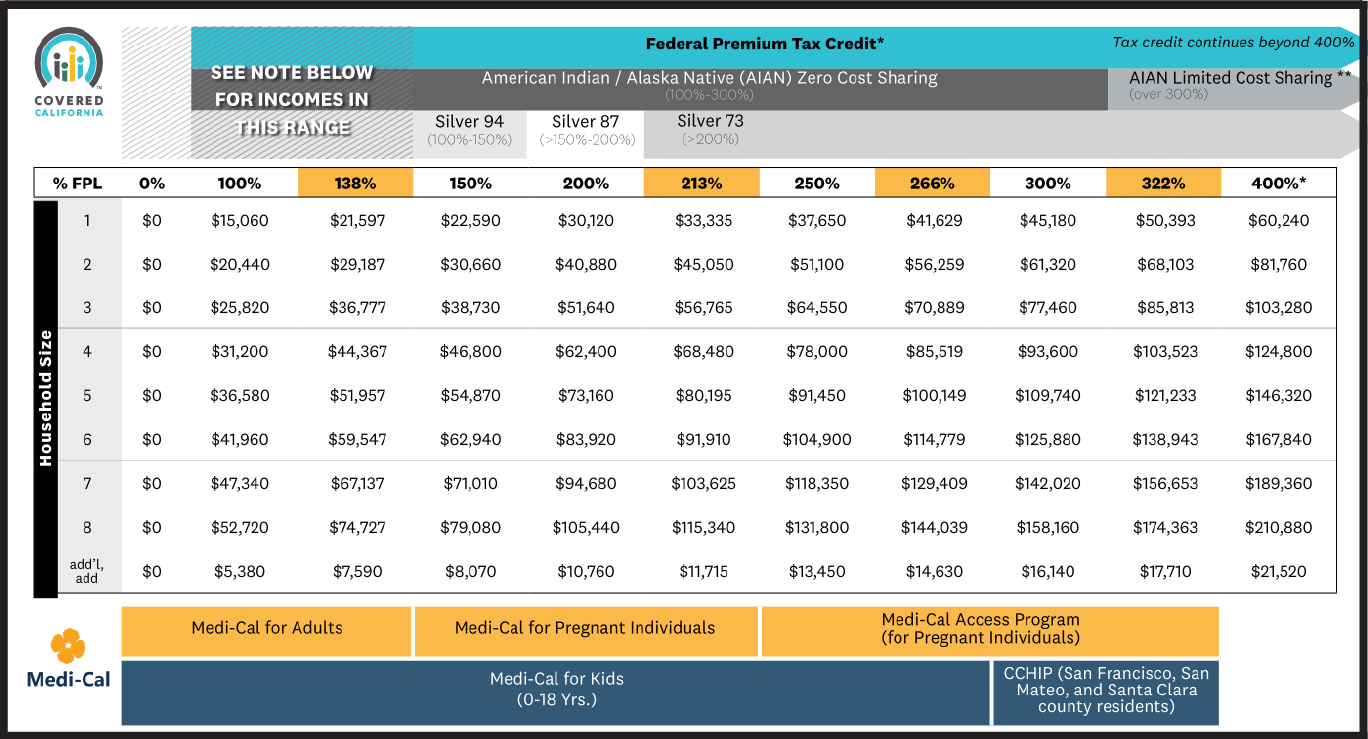
A critical component of the income limit calculation is the adjustment for household size. HUD and the HCD recognize that a larger family will naturally have higher expenses than a smaller one. Therefore, the income limits are not a flat number but are adjusted upwards for each additional person in the household beyond a standard unit (typically two people). This ensures that families of different sizes are assessed fairly and have access to programs proportionate to their needs. For example, the low-income threshold for a single individual will be significantly lower than that for a family of four in the same county. These adjustments are typically presented in tables that detail the maximum income allowed for households of one to eight people, with further adjustments for larger families.
Geographic Variations and Their Impact
The substantial geographic variations in California’s economy are a primary driver of the differences in income limits across the state. Counties with thriving tech industries, high housing demand, and a generally higher cost of living will have substantially higher median incomes and, consequently, higher income limits for all categories. Conversely, counties with less robust economies and lower housing costs will have lower median incomes and, thus, lower income limits. This means that a family might be considered “low income” in a high-cost urban center like San Diego but might fall into a higher income bracket in a more affordable rural county. This nuanced approach is essential for ensuring that assistance programs are targeted effectively and reach those who are genuinely struggling to meet basic needs within their specific local economic context.
Income Categories: Understanding the Spectrum
Within the framework established by HUD and HCD, “low income” is not a single designation but rather a category that is further subdivided to allow for more precise targeting of assistance. These categories are based on percentages of the Area Median Income (AMI), providing a spectrum of need that informs eligibility for various programs. Understanding these distinctions is vital for individuals seeking support and for organizations administering aid.

Very Low Income
The “Very Low Income” category typically refers to households with incomes at or below 50% of the AMI for their area. This is generally considered the most vulnerable income group, facing the greatest challenges in affording basic necessities, particularly housing. Programs targeting this group are often designed to provide the most substantial levels of assistance, such as deep rental subsidies, emergency housing support, and vital social services aimed at preventing homelessness and improving overall well-being. Eligibility for initiatives like the Section 8 Housing Choice Voucher Program, for instance, often prioritizes households within this income bracket.
Low Income
The “Low Income” designation encompasses households earning between 50% and 80% of the AMI. This is a broader category that includes a significant portion of the population facing financial constraints. While not as acutely vulnerable as those in the “Very Low Income” bracket, individuals and families within the “Low Income” range still struggle with the high cost of living in California. They may qualify for a range of housing assistance programs, including subsidized housing developments, affordable rent programs, and various tax credits. Furthermore, they might be eligible for other forms of public assistance, such as food assistance programs (like CalFresh) or energy assistance, depending on specific program requirements and their exact income level within this range.
Extremely Low Income
Some programs also utilize an “Extremely Low Income” category, which typically defines households with incomes at or below 30% of the AMI. This is the most severe end of the income spectrum, representing individuals and families facing profound economic hardship and often experiencing multiple barriers to stability, including unstable housing, food insecurity, and limited access to healthcare. Assistance for this group is usually the most intensive and comprehensive, aiming to provide immediate relief and pathways to greater economic security.
Implications for Residents and Policymakers
The definition and application of low-income thresholds in California have far-reaching implications for both the residents navigating these financial realities and the policymakers tasked with creating supportive systems. For individuals and families, these definitions directly influence their access to crucial resources. For policymakers, they shape the design, implementation, and effectiveness of programs aimed at addressing poverty, inequality, and housing affordability.
Access to Housing Assistance Programs
The most direct impact of income definitions is on access to housing assistance. California, like many states, faces a severe housing affordability crisis. Programs such as the Low-Income Housing Tax Credit (LIHTC), which incentivizes the development of affordable rental housing, rely heavily on these income definitions to ensure that the housing created serves those most in need. State and local initiatives, such as rent control ordinances, down payment assistance programs for first-time homebuyers, and public housing authorities, all utilize income eligibility criteria. Understanding whether one falls into the “low income” or “very low income” bracket can be the difference between securing stable housing and facing housing insecurity. For example, a family seeking to move into an affordable housing complex managed by the Los Angeles Housing Department would need to meet specific income requirements based on the AMI for Los Angeles County.
Eligibility for Other Public Services and Benefits
Beyond housing, low-income definitions are critical for a wide array of other essential services and benefits. This includes eligibility for nutritional assistance programs like CalFresh (California’s Supplemental Nutrition Assistance Program), healthcare subsidies through programs like Medi-Cal, energy assistance programs (such as the Low Income Home Energy Assistance Program – LIHEAP), and educational support services. Many non-profit organizations and community-based initiatives also use these income benchmarks to determine eligibility for their services, which can range from job training and financial literacy workshops to childcare assistance and legal aid. The state’s commitment to supporting its most vulnerable populations is intrinsically linked to its ability to accurately define and respond to varying levels of income need.
Informing Policy and Program Development
For policymakers at the state and local levels, accurate income data and well-defined income categories are indispensable tools for effective governance. They inform the allocation of federal and state funding, the design of new initiatives, and the evaluation of existing programs. By understanding the prevalence and geographic distribution of low-income populations, lawmakers can develop targeted strategies to address specific challenges, such as creating more affordable housing in high-cost areas or expanding access to healthcare in underserved communities. The continuous monitoring and adjustment of income limits by HUD and HCD are essential for ensuring that these policies remain relevant and responsive to the dynamic economic conditions of California, a state renowned for its innovation and its persistent challenges with economic inequality. The efforts to maintain a balance between economic growth and equitable access to resources remain a central focus of California’s policy landscape.
LifeOutOfTheBox is a participant in the Amazon Services LLC Associates Program, an affiliate advertising program designed to provide a means for sites to earn advertising fees by advertising and linking to Amazon.com. Amazon, the Amazon logo, AmazonSupply, and the AmazonSupply logo are trademarks of Amazon.com, Inc. or its affiliates. As an Amazon Associate we earn affiliate commissions from qualifying purchases.