
Florida – the very name conjures images of sun-drenched beaches, crystal-clear waters, and, perhaps most prominently, the graceful silhouettes of palm trees swaying in a gentle breeze. These iconic trees are synonymous with the Sunshine State’s tropical allure, defining its landscapes from bustling city avenues to serene coastal shores. They are the backdrop to countless vacations, the shade providers for relaxing afternoons, and the very symbol of a laid-back, paradise-like lifestyle that draws millions of visitors annually. Yet, amidst this ubiquitous presence, a fascinating question often arises: are these magnificent palms truly native to Florida, or are they beloved transplants that have found a welcoming home?
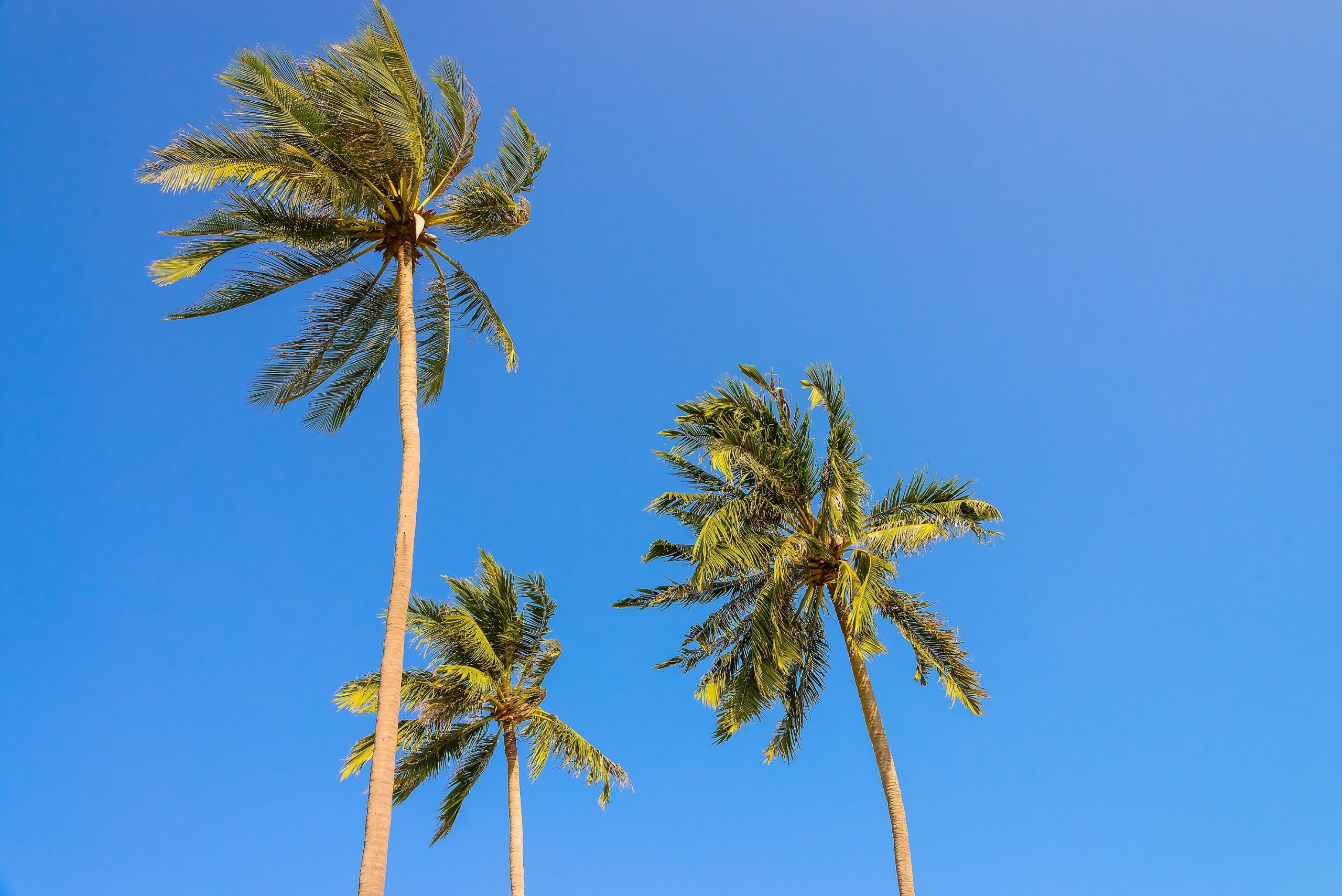
The answer, much like Florida’s rich biodiversity, is nuanced and more complex than a simple yes or no. While many of the palms gracing the state’s resorts, theme parks, and boulevards have indeed been introduced from other tropical regions around the world, Florida is also home to a proud lineage of native palm species. These indigenous varieties have adapted to the unique Floridian climate and ecosystems over millennia, playing vital roles in the state’s natural history and ecology. Understanding this distinction enriches our appreciation for Florida’s natural heritage and offers a deeper insight into the lifestyle and tourism experiences that define this captivating destination.
The Indigenous Legacy: Florida’s True Native Palms
Long before European explorers set foot on its shores, Florida’s landscape was already graced by an impressive array of native palms. These resilient species have evolved to thrive in the state’s diverse habitats, from humid swamps to dry scrublands, contributing significantly to the local ecosystem and shaping the natural character of various landmarks. Their story is intertwined with the very fabric of Florida’s wilderness and the indigenous cultures that once flourished here.
The Enduring Sabal Palm: Florida’s State Tree
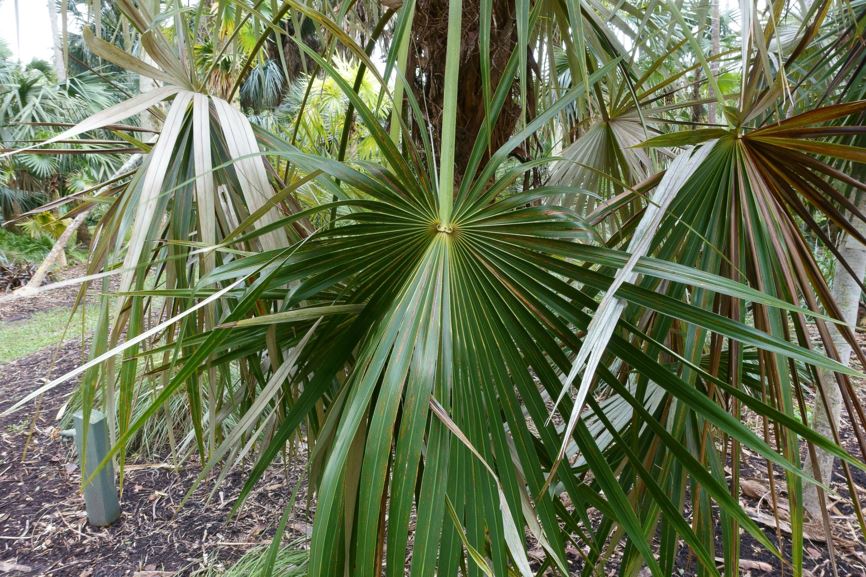
Undoubtedly the most recognizable and significant native palm is the Sabal Palm (Sabal palmetto), proudly designated as Florida’s state tree. Its presence spans the entire state, from the northern panhandle down to the Florida Keys, making it a true symbol of resilience and adaptability. The Sabal Palm is characterized by its sturdy, often curving trunk, which can grow up to 60 feet tall, and its large, fan-shaped fronds. Unlike many other palms, its trunk retains old leaf bases, creating a textured “bootjack” appearance that offers shelter to various wildlife, including bats, birds, and insects.
Ecologically, the Sabal Palm is a cornerstone of many Floridian ecosystems. Its berries provide a crucial food source for a wide range of animals, from raccoons and bears to migratory birds, especially during critical foraging seasons. The fibrous heart of the palm, known as “swamp cabbage” or “palm heart,” was historically a significant food source for native peoples and early settlers, though its harvesting today is largely limited to commercial operations to protect wild populations.
For visitors, encountering a majestic Sabal Palm in its natural habitat – perhaps within a state park like Myakka River State Park or on a remote stretch of coastline – offers a profound connection to authentic Florida. These palms are not just aesthetically pleasing; they are living testaments to the state’s enduring natural beauty and an integral part of the experience for those seeking genuine Florida adventures and immersive tourism.
Other Notable Natives: A Diverse Arboreal Heritage
Beyond the prominent Sabal Palm, Florida boasts several other remarkable native palm species, each contributing to the state’s diverse ecological tapestry. These species, while perhaps less globally recognized, are equally important in maintaining Florida’s unique natural habitats and offer distinct experiences for travelers and nature enthusiasts.
The Saw Palmetto (Serenoa repens) is a ubiquitous sight, especially in the state’s scrub and pine flatwood ecosystems. Often growing as a low-lying shrub with fan-shaped fronds, it forms dense thickets that provide crucial cover and forage for a multitude of wildlife, including the Florida black bear. Its berries are a vital food source and have also been traditionally used for medicinal purposes. While not as tall and stately as its Sabal Palm cousin, the Saw Palmetto’s ecological importance cannot be overstated, making it a critical component of healthy Floridian landscapes.
Another striking native is the Royal Palm (Roystonea regia), particularly prevalent in South Florida. Often mistaken for an introduced species due to its majestic stature, the Florida Royal Palm (a specific variety) is indeed indigenous, especially in the wetlands of Everglades National Park and the Big Cypress National Preserve. Reaching heights of up to 100 feet, with a smooth, grey trunk that swells at the base and a crown of vibrant green fronds, it exudes an unparalleled elegance. Its grand presence makes it a favorite for landscaping in luxury resorts and public gardens, marrying natural beauty with a touch of opulence. Seeing these magnificent trees lining an avenue or emerging from the vastness of the Everglades is an awe-inspiring experience for any visitor.
Less common but equally fascinating are the Thatch Palm (Thrinax radiata) and the Silver Palm (Coccothrinax argentata). These smaller, more delicate palms are primarily found in the coastal hammocks and limestone outcroppings of South Florida and the Florida Keys. The Thatch Palm was historically used by indigenous people to make thatch for roofing, showcasing its utility beyond mere aesthetics. The Silver Palm, with the distinctive silvery undersides of its fronds, adds a unique sparkle to the coastal environment. Discovering these rarer species often requires a visit to specialized botanical gardens, nature preserves, or remote sections of the Keys, offering a rewarding experience for ecotourism enthusiasts and those seeking unique natural landmarks.
These native palms are more than just trees; they are living monuments to Florida’s natural history, providing habitat, food, and a timeless beauty that defines much of the state’s authentic charm. For travelers interested in sustainable tourism and exploring Florida’s untouched natural side, understanding and appreciating these indigenous species is paramount.
The Allure of the Exotic: Introduced Palms and Their Impact
While Florida’s native palms are ecologically vital and historically significant, the image many people hold of the Sunshine State is often shaped by the multitude of non-native species that now thrive across its landscapes. These introduced palms, carefully selected for their aesthetic appeal, rapid growth, and adaptability, have become integral to Florida’s identity as a tropical paradise, particularly within its bustling tourist destinations and residential areas.
From Tropical Shores to Floridian Landscapes: The Journey of Non-Native Palms
The influx of non-native palms into Florida began in earnest with the development booms of the 19th and 20th centuries. Developers and landscapers sought to enhance the subtropical ambiance, creating an instant “tropical” feel that resonated with the burgeoning tourism industry. Palms from the Caribbean, Mexico, Central America, South America, Asia, and Africa were imported, transforming cityscapes and resort properties into lush, verdant oases.
The quintessential example is the Coconut Palm (Cocos nucifera). Although it instantly evokes images of sunny beaches and tropical getaways, the Coconut Palm is not truly native to Florida north of the extreme South Florida region, where it naturally established itself from ocean-borne seeds. It thrives in frost-free coastal areas, making it a ubiquitous sight along the beaches of Miami, Fort Lauderdale, and Key West. Its tall, slender trunk and large, feathery fronds are synonymous with vacation and relaxation, providing shade and a picturesque backdrop for many a luxury hotel and beachfront resort.
Other popular introduced species include the Queen Palm (Syagrus romanzoffiana) from South America, admired for its smooth trunk and graceful, arching fronds, which is a common feature in residential areas and commercial landscaping. The Date Palm (Phoenix dactylifera) and its relatives like the Canary Island Date Palm (Phoenix canariensis) from North Africa and the Middle East, with their stout trunks and stiff, feathery fronds, add a majestic, almost regal presence to grand estates and public spaces. The Washingtonia Palm (Washingtonia robusta) from Mexico and the southwestern United States is another frequent sight, particularly in urban environments, known for its tall, slender silhouette and fan-shaped fronds, often forming dramatic avenues.
These non-native palms contribute immensely to Florida’s tourism appeal. They define the aesthetic of many travel destinations, from the lavish grounds of a Walt Disney World Resort in Orlando to the chic streets of South Beach in Miami, creating the immersive “tropical escape” that draws visitors from colder climates. For hoteliers and property managers, these palms are an essential element in curating the desired ambiance for their guests, making them a cornerstone of Florida’s accommodation and lifestyle offerings.
Balancing Beauty and Biodiversity: The Ecological Considerations
While introduced palms undoubtedly enhance Florida’s visual appeal and bolster its tourism industry, their widespread use also presents important ecological considerations. The balance between aesthetic beauty and the preservation of native biodiversity is a critical aspect of sustainable tourism and responsible land management in the state.
One primary concern with non-native species is their potential for invasiveness. Some introduced palms, if not managed carefully, can escape cultivation and establish themselves in natural areas, outcompeting native plants for resources and potentially disrupting delicate ecosystems. This can lead to a reduction in native plant diversity and impact the wildlife that relies on indigenous flora for food and shelter. For instance, while beloved, certain exotic palms may not provide the same nutritional value or habitat structure for native wildlife species as their native counterparts.
Furthermore, introduced palms can sometimes be susceptible to pests and diseases from their native regions that do not have natural predators in Florida, or conversely, they may be vulnerable to local pests that native palms have evolved to resist. This can lead to significant management challenges for landscapers and homeowners, impacting the overall health of the urban and suburban canopy.
However, many introduced palms are not invasive and simply contribute to the cultivated landscape. Responsible landscaping practices, such as choosing non-invasive species, proper planting, and ongoing maintenance, are crucial to mitigate potential negative impacts. Conservation efforts by organizations and botanical gardens, like Fairchild Tropical Botanic Garden in Miami or Naples Botanical Garden, play a vital role in educating the public about native and appropriate non-native plant choices, promoting biodiversity, and conducting research on palm conservation.
For travelers, this dichotomy offers a chance to explore different facets of Florida. They can appreciate the designed beauty of landscapes at luxurious resorts and urban landmarks, while also seeking out experiences that connect them with the state’s authentic native wilderness. Understanding these ecological nuances contributes to a more informed and appreciative visit, allowing for a deeper engagement with Florida’s living landscape.
Palms in the Sunshine State’s Tapestry: Tourism, Lifestyle, and Landmarks
Palms are not merely botanical specimens in Florida; they are woven into the very fabric of its identity, influencing everything from postcard-perfect vistas to the daily rhythms of life. Their presence is a key driver of tourism, a defining characteristic of the Floridian lifestyle, and an enduring feature of many iconic landmarks.
Iconic Scenery: How Palms Define Florida’s Appeal
The image of a palm-lined beach or a majestic boulevard shaded by swaying fronds is instantly recognizable as Florida. This iconic scenery is a powerful magnet for tourists seeking sun, warmth, and a touch of the exotic. Palms contribute to the visual narrative of “tropical paradise,” making destinations like Miami Beach, Fort Lauderdale, Sarasota, and Palm Beach instantly appealing.
Hotels and resorts leverage this aesthetic to create immersive experiences. From the moment guests arrive at a grand property like the Waldorf Astoria Orlando or a boutique hotel in Key West, they are enveloped by lush, palm-filled landscapes that immediately signal a departure from the everyday. The architecture, swimming pools, and outdoor dining areas are often designed to integrate seamlessly with these verdant surroundings, enhancing the sense of luxury travel and relaxation. Palms provide natural shade, create cooling breezes, and their rustling fronds add a soothing soundtrack to any vacation.
Beyond the curated beauty of resorts, palms line historic districts, providing a timeless elegance to architectural gems in places like St. Augustine or the art deco facades of Miami’s South Beach. They frame scenic drives, such as the Overseas Highway leading to the Florida Keys, turning a simple journey into a memorable experience. This pervasive visual presence ensures that palms remain central to Florida’s brand as a premier travel destination, influencing everything from promotional materials to visitor expectations.
Experiencing Palms: Where to See Them Up Close
For those who wish to delve deeper into the world of palms, Florida offers numerous opportunities to experience these magnificent trees up close, from sprawling botanical gardens to pristine natural preserves. These locations provide not only stunning visual spectacles but also educational insights into the diversity and importance of palms.
One of the foremost places to explore palm diversity is Fairchild Tropical Botanic Garden in Coral Gables, near Miami. Renowned internationally for its extensive palm collection, Fairchild showcases hundreds of species from around the globe, alongside many of Florida’s native varieties. Walking through its palm groves is an immersive experience, perfect for plant enthusiasts and casual visitors alike, offering a glimpse into the incredible variety within this plant family.
Another exceptional destination is Naples Botanical Garden, which features diverse tropical ecosystems, including a dedicated palm collection. Here, visitors can learn about the different growth habits, ecological roles, and cultural significance of various palms in a beautifully designed setting. Similarly, the Morikami Museum and Japanese Gardens in Delray Beach integrates palms into its tranquil landscapes, offering a serene environment for appreciation.
For a blend of art and nature, the Ringling Museum in Sarasota boasts meticulously maintained grounds, including a banyan tree grove and various palm specimens, complementing its impressive art collections. And for a truly wild experience, exploring the native Royal Palms towering over the wetlands of Everglades National Park or observing Sabal Palms in any of Florida’s numerous state parks offers an authentic connection to the state’s natural heritage. Many nature guides and ecotourism operators offer tours focused on Florida’s unique flora, providing excellent opportunities for a deeper understanding.
When planning accommodation, consider hotels and resorts that boast extensive landscaping, as these often feature a curated collection of palms, both native and exotic, that contribute to their unique appeal. From boutique hotels offering intimate escapes to grand resorts providing all-encompassing luxury, the presence of palms is a hallmark of Floridian hospitality and a vital part of the overall experience.
Palms and Florida Living: Beyond the Aesthetics
Beyond their aesthetic appeal and role in tourism, palms are an integral part of the daily lifestyle for Florida residents. They offer more than just beauty; they contribute to the comfort and unique character of living in the Sunshine State. The shade cast by a large palm can significantly cool a patio or a portion of a garden, a welcome relief in the subtropical heat. The gentle rustling of fronds in the breeze provides a calming ambient sound, a natural soundtrack to outdoor living.
Architecturally, palms are often incorporated into building designs, framing entryways, lining driveways, and creating a sense of natural grandeur for homes and commercial properties alike. They are an essential element in the “tropical modern” or “Floridian” architectural styles, blurring the lines between indoor and outdoor living. This integration enhances the overall quality of life, fostering a relaxed and visually appealing environment that is intrinsically linked to the concept of a Florida lifestyle.
Economically, the palm industry is a significant segment of Florida’s horticulture and landscaping sectors. Nurseries specialize in growing a vast array of palm species for both local consumption and export, supporting jobs and contributing to the state’s agricultural economy. This robust industry ensures that palms continue to shape Florida’s landscape for generations to come, satisfying both the demand for classic tropical aesthetics and the desire for native ecological restoration.
Whether it’s the view from a hotel balcony, the shade during a walk through a city park, or the natural beauty encountered during a wilderness adventure, palms are an inescapable and cherished aspect of the Floridian experience. They embody the relaxed, sun-kissed lifestyle that residents enjoy and the escapist fantasy that draws visitors from around the globe, solidifying their status as true icons of the Sunshine State.

Conclusion: A Verdant Legacy and a Living Landscape
The question “Are palms native to Florida?” reveals a rich narrative of natural history, cultural adaptation, and modern development. The answer is a resounding “yes,” some are—and those native species, like the iconic Sabal Palm and the ecologically vital Saw Palmetto, are fundamental to Florida’s unique ecosystems and indigenous heritage. They are resilient survivors, shaped by millennia of Floridian sun and storms, offering crucial habitats and resources to local wildlife.
However, the “yes” is beautifully complemented by a vibrant “and also.” Many of the palms that paint the picturesque scenes of Florida today – from the towering Coconut Palms of Miami Beach to the elegant Queen Palms gracing suburban developments – are introduced species. These exotic beauties have been embraced for their aesthetic appeal, contributing significantly to the state’s identity as a premier tropical travel destination. They are integral to the allure of Florida’s resorts, urban landscapes, and the lifestyle it promises, creating the lush, verdant backdrops for countless unforgettable vacations and daily routines.
This dual heritage—a blend of indigenous resilience and introduced splendor—is precisely what makes Florida’s palm landscape so captivating. It tells a story of evolution, migration, and human influence, reflecting the state’s dynamic past and present. For travelers, understanding this distinction enriches the experience, allowing for an appreciation of both the pristine natural landmarks and the meticulously crafted environments that define Florida.
Whether you’re exploring the untouched wilderness of a state park, lounging by the pool at a luxury resort, or simply driving down a palm-lined avenue, these magnificent trees are a constant reminder of Florida’s unique charm. They are more than just plants; they are living symbols of the Sunshine State’s enduring appeal, inviting visitors and residents alike to immerse themselves in its verdant, vibrant, and utterly unmistakable beauty.
LifeOutOfTheBox is a participant in the Amazon Services LLC Associates Program, an affiliate advertising program designed to provide a means for sites to earn advertising fees by advertising and linking to Amazon.com. Amazon, the Amazon logo, AmazonSupply, and the AmazonSupply logo are trademarks of Amazon.com, Inc. or its affiliates. As an Amazon Associate we earn affiliate commissions from qualifying purchases.