
Deciding on the “best” time to visit New York City is a wonderfully complex question, much like the city itself. There isn’t a single, definitive answer because the ideal time hinges entirely on your personal preferences, priorities, and what kind of experience you’re hoping to glean from this iconic metropolis. From the vibrant energy of summer to the festive sparkle of winter, the blossoming beauty of spring, and the crisp charm of autumn, New York offers a distinct allure in every season. This comprehensive guide, drawing from extensive travel expertise and a deep understanding of tourism trends, will help you navigate the seasonal nuances, allowing you to pinpoint your perfect moment to explore the Big Apple.
Before diving into the specifics of each season, it’s worth noting that New York City is a year-round destination. Its landmarks, attractions, and cultural institutions are always open, offering endless possibilities. What changes with the seasons are the outdoor activities, the type of clothing you’ll need, the size of the crowds, and crucially, the cost of accommodation and flights. Understanding these variables is key to planning a fulfilling and enjoyable trip, whether you’re seeking luxury travel or a budget-friendly adventure.
Seasonal Charms and Considerations
Each season paints New York City with a different brush, offering unique experiences and challenges. Let’s break down what to expect throughout the year.
Spring’s Gentle Awakening (March to May)
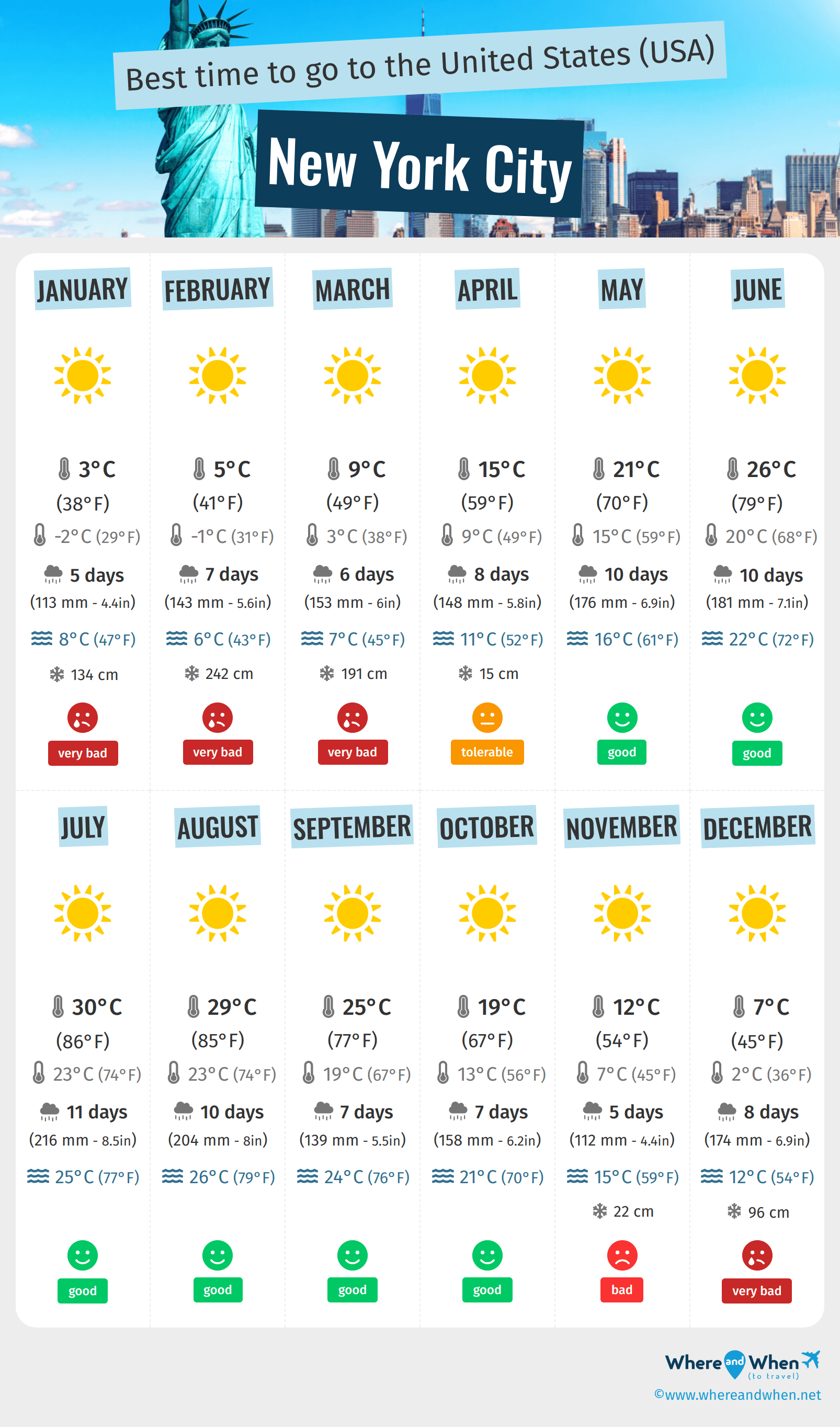
Spring in New York City is arguably one of the most delightful times to visit, especially for those who appreciate milder weather and nature’s reawakening. As the city shakes off its winter chill, temperatures gradually rise from cool to comfortably warm, typically ranging from 40°F (4°C) to 70°F (21°C). This shoulder season presents an excellent balance between pleasant weather, manageable crowd sizes, and reasonable travel costs, positioning it as a strong contender for the “best time.”
What to Expect:
- Weather: Expect crisp, sunny days interspersed with occasional rain showers. Layering is advisable, as mornings can be cool and afternoons pleasant.
- Crowds: While not empty, crowds are generally lighter than during the peak summer and fall months, making it easier to navigate popular sites like the Empire State Building or the Metropolitan Museum of Art.
- Activities & Events:
- Blooming Parks: Central Park transforms into a riot of color with cherry blossoms, magnolias, and daffodils. It’s perfect for leisurely strolls, picnics, or rowboat rentals on Central Park Lake. Other green spaces like Washington Square Park and the High Line also come alive.
- Outdoor Dining: Sidewalk cafes begin to open, offering fantastic opportunities for people-watching in neighborhoods like Greenwich Village and SoHo.
- Festivals & Parades: The Easter Parade on Fifth Avenue is a spectacle of elaborate hats. Early spring might also feature special events like the Macy’s Flower Show.
- Cultural Exploration: Ideal weather for exploring outdoor landmarks such as the Statue of Liberty and Ellis Island, or walking across the Brooklyn Bridge.
- Costs: Accommodation and flight prices are typically moderate, offering better value than peak season. It’s a great time for both budget travel and more luxurious stays, as upscale hotels might offer slightly reduced rates.
Summer’s Sizzling Energy (June to August)
Summer in New York City is synonymous with vibrant energy, long days, and an endless array of outdoor activities. Temperatures are warm to hot, often humid, ranging from 70°F (21°C) to 90°F (32°C) or higher. This is peak tourism season, drawing huge crowds, particularly families on summer vacation.
What to Expect:
- Weather: Expect hot and humid conditions, sometimes punctuated by intense thunderstorms. Air conditioning will be your best friend.
- Crowds: This is the busiest time of year. Major attractions, Broadway shows, and popular neighborhoods will be bustling. Be prepared for queues and book everything well in advance.
- Activities & Events:
- Outdoor Concerts & Movies: Central Park SummerStage and Shakespeare in the Park are iconic experiences. Many parks host free movie nights.
- Beach Escapes: Head to Coney Island for a quintessential American boardwalk experience, or explore the calmer beaches of Rockaway.
- Festivals & Parades: Pride March is a massive celebration in June. The Independence Day fireworks over the East River are spectacular. Street fairs and block parties are common.
- Rooftop Bars: Take advantage of the warm evenings at one of Manhattan’s many trendy rooftop bars.
- Governors Island: Open seasonally, it offers fantastic views, bike rentals, and relaxation away from the city bustle.
- Costs: This is the most expensive time to visit. Hotels, flights, and even some attractions will be at their premium. Booking your accommodation (whether a luxury suite or a budget apartment) and experiences months in advance is crucial.
Autumn’s Golden Embrace (September to November)
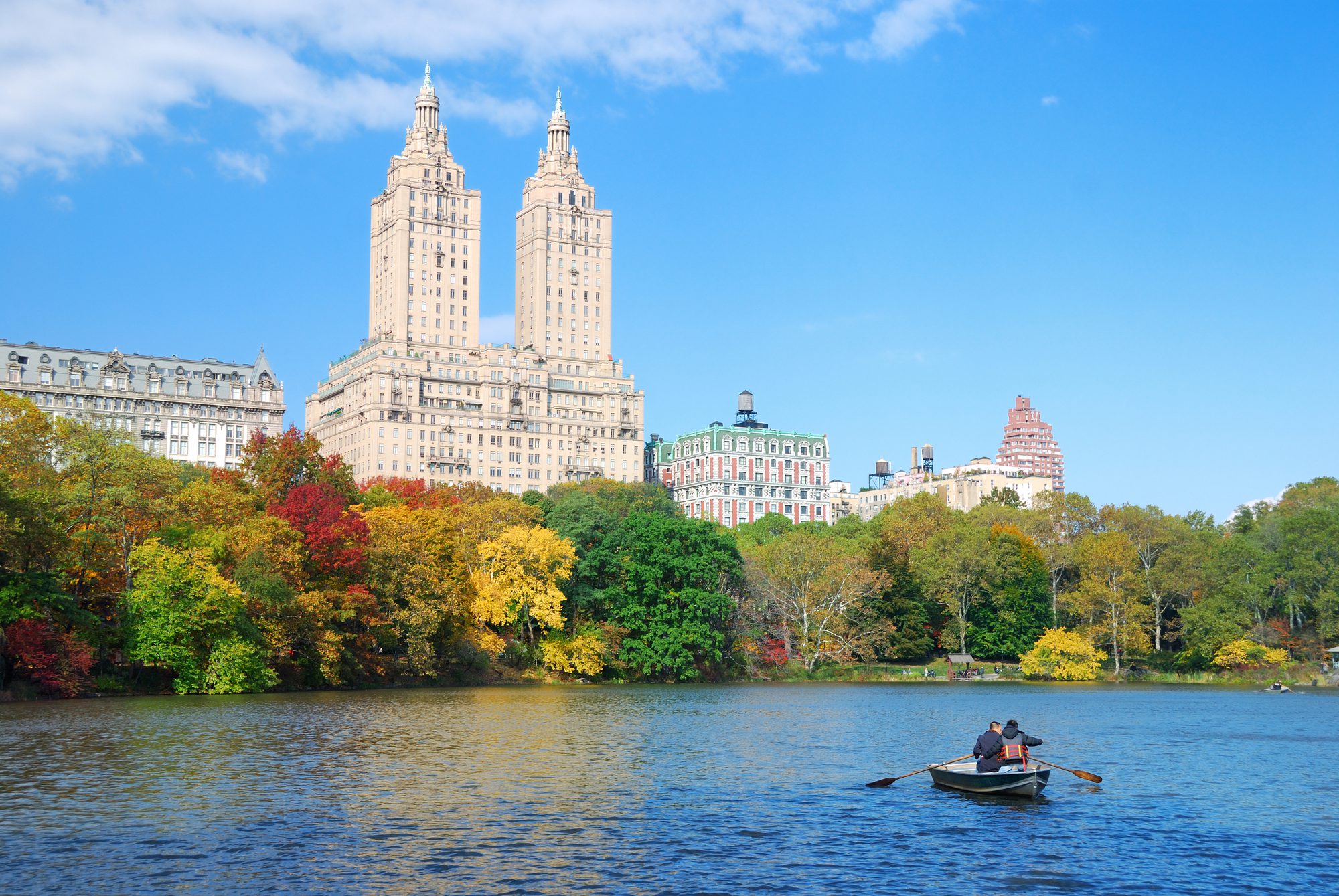
Fall is widely considered the quintessential “best time” to visit New York City, and for good reason. The weather is glorious—crisp, clear, and comfortably cool, ranging from 50°F (10°C) to 70°F (21°C). The humidity of summer is gone, and the city’s parks erupt in a breathtaking display of fall foliage. However, this popularity comes with a price, as it’s also one of the busiest and most expensive periods.
What to Expect:
- Weather: Perfect weather for walking and exploring. Mild temperatures, low humidity, and plenty of sunshine create ideal conditions.
- Crowds: Expect significant crowds, especially around major holidays and popular viewing spots for fall foliage.
- Activities & Events:
- Fall Foliage: Witnessing the changing leaves in Central Park, Prospect Park in Brooklyn, or along the High Line is an unforgettable experience.
- Cultural Season: The Broadway season is in full swing, and art galleries and museums unveil new exhibitions.
- Festivals & Parades: The U.S. Open tennis tournament kicks off in early September. The Columbus Day Parade and Veterans Day Parade add to the city’s vibrant street life. Halloween in Greenwich Village features a famous parade. The pinnacle is the Macy’s Thanksgiving Day Parade, a truly iconic event.
- Food Scene: Enjoy outdoor dining before the cold sets in, and indulge in seasonal menus at the city’s world-class restaurants.
- Costs: Similar to summer, accommodation and flight prices are at their highest, especially around Fashion Week in September and Thanksgiving in November. Book well in advance to secure your preferred hotel or apartment.
Winter’s Festive Glow (December to February)
Winter in New York City is a tale of two halves: the magical, bustling holiday season and the quieter, often biting cold period after New Year’s. Temperatures range from a chilly 20°F (-6°C) to 40°F (4°C), often dropping below freezing, with snow a distinct possibility.
What to Expect:
- Weather: Cold and potentially snowy. Dress warmly in layers, including a heavy coat, hat, gloves, and waterproof boots.
- Crowds: Extremely crowded during December, especially around major holiday attractions like Rockefeller Center and Times Square. After New Year’s Eve, crowds thin out significantly, making January and February the least busy months.
- Activities & Events:
- Holiday Magic (December): The city transforms into a winter wonderland. Witness the iconic Rockefeller Center Christmas Tree, marvel at department store window displays on Fifth Avenue (Macy’s Herald Square, Saks Fifth Avenue), and enjoy ice skating at Bryant Park’s Winter Village or Rockefeller Center. The Radio City Christmas Spectacular with the Rockettes is a must-see.
- New Year’s Eve: The Ball Drop in Times Square is a world-famous event, though incredibly crowded and requiring an early arrival.
- Post-Holiday Calm (January & February): This is an excellent time for indoor activities without the crowds. Explore world-class museums like the American Museum of Natural History or the Museum of Modern Art. Catch a Broadway show, often with discounted tickets during Broadway Week. Enjoy cozy cafes and the city’s vibrant culinary scene.
- Costs: Accommodation and flight prices are extremely high in December, particularly the week leading up to Christmas and New Year’s. However, January and February offer the lowest prices of the entire year, making it an ideal time for budget travelers seeking great deals on hotels and accommodation.
Tailoring Your Visit: Specific Preferences
Beyond general seasonal considerations, your ideal travel time might depend on very specific interests or constraints.
The Savvy Traveler: Avoiding Crowds and Saving Money
If your priority is to minimize costs and navigate the city with greater ease, focus on the “shoulder” months and the post-holiday lull.
- January & February: Without a doubt, these are the cheapest and least crowded months. The trade-off is the cold weather, but if you’re prepared with warm clothing, you’ll be rewarded with discounted hotels, shorter lines at attractions, and easier restaurant reservations. It’s a prime time for indoor cultural exploration, from Broadway to museums. Many hotels offer enticing winter packages, whether you’re looking for a cozy boutique hotel or an extended stay apartment.
- Early March & Early April: While spring officially begins, the very start of these months still sees fewer crowds and better prices than late spring. You might catch the tail end of winter or the very beginning of blooms, offering a pleasant mix.
- Late August & Early September: Just before the fall foliage peak and after many summer vacations conclude, there can be a brief window of slightly lower crowds and costs.
Tips for Budget Travel:
- Consider staying in boroughs outside Manhattan, like Brooklyn or Queens, for more affordable accommodation options.
- Utilize the extensive public transport system. A MetroCard is your best friend.
- Look for free attractions like walking the Brooklyn Bridge, exploring Central Park, or riding the Staten Island Ferry for fantastic views of the Statue of Liberty.
- Many museums offer “pay-what-you-wish” or free entry on certain days/evenings.
The Experience Seeker: Special Events and Optimal Ambiance
If you prioritize specific events, outdoor comfort, or the iconic New York City “vibe,” then your best time will align with peak seasons.
- Late September to Mid-November (Fall Foliage & Festivities): This is prime time for stunning visuals, comfortable temperatures, and a packed cultural calendar. If your vision of New York includes crisp air, colorful leaves, and bustling street life, this is it. Be prepared to book everything far in advance – from Broadway tickets to dinner reservations at popular eateries, and especially your preferred hotel (The Plaza Hotel, Mandarin Oriental, or a stylish Airbnb apartment).
- December (Holiday Magic): For an unforgettable festive experience, December can’t be beaten. The city’s decorations, markets (Union Square Holiday Market, Bryant Park’s Winter Village), and overall celebratory atmosphere are truly magical. While expensive and crowded, the sheer joy and spectacle are unparalleled. It’s an ideal choice for family trips during the holiday season or a romantic getaway.
- May to Early June (Pleasant Weather & Outdoor Fun): If you crave warm but not scorching weather, blossoming parks, and the start of outdoor events without the peak summer crowds, late spring to early summer is perfect. This is a fantastic time for boat tours, exploring Governors Island, and enjoying alfresco dining.
Family Trips and Business Stays
Family Trips:
For families, spring and early summer (May-June) or early fall (September-October) offer the most comfortable weather for exploring with children. The temperatures are mild, and there’s a good mix of indoor and outdoor activities. Summer can be great for older kids who enjoy the vibrant energy, Coney Island, and longer days, but the heat and crowds might be challenging for younger children. The holiday season is magical but can be overwhelming and expensive. Look for hotels with family-friendly amenities or consider spacious apartment rentals.
Business Stays:
Business travelers often visit New York City year-round. However, for those looking to combine work with a bit of sightseeing, the shoulder seasons (spring and fall, excluding major holidays and Fashion Week) are ideal. The weather is conducive to walking between meetings, and evening events or dinner reservations are slightly easier to secure than in peak summer/holiday periods. January and February can offer the quietest travel for business, often with better rates on corporate accommodation and premium suites. Many hotels cater specifically to business travelers with amenities like co-working spaces and high-speed internet.
Planning Your New York City Adventure
Regardless of when you choose to visit, a well-planned itinerary is essential for maximizing your New York City experience.
Booking Accommodation and Flights
- Book Early: For peak seasons (summer, fall, December), book your flights and accommodation 3-6 months in advance. For shoulder seasons, 2-3 months is usually sufficient. Even during the low season, booking a month or so ahead can secure better rates.
- Consider Location: Think about where you want to spend most of your time. Staying near major subway lines is always a good idea. Options range from luxury resorts like The St. Regis New York or The Peninsula New York to trendy boutique hotels like Arlo NoMad or budget-friendly hostels and pod hotels such as Pod 51 or The Jane Hotel. For a more local feel, consider Airbnb apartments or villas in residential areas.
- Compare Options: Use accommodation comparison sites and read hotel reviews carefully to find the best fit for your budget and preferences.
What to Pack
- Spring & Fall: Layers are key. Include light jackets, sweaters, long-sleeved shirts, and comfortable walking shoes. An umbrella is always a good idea.
- Summer: Light, breathable clothing (cotton, linen), sunscreen, a hat, and comfortable sandals or sneakers. Don’t forget a refillable water bottle to stay hydrated.
- Winter: Heavy winter coat, thermal layers, warm hat, gloves, scarf, and waterproof boots with good grip. The city can get very windy, especially near tall buildings.

Navigating the City
- Public Transportation: The subway is the fastest and most efficient way to get around Manhattan and connect to other boroughs like Brooklyn, Queens, and The Bronx. Buses are good for shorter distances and offer scenic views.
- Walking: New York City is a walker’s paradise. Many of its best sights are within walking distance of each other. Wear comfortable shoes!
- Taxis/Rideshares: Available but can be expensive and slow in heavy traffic.
- Ferries: The Staten Island Ferry offers free views of the Statue of Liberty and Manhattan skyline. Other private ferry services connect different parts of the city.
In conclusion, the best time to visit New York City is truly a personal decision. Whether you dream of skating at Rockefeller Center, strolling through a blooming Central Park, catching a summer concert, or experiencing the crisp air and vibrant foliage of autumn, New York has a season that will perfectly match your desires. By considering the weather, crowds, costs, and your specific interests, you can plan a memorable trip to one of the world’s most dynamic destinations.
LifeOutOfTheBox is a participant in the Amazon Services LLC Associates Program, an affiliate advertising program designed to provide a means for sites to earn advertising fees by advertising and linking to Amazon.com. Amazon, the Amazon logo, AmazonSupply, and the AmazonSupply logo are trademarks of Amazon.com, Inc. or its affiliates. As an Amazon Associate we earn affiliate commissions from qualifying purchases.