
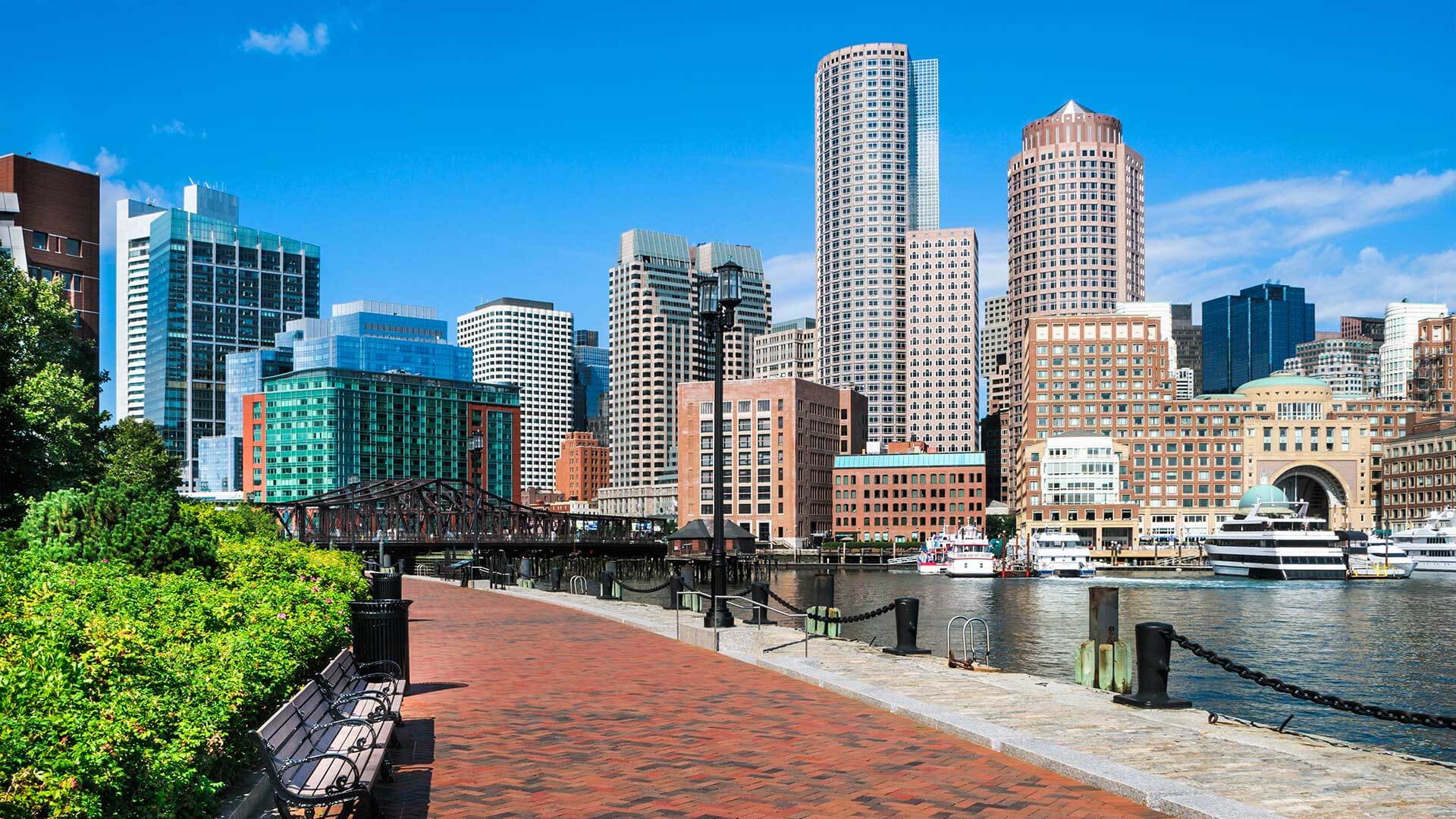
Boston, a city synonymous with American history, intellectual prowess, and maritime heritage, possesses an age that belies its vibrant, forward-looking character. To ask “How old is Boston?” is to embark on a journey through centuries, tracing its evolution from a nascent Puritan settlement to a bustling global hub. Officially founded in 1630, Boston is over 390 years old, making it one of the oldest and most historically significant cities in the United States. This venerable age isn’t merely a number; it’s a living, breathing tapestry woven into the very fabric of the city – its cobblestone streets, colonial architecture, revered landmarks, and enduring spirit. For travelers seeking an immersive experience in American origins, Boston is not just a destination; it’s a portal to the past, offering a unique blend of historical discovery and contemporary charm.
The Birth of a Nation’s Cradle: Boston’s Founding and Early Years
Boston’s story begins with an aspiration for religious freedom and a new way of life, a narrative central to understanding its profound age and influence.
Puritan Roots and Colonial Growth
In the early 17th century, a group of English Puritans, led by John Winthrop, sought to establish a “city upon a hill” – a model society free from the perceived corruptions of the Church of England. Their arduous journey across the Atlantic culminated in the founding of the Massachusetts Bay Colony in 1630. It was on the Shawmut Peninsula, an area previously inhabited by the Massachusett people, that Boston was officially established. This initial settlement quickly grew, fueled by the Great Migration of thousands more English Puritans seeking refuge and opportunity.
The early years saw Boston transform from a humble village into a vital port city. Its strategic location on a natural harbor facilitated trade, quickly making it an economic powerhouse in the burgeoning colonies. This rapid growth also laid the groundwork for Boston’s distinct cultural and political identity. The Puritans instilled a strong emphasis on education, leading to the founding of Harvard University in nearby Cambridge in 1636, marking another early milestone that cemented the region’s intellectual foundation. This era, though distant, profoundly shaped the city’s character, setting the stage for its pivotal role in the American Revolution and beyond. Travelers interested in these foundational narratives can find numerous historical societies and museums dedicated to the colonial period, offering invaluable insights into the daily lives and challenges of early Bostonians. Accommodation options, from charming boutique hotels in historic neighborhoods to modern suites, cater to various preferences, allowing visitors to immerse themselves fully in the atmosphere.
The Spark of Revolution
As Boston prospered, it also became a hotbed of revolutionary fervor, serving as the epicenter for many of the events that ignited the American Revolution. The city’s age, marked by a growing sense of self-governance and an independent spirit, collided with increasing British taxation and imperial control. The infamous Boston Massacre in 1770, where British soldiers fired upon a crowd of Bostonians, sent shockwaves through the colonies and fueled anti-British sentiment. Three years later, in 1773, patriots disguised as Mohawk Indians staged the Boston Tea Party, a defiant act of rebellion against unfair taxes, dumping British tea into the Boston Harbor. These events, along with the courageous midnight ride of Paul Revere to warn of approaching British troops and the subsequent Battles of Lexington and Concord, cemented Boston’s legacy as the “Cradle of Liberty.”
The Battle of Bunker Hill in 1775, though a tactical victory for the British, demonstrated the resolve of the colonial militias. These momentous episodes, occurring within Boston’s relatively compact colonial footprint, are why exploring the city feels like stepping back in time. Tourists can walk the same streets, visit the same taverns, and stand in the very places where the seeds of independence were sown. This deep connection to the nation’s founding is a major draw for tourism, offering unparalleled historical experiences. Lifestyle choices for exploring this era range from guided historical tours to self-paced explorations, allowing visitors to tailor their immersion to their interests and budgets.
Echoes of the Past: Boston’s Enduring Historical Landmarks
Boston’s impressive age is perhaps best understood through its remarkable collection of preserved landmarks. These sites are not merely static monuments but dynamic storytellers, each whispering tales of centuries past.
Walking the Freedom Trail
No discussion of Boston’s historical wealth is complete without mentioning the Freedom Trail. This 2.5-mile red-lined path winds through downtown Boston, connecting 16 nationally significant historical sites that played crucial roles in the American Revolution. It’s a meticulously curated historical guide, transforming the city into an open-air museum. Starting at Boston Common, the oldest park in the United States, visitors are immediately immersed in Boston’s foundational history. Nearby, the Massachusetts State House, with its distinctive gold dome, stands as a symbol of enduring governance and architectural beauty.
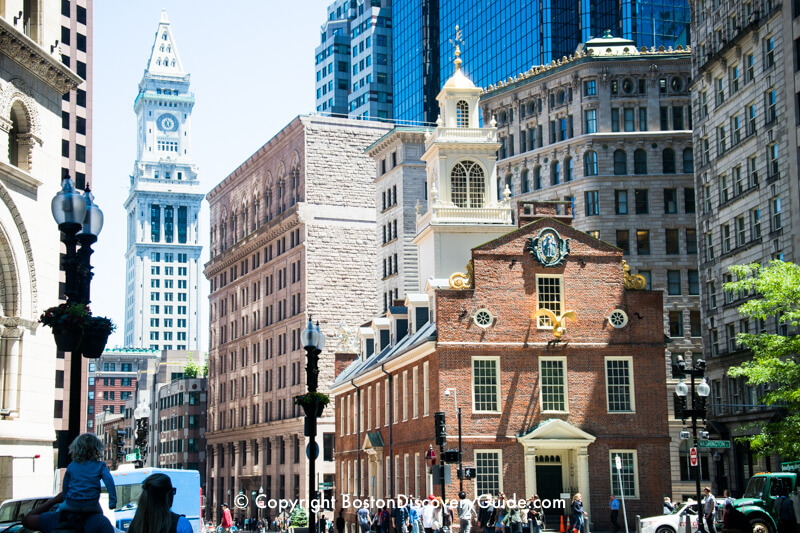
Continuing along the trail, one encounters significant churches and meeting houses, such as the Park Street Church, known for its abolitionist sermons, and the Granary Burying Ground, the final resting place of luminaries like Samuel Adams, John Hancock, and Paul Revere. The King’s Chapel, an elegant Anglican church, and its adjacent burying ground offer a glimpse into the diverse religious landscape of colonial Boston. Further along, the Old South Meeting House gains fame as the launching point for the Boston Tea Party, while the Old State House stands as the oldest surviving public building in Boston, its balcony once witnessing the reading of the Declaration of Independence.
The trail then leads into the historic North End neighborhood, where the Paul Revere House, the oldest building in downtown Boston, offers a tangible connection to the legendary patriot. Just a short walk away is the Old North Church, from whose steeple two lanterns were famously hung, signaling the British advance by sea. The trail concludes in Charlestown, home to the majestic USS Constitution, the world’s oldest commissioned warship afloat, and the towering Bunker Hill Monument, commemorating the first major battle of the Revolutionary War. Each stop on the Freedom Trail is a landmark in its own right, offering a comprehensive and engaging tour of Boston’s revolutionary age. Travel guides often highlight different segments of the trail, allowing visitors to focus on specific interests, from architecture to military history. Many hotels in Boston offer easy access to various points along the Freedom Trail, making it convenient for tourists to dive into this rich historical experience.
Beyond the Trail: Architectural Gems and Hidden Histories
While the Freedom Trail captures the essence of Boston’s revolutionary age, the city’s historical depth extends far beyond its well-trodden path. Historic neighborhoods like Beacon Hill transport visitors to a 19th-century Boston with their gas lamps, brick row houses, and elegant architecture. This area, with its luxurious accommodations and charming streets, showcases a different facet of Boston’s historical evolution – one of wealth, social prominence, and architectural refinement.
Another profound historical journey lies on the Black Heritage Trail, which winds through Beacon Hill and the North Slope. This trail illuminates the history of Boston’s 19th-century African American community, including their pivotal role in the abolitionist movement. Landmarks like the African Meeting House, the oldest extant black church building in the United States, provide vital insights into a crucial, often overlooked, chapter of American history. For those interested in deeper cultural immersion, this trail offers a compelling narrative on local culture and social justice, revealing the diverse layers of Boston’s past.
Even beyond these structured trails, Boston’s age is evident in its architectural diversity. From the Federal-style homes of Louisburg Square to the Victorian brownstones of the South End and the bustling markets of Faneuil Hall (often dubbed the “Cradle of Liberty” for its role as a meeting place for patriots), every corner tells a story. Faneuil Hall itself, built in 1742, exemplifies the continuous function of historic buildings – from revolutionary speeches to modern-day marketplaces. Such landmarks showcase how history is not just preserved but integrated into the city’s contemporary life. When planning a trip, exploring accommodations within these historic districts offers an authentic lifestyle experience, whether it’s a high-end stay in a refurbished historic building or a quaint guesthouse.
A City Evolving: From Colonial Port to Modern Metropolis
Boston’s age is not static; it’s a dynamic continuum. The city has gracefully transitioned from its colonial and revolutionary past into a vibrant modern metropolis, continuously reinventing itself while honoring its deep roots.
Innovation and Intellectual Hub
Following the Revolutionary War, Boston continued to grow and evolve. The 19th century saw it become a leader in the Industrial Revolution, particularly in textiles and manufacturing, and a major hub for Irish and Italian immigration, enriching its cultural fabric. The city’s intellectual legacy, established with Harvard, expanded with the founding of institutions like the Massachusetts Institute of Technology (MIT) in 1861, cementing its reputation as a global leader in education, research, and innovation. Today, the greater Boston area is a hotbed for biotechnology, finance, and technology, attracting talent and investment from around the world.
This blend of old and new is a defining characteristic of Boston. Modern skyscrapers rise alongside historic brick buildings, and cutting-edge research is conducted just steps from centuries-old landmarks. This unique juxtaposition makes Boston an incredibly appealing travel destination for those who appreciate both history and contemporary dynamism. The tourism sector thrives on this balance, offering everything from historical walking tours to modern art galleries, vibrant culinary scenes, and high-tech company tours. Visitors can enjoy world-class amenities in hotels ranging from luxurious high-rise resorts with panoramic views to charming historic inns offering a more intimate connection to the city’s past. This commitment to both past and future allows Boston to remain relevant and exciting, even at nearly 400 years old.

Experiencing Historic Boston Today: Travel, Culture, and Accommodation
Experiencing Boston’s age is a holistic endeavor that engages all the senses. Travel to Boston means more than just ticking off landmarks; it means immersing oneself in a culture that values its history deeply while embracing the present. The city’s food scene is a testament to this, offering everything from classic New England clam chowder and fresh seafood – a nod to its maritime past – to innovative, internationally inspired cuisine found in its diverse neighborhoods. Local culture is vibrant, with thriving arts communities, sports teams that embody the city’s fierce spirit, and public spaces like the Rose Fitzgerald Kennedy Greenway that blend urban renewal with historical context.
For travelers, Boston offers an array of experiences tailored to various lifestyles. Budget travelers can explore many historical sites for free or at low cost, utilizing public transport and enjoying casual eateries. Families can find engaging, educational activities at museums and interactive historical sites. Those seeking luxury travel will discover upscale accommodations, gourmet dining, and exclusive tours that delve into Boston’s high society and architectural grandeur. Many hotels, recognizing the city’s appeal, offer special packages that combine stays with historical tours, museum passes, or culinary experiences. Booking accommodations, whether a modern apartment for an extended stay or a charming suite for a weekend getaway, often means choosing a location that provides convenient access to both historical sites and contemporary attractions, ensuring a comprehensive Boston experience. Reviews often highlight how easy it is to navigate the city, a testament to its well-preserved, walkable historic core. Tips for visitors often include taking advantage of the city’s excellent public transportation system, the “T,” to explore different neighborhoods, each with its unique historical footprint and modern amenities.
Boston’s age, pushing four centuries, is its defining characteristic and its greatest asset. It’s a city that wears its history proudly, inviting visitors to walk in the footsteps of patriots, scholars, and innovators. From the pivotal moments of the American Revolution to its current standing as a global leader in education and technology, Boston’s journey is a continuous narrative of resilience, progress, and unwavering spirit. To understand “How old is Boston?” is to appreciate a city that is not only profoundly aged but eternally young in its capacity to inspire and evolve. It remains an unparalleled destination for anyone seeking to connect with the past, explore vibrant culture, and witness the enduring legacy of a truly historic American city.
LifeOutOfTheBox is a participant in the Amazon Services LLC Associates Program, an affiliate advertising program designed to provide a means for sites to earn advertising fees by advertising and linking to Amazon.com. Amazon, the Amazon logo, AmazonSupply, and the AmazonSupply logo are trademarks of Amazon.com, Inc. or its affiliates. As an Amazon Associate we earn affiliate commissions from qualifying purchases.