
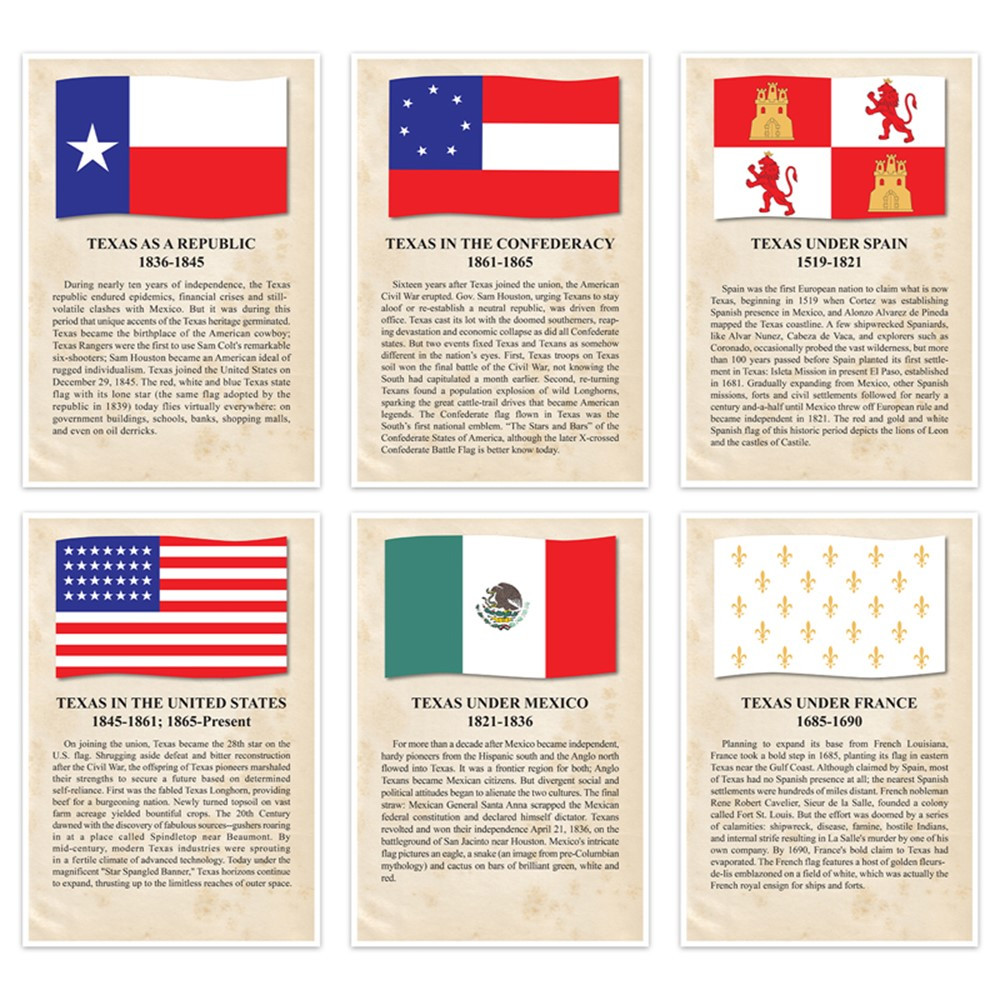
Embarking on a journey through Texas is like stepping into a living history book, where every city, landmark, and cultural nuance tells a story of transformation and resilience. The iconic phrase “Six Flags of Texas” isn’t just a marketing slogan for a popular amusement park; it’s a profound historical concept encapsulating the diverse nations and governments that have laid claim to this vast land. Understanding these six flags is key to unlocking the soul of the Lone Star State, offering travelers a deeper appreciation for its unique heritage, vibrant culture, and an array of unforgettable experiences.
From the sun-drenched beaches of Galveston to the rugged mountains of El Paso, Texas beckons with a rich tapestry of historical sites, architectural wonders, and culinary delights, all shaped by centuries of influence from different empires and republics. This article serves as your ultimate guide, exploring each of the six flags and revealing how their legacies continue to define Texas as a premier travel destination, rich in history, culture, and modern amenities. Whether you’re a history buff, a culinary explorer, or simply seeking a unique getaway, the story of Texas’s six flags offers an unparalleled adventure.

A Journey Through Time: Unfurling the Six Flags
The narrative of Texas is fundamentally woven around the six flags that have flown over its territory. Each flag represents a distinct period, marked by exploration, conflict, independence, and integration, leaving an indelible mark on the state’s identity, its landmarks, and its people. For travelers, tracing these historical periods provides a fascinating framework for exploring the state’s many attractions, from ancient missions to modern metropolises.
Flag 1: The Spanish Empire (1519-1685; 1690-1821)
The story of Texas truly begins with the arrival of the Spanish Empire. Spanish explorers first laid claim to the territory in 1519, though widespread settlement efforts didn’t begin until the late 17th century. For nearly three centuries, Spain exerted a profound influence, establishing missions, presidios (forts), and civilian settlements that form the bedrock of many modern Texas cities. This era introduced Catholicism, the Spanish language, ranching traditions, and distinctive architectural styles that remain prominent today.
Legacy and Travel Experiences:
Today, the Spanish legacy is perhaps the most visible and deeply embedded in Texas. Travelers eager to immerse themselves in this rich heritage should prioritize a visit to San Antonio. Here, the magnificent Alamo stands as a testament to missionary efforts, but it’s just one part of the larger San Antonio Missions National Historical Park, a UNESCO World Heritage Site. Exploring Mission Concepción, Mission San José, Mission San Juan Capistrano, and Mission Espada offers a breathtaking glimpse into colonial life and architecture. The historic Riverwalk area in San Antonio, with its charming bridges and vibrant atmosphere, is also steeped in Spanish colonial charm.
Beyond San Antonio, towns like Laredo and Nacogdoches showcase significant Spanish influence. In Goliad, the meticulously restored Presidio La Bahía and Misión Nuestra Señora del Espíritu Santo de Zúñiga offer another deep dive into Spanish frontier life. When planning your trip, consider boutique hotels or charming bed and breakfasts in these historic districts to truly soak in the ambiance. The distinct Tex-Mex cuisine, a delicious fusion of Mexican and American flavors, is a direct culinary descendant of this era, offering travelers a tantalizing taste of history.

Flag 2: Royal France (1685-1690)
Though short-lived, the French claim to Texas marks a fascinating episode of rivalry and ambition. In 1685, French explorer La Salle established Fort Saint Louis near modern-day Victoria, attempting to create a French colony on the Gulf Coast. This venture, plagued by disease, internal strife, and hostile Native American encounters, ultimately failed, with La Salle’s assassination and the fort’s demise by 1690. However, this brief presence alarmed Spain, spurring them to intensify their efforts in Texas and solidifying their hold on the territory.
Legacy and Travel Experiences:
While the physical remnants of French rule are scarce, the historical significance of La Salle’s expedition is immense. Modern travelers can explore this chapter through interpretive centers and historical markers near the original site of Fort Saint Louis in Goliad County. Museums like the Museum of South Texas History often feature exhibits detailing this period, providing context to the geopolitical struggles that shaped early Texas. Though not as visually prominent as the Spanish influence, the French flag represents a critical catalyst in the development of Texas, highlighting the strategic importance of this land even in its nascent colonial period.
Flag 3: The Mexican Republic (1821-1836)
Following Mexico’s successful War of Independence from Spain in 1821, Texas became part of the newly formed Mexican Republic. This period saw a significant influx of American settlers, lured by land grants offered by the Mexican government and impresarios like Stephen F. Austin. The clash of cultures, political ideologies, and growing tensions over issues like slavery and centralist rule eventually led to the Texas Revolution.
Legacy and Travel Experiences:
The Mexican era is profoundly significant for understanding the roots of Texan identity and the struggle for independence. The events of this period are vividly brought to life at the Alamo in San Antonio, where the heroic but ultimately tragic defense by Texan volunteers in 1836 became a rallying cry. Similarly, a visit to Goliad illuminates the brutal Goliad Massacre, another pivotal event that fueled the Texans’ resolve. These sites offer profound educational experiences, often featuring guided tours and historical reenactments that transport visitors back to this tumultuous time.
Beyond the battlefields, the Mexican influence persists in the vibrant culture of South Texas. Cities like Laredo and El Paso, situated along the border with Mexico, showcase a beautiful blend of Mexican and American traditions in their food, music, art, and festivals. The Republic of the Rio Grande Museum in Laredo offers a unique perspective on this era. Exploring these regions means indulging in authentic Mexican cuisine, discovering unique folk art, and enjoying lively mariachi performances, truly enriching any travel experience.
Flag 4: The Republic of Texas (1836-1845)
After declaring independence from Mexico at the Convention of 1836 and securing victory at the Battle of San Jacinto under General Sam Houston, Texas proudly flew its own flag as an independent nation. The Republic of Texas existed for nearly a decade, a period marked by political challenges, frontier conflicts, and efforts to gain international recognition. Its iconic “Lone Star” flag became a symbol of courage and independence, a legacy that continues to define Texan pride.
Legacy and Travel Experiences:
The era of the Republic of Texas is foundational to the state’s self-perception. Travelers can step back into this pivotal time by visiting Washington-on-the-Brazos State Historic Site, often referred to as the “Birthplace of Texas.” It was here that the Texas Declaration of Independence was signed. The site offers reconstructed buildings, living history demonstrations, and a museum that vividly portrays life in the 1830s. Another essential destination is the San Jacinto Battleground State Historic Site near Houston, home to the towering San Jacinto Monument and museum, commemorating the decisive battle that secured Texan independence.
In Austin, the modern state capital, visitors can explore the magnificent Texas State Capitol building, a symbol of the state’s sovereignty and its journey from republic to statehood. The spirit of the Texas Navy, which protected the young republic’s coast, can be explored in coastal towns like Galveston, where maritime history thrives. For those interested in the lifestyle of the era, exploring historic inns or even longer-term apartment rentals in towns with preserved 19th-century architecture can offer a truly immersive experience. This period cemented the independent spirit of Texans, a characteristic still celebrated today through various festivals and cultural events.
Flag 5: The United States of America (1845-1861; 1865-Present)
In 1845, after years of debate and negotiation, the Republic of Texas formally joined the United States of America as its 28th state. This annexation ignited the Mexican-American War and set Texas on a new path of growth, development, and integration into the larger American narrative. Except for a brief period during the Civil War, the Stars and Stripes have flown continuously over Texas, representing its enduring place within the Union.
Legacy and Travel Experiences:
The American flag symbolizes Texas’s modern identity, a melting pot of cultures and a powerhouse of industry, innovation, and diverse attractions. From the iconic cattle drives reenacted in the Fort Worth Stockyards National Historic District to the futuristic marvels at Space Center Houston, Texas offers a vast array of experiences under the American flag.
Major cities like Dallas, Houston, and Austin showcase the rapid development and economic prowess that came with statehood. Visitors can explore world-class museums in the Dallas Arts District, enjoy live music in Austin, or relax at luxury resorts along the state’s many lakes. The infrastructure for tourism is robust, with countless hotels, suites, and vacation rentals catering to every budget and travel style, from family trips seeking adventure at Six Flags Over Texas to business stays in bustling downtowns. Natural wonders like Big Bend National Park and Guadalupe Mountains National Park also thrive under federal protection, offering unparalleled outdoor experiences.
Flag 6: The Confederate States of America (1861-1865)
In 1861, Texas seceded from the United States of America and joined the Confederate States of America during the American Civil War. This period represents a somber chapter in the state’s history, marked by division and conflict. While the Confederacy’s flag flew over Texas for only four years, its impact on the social, economic, and political landscape was profound, leading to Reconstruction and significant societal changes.
Legacy and Travel Experiences:
The Civil War era is commemorated through various historical markers, museums, and battleground sites across Texas. Travelers interested in this period can visit the Battle of Galveston site, where a significant naval battle took place, or learn about the last land battle of the American Civil War at the Battle of Palmito Ranch near Brownsville. Many local history museums across the state, particularly in East Texas, offer exhibits detailing Texas’s role in the conflict and the subsequent era of Reconstruction. Understanding this period is crucial for a complete appreciation of Texas’s complex history and its journey toward the modern state it is today. The annual Juneteenth celebrations across the state, commemorating the emancipation of enslaved people in Texas, offer a powerful cultural experience and a reflection on this period’s enduring legacy.
Experiencing Texas’s Multifaceted Heritage Today
The “Six Flags” concept isn’t just a historical footnote; it’s a living, breathing framework that defines the cultural landscape of Texas for contemporary travelers. Every aspect of a Texan adventure, from the destinations you visit to the food you savor, is deeply rooted in this rich, multi-layered past.
Iconic Landmarks and Cultural Hotspots
Exploring Texas through the lens of its six flags opens up a world of discovery. In San Antonio, you can spend days wandering the San Antonio Missions National Historical Park, including the Alamo, and then stroll along the vibrant Riverwalk, experiencing the confluence of Spanish colonial elegance and modern Texan hospitality. Hotels in this area range from historic luxury resorts offering full amenities to charming boutique accommodations, providing ideal bases for historical exploration.
Austin, the state capital, offers the majestic Texas State Capitol, an architectural marvel that symbolizes the state’s enduring political identity since the days of the Republic of Texas. Beyond history, Austin is renowned for its live music scene, outdoor activities, and vibrant culinary landscape, making it a perfect destination for lifestyle travelers. Houston not only houses the San Jacinto Battleground State Historic Site but also the cutting-edge Space Center Houston, showcasing the modern American influence and Texas’s role in space exploration. For family trips, many resorts in Houston cater to diverse interests, combining educational tours with recreational amenities.
Dallas and Fort Worth present a dynamic duo for exploring both the ranching heritage and cosmopolitan flair. The Fort Worth Stockyards National Historic District offers daily cattle drives and rodeos, transporting visitors to the Old West, while the Dallas Arts District boasts world-class museums and galleries, a testament to the state’s post-statehood growth and cultural diversification. Whether you’re seeking luxury hotels in Dallas or charming apartments for a long-term stay in Fort Worth, the options are plentiful.
Culinary Journeys and Festivals
The historical journey of the six flags is most deliciously experienced through Texan cuisine. The Spanish and Mexican influences are evident in every bite of Tex-Mex — from sizzling fajitas to hearty enchiladas — a staple across the state, particularly in regions like El Paso and Laredo. The German and Czech immigrants of the 19th century, arriving under the American flag, left their mark with savory sausages and beloved kolaches, especially popular in Central Texas. And, of course, no visit to Texas is complete without indulging in its legendary barbecue, a uniquely American culinary tradition perfected over generations.
Throughout the year, Texas hosts numerous festivals that celebrate its diverse heritage. From Cinco de Mayo and Diez y Seis de Septiembre celebrations that honor Mexican independence to Juneteenth festivities recognizing emancipation, and various rodeos and fairs showcasing the state’s ranching and agricultural roots, these events offer immersive experiences into local culture and traditions. Planning your trip around one of these festivals can offer a deeper, more engaging experience, often featuring local food vendors, craft markets, and live performances.
Accommodation and Lifestyle in the Lone Star State
Texas’s vastness means a diverse range of accommodation options, each promising a unique experience aligned with your travel style. For those seeking luxury travel, world-class resorts and hotels in Houston, Dallas, and Austin offer unparalleled amenities, including spas, gourmet dining, and concierge services. Many of these blend modern comfort with architectural elements that subtly nod to the state’s historical styles.
Budget travel is also easily accommodated, with numerous motels, extended-stay apartments, and charming bed and breakfasts scattered throughout the state, especially in smaller, historically rich towns. Family trips can benefit from resorts with extensive kids’ clubs and pools, or vacation rentals like villas and apartments that offer more space and home-like amenities, perfect for exploring attractions like Six Flags Over Texas. For those considering long-term stays, the options for fully furnished apartments and even houses in cities like San Antonio provide ample opportunity to delve deeper into local life and culture. Whether your visit is for leisure, business, or an extended cultural immersion, the reviews and booking comparisons available online make planning your ideal Texan stay seamless.
Planning Your Texas Adventure
To make the most of your journey through Texas, consider a few practical tips. The sheer size of the state means that planning your itinerary strategically is crucial. Decide which historical periods and geographical regions interest you most. Are you drawn to the Spanish missions of San Antonio, the frontier spirit of the Republic of Texas sites, or the modern vibrancy of Dallas and Houston? Renting a car is often the most convenient way to explore the diverse landscapes and attractions, especially if you plan to visit multiple cities or national parks.
The best time to visit Texas depends on your destination and preferred activities. Spring (March-May) offers pleasant temperatures and blooming wildflowers, ideal for outdoor exploration. Fall (September-November) is also comfortable, particularly for city sightseeing and attending festivals. Summers can be intensely hot, especially in South and West Texas, so focus on indoor attractions or water-based activities during these months. Winter brings mild weather to much of the state, making it a great escape from colder climates.
Engage with local tourism guides, consult online reviews for attractions and accommodation, and don’t hesitate to venture off the beaten path. Texas offers a myriad of hidden gems, from small-town museums to quaint historical districts, each adding another layer to the narrative of its six flags.
The story of the “Six Flags of Texas” is more than just a history lesson; it’s an invitation to explore a state shaped by ambition, conflict, and enduring spirit. From the ancient echoes of the Spanish Empire to the bustling modernity under the United States of America, every flag has contributed to making Texas a truly unique and captivating travel destination. By understanding its past, travelers gain a richer appreciation for its present, discovering why this remarkable Lone Star State continues to capture hearts and imaginations worldwide.
LifeOutOfTheBox is a participant in the Amazon Services LLC Associates Program, an affiliate advertising program designed to provide a means for sites to earn advertising fees by advertising and linking to Amazon.com. Amazon, the Amazon logo, AmazonSupply, and the AmazonSupply logo are trademarks of Amazon.com, Inc. or its affiliates. As an Amazon Associate we earn affiliate commissions from qualifying purchases.