
For runners, enthusiasts, and travelers alike, the Boston Marathon isn’t just a race; it’s a pilgrimage. As one of the world’s most iconic and historic marathons, its prestige is unparalleled, drawing participants from every corner of the globe to test their limits against its challenging 26.2-mile course. But before the roar of the crowd, the iconic finish line on Boylston Street, and the triumphant medals, every runner, every journey, begins in one specific, charming Massachusetts town: Hopkinton.
Nestled approximately 26.2 miles west of Boston, Hopkinton is more than just a starting point; it’s the sacred ground where dreams are launched, anxieties are calmed, and the collective spirit of the marathon truly takes hold. For those planning a trip to witness or participate in this extraordinary event, understanding the origins of the race and the unique experience that Hopkinton offers is crucial. This guide delves deep into the starting line experience, offering insights into travel, accommodation, local attractions, and the enduring legacy of this legendary race.

The Historic Starting Line: Hopkinton, Massachusetts
The town of Hopkinton proudly hosts the start of the Boston Marathon, a tradition that dates back to the race’s inception in 1897. This picturesque community transforms annually into a vibrant hub of activity, marking the genesis of one of the world’s most celebrated athletic events.
A Town Steeped in Marathon Tradition
Hopkinton’s identity is inextricably linked with the Boston Marathon. On the third Monday of April, coinciding with Patriot’s Day in Massachusetts, the town’s quiet streets swell with an energy that is both electric and deeply reverent. The official starting line, marked prominently on Main Street, is a landmark in itself, drawing visitors year-round to capture a photo and feel the history embedded in its asphalt. The town green, a quintessential New England feature, becomes the focal point for thousands of runners gathering before their respective waves begin.
The residents of Hopkinton embrace their role with immense pride and hospitality. From local businesses offering special marathon-themed fare to volunteers dedicating countless hours, the community rallies to ensure a seamless and memorable experience for all. This deep-rooted connection to the marathon is palpable, making Hopkinton not just a logistical necessity but an integral part of the marathon’s soul. Visitors often remark on the welcoming atmosphere, a stark contrast to the competitive intensity that will soon unfold over the next 26.2 miles.
Pre-Race Buzz: The Atmosphere in Hopkinton
For runners, arriving in Hopkinton on race morning is an experience unlike any other. Buses transport participants from Boston Common directly to the Athletes’ Village, a sprawling staging area equipped with everything a runner needs: hydration, snacks, medical support, and most importantly, camaraderie. The air buzzes with a mix of nervous anticipation, excited chatter, and a shared sense of purpose. Stories are exchanged, friendships forged, and last-minute strategies discussed.
For spectators, the atmosphere around the starting line is equally captivating. While access to the Athletes’ Village is restricted to runners, the areas surrounding Main Street offer prime viewing spots for the initial moments of the race. Locals and visiting fans line the streets, cheering on the first waves of elite athletes and then subsequent waves of determined runners, each with their own inspiring story. The energy is infectious, fueled by the sheer volume of participants and the knowledge that history is about to be made once again. It’s a powerful experience, witnessing the collective aspiration of thousands as they embark on one of the greatest challenges in sports.
Logistics for Runners and Spectators
Navigating race morning logistics requires careful planning, whether you’re a runner or a spectator.
For Runners:
- Transportation: The most common way for registered runners to reach Hopkinton is via official buses provided by the Boston Athletic Association (B.A.A.). These depart from designated spots near Boston Common in downtown Boston. Personal drop-offs in Hopkinton are heavily restricted due to road closures and security measures.
- Arrival Time: Runners are advised to arrive at the Athletes’ Village well in advance of their wave start time to allow for gear drop-off, restroom breaks, and mental preparation.
- Security: Expect stringent security checks. Follow all B.A.A. guidelines regarding bag sizes and prohibited items.
For Spectators:
- Getting to Hopkinton: Driving to Hopkinton on race day is highly discouraged due to extensive road closures and limited parking. Public transportation options are scarce directly to the start line. The best approach for spectators wanting to see the start is often to stay in a nearby town accessible by alternative routes or to plan an overnight stay in Hopkinton itself (booking well in advance is critical).
- Viewing Areas: Designated spectator areas are typically set up along Main Street near the starting line. Arrive early to secure a good spot. Remember to bring layers, snacks, and water, as you might be standing for a while.
- Road Closures: Be aware that roads in and around Hopkinton, and indeed along the entire course, begin closing hours before the first wave and remain closed until the last runners have passed. Check official B.A.A. resources for detailed closure schedules.
Beyond the Start: The Journey to Boston
While the starting line in Hopkinton marks the official beginning, it’s just the prelude to a monumental journey that winds its way through several historic Massachusetts towns before culminating in the heart of Boston. The energy of Hopkinton sets the tone for the entire race, embodying the hopes and dreams that fuel runners mile after mile.
Iconic Milestones on the Course
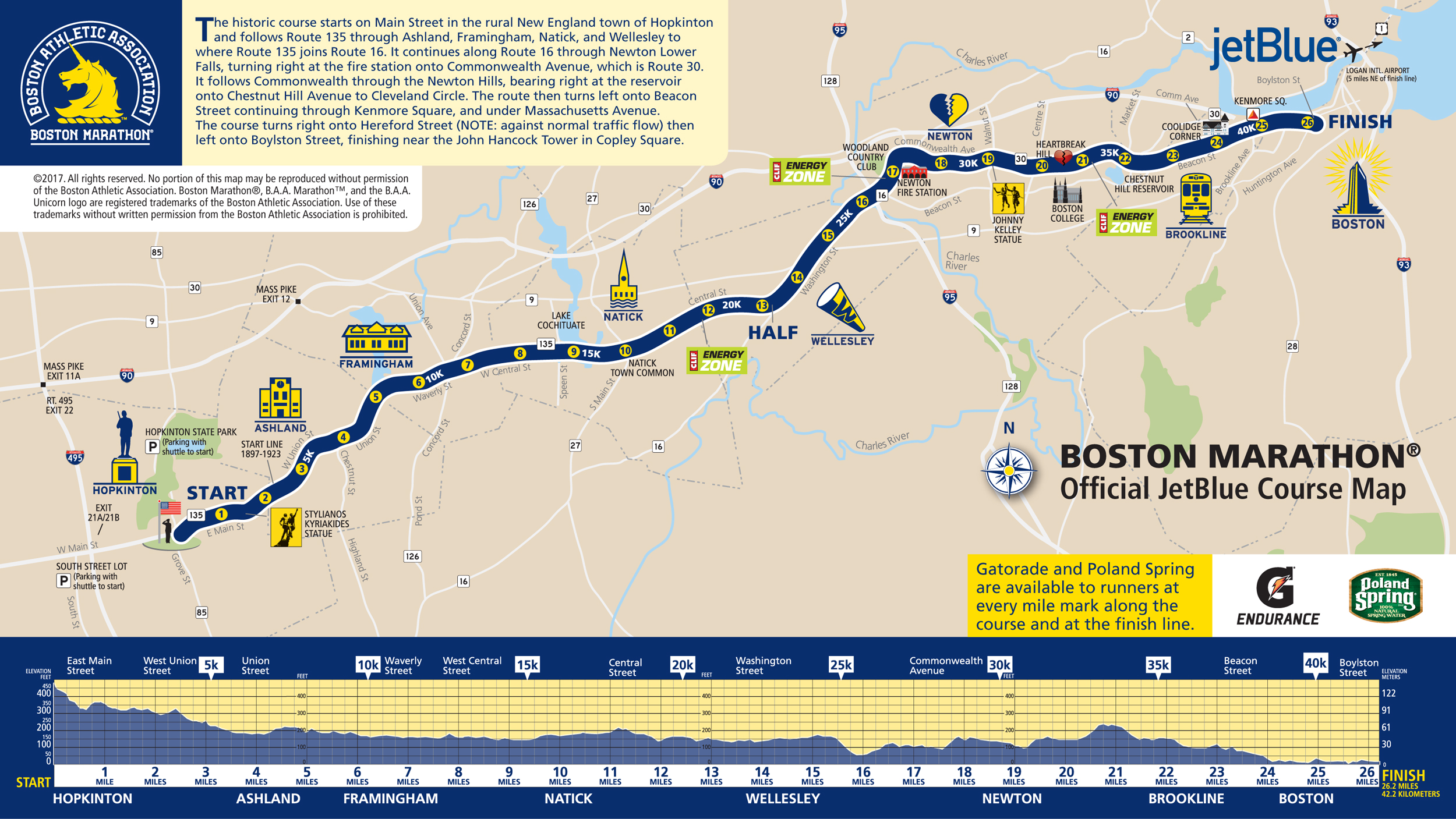
From the gentle downhill of the first few miles in Hopkinton, offering a brief respite before the real work begins, the course unfolds with a series of well-known landmarks and challenging sections. Each town along the route – Ashland, Framingham, Natick, Wellesley, Newton, and Brookline – contributes its unique flavor to the marathon experience, building anticipation for the grand finale in Boston.
The “Scream Tunnel” at Wellesley College, the infamous Newton Hills culminating in “Heartbreak Hill,” and the final turn onto Boylston Street in Copley Square are all part of the legend. These points become mental checkpoints for runners and celebrated viewing spots for spectators, creating a continuous thread of shared experience that stretches from the initial surge in [Hopkinton](https://lifeoutofthebox.com/hopkinton] to the finish line’s euphoria. The course’s profile, beginning in Hopkinton with its subtle undulations, sets the stage for the physical and mental test that lies ahead, a true marathon of strategy and endurance.

The Spectator Experience Along the Route
While the start in Hopkinton offers a unique glimpse into the race’s origins, spectating along the course provides a different, equally thrilling perspective. Each town offers a distinct atmosphere, from the boisterous crowds in Wellesley to the grueling challenge of Newton’s hills. Public transport via the MBTA (Boston’s subway and bus system) makes it easier for spectators to jump to various points along the latter half of the course, particularly in Newton and Brookline, and of course, in downtown Boston. This allows for a dynamic day of cheering, providing invaluable support to runners as they push through the toughest miles. Engaging with the local communities that embrace the marathon along its route is a highlight for many visitors, showcasing the incredible spirit of Massachusetts.
Planning Your Marathon Weekend: Travel, Accommodation, and Local Insights
Whether you’re running, cheering, or simply soaking in the atmosphere, planning your trip around the Boston Marathon requires foresight, especially concerning travel and accommodation. This is where the magic of combining a world-class sporting event with a fantastic travel experience truly shines.
Finding Your Perfect Stay: Hotels and Accommodation Options
Booking accommodation for marathon weekend is paramount, as hotels fill up quickly, often a year in advance. Your choice of lodging will largely depend on your priorities: being close to the start, the finish, or a specific point along the course.
- Near the Start (Hopkinton and surrounding towns): Staying in or near Hopkinton, Framingham, or Milford offers proximity to the starting line. Options range from charming boutique inns to more standard chain hotels. While these might not be luxury resorts, they offer convenience for runners wanting minimal travel on race morning. However, availability is extremely limited, and prices surge. Look into options like the Hyatt Place Boston/Framingham or independent guesthouses.
- Near the Finish (Boston): Many runners and spectators prefer to stay in downtown Boston or the Copley Square area, which puts them within walking distance of the finish line, post-race festivities, and major attractions. Boston boasts a wide array of hotels, from opulent luxury options like the Fairmont Copley Plaza, the Four Seasons Hotel Boston, or The Liberty Hotel to more budget-friendly alternatives. Booking early is not just recommended, it’s essential. Consider using accommodation comparison sites to find the best deals, but be prepared for peak-season pricing.
- Along the Course: Towns like Wellesley or Newton also have hotels, offering a unique opportunity to experience the marathon’s energy in a more suburban setting. These can be excellent choices for families or groups who want to stake out a cheering spot for their runner.
Beyond traditional hotels, consider vacation rentals or apartments, especially for longer stays or groups. These can offer more space, kitchen facilities, and a taste of local living, enhancing your overall tourism experience.
Exploring Hopkinton and Beyond: Local Attractions
While Hopkinton’s primary claim to fame is the marathon, the town and its surrounding areas offer pleasant diversions for visitors.
- Hopkinton State Park: A beautiful natural escape, Hopkinton State Park offers hiking trails, boating, and picnicking opportunities. It’s a serene contrast to the race-day hustle and bustle.
- Downtown Hopkinton: Explore local shops and eateries. The town green is charming, and the local historical society often has exhibits that delve into the town’s past, including its marathon connection.
- Day Trips: Given its location, Hopkinton can serve as a base for exploring other parts of Massachusetts. Consider a drive to Concord and Lexington for Revolutionary War history, or head east towards Boston for its endless attractions.
Once in Boston, the options are boundless. Walk the Freedom Trail to immerse yourself in American history, explore the vibrant Faneuil Hall Marketplace and Quincy Market, visit world-class institutions like the Museum of Fine Arts or the Isabella Stewart Gardner Museum, or catch a game at Fenway Park. Boston’s rich local culture, diverse food scene, and historical landmarks make it an ideal destination for any lifestyle, from luxury travelers to budget adventurers.
Essential Travel Tips for Marathon Weekend
- Book Everything Early: This cannot be stressed enough – flights, hotels, and even some restaurant reservations should be made months in advance. Many hotels implement strict cancellation policies around marathon weekend.
- Transportation: Flying into Logan International Airport (BOS) is the most common approach. From there, public transport or ride-shares can take you to your Boston accommodation. For travel within Boston and to some surrounding towns, the MBTA is excellent. If traveling from other New England cities, Amtrak is a comfortable option.
- Weather: April weather in Massachusetts can be highly unpredictable, ranging from warm and sunny to cold, rainy, or even snowy. Pack layers, and prepare for all contingencies, especially if you’re spectating for extended periods.
- Dining: Boston’s food scene is vibrant, from classic New England seafood to international cuisine. Many restaurants offer pre-race pasta dinners and post-race celebrations. Make reservations, especially if dining in popular areas.
- Hydration and Nutrition: For runners, stick to your tried-and-true nutrition plan. For spectators, carry water and snacks, as finding open shops on race day can be challenging.
The Enduring Legacy of the Boston Marathon
The Boston Marathon is far more than an athletic competition; it’s a testament to human spirit, resilience, and community. Its origins in Hopkinton set the stage for a narrative that unfolds annually, drawing global attention and inspiring countless individuals.
A Symbol of Resilience and Community
The marathon has faced challenges throughout its long history, demonstrating an unwavering spirit of perseverance. It stands as a powerful symbol of overcoming adversity, most notably in the aftermath of the 2013 bombings, when the event became a beacon of unity and strength, reinforcing its motto: “Boston Strong.” This enduring legacy makes participating in or witnessing the marathon an deeply emotional and impactful experience, resonating with themes of courage, determination, and the indomitable human will. The community support, starting from Hopkinton and stretching all the way to Boston, is legendary, transforming the entire course into a tunnel of encouragement.
Experiencing Marathon Weekend as a Tourist
For those with a penchant for active travel, the Boston Marathon weekend offers an unparalleled opportunity to blend sports tourism with an exploration of one of America’s most historic regions. Beyond the race itself, the city of Boston provides a wealth of attractions, from its revolutionary past found on the Freedom Trail, to its thriving modern culture. Consider extending your stay to explore nearby gems like Cape Cod, Martha’s Vineyard, Nantucket, or historic Plymouth. Whether you’re seeking luxury travel experiences or planning a budget-friendly adventure, the region around Boston caters to all lifestyles, ensuring a rich and rewarding trip centered around this monumental event. The energy of the marathon weekend permeates the entire area, creating an unforgettable atmosphere for locals and visitors alike.
In conclusion, the journey of the Boston Marathon begins not just at a physical spot, but at the heart of a welcoming community in Hopkinton, Massachusetts. It is from this historic starting line that thousands embark on an epic quest, supported by millions of cheering voices, and woven into the fabric of a tradition that celebrates human endurance and community spirit. Planning your visit to this legendary event promises not just a glimpse into sporting greatness, but an immersive travel experience in a region rich with history, culture, and undeniable charm.
LifeOutOfTheBox is a participant in the Amazon Services LLC Associates Program, an affiliate advertising program designed to provide a means for sites to earn advertising fees by advertising and linking to Amazon.com. Amazon, the Amazon logo, AmazonSupply, and the AmazonSupply logo are trademarks of Amazon.com, Inc. or its affiliates. As an Amazon Associate we earn affiliate commissions from qualifying purchases.