
The morning of April 15, 2013, was a day that began with the usual vibrant energy of Patriots’ Day in Boston, Massachusetts, culminating in the historic Boston Marathon. Spectators lined Boylston Street, cheering on runners as they approached the finish line, a scene of jubilation and athletic achievement. However, this joyous atmosphere was shattered by two homemade pressure-cooker bombs detonated by brothers Dzhokhar Tsarnaev and Tamerlan Tsarnaev. This terrorist act claimed the lives of three innocent spectators and injured several hundred others, leaving 17 individuals with life-altering limb loss. The tragic event extended its reach beyond the finish line, claiming a fourth life, that of an MIT police officer, during the subsequent harrowing manhunt. The bombing profoundly impacted the city, the nation, and the world, transforming a day of celebration into one of enduring remembrance and a testament to profound resilience.

The Tragic Day: A City Forever Changed
The 2013 Boston Marathon bombing stands as a somber chapter in the history of the United States, marking a moment when a public celebration turned into a scene of unimaginable horror. The attack not only brought immediate devastation but also initiated a city-wide lockdown and a massive law enforcement response, highlighting the fragility of peace and the profound impact of terrorism. Yet, from this darkness emerged a powerful narrative of unity and strength, embodied by the enduring spirit of “Boston Strong.”
The Attack and Immediate Aftermath
On that fateful April afternoon, as the marathon’s elite runners had long crossed the finish line and thousands of amateur participants pushed through their final strides, two explosions ripped through the festive atmosphere near the end of the race route on Boylston Street. The bombs, strategically placed among the crowds, created a scene of chaos and panic. Emergency responders, medical personnel, and even fellow runners rushed to aid the injured, demonstrating immediate acts of heroism amidst the unfolding tragedy. The city quickly mobilized, with hospitals rapidly preparing to receive hundreds of casualties, and law enforcement agencies initiating an intensive investigation. The sheer scale of the attack, combined with its high-profile target, immediately drew national and international attention, prompting widespread concern and solidarity. The events of April 15, 2013, cemented themselves into the collective memory as a stark reminder of vulnerability, but also of the immediate human instinct to help and heal.
Remembering the Victims: Lives Lost on April 15, 2013
The human cost of the Boston Marathon bombing was immeasurable, with three lives tragically cut short on the day of the attack. Their stories, though brief, represent the innocence and potential lost, and their memories continue to be honored by the city and beyond.
-
Krystle Campbell: A vibrant 29-year-old restaurant manager from Arlington, Massachusetts, Krystle Campbell was at the finish line with a friend, enjoying the festive atmosphere and cheering on the runners. She had gone to watch the marathon many times before, a tradition for many residents of the Boston area. In a cruel twist of fate, she was fatally wounded by shrapnel from the second bomb. Her loved ones remember her as a loyal friend, a dedicated manager, and a person who brightened every room she entered. Her warmth and enthusiasm for life were characteristic of her spirit, making her loss particularly poignant for her family and the community she served. Her legacy continues to be remembered through various community initiatives that promote kindness and service.
-
Lingzi Lu: A bright and promising 23-year-old graduate student at Boston University, Lingzi Lu hailed from China, pursuing her dreams of a successful future in the United States. She was near the finish line, experiencing the excitement of the marathon with friends, when the first bomb detonated. Lingzi succumbed to extensive trauma and blood loss. Her journey to Boston was driven by academic ambition and a desire to explore new cultures, making her death a devastating blow to her family, friends, and the international student community. Her academic prowess and adventurous spirit are often highlighted in remembrances, symbolizing the global reach of the tragedy and the loss of a bright, hopeful future.
-
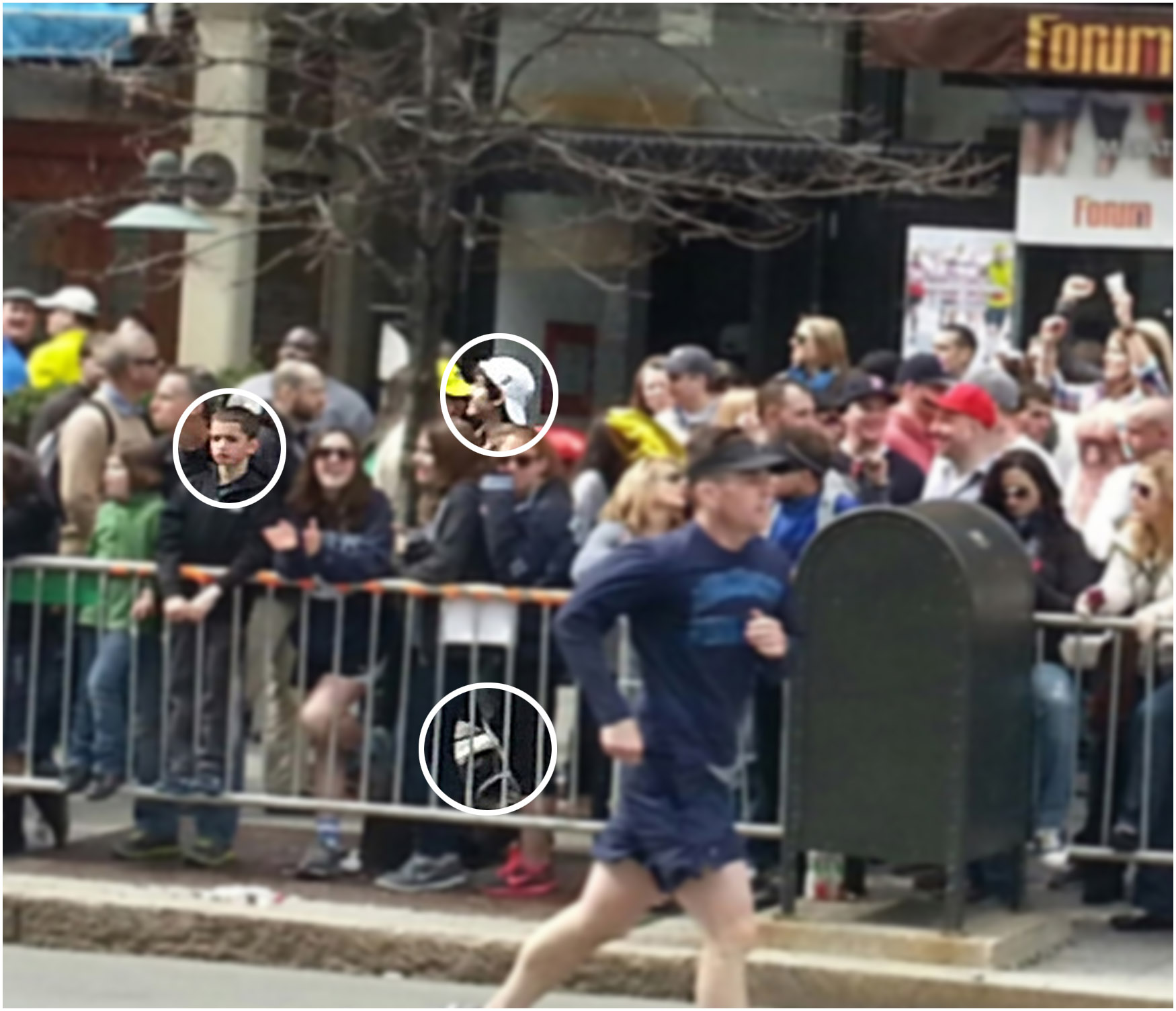
Martin Richard: At just 8 years old, Martin Richard was the youngest victim of the bombing, an innocent child from Boston, Massachusetts, who was with his family near the finish line, eagerly awaiting his father’s completion of the race. He died from blast injuries inflicted by the first bomb. Martin’s image, holding a sign he had made that read “No More Hurting People. Peace,” became a powerful symbol of the senseless violence and the urgent call for peace in its aftermath. His parents have since established the Martin Richard Foundation, a charity dedicated to promoting peace, justice, and community service, ensuring that Martin’s message lives on and inspires positive change in the world. His story continues to resonate deeply, serving as a poignant reminder of the preciousness of childhood and the profound impact of violence.
The Manhunt and Its Fourth Victim
The aftermath of the bombing quickly escalated into an intense and unprecedented manhunt for the perpetrators, brothers Dzhokhar Tsarnaev and Tamerlan Tsarnaev. Surveillance footage and witness accounts were crucial in identifying the individuals responsible, leading to a massive law enforcement operation that gripped the entire Boston metropolitan area. This pursuit introduced another tragic loss.
- Sean Collier: On April 18, 2013, three days after the bombing, during the height of the manhunt, 27-year-old Sean Collier, a dedicated police officer at the Massachusetts Institute of Technology (MIT) in Cambridge, Massachusetts, was ambushed and shot dead by the Tsarnaev brothers as they attempted to steal his firearm. Officer Collier’s death was a direct consequence of the terrorists’ desperate escape attempts, adding another layer of grief and heroism to the unfolding narrative. His sacrifice underscored the bravery of law enforcement personnel who risked their lives to protect the community. The pursuit culminated in a dramatic shootout in Watertown, Massachusetts, where Tamerlan Tsarnaev was killed. His younger brother, Dzhokhar Tsarnaev, was captured later that day hiding in a boat, ultimately being convicted of 30 charges, including conspiracy and use of a weapon of mass destruction, and sentenced to death, where he remains on federal death row. The loss of Officer Collier serves as a profound reminder of the extended reach of the tragedy and the courage displayed by those who protect and serve.
Boston’s Unyielding Spirit: “Boston Strong”
In the face of unimaginable adversity, the city of Boston demonstrated an extraordinary capacity for resilience, unity, and healing. The phrase “Boston Strong” quickly became a rallying cry, symbolizing the collective resolve of its residents and the enduring power of community. This spirit transformed a narrative of terror into one of unwavering determination and hope.
Community Response and Lasting Legacy

The aftermath of the Boston Marathon bombing saw an outpouring of support from local, national, and international communities. Residents opened their homes, offered assistance, and stood shoulder-to-shoulder in solidarity. The “Boston Strong” movement transcended a mere slogan, becoming a tangible force that drove charitable organizations, supported victims and their families, and fostered a profound sense of civic pride and mutual aid. The legacy of the bombing is not just one of sorrow, but also of remarkable human spirit. It serves as a reminder that while terrorism aims to divide and instill fear, it can inadvertently strengthen bonds and ignite a collective commitment to overcoming hardship. The city’s response became a powerful case study in community resilience, demonstrating how shared grief can be channeled into constructive action and enduring compassion. This collective spirit ensures that the victims are not forgotten and that their memory inspires ongoing efforts for peace and justice.
Enhanced Security and Continued Endurance
The tragic events of 2013 led to significant and lasting enhancements in security protocols for large public events, not only in Boston but across the entire United States. These measures, visible at subsequent Boston Marathons and other major gatherings, include increased police presence, more stringent bag policies, advanced surveillance technologies, and a greater emphasis on public awareness and emergency preparedness. Despite these necessary changes, the Boston Marathon itself has continued to be held annually, upholding its status as one of the world’s oldest and most prestigious marathons. Each year, runners and spectators return with a renewed spirit of determination, transforming the event into a powerful symbol of endurance, community strength, and the refusal to let fear triumph. The marathon’s continuation is a testament to the city’s unwavering resolve and its commitment to honoring the tradition while ensuring safety.
Memorials and Acts of Remembrance
To honor the victims, support the survivors, and preserve the memory of the events of 2013, numerous memorials and acts of remembrance have been established throughout Boston and beyond. The Boston Marathon Memorial, situated near the finish line on Boylston Street, serves as a permanent tribute. It features four gracefully sculpted granite pillars, each representing one of the lives lost, and a stone engraved with the names of the victims and the solemn date of the bombing. This memorial provides a quiet space for reflection and solace for visitors and locals alike.
Furthermore, the city established the One Boston Day initiative, encouraging acts of kindness and community service on April 15 each year. This initiative transforms a day of tragedy into an annual opportunity for positive action, fostering a legacy of compassion and mutual support. The Martin Richard Foundation, created by Martin’s parents, continues to promote peace, justice, and community service, ensuring that his message resonates through ongoing educational and outreach programs. These memorials and initiatives collectively ensure that the lives lost are remembered not just for the manner of their passing, but for the profound impact they continue to have on a city that chose unity over despair.
Experiencing Boston: A City of Resilience, History, and Charm
While the Boston Marathon bombing represents a somber chapter in its history, Boston remains a vibrant and dynamic city, rich in history, culture, and attractions. A visit to Boston offers a chance to reflect on its remarkable resilience while immersing oneself in its diverse experiences, from historic landmarks to modern marvels and world-class culinary scenes. The city seamlessly blends its profound past with a thriving present, making it an exceptional destination for travelers of all interests.
Commemorating the Marathon’s Legacy Through Landmarks
For visitors interested in the marathon’s legacy, the area around the Boston Marathon Finish Line on Boylston Street is a key site. It remains an active and commemorative space, featuring markers and plaques that honor the victims and the spirit of “Boston Strong.” The nearby Boston Public Garden and the Boston Common offer peaceful havens for reflection, allowing visitors to contemplate the city’s journey through challenging times. These green spaces, steeped in history, provide a serene contrast to the bustling city life and serve as informal gathering places where the community’s enduring spirit is often palpable. Exploring these areas allows for a deeper appreciation of the city’s character and its powerful narrative of overcoming adversity.
Exploring Boston’s Diverse Attractions
Beyond the marathon’s immediate footprint, Boston boasts a wealth of historical, cultural, and educational attractions that cater to every type of traveler. The iconic Freedom Trail, a 2.5-mile red-lined path through downtown Boston, connects 16 historically significant sites, including the Paul Revere House and the Old North Church. Walking the trail offers an immersive journey through the city’s pivotal role in American history, from revolutionary fervor to foundational events.
For those interested in vibrant commerce and culinary delights, the historic Faneuil Hall Marketplace is a must-visit, offering an array of shops, restaurants, and street performers. The academic charm of nearby Cambridge, Massachusetts, is evident in institutions like Harvard University and MIT, both offering beautiful campuses and rich intellectual histories worthy of exploration.
Families will find a plethora of engaging options, including the interactive exhibits at the Museum of Science, the aquatic wonders of the New England Aquarium, and the imaginative play spaces at the Children’s Museum. Art enthusiasts will revel in the extensive collections at the Museum of Fine Arts, which houses everything from ancient artifacts to contemporary masterpieces. Whether you’re a history buff, an art lover, or traveling with family, Boston provides an enriching and diverse travel experience.
Accommodation and Culinary Delights in the Historic City
Boston’s commitment to providing exceptional visitor experiences extends to its wide array of accommodation options. From opulent luxury hotels to charming boutique stays, the city caters to every preference and budget. High-end choices like the Four Seasons Hotel Boston, The Langham Boston, and The Ritz-Carlton, Boston offer unparalleled service, exquisite amenities, and prime locations near key attractions, perfect for those seeking a lavish retreat. Mid-range options such as the Hyatt Regency Boston or the Hilton Boston Downtown/Faneuil Hall provide excellent comfort and convenience, blending quality with accessibility. For budget-conscious travelers or those seeking a more communal experience, hostels and guesthouses are readily available, especially in areas close to the city’s numerous universities.
The culinary scene in Boston is equally impressive, renowned for its focus on fresh seafood and diverse ethnic cuisines. No visit is complete without sampling the famous clam chowder and lobster rolls, staples for which Legal Sea Foods is a renowned institution. For a taste of authentic Italian heritage, a stroll through the historic North End is essential, where countless Italian restaurants and pastry shops invite diners to savor traditional flavors. Beyond these classics, Boston’s culinary landscape is rich with modern bistros, innovative fine dining establishments, and historic taverns, ensuring that every meal is an experience in itself. From its poignant history to its vibrant present, Boston offers a captivating journey that speaks to both the resilience of the human spirit and the timeless appeal of a truly remarkable destination.
LifeOutOfTheBox is a participant in the Amazon Services LLC Associates Program, an affiliate advertising program designed to provide a means for sites to earn advertising fees by advertising and linking to Amazon.com. Amazon, the Amazon logo, AmazonSupply, and the AmazonSupply logo are trademarks of Amazon.com, Inc. or its affiliates. As an Amazon Associate we earn affiliate commissions from qualifying purchases.