
The California Sushi Roll stands as a monumental bridge between traditional Japanese cuisine and Western palates. Far more than just a simple maki roll, it represents a pivotal moment in culinary history, sparking a global sushi phenomenon and forever changing how the world perceives and enjoys this iconic dish. For many, it was their very first introduction to sushi, offering an approachable, delightful, and non-intimidating experience that paved the way for deeper explorations into the vast world of Japanese gastronomy. Its fusion of fresh, familiar ingredients wrapped in an innovative “inside-out” style not only appealed to an adventurous yet cautious audience but also cemented its place as a staple in sushi restaurants across every continent.
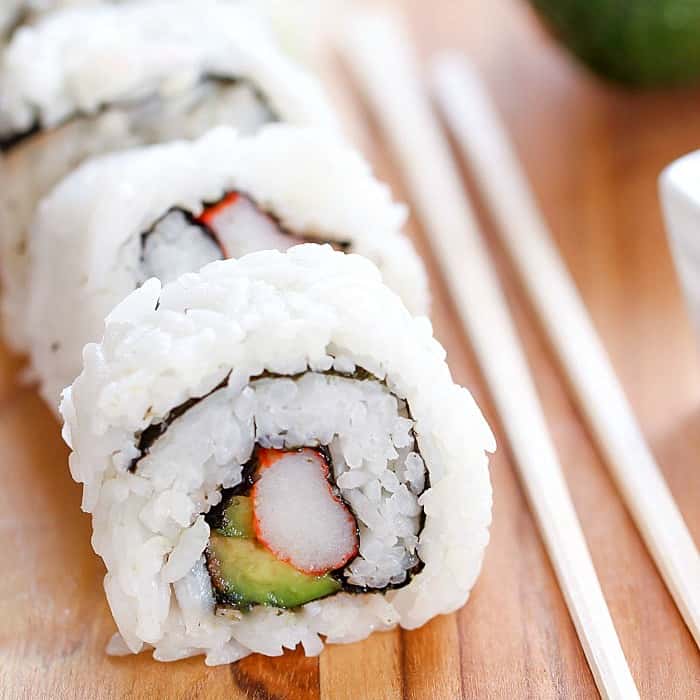
This article delves into the fascinating story of the California Roll, from its disputed origins in the vibrant culinary scenes of North America to its lasting impact on food tourism and lifestyle worldwide. We’ll explore the ingredients that make it so beloved, the cultural significance it carries, and how it continues to inspire variations and adaptations, ensuring its enduring legacy in the global culinary landscape. Whether you’re a seasoned sushi enthusiast or just beginning your journey, understanding the California Roll is essential to appreciating the dynamic evolution of international cuisine and its profound connection to travel and local culture.
The Genesis of a Culinary Icon: Tracing the California Roll’s Origins
The story of the California Roll is intertwined with the burgeoning interest in Japanese cuisine in North America during the mid-20th century. Before its invention, sushi, particularly its raw fish component, was largely unfamiliar and often intimidating to the Western palate. This iconic roll emerged as a brilliant solution, ingeniously adapting traditional sushi to appeal to a broader audience while simultaneously introducing them to the artistry and freshness of Japanese food. Its creation marks a significant chapter in culinary history, demonstrating how innovation can bridge cultural divides and create entirely new culinary experiences.
The precise origins of the California Roll are subject to a friendly culinary debate, with two prominent figures and cities often cited as its birthplace. This captivating narrative not only adds to the mystique of the dish but also highlights the vibrant and experimental culinary scenes that were emerging in North America at the time. Regardless of its exact genesis, the roll quickly transcended its humble beginnings to become a global phenomenon, laying the groundwork for the modern sushi craze.
A Tale of Two Cities (or Chefs): The Origin Debate
The most widely accepted narrative credits Chef Ken Seusa of the Kawafuku Restaurant in Little Tokyo, Los Angeles, with inventing the precursor to the California Roll in the late 1960s. Facing a seasonal shortage of fresh tuna, Seusa reportedly substituted it with avocado, a creamy, readily available fruit that mimicked the texture of fatty tuna. He combined it with cooked crab and cucumber, creating a new type of maki roll. Initially, he wrapped these ingredients with nori (seaweed) on the outside. However, many Western diners found the visible seaweed off-putting. To address this, Seusa innovated by rolling the sushi “inside-out,” placing the rice on the exterior, with the nori protecting the ingredients within. This clever technique, known as uramaki, made the roll visually more appealing and approachable to customers, significantly boosting its popularity.
Simultaneously, another compelling claim comes from Vancouver, Canada, where Chef Hidekazu Tojo claims to have created a similar inside-out roll with crab, avocado, and mayonnaise in the early 1970s. Tojo, who ran his own restaurant, Tojo’s, named his creation the “Tojo-maki” or “Inside-Out Roll” and notes that it gained immense popularity with North American clients who were hesitant to eat raw fish or visible seaweed. While the exact chronology remains debated, both chefs independently arrived at similar solutions, showcasing the convergent needs of the Western market for an approachable sushi option. Both Los Angeles and Vancouver played crucial roles in this culinary evolution, becoming significant destinations for food enthusiasts seeking new experiences.
The American Palate and the Birth of a New Sushi Style
The creation of the California Roll was a direct response to the specific preferences and aversions of the North American palate. At the time, raw fish was a foreign concept to many, and the texture and appearance of nori (seaweed) were also perceived as unusual. Chefs like Seusa and Tojo recognized these cultural barriers and ingeniously worked around them. By using cooked crab (or imitation crab) instead of raw fish, they eliminated the primary hesitation. The incorporation of creamy avocado not only provided a familiar, palatable texture but also added a rich, buttery flavor that appealed to Western tastes. Cucumber offered a refreshing crunch, balancing the richness of the avocado and crab.
The uramaki (inside-out) style was a game-changer. By hiding the nori inside and presenting a rice-covered exterior, often garnished with sesame seeds or tobiko (flying fish roe), the roll became visually more appealing and less daunting. This innovation allowed diners to experience the flavors and textures of sushi without being confronted by unfamiliar ingredients or presentations. This strategic adaptation was not merely a culinary tweak; it was a stroke of marketing genius that effectively democratized sushi, making it accessible and enjoyable for millions. It demonstrated how local culture and tastes could influence global culinary trends, making a significant mark on food and lifestyle worldwide.
Deconstructing the California Roll: Ingredients and Preparation
At its core, the California Roll is a testament to simplicity and balance. Its success lies in the harmonious combination of fresh, accessible ingredients and a distinctive preparation method that makes it instantly recognizable. Understanding these components and the techniques involved offers a deeper appreciation for this iconic dish, whether you’re enjoying it at a high-end hotel restaurant or attempting to recreate it in your own kitchen. It showcases how basic elements, thoughtfully combined, can achieve culinary greatness and become a standard in gastronomy guides.
The beauty of the California Roll is not just in its taste but also in its textural interplay: the tender rice, the crunchy cucumber, the creamy avocado, and the subtle chew of the crab. These elements come together to create a satisfying and well-rounded bite, making it a favorite for many.
Essential Components: The Classic Recipe
The classic California Roll typically consists of six key ingredients, each playing a crucial role in its flavor and texture profile:
- Sushi Rice: The foundation of any sushi roll, the rice is short-grain, seasoned with rice vinegar, sugar, and salt. It needs to be perfectly cooked and cooled to achieve the ideal sticky yet distinct grain texture that holds the roll together.
- Nori (Seaweed): A sheet of dried seaweed, traditionally used on the outside of maki rolls. In the California Roll, it forms the inner layer, keeping the fillings contained and adding a subtle umami flavor.
- Avocado: Perhaps the most distinctive ingredient, the ripe avocado provides a rich, creamy, and buttery texture that mimics the fatty tuna found in traditional sushi. It’s usually sliced into thin strips.
- Cucumber: Fresh, crisp cucumber offers a refreshing counterpoint to the richness of the avocado and crab. It’s typically cut into matchstick-sized strips, adding a satisfying crunch.
- Crab Meat (or Imitation Crab): The original rolls often used cooked crab meat, but imitation crab (surimi) has become a popular and economical substitute. It provides a sweet, flaky texture and is a key factor in making the roll appealing to those averse to raw fish.
- Sesame Seeds or Tobiko (Flying Fish Roe): These are sprinkled on the outside of the rice, adding a delicate texture, a nutty flavor (sesame), or a mild brininess and vibrant color (tobiko). They also enhance the visual appeal of the uramaki style.
These ingredients are carefully selected for freshness and quality, ensuring that each roll delivers a consistent and delightful experience, a standard upheld in many top restaurants globally and a key aspect of food tourism.
Crafting the Perfect Roll: Techniques for Home and Restaurant
The preparation of a California Roll, particularly its signature uramaki or inside-out style, requires a blend of precision and technique. While it might seem daunting at first, with a bit of practice, it’s an enjoyable skill to master, making it a popular activity in culinary experiences and classes.
- Rice Preparation: Start by spreading a thin, even layer of seasoned sushi rice over a sheet of nori, leaving a small margin at one end. This is where the roll will seal.
- Flipping the Nori: The defining step of uramaki is flipping the nori so that the rice layer is now face down on the bamboo rolling mat (maki-su), which is usually covered with plastic wrap to prevent sticking.
- Laying the Fillings: On the nori side (now facing up), arrange the strips of avocado, cucumber, and crab meat neatly across the center. It’s crucial not to overfill, as this makes rolling difficult.
- The Roll: Using the bamboo mat, gently lift the edge closest to you and roll the ingredients tightly over themselves, applying even pressure to create a firm, compact cylinder. Continue rolling until the entire sheet is formed.
- Garnishing: Once rolled, the rice-covered exterior is often sprinkled with toasted sesame seeds or bright orange tobiko, which adhere easily to the sticky rice.
- Slicing: Using a very sharp, damp knife, slice the roll into 6-8 equal pieces. Dampening the knife between cuts prevents rice from sticking and ensures clean, precise slices.
This meticulous process, whether performed by a sushi master in Tokyo or a home cook in New York, ensures the California Roll’s characteristic shape and delicious blend of flavors, making it a delightful part of any culinary adventure. Learning this skill can be a fantastic souvenir from a travel experience.
Beyond the Plate: The California Roll’s Cultural and Global Impact
The California Roll is more than just a dish; it’s a cultural phenomenon that reshaped global perceptions of Japanese cuisine. Its introduction marked a paradigm shift, propelling sushi from an exotic, niche offering to a mainstream culinary delight enjoyed by millions around the world. This ubiquitous roll has not only influenced dining habits but has also become a symbol of culinary fusion and innovation, demonstrating how a simple adaptation can have profound and lasting effects on global food trends and tourism destinations. Its legacy is seen in countless fusion dishes and the worldwide popularity of sushi restaurants.

A Gateway to Sushi: Introducing Japanese Cuisine to the West
Prior to the California Roll, sushi was largely confined to Japanese communities in the United States and Canada. The concept of eating raw fish was alien, and often off-putting, to the general public. The California Roll meticulously dismantled these barriers. By substituting raw fish with familiar cooked crab and creamy avocado, and by cleverly hiding the seaweed, it presented a non-threatening entry point into the world of sushi. This approachable design proved to be incredibly effective.
As diners gained confidence and familiarity with the California Roll, their palates broadened, making them more willing to experiment with other sushi varieties, including those with raw fish. It essentially “trained” the Western palate, normalizing sushi and paving the way for its explosive growth in popularity throughout the 1980s and beyond. Today, sushi bars are common in cities like London, Paris, and Mexico City, a testament to the California Roll’s pioneering role. It truly was a cultural ambassador, translating the essence of Japanese culinary artistry into a universally appealing format, boosting travel motivations to explore Japanese culture more deeply.
Variations and Adaptations: A Culinary Canvas
The success and adaptability of the California Roll inspired an entire genre of Westernized sushi, often referred to as “fusion sushi” or “American sushi.” Its basic structure—crab, avocado, cucumber, and inside-out rice—became a template for countless creative variations. Chefs around the world began experimenting with different fillings, sauces, and toppings, leading to an explosion of new roll types.
Some popular adaptations include:
- Spicy California Roll: Adding spicy mayonnaise or sriracha to the crab mixture.
- Shrimp Tempura Roll: Incorporating crispy fried shrimp tempura for added texture and flavor.
- Philadelphia Roll: Featuring cream cheese, salmon, and cucumber, reflecting local tastes.
- Rainbow Roll: Topping a California Roll with slices of various raw fish (tuna, salmon, yellowtail) and avocado, showcasing a beautiful array of colors.
- Baked California Roll: Topped with a mixture of crab, scallops, and mayonnaise, then baked until golden.
These variations demonstrate the California Roll’s enduring flexibility and its role as a springboard for culinary innovation. It proved that sushi was not just a rigid tradition but a dynamic art form capable of evolving and embracing new flavors and techniques. This spirit of adaptation continues to fuel the global sushi scene, making it an exciting area for food tourism and culinary experiences.
The California Roll as a Travel and Lifestyle Statement
Beyond its culinary aspects, the California Roll has subtly woven itself into the fabric of modern travel and lifestyle. For many tourists, trying a California Roll, especially in its birthplace of Los Angeles, is an essential part of their culinary itinerary. It symbolizes a bridge between cultures, an edible representation of the fusion that defines much of modern global cuisine.
In the context of lifestyle, sushi, often spearheaded by the accessibility of the California Roll, has become synonymous with healthy eating, fresh ingredients, and a sophisticated dining choice. It’s a popular option for quick lunch breaks, casual dinners, and even elegant gatherings. Its global presence means that no matter where you travel, from bustling urban centers to serene resorts, you’re likely to find a sushi restaurant offering this familiar comfort. This consistency provides a sense of familiar dining while exploring new destinations.
Whether you’re on a budget travel adventure or indulging in luxury travel, the California Roll fits seamlessly. It’s affordable enough for everyday enjoyment but also appears on the menus of high-end establishments, sometimes with premium ingredients like fresh Dungeness crab. This versatility makes it a true culinary chameleon, adapting to various dining situations and personal preferences, embodying the diverse aspects of modern lifestyle and tourism.
Experiencing the California Roll: From Local Eateries to Luxury Dining
The omnipresence of the California Roll means it can be found in a vast array of dining establishments, from casual conveyor-belt sushi joints to opulent five-star hotel restaurants. This widespread availability makes it an ideal subject for food tourism, allowing travelers to compare and contrast the quality and nuances of this iconic dish across various destinations and price points. Exploring where and how to best enjoy a California Roll is an experience in itself, revealing insights into local culinary scenes and dining culture.
Whether you’re seeking an authentic, traditional interpretation or a modern, creative twist, the journey of savoring the California Roll offers a delightful snapshot of global gastronomy and the evolution of taste.
Finding Authentic Flavors: Tips for Food Tourism
For travelers keen on experiencing the best of sushi, including a top-tier California Roll, a little research goes a long way. When navigating a new city or destination, consider these tips to find quality sushi:
- Look for Freshness: The hallmark of good sushi is fresh ingredients. Pay attention to the vibrancy of the avocado and cucumber, and the quality of the crab. High-turnover sushi bars are often a good sign, as they necessitate constantly fresh ingredients.
- Seek Out Japanese or Experienced Chefs: While not exclusive, restaurants with Japanese chefs or those with extensive training often uphold higher standards of sushi preparation. Don’t hesitate to check reviews or ask for local recommendations.
- Observe the Rice: The rice is crucial. It should be perfectly cooked, seasoned, and hold its shape without being overly sticky or mushy. A good sushi chef takes immense pride in their rice.
- Explore Beyond the Tourist Attractions: Sometimes the best culinary gems are found off the beaten path, away from the immediate vicinity of major landmarks or highly commercial areas. Consult local guides or food blogs for genuine insights.
- Consider the Setting: From a casual spot in Little Tokyo in Los Angeles to an elegant restaurant in a luxury hotel in Tokyo, the ambiance can greatly enhance your dining experience. Each offers a unique perspective on food and culture.
These pointers can help you uncover exceptional California Rolls and other sushi delights as you explore global destinations.
Pairing and Enjoyment: Enhancing the Culinary Experience
Enjoying a California Roll is an art in itself, and certain pairings and customs can enhance the overall culinary experience.
- Soy Sauce: Use soy sauce sparingly. A common tip is to dip the corner of the roll (or the side with the topping if raw fish is present) into the soy sauce, avoiding soaking the rice, which can absorb too much liquid and dilute the flavors.
- Wasabi and Ginger: The pungent green paste, wasabi, offers a spicy kick that cleanses the palate, while gari (pickled ginger) serves as a refreshing palate cleanser between different types of sushi. These traditional accompaniments are essential for a full sushi experience.
- Beverage Pairings:
- Sake: For an authentic Japanese touch, pair your sushi with sake. Different sakes offer varying profiles, from dry and crisp to fruity and aromatic, complementing the subtle flavors of sushi beautifully.
- Green Tea: A classic and healthy choice, unsweetened green tea (ocha) is excellent for cleansing the palate and aiding digestion.
- Beer: Light lagers or Japanese rice beers are popular choices that don’t overpower the delicate flavors of sushi.
- Wine: Crisp, dry white wines like Sauvignon Blanc or a light-bodied Pinot Noir can also pair well, particularly with the creamy avocado and crab.
Whether you’re dining solo, on a family trip, or for a business stay, savoring the California Roll with these thoughtful pairings elevates it from a simple meal to a memorable cultural and gastronomic experience, reflective of refined lifestyle and travel choices.

Conclusion
The California Sushi Roll’s journey from an inventive adaptation in North American kitchens to a globally recognized culinary icon is a remarkable testament to its enduring appeal and ingenious design. It demystified sushi for an entire generation, serving as a friendly gateway to the intricate and delicious world of Japanese cuisine. Its legacy is etched not only in the menus of sushi restaurants worldwide but also in the broader landscape of food tourism and lifestyle experiences.
From its humble origins in Los Angeles or Vancouver to its current status as a universal favorite, the California Roll continues to delight palates and inspire culinary innovation. It encapsulates the spirit of fusion, proving that culinary boundaries are meant to be explored and expanded. So, the next time you savor a California Roll, remember you’re not just enjoying a tasty meal; you’re partaking in a piece of modern culinary history that has profoundly shaped how we dine and travel across the globe.
LifeOutOfTheBox is a participant in the Amazon Services LLC Associates Program, an affiliate advertising program designed to provide a means for sites to earn advertising fees by advertising and linking to Amazon.com. Amazon, the Amazon logo, AmazonSupply, and the AmazonSupply logo are trademarks of Amazon.com, Inc. or its affiliates. As an Amazon Associate we earn affiliate commissions from qualifying purchases.