
Embarking on a journey, whether it’s an exciting international adventure or a relaxing local escape, involves savoring new flavors and experiencing diverse culinary landscapes. For expectant mothers, however, the joy of food exploration often comes intertwined with a crucial question: “Is this safe for my baby?” This dilemma becomes particularly sharp when contemplating the delights of sushi, a global favorite that has captured palates from Tokyo to New York City. Among the myriad of sushi options, the California Roll stands out as an iconic, seemingly innocuous choice. But can you truly indulge in this popular roll while pregnant, or should it remain on the list of temporary culinary restrictions? This comprehensive guide aims to demystify the California Roll for pregnant travelers, offering insights into its ingredients, potential risks, and broader food safety tips for enjoying your travels responsibly.
Understanding the Allure and Apprehension of Sushi During Pregnancy
The anticipation of motherhood brings with it a host of dietary considerations, and perhaps none are discussed as frequently as sushi. For many, sushi conjures images of delicate slices of raw fish nestled atop perfectly seasoned rice. This perception is often the root of concern for pregnant individuals, as raw or undercooked foods can pose risks to a developing fetus. However, the world of sushi is incredibly diverse, and the California Roll offers a unique twist that may just make it a safe haven for expectant foodies.
Decoding the California Roll: Ingredients and Origin
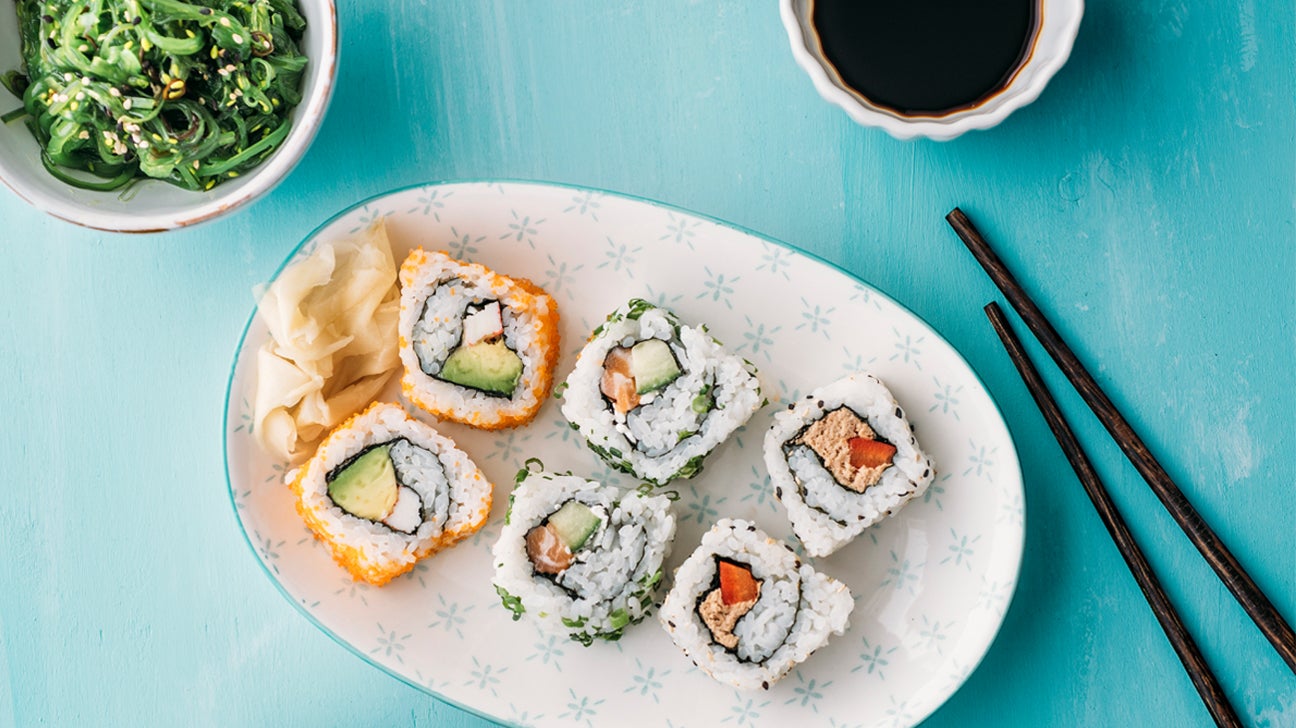
The California Roll is a maki-zushi (rolled sushi) that is widely credited with popularizing sushi in North America. Its exact origin is debated, with claims from both Los Angeles, California, and Vancouver, Canada, in the late 1960s or early 1970s. What makes the California Roll distinct is its “inside-out” construction (uramaki), with the rice on the outside, often sprinkled with toasted sesame seeds or roe.
Crucially for pregnant diners, its traditional ingredients are often cooked or plant-based:
- Surimi (Imitation Crab Meat): This is the star ingredient, typically made from white-fleshed fish (like pollock) that has been deboned, minced, washed, and then combined with starch, egg whites, and flavorings to mimic the texture and taste of crab meat. It is always cooked.
- Avocado: A creamy, nutrient-rich fruit.
- Cucumber: A crisp, refreshing vegetable.
- Nori: Dried seaweed, used to hold the ingredients together.
- Sushi Rice: Cooked and seasoned short-grain rice.
The Core Concern: Raw Fish and Pregnancy Risks
The primary reason raw fish is generally advised against during pregnancy stems from the potential for two main issues:
- Bacteria and Parasites: Raw or undercooked fish can harbor bacteria like Listeria monocytogenes or parasites such as anisakids. Listeria infection can be particularly dangerous during pregnancy, potentially leading to miscarriage, stillbirth, or serious illness in newborns.
- Mercury Content: Certain types of fish contain high levels of mercury, a neurotoxin that can impair the development of the baby’s brain and nervous system. While most concerns focus on predatory fish like swordfish, shark, king mackerel, and tilefish, it’s a general consideration when consuming seafood.
Understanding these risks is key to discerning which sushi options are safe and which are best avoided until after childbirth.
Are California Rolls Truly Pregnancy-Friendly?
Given the typical ingredients of a California Roll, it appears to sidestep the major raw fish concerns that make other sushi varieties off-limits. However, a closer look at each component and the preparation process is warranted to ensure maximum safety.
Examining Each Ingredient for Safety
Let’s break down the typical California Roll components:
- Surimi (Imitation Crab Meat): As mentioned, surimi is pre-cooked and processed. This makes it safe from raw fish pathogens. It’s crucial to confirm that the restaurant uses imitation crab and not actual raw crab meat (which is rare in standard California Rolls but always good to verify, especially if dining at a very high-end or authentic Japanese establishment that might offer different interpretations).
- Avocado and Cucumber: These fresh vegetables are highly nutritious and perfectly safe for pregnant women, provided they are thoroughly washed to remove any potential pesticides or surface bacteria.
- Nori (Seaweed): Nori is safe to consume during pregnancy. It’s a good source of iodine and other minerals.
- Sushi Rice: The rice itself is cooked, making it safe. The concern here would only arise from improper handling and storage leading to bacterial growth, but this is a risk with any cooked food left at unsafe temperatures.
- Roe (Fish Eggs): Some California Rolls are rolled in tobiko or masago (flying fish roe or capelin roe). These are typically pasteurized or processed, but some may be raw. If raw, they pose the same risks as raw fish. It’s best to ask if the roe is cooked or pasteurized, or simply request your roll without it.
- Sauces: Most sauces like soy sauce, wasabi, and ginger are generally safe. However, avoid any sauces that contain raw egg (like some homemade mayonnaise-based sauces) unless you can confirm they are made with pasteurized eggs.
Mitigating Risks: Quality, Preparation, and Cross-Contamination

Even with seemingly safe ingredients, the preparation environment plays a critical role in food safety, especially for pregnant individuals.
- Restaurant Reputation and Hygiene: Always choose reputable sushi restaurants with high hygiene standards. A clean environment and busy kitchen (indicating high ingredient turnover) are good signs. When traveling, especially in new destinations, research reviews and local health ratings if possible.
- Cross-Contamination: This is perhaps the biggest hidden risk. Even if your California Roll contains no raw fish, if it’s prepared on the same cutting board or with the same utensils as raw fish without proper cleaning in between, there’s a risk of transferring harmful bacteria. Don’t hesitate to politely ask the chef or server about their cross-contamination protocols. Some restaurants are very accommodating to pregnancy dietary needs and will prepare your roll on a separate, clean surface.
- Freshness of Ingredients: While surimi is processed, fresh vegetables like avocado and cucumber should be, well, fresh! Avoid anything that looks discolored or smells off.
- Storage Temperature: Cooked rice and other ingredients should be kept at proper temperatures to prevent bacterial growth.
In summary, a properly prepared California Roll made with cooked imitation crab meat, fresh vegetables, and without raw roe, from a reputable establishment with good hygiene practices, is generally considered safe for pregnant women. When in doubt, it’s always best to consult with your healthcare provider.
Navigating Culinary Delights and Dietary Restrictions While Traveling
Traveling while pregnant offers unique opportunities to experience local culture and culinary tourism. However, it also requires heightened awareness regarding food safety. Whether you’re staying in a luxurious resort in Hawaii, exploring street food in Mexico, or enjoying fine dining in Europe, making informed choices is paramount for your health and your baby’s development.
General Food Safety Tips for Expectant Travelers
Beyond sushi, there are broader guidelines to follow when dining out or trying new foods during pregnancy, especially when away from home.
- “Cook it, peel it, or leave it”: This old adage is particularly relevant for travelers. Opt for foods that are thoroughly cooked and served hot. If consuming fruits or vegetables, ensure they have been peeled by you or washed meticulously. Avoid pre-cut fruit salads or raw salads if you’re unsure of their cleanliness.
- Pasteurized Dairy: Stick to pasteurized milk, cheese, and yogurt to avoid Listeria. This can be challenging in some parts of the world where unpasteurized dairy is common, so always inquire.
- Eggs: Ensure eggs are fully cooked (no runny yolks) to prevent Salmonella infection.
- Meat and Poultry: All meat and poultry should be thoroughly cooked. Avoid rare steaks or undercooked chicken.
- Street Food: While tempting for experiencing local culture, approach street food with caution. Look for vendors with high turnover, hot food, and good hygiene. It’s often safer to eat where locals are lining up, as this indicates popularity and freshness.
- Water Safety: Only drink bottled water or water that has been boiled. Avoid ice cubes unless you’re certain they are made from safe water.
Making Informed Choices: Fish, Mercury, and Beyond
When it comes to seafood beyond sushi, a little knowledge goes a long way. The Food and Drug Administration (FDA) and Environmental Protection Agency (EPA) in the United States provide guidelines on fish consumption during pregnancy, primarily due to mercury levels.
- Best Choices (2-3 servings per week): Salmon, cod, light canned tuna, tilapia, shrimp, pollock, catfish. These are generally low in mercury.
- Good Choices (1 serving per week): Bluefish, Chilean sea bass, mahi-mahi, snapper. These have slightly higher mercury levels.
- Choices to Avoid: Swordfish, shark, king mackerel, tilefish (from the Gulf of Mexico), bigeye tuna. These fish contain high levels of mercury.
When ordering fish at restaurants, especially during your travels, ask about the type of fish and how it’s prepared. Opt for grilled, baked, or broiled fish over fried, and ensure it’s cooked thoroughly until flaky. The rich culinary traditions found along coastlines, whether it’s the seafood of the Mediterranean or the fresh catches of the Pacific Ocean, can still be enjoyed with careful selection.
Enjoying Your Journey: Balancing Indulgence and Well-being
Travel is an enriching experience that shouldn’t be entirely restricted by pregnancy. With thoughtful planning and clear communication, you can still indulge in many of the culinary joys your destinations have to offer, including a carefully chosen California Roll.
Communicating Your Needs in Restaurants and Hotels
One of the most effective tools for ensuring safe dining while traveling is clear communication.
- Inform Your Server: When dining out, let your server know you are pregnant. Many restaurants are accustomed to accommodating dietary restrictions and can guide you towards safe options or relay specific requests to the kitchen staff.
- Ask Questions: Don’t be shy to ask about ingredients, preparation methods, and cross-contamination policies, especially in smaller, independent eateries where practices might vary. If you’re staying in a hotel or resort, speak to the concierge or kitchen staff directly, as they often have comprehensive knowledge of their menus and can even arrange for custom meals.
- Language Barrier: If traveling internationally where there’s a language barrier, consider carrying a small card with key phrases translated (e.g., “I am pregnant, no raw fish, please,” “cooked only,” “pasteurized dairy”). Many hotels or accommodations can help you with this.

The Ultimate Guide to a Worry-Free Culinary Adventure
To truly embrace the lifestyle of a pregnant traveler without constant worry, consider these proactive steps:
- Consult Your Doctor: Before any trip, discuss your travel plans and any specific dietary concerns with your obstetrician. They can provide personalized advice based on your health and the regions you plan to visit.
- Pack Snacks: Always have safe snacks on hand, especially for long journeys or when safe food options might be scarce. Think granola bars, dried fruits, or crackers.
- Stay Hydrated: Drink plenty of safe water to prevent dehydration, which can be a particular concern during pregnancy, especially in warmer climates or during flights.
- Trust Your Gut: If something looks or smells suspicious, or if a restaurant doesn’t feel clean, err on the side of caution and choose another option. Your intuition is a powerful tool for safeguarding your health.
In conclusion, the answer to “Can you eat California Rolls while pregnant?” is generally yes, with important caveats regarding ingredients and preparation. By understanding what goes into your roll, ensuring it’s prepared safely in a reputable establishment, and adhering to broader food safety guidelines for expectant mothers, you can continue to explore the world and its culinary wonders, one delightful, pregnancy-safe bite at a time. Enjoy your journey and the incredible experience of building memories, both for yourself and your soon-to-arrive little traveler!
LifeOutOfTheBox is a participant in the Amazon Services LLC Associates Program, an affiliate advertising program designed to provide a means for sites to earn advertising fees by advertising and linking to Amazon.com. Amazon, the Amazon logo, AmazonSupply, and the AmazonSupply logo are trademarks of Amazon.com, Inc. or its affiliates. As an Amazon Associate we earn affiliate commissions from qualifying purchases.