
California, the Golden State, beckons with its diverse landscapes, vibrant cities, and endless opportunities for adventure. From the sun-kissed beaches of Malibu to the majestic peaks of Yosemite National Park, and the bustling streets of Los Angeles to the iconic Golden Gate Bridge in San Francisco, it’s a dream destination for a road trip. Whether you’re a long-term resident enjoying the California lifestyle or a visitor embarking on an unforgettable travel experience, the freedom of the open road is a huge part of the appeal. However, amidst all the excitement of planning your next adventure, there’s a crucial detail that often gets overlooked: vehicle registration tags.
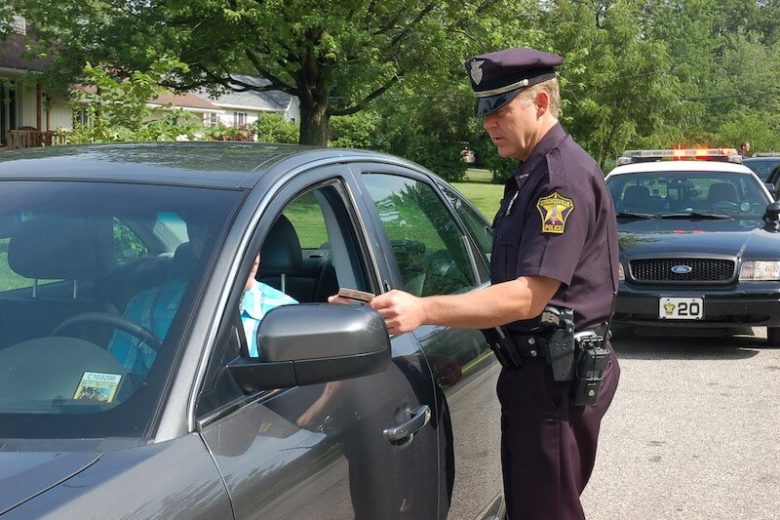
The simple answer to the question “Can you get pulled over for expired tags in California?” is an emphatic yes. Driving with expired tags is a violation of the California Vehicle Code, and it’s a common reason for law enforcement officers to initiate a traffic stop. This seemingly minor infraction can quickly derail your carefully planned itinerary, add unexpected stress, and lead to a significant financial burden. For those who embrace the lifestyle of frequent travel and exploration within or across the state, understanding the implications and staying compliant is not just about avoiding a ticket; it’s about ensuring a seamless, worry-free journey.
The Unspoken Rules of California Roads: What You Need to Know About Vehicle Registration
Navigating the roads of California is generally a pleasant experience, especially when you’re headed to a stunning destination like Napa Valley or a charming coastal town like Carmel-by-the-Sea. However, it’s essential to remember that this freedom comes with responsibilities, chief among them being proper vehicle registration. The state’s Department of Motor Vehicles (DMV) is meticulous about ensuring all vehicles on the road are current with their registration, which includes displaying valid tags.
Understanding California Vehicle Code Section 4000(a)(1)
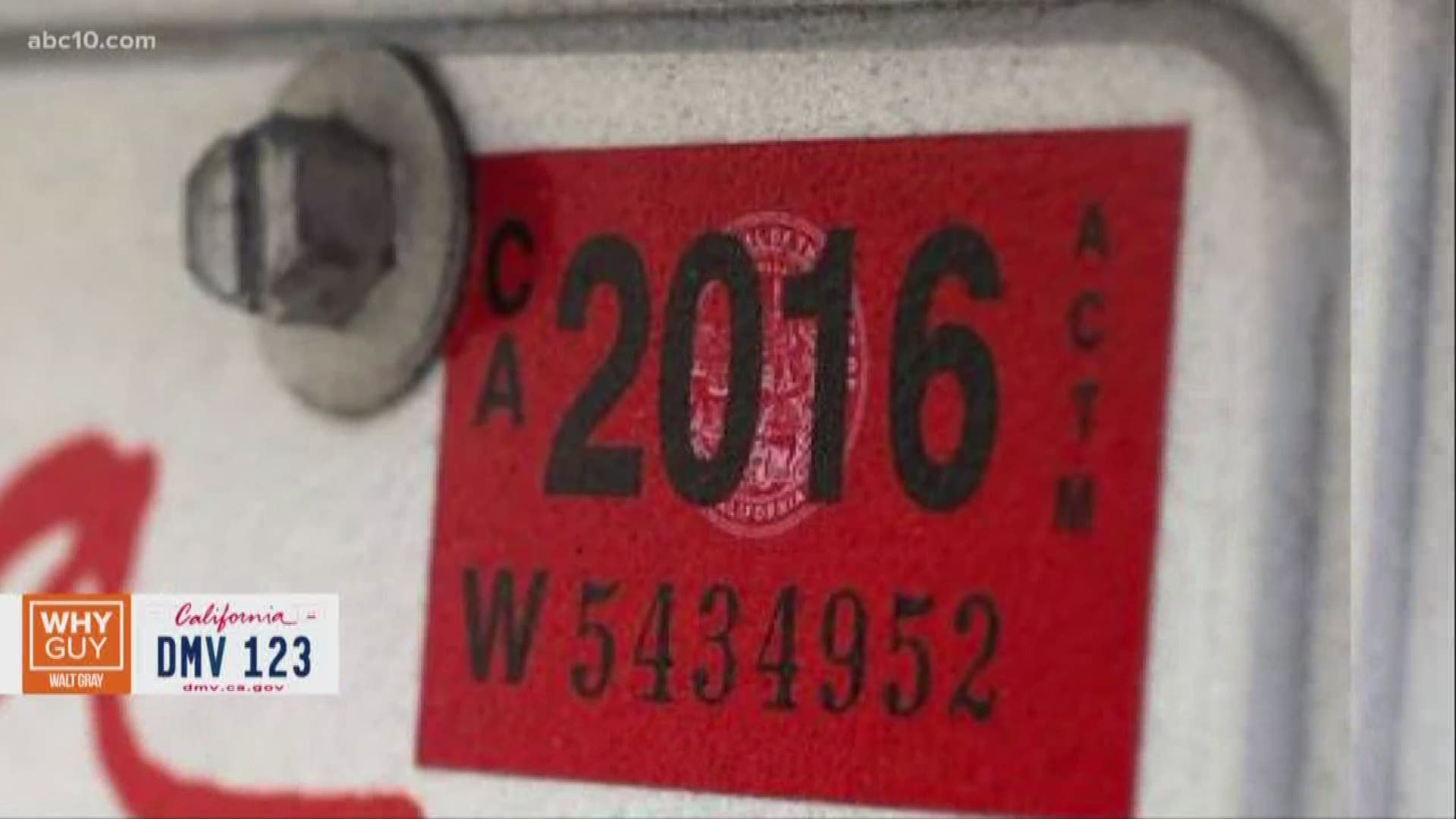
The legal backbone for enforcing vehicle registration in California is Vehicle Code Section 4000(a)(1). This section explicitly states that “a person shall not drive, move, or leave standing upon a highway, or in an offstreet public parking facility, any motor vehicle… unless it is registered and the appropriate fees have been paid.” This means that your vehicle must be currently registered and display current tags, which are typically renewed annually.
While there is often a short grace period after the official expiration date before late fees are assessed by the DMV, there is no grace period for avoiding a traffic stop. A law enforcement officer can pull you over the very day your tags expire. The consequences usually involve a citation, which comes with a fine that can vary by jurisdiction but is generally a few hundred dollars. This citation can also lead to additional costs, such as “fix-it” fees if you fail to correct the issue promptly. Imagine being stopped on the scenic Pacific Coast Highway while on your way to Big Sur, having your exciting drive interrupted, and then facing a hefty fine – it’s certainly not the kind of experience you’d want during your California adventure.
The Immediate Impact on Your Travel Plans
For those who view California as a playground for tourism and exploration, an unexpected traffic stop for expired tags can have a significant and immediate impact. Firstly, there’s the invaluable loss of time. A typical traffic stop, even for a minor infraction, can take anywhere from 15 minutes to an hour or more, depending on the circumstances. This delay can throw off your meticulously planned itinerary, causing you to miss reservations for a wine tasting in Sonoma, a specific entry window for Universal Studios Hollywood, or even a flight out of Los Angeles International Airport.
Beyond the time lost, there’s the stress and anxiety that comes with being pulled over and potentially receiving a citation. This can sour the mood of a family trip to Disneyland or disrupt the focus of a business stay in Sacramento. In more severe cases, particularly if you have multiple outstanding violations or cannot provide proof of ownership, an officer has the discretion to impound your vehicle. Vehicle impoundment is a costly and incredibly inconvenient ordeal, adding towing fees, daily storage fees, and the immense hassle of retrieving your vehicle, potentially leaving you stranded far from your intended accommodation or next destination.
Beyond the Ticket: Why Staying Compliant is Crucial for California Adventures
The allure of California lies in its boundless possibilities for exploration, from the arid beauty of Joshua Tree National Park to the serene shores of Lake Tahoe. To truly immerse yourself in these experiences without interruption, understanding and adhering to vehicle registration laws is paramount. It’s about more than just avoiding a fine; it’s about maintaining peace of mind and ensuring your travels are as smooth and enjoyable as possible.
Ensuring Smooth Journeys: From Coastal Drives to Desert Escapes
Imagine embarking on a scenic drive down the Pacific Coast Highway, the ocean breeze in your hair, with no worries beyond where to stop for the next breathtaking view. This kind of uninterrupted freedom is what makes California such a captivating place for a road trip. Maintaining current vehicle registration ensures that your focus remains squarely on the beauty of your surroundings, whether you’re traversing the sun-drenched desert roads near Palm Springs or navigating the vibrant cityscapes of San Diego.
Proactive vehicle registration compliance removes a layer of potential stress, allowing you to fully engage with the local culture, sample exquisite food in San Francisco, or explore historical landmarks like Alcatraz Island without the nagging concern of an expired tag. It’s a small but significant detail that underpins the entire travel and tourism experience in the state, making sure your adventures are remembered for their excitement, not for an avoidable administrative snag.
The Role of Rental Cars and Out-of-State Vehicles
For visitors to California, especially those flying in and renting a vehicle, the concern about expired tags for their car is usually minimal. Reputable rental car companies are diligent about keeping their fleet’s registration current, so you can typically enjoy your accommodation at a luxury hotel and then pick up a properly registered car without issue. However, for those driving their own out-of-state vehicles into California, the rules are different. While your vehicle is registered in another state, you are generally subject to that state’s registration laws. The issue of expired California tags specifically applies to vehicles registered within the state.

That said, if you’ve recently moved to California and haven’t transferred your vehicle’s registration within the mandated timeframe (usually 20 days for new residents), your out-of-state plates can become a problem. Similarly, if you’ve purchased a used vehicle in California and are driving on temporary tags or haven’t completed the title transfer and registration, you could face similar issues. It’s crucial to understand these nuances to prevent any unexpected detours from your California exploration, whether you’re planning a visit to Hollywood or a peaceful retreat in Death Valley National Park.
Practical Steps to Avoid Registration Pitfalls and Enjoy Your California Lifestyle
Embracing the vibrant California lifestyle often involves spontaneous road trips, weekend getaways, and navigating the state’s diverse regions. The key to maintaining this freedom and flexibility is proactive vehicle management, especially when it comes to registration renewals. Don’t let a small oversight overshadow your grand plans, whether they involve a stay at a boutique hotel or an adventure through national parks.
Setting Reminders and Taking Action
The simplest and most effective way to avoid expired tags is to set up timely reminders. The California DMV typically sends out renewal notices by mail and sometimes via email (if you’ve opted for electronic communications) a couple of months before your registration expires. However, these notices can sometimes get lost or overlooked amidst other correspondence. It’s wise to complement these official reminders with your own system. Add a recurring event to your digital calendar, set a phone alarm, or even put a note on your physical calendar a month or two before the expiration date.
Once reminded, taking action is straightforward. Most vehicle registration renewals in California can be completed online through the DMV website, offering unparalleled convenience for busy individuals and avid travelers. This process typically takes only a few minutes, assuming your vehicle has passed its required smog check (for most vehicles over four years old, excluding newer ones and certain exemptions). Renewing online saves you a trip to a DMV office or an authorized business partner, allowing you more time to plan your next adventure or simply relax at your accommodation.
Planning Your Renewals Around Travel Seasons
For frequent travelers or those with specific vacation plans, strategic timing of your registration renewal can be a game-changer. If your tags are set to expire during a planned long road trip to the deserts of Palm Springs, a ski excursion to Lake Tahoe, or an extended stay at a resort in San Diego, ensure you renew well in advance. Receiving your new tags and sticker in the mail can take a couple of weeks, so don’t wait until the last minute.
Proactive planning eliminates any stress about whether your new tags will arrive before you depart or if you’ll need to drive with expired ones. This foresight is especially important if you anticipate crossing state lines, as authorities in other states might be less lenient about out-of-state expired California tags, even if your renewal is “in process.” By integrating your renewal schedule with your travel calendar, you ensure that every journey, whether a short commute to the Santa Monica Pier or a grand tour of California’s landmarks, proceeds without administrative hitches.
The Broader Lifestyle and Financial Implications
Beyond the immediate inconvenience and fines, driving with expired tags in California can ripple into broader aspects of your lifestyle and financial well-being. For those who invest in premium travel experiences, luxury accommodation, or simply value a hassle-free existence, these additional repercussions underscore the importance of staying compliant.
Beyond Fines: Insurance and Legal Repercussions
An expired registration tag isn’t just a standalone violation; it can have compounding effects, particularly concerning your vehicle insurance. While your insurance policy typically remains valid even with expired tags, being involved in an accident while driving an unregistered vehicle could lead to increased scrutiny from your insurance provider. In some cases, depending on your specific policy and the circumstances of the accident, an insurer could potentially use the expired registration as a factor in their claim assessment, although this is less common for minor incidents. More critically, an expired registration often signals to law enforcement a general disregard for vehicle laws, which can lead to increased scrutiny during future traffic stops.
The financial toll can also escalate rapidly. Beyond the initial fine for expired tags, you’ll incur late fees from the DMV for the delayed renewal. If your vehicle is impounded, the towing and storage fees can quickly accumulate, sometimes costing hundreds of dollars just to retrieve your car. These unexpected expenses can significantly impact your budget travel plans or chip away at funds earmarked for a special luxury travel indulgence, like a stay at the historic Hotel del Coronado or a gourmet dining experience in Beverly Hills.
Preserving Your California Dream: Uninterrupted Exploration
Ultimately, keeping your vehicle registration current is a small administrative task that yields significant returns in peace of mind and the uninterrupted enjoyment of the California dream. The state is a treasure trove of attractions, from the star-gazing opportunities at Griffith Observatory to the serene landscapes of Big Sur. Each of these destinations is best experienced without the looming worry of a traffic stop.
For residents and visitors alike, California offers an unparalleled tapestry of experiences and a lifestyle defined by freedom and exploration. Whether you’re commuting to work, embarking on a spontaneous weekend getaway, or planning a meticulously detailed tourism adventure, ensuring your vehicle is legally compliant is a fundamental step. It allows you to focus on the joy of discovery, the beauty of the landscapes, and the richness of the culture, rather than the avoidable headache of an expired tag. Embrace the open road responsibly, and California will truly open up its wonders to you.
In conclusion, the answer is unequivocally yes—you can absolutely get pulled over for expired tags in California. While it might seem like a minor detail, the repercussions can extend from immediate fines and delays to more significant disruptions to your travel plans and overall lifestyle. By understanding the California Vehicle Code, setting timely reminders, and taking proactive steps to renew your registration, you can ensure that your journeys across the Golden State remain seamless, enjoyable, and free from unnecessary stress. So, before you hit the road for your next California adventure, double-check those tags—it’s a small effort that makes a big difference.
LifeOutOfTheBox is a participant in the Amazon Services LLC Associates Program, an affiliate advertising program designed to provide a means for sites to earn advertising fees by advertising and linking to Amazon.com. Amazon, the Amazon logo, AmazonSupply, and the AmazonSupply logo are trademarks of Amazon.com, Inc. or its affiliates. As an Amazon Associate we earn affiliate commissions from qualifying purchases.